


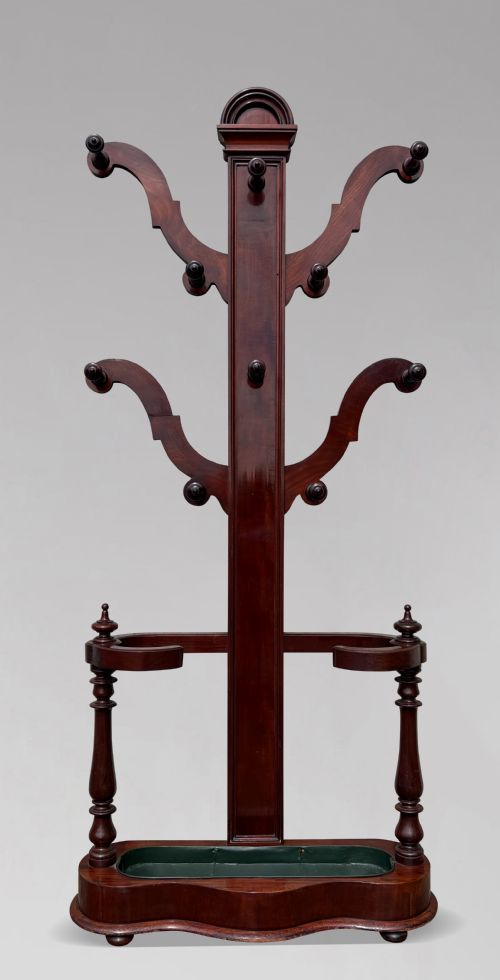
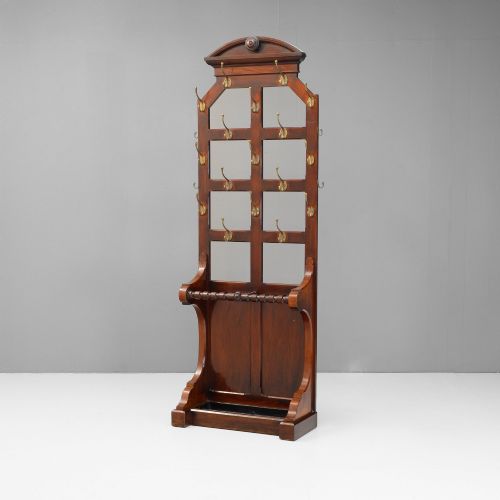


Mahogany Hat and Coat Stand
A mahogany hat and coat stand greets visitors with practical warmth, holding garments and hats in an orderly fashion while anchoring a hallway.
Mahogany Hat and Coat Stand
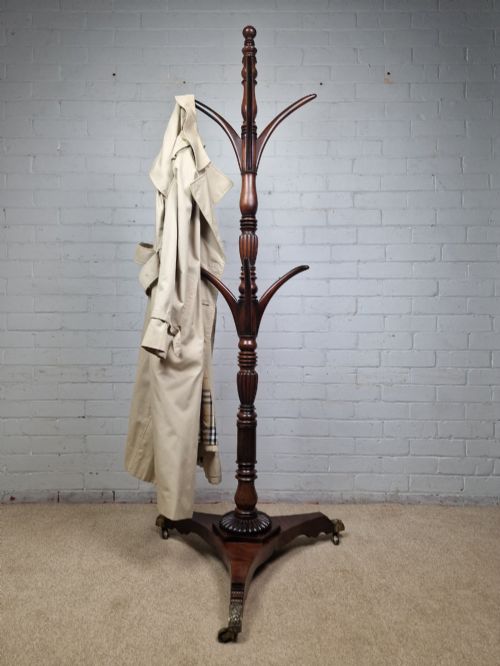
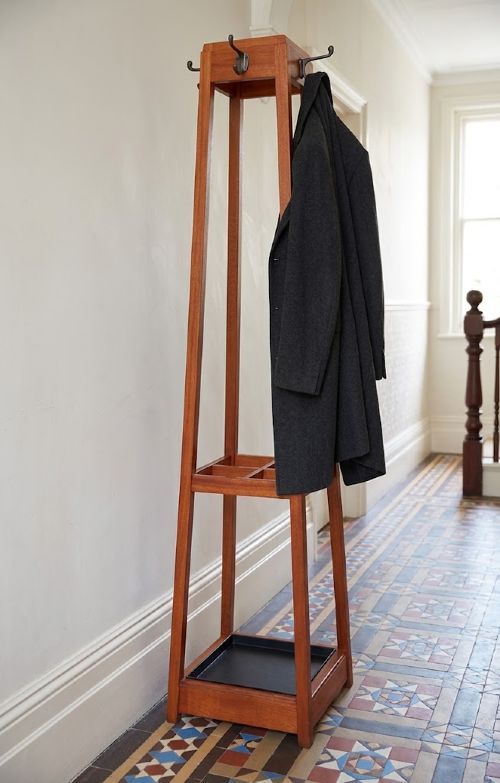
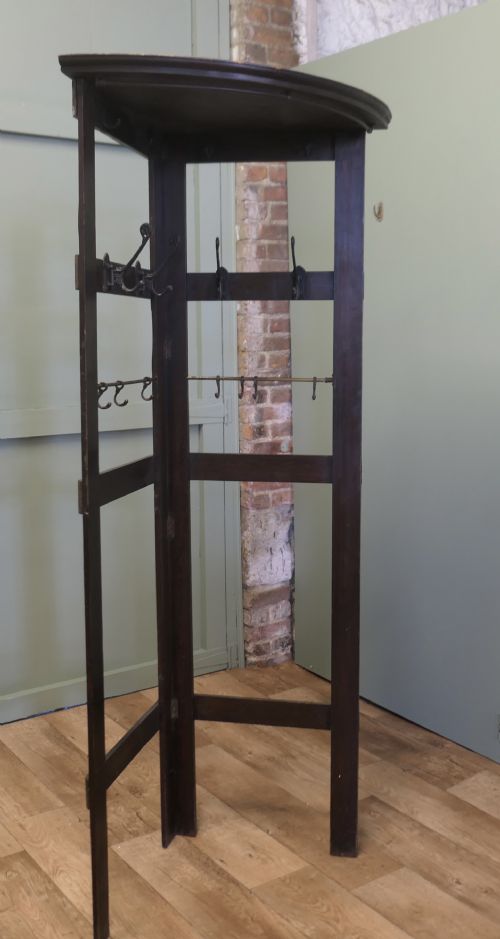
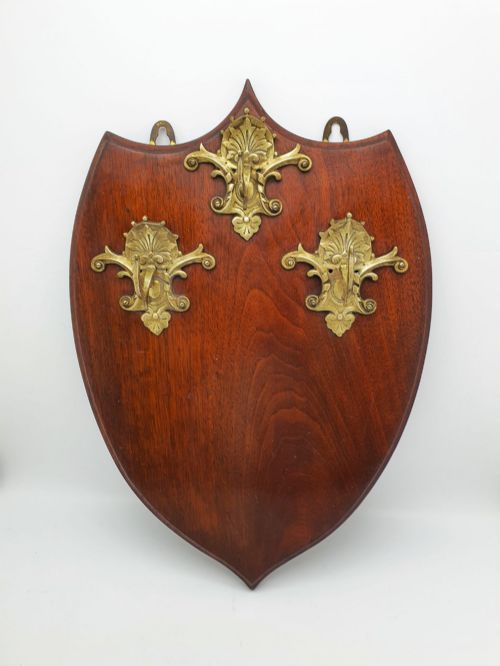
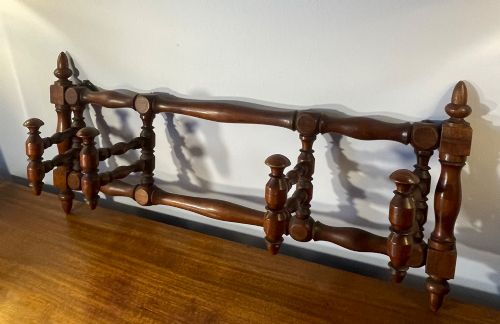
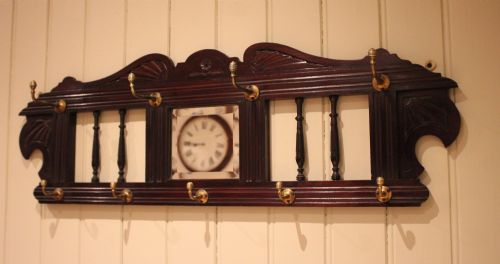
A mahogany hat and coat stand serves as a functional piece of entrance furniture designed to receive outdoor garments, hats, and umbrellas. The selections on this page span several decades, featuring substantial freestanding hall trees alongside wall-mounted racks.
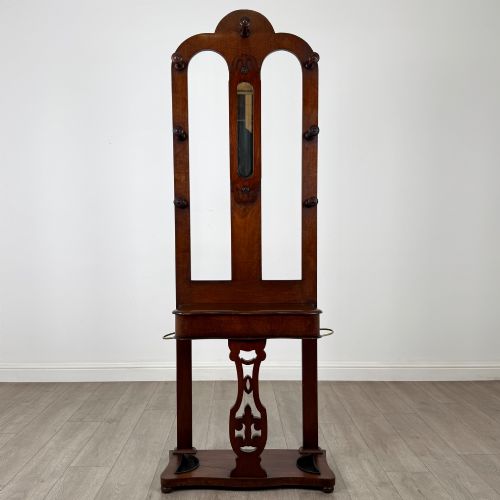
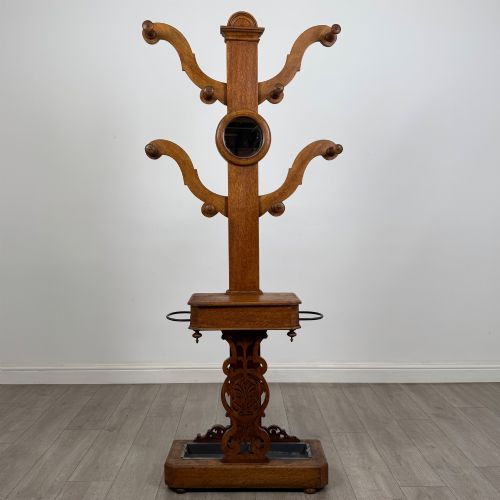
Victorian and Edwardian iterations dominate the pieces gathered here, often combining sturdy mahogany frames with integrated mirrors, marble shelves, and brass or metal hooks. Examples range from simple column stands to elaborate carved designs incorporating umbrella pans.
The form evolved from late Georgian and Regency prototypes into the grand hall stands of the nineteenth century, sometimes incorporating Arts and Crafts inlay or specific equestrian motifs. Buyers find both freestanding hall trees and compact wall plaques suited to different entranceways.
What varies in quality
The refinement of the carving and the choice of mahogany figure distinguish standard utility pieces from more ambitious cabinetwork. Pieces featuring deeply bevelled mirror plates, heavy brass hooks, and inset marble shelves represent a higher standard of manufacture.
Structural integrity depends on the stability of the central column or wall fixings, as weight from heavy winter coats tests the joints over time. Original fixtures, intact mirror silvering, and undamaged ceramic or marble components elevate the standing of an individual piece.
Mahogany Hat and Coat Stand Retail Price Guide 2026
Typical asking prices for mahogany hat and coat stand among the pieces listed under this phrase on Sellingantiques today, from the lower quarter to the upper quarter. They describe what is for sale here now, not the wider market.
Some hall stands came equipped with hidden umbrella drip pans to save nineteenth-century carpets from relentless British drizzle.
The Mahogany Hat and Coat Stand Glossary
- Hall tree
- A freestanding piece of hallway furniture combining coat hooks, a hat rack, and frequently a mirror and umbrella stand.
- Bevelled plate
- A mirror glass with an angled edge ground down to create a decorative framing effect within the wooden structure.
- Umbrella stand
- The lower section of a hall stand, incorporating metal or ceramic trays to catch rainwater from wet umbrellas and walking sticks.
- Bentwood
- A technique of steaming wood to make it pliable, allowing manufacturers to curve mahogany and other timbers into rounded hat and coat hooks.
Mahogany Hat and Coat Stand: Frequently Asked Questions
How do I place a hall stand?
Position the piece against a sturdy wall in an entrance hall or boot room where it receives adequate clearance for hanging coats. Ensure freestanding versions sit level on the floor to prevent tipping under heavy garments.
Allow enough space around the base for visitors to access umbrella wells and lower hooks without obstruction. Wall-mounted racks require secure fixings into masonry or studs to support the weight of winter wear.
How do I clean mahogany?
Dust the mahogany surfaces regularly with a soft, dry cloth to prevent dirt accumulation on carved details and polished panels. Avoid silicone sprays that build up a sticky residue over time.
Apply a traditional beeswax polish occasionally to nourish the timber and maintain a soft sheen. Keep the stand away from direct heat sources and strong sunlight to protect the polish and prevent wood splitting.
Are brass hooks original?
Examine the screws and the seating of the brass hooks within the mahogany backboard to determine their age. Original hooks typically show matching patination and fit snugly into indentation marks in the wood.
Replacement hooks often leave unused screw holes or display brighter metal finishes that contrast with older brass. Look for consistent wear patterns across all hooks to judge their period authenticity.
How do I date a hall stand?
Inspect the overall style and construction methods, as Victorian examples often feature heavy carving and arched mirrors while Edwardian pieces display lighter proportions. Regency prototypes show clean architectural lines and simpler column supports.
Check for secondary timbers at the back and examine the fixings, mirror backing, and any tile work for period characteristics. Census records or maker marks, when present, provide additional chronological markers.