


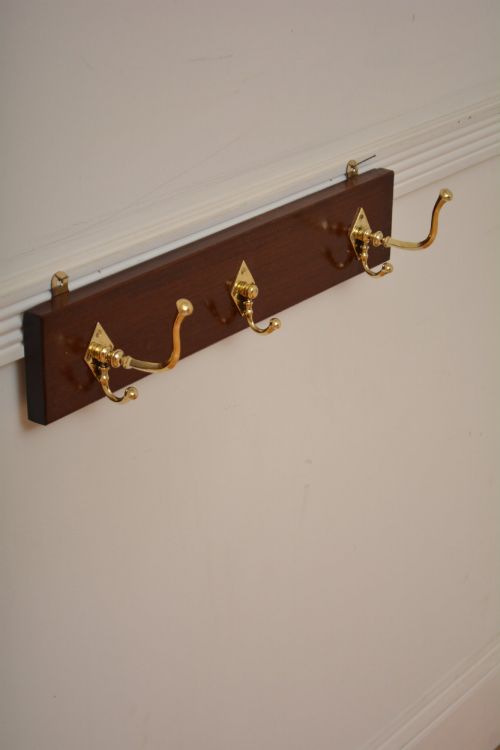


Mahogany Hat and Coat Rack
A mahogany hat and coat rack brings practical entrance storage into a home, using rich timber and sturdy metal hooks to hold daily garments.
Mahogany Hat and Coat Rack
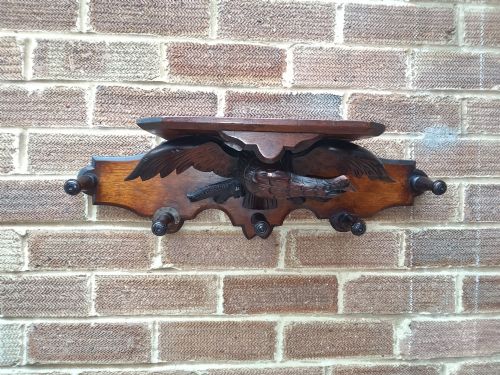
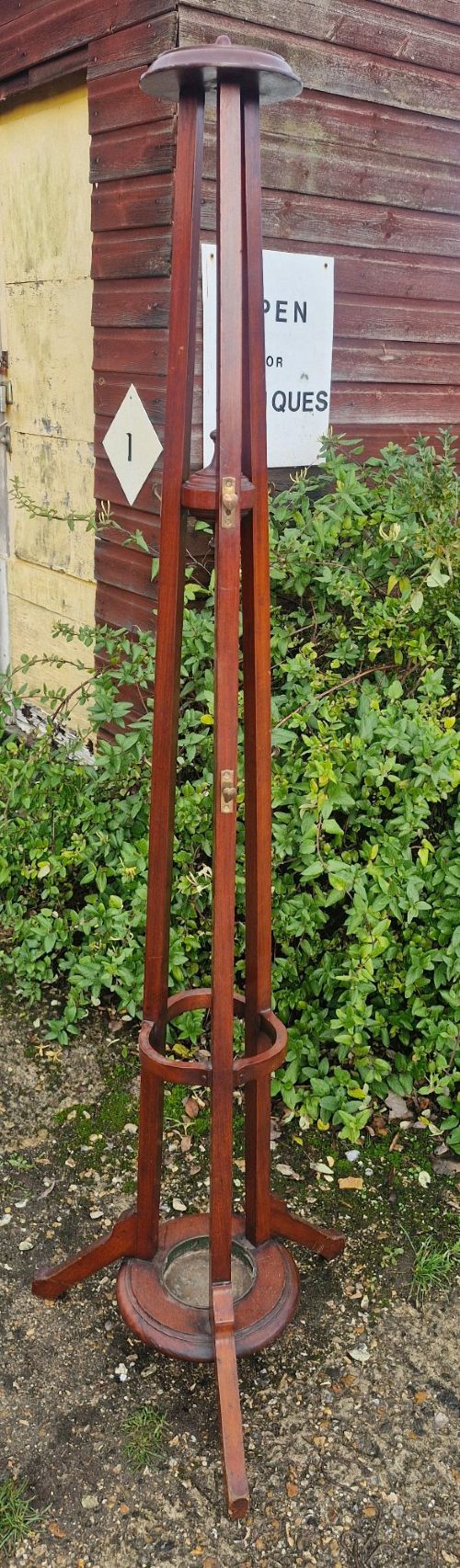
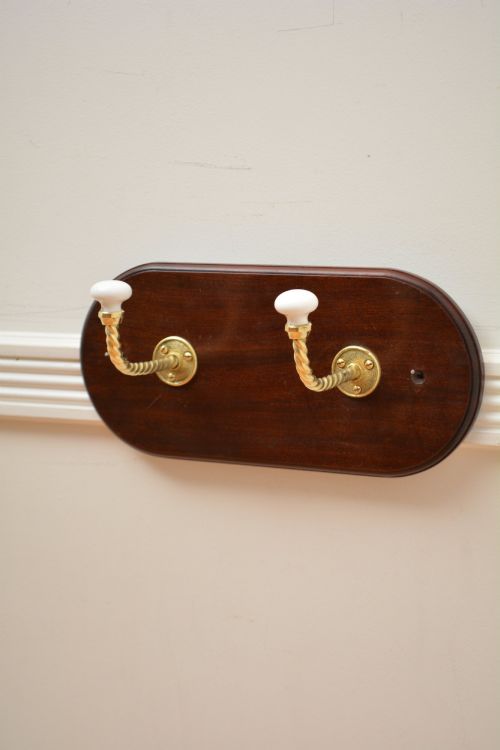
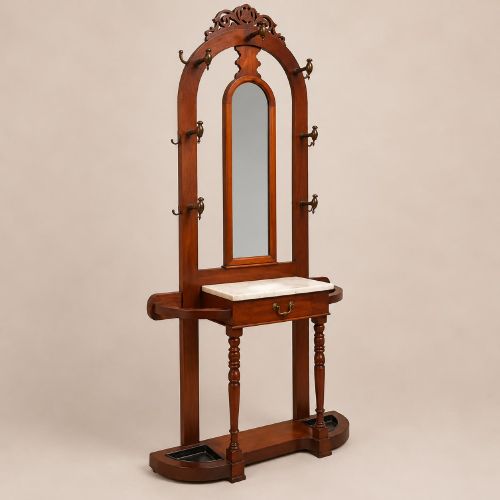
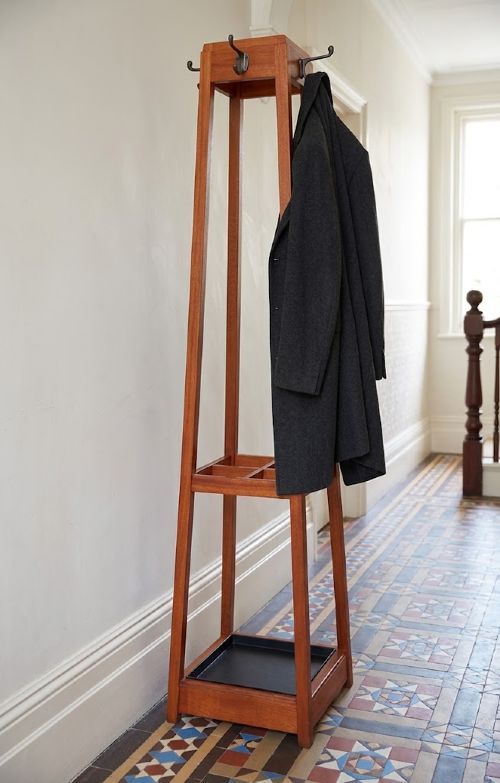
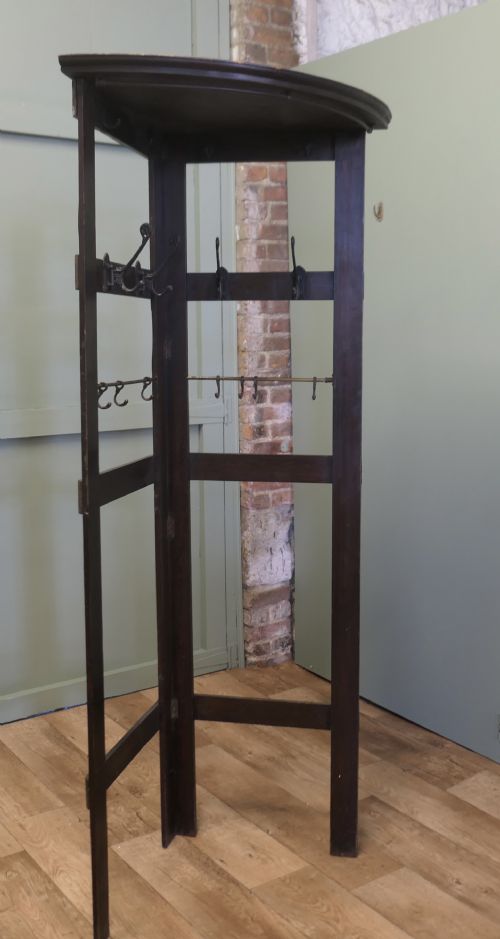
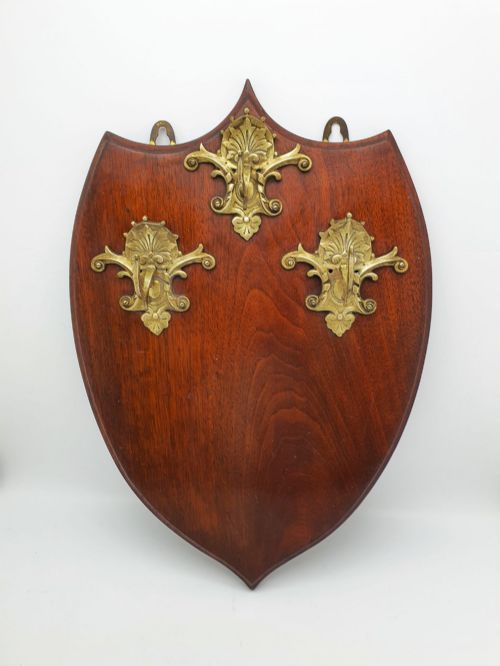
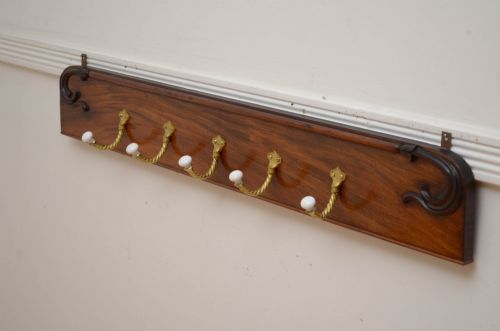
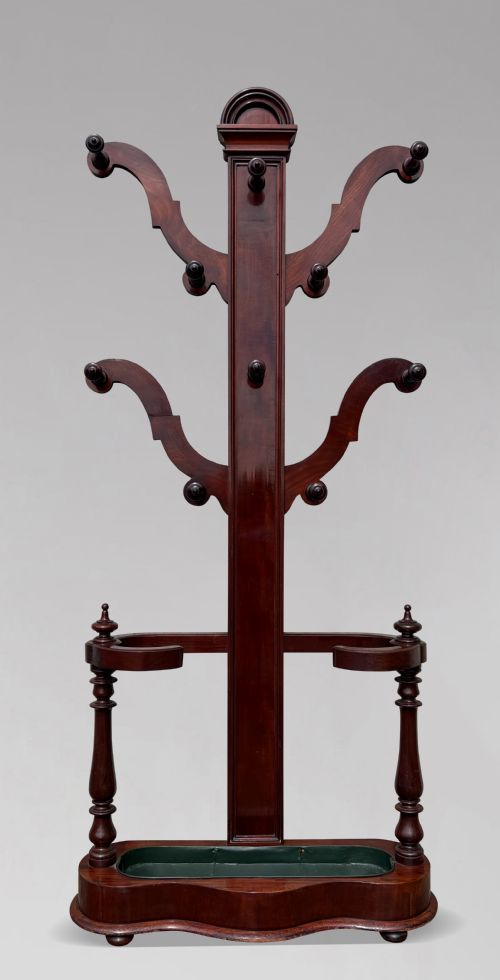
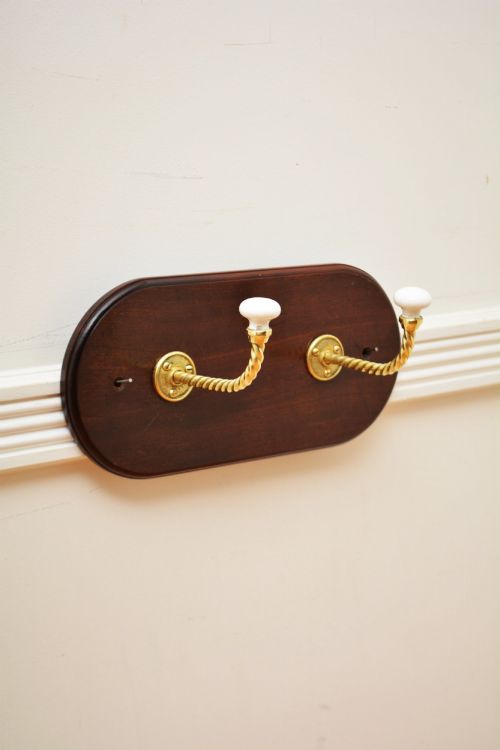
A mahogany hat and coat rack appears in several distinct architectural forms, from wall-mounted plaques and mirrors with brass hooks to large freestanding hall stands incorporating umbrella wells and marble shelves. The pieces span periods from the Regency era through to the Edwardian period, reflecting shifting hallway designs and domestic storage needs.
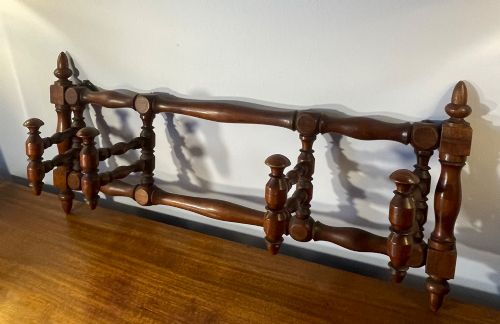
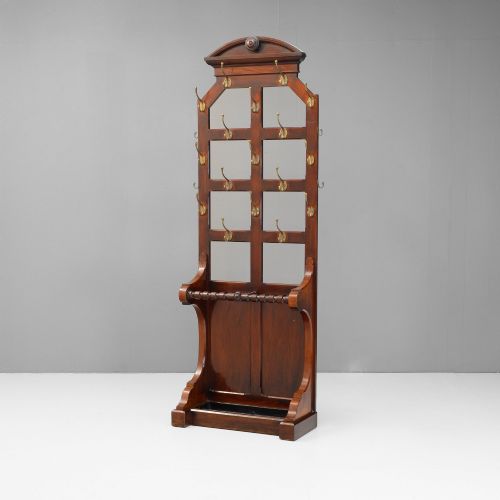
The most common version met on this page is the Victorian hall stand, often combining a central mirror, carved mahogany woodwork, and heavy brass or ceramic coat hooks. Alongside these stand smaller wall-mounted racks and portable folding cloakroom items designed for narrow hallways or reception spaces.
How they were made
Makers built these pieces primarily from solid mahogany and mahogany veneers, employing structural turning, carving, and steam-bending techniques as seen in Viennese bentwood examples. The timber frames often incorporate bevelled mirror plates set into shaped surrounds.
Functional hardware was integrated using brass, cast iron, and ceramic elements screwed directly to the timber backplates or columns. Some elaborate nineteenth-century examples also integrate marble shelves and decorative tile inserts into the main mahogany framework.
Mahogany Hat and Coat Rack Retail Price Guide 2026
Typical asking prices for mahogany hat and coat rack among the pieces listed under this phrase on Sellingantiques today, from the lower quarter to the upper quarter. They describe what is for sale here now, not the wider market.
Listings span the Regency, Victorian, and Edwardian periods, incorporating materials such as mahogany, brass, marble, and ceramic.
What varies in quality
The distinction between standard utility items and superior pieces rests on the weight of the timber and the complexity of the cabinetwork. Heavier, chunkier structures with deeply bevelled mirror glass, finely cast brass mounting plates, and carved architectural details sit at the higher end.
Secondary materials also dictate the grade of a piece, with integrated marble shelves and hand-painted ceramic tiles marking out more ambitious designs from simpler everyday hall furniture.
Ellen E Houghton of Minton
The Mahogany Hat and Coat Rack Glossary
- Hall stand
- A large freestanding piece of furniture designed for entranceways, combining coat hooks, a hat rack, a mirror, and often an umbrella stand.
- Bentwood
- Wood that has been heated using steam and bent into curved shapes, commonly utilised in hat and coat racks.
- Bevelled plate
- Mirror glass with angled edges cut and polished to a thinner perimeter, adding depth to wall plaques and hall stands.
- Portmanteau
- A heavy cloakroom rack or stand designed for holding coats, hats, and travelling accessories in a reception hall.
- Aesthetic Movement
- A late nineteenth-century design style focusing on visual beauty over narrative function, seen in brass and mahogany hardware combinations.
Mahogany Hat and Coat Rack: Frequently Asked Questions
What is a hall stand?
A hall stand is a tall hallway furnishing that combines timber panels, coat hooks, hat storage, and a mirror.
Many examples also include umbrella wells or marble surfaces for keys and calling cards.
How were wall racks used?
Wall racks were mounted directly beside entrance doors to hold outdoor garments and hats in compact spaces.
They rely on sturdy brass or metal hooks screwed into mahogany boards or decorative mirror frames.
Where should I place one?
These items fit naturally into entrance halls, boot rooms, and spacious corridors where outdoor garments accumulate.
Freestanding stands require adequate floor clearance, whereas wall plaques suit narrower passages.