

Mahogany Fusee Dial
A mahogany fusee dial brings precise timekeeping and robust British craftsmanship into any interior, combining functional heritage with striking circular geometry.
Mahogany Fusee Dial
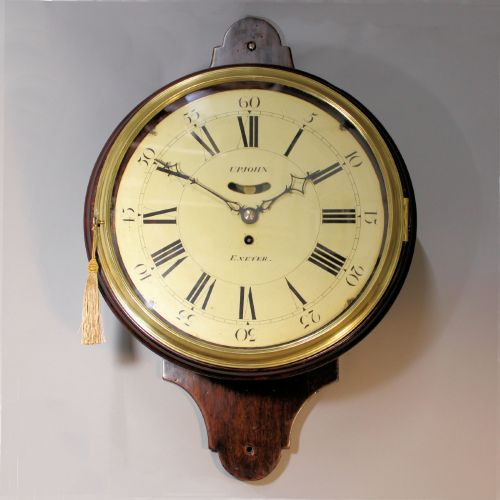
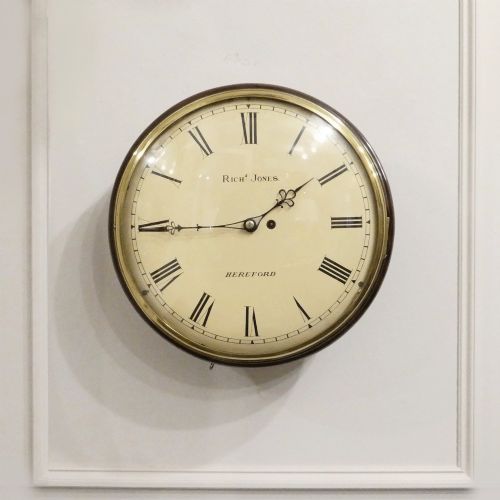
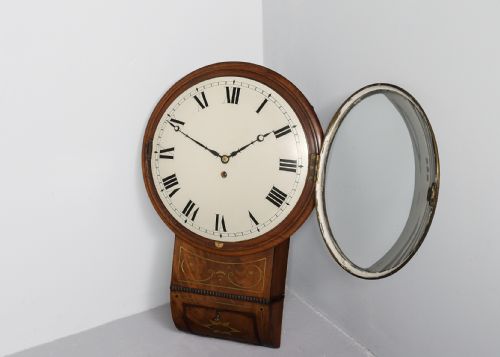
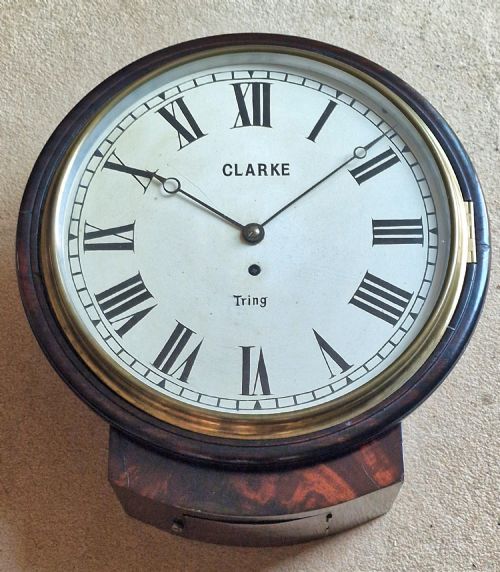
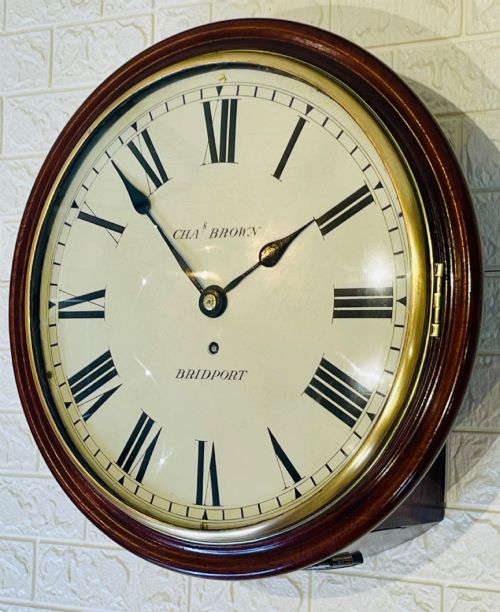
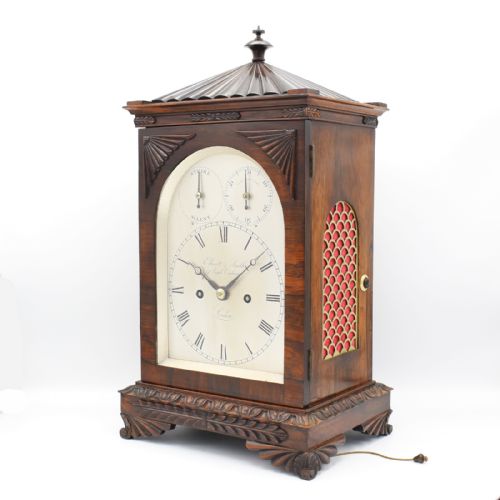
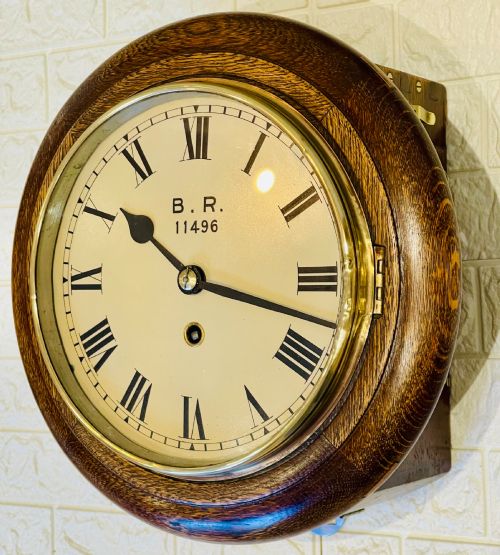
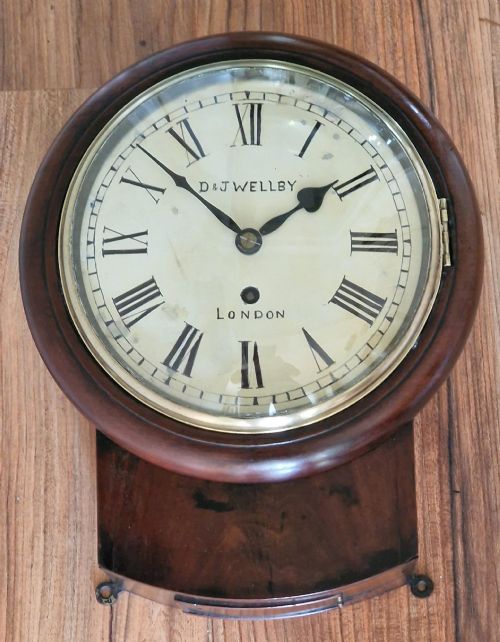
When you search for a mahogany fusee dial, you are looking at British circular wall and drop-dial clocks designed for precision and legibility. These timepieces served in railway stations, public offices, military establishments, and domestic parlours across the Victorian, Georgian, and Regency eras.
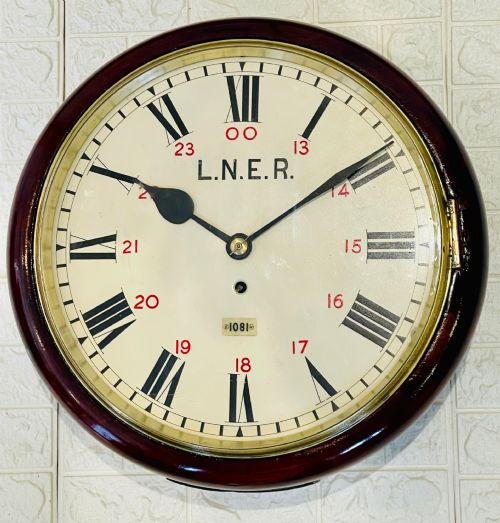
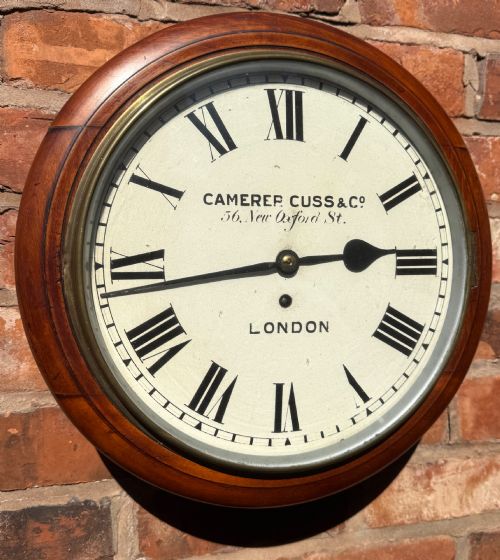
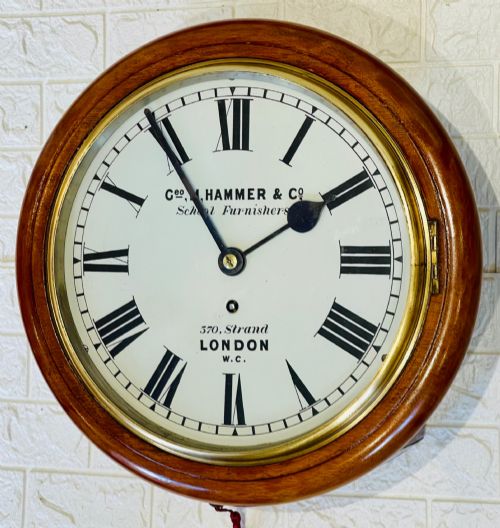
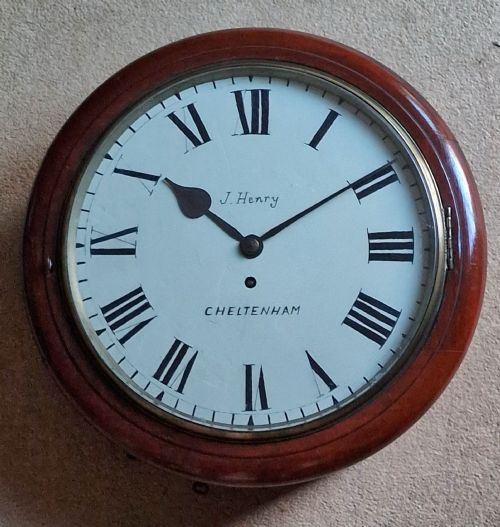
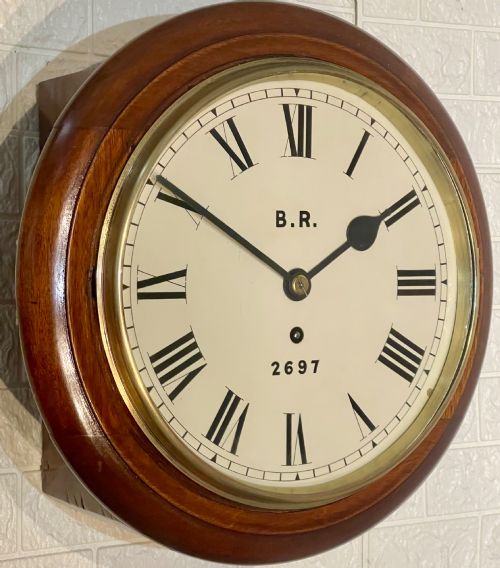
You are most likely to meet wall-mounted variations featuring wooden surrounds, brass bezels, and painted metal or wooden faces. Many examples bear the names of provincial makers or transit companies such as the GWR and LNER on their dials.
The form ranges from compact eight-inch cottage clocks to grand sixteen-inch dials intended for large civic spaces. Makers built these instruments to maintain steady accuracy through the use of a fusee movement, which equalises the pull of the mainspring as it winds down.
Materials and Construction
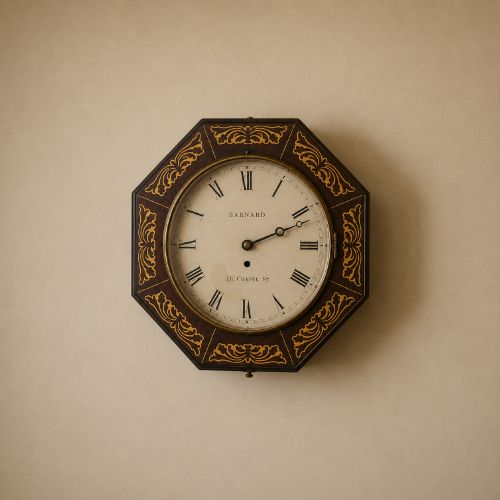
Craftsmen built the circular cases predominantly from solid mahogany, occasionally incorporating brass inlay, glass inspection doors, and mother of pearl details. The timber was turned or joined to create deep drum housings designed to protect the delicate internal mechanism from dust and humidity.
The fusee movement itself relies on brass plates, steel wheels, and a cone-shaped pulley connected to a catgut cord or chain. Dial faces were constructed from painted iron, silvered metal, or convex wood, then hand-lettered with Roman numerals and signed by the horologist.
Listings feature mahogany fusee dials spanning the Georgian, Regency, and Victorian periods, alongside mid-century British railway examples.
Distinctions in Quality
Quality rests in the crispness of the case joinery, the thickness of the mahogany bezel, and the fidelity of the dial signature. Finer examples display hand-engraved movement plates, substantial brass components, and original locking side doors.
The integrity of the dial face also determines value, with untouched original painted or wooden numerals ranking above later restorations. Workshop pedigree elevates certain pieces, particularly those signed by celebrated London or provincial makers with documented archives.
Richard Jones of Hereford·Camerer Cuss and Co·Ellicott and Smith·Henry Harris·John Walker·Thomas Lindey·James Tupman
The Mahogany Fusee Dial Glossary
- Fusee
- A conical pulley used in mechanical clocks to maintain even power delivery as the mainspring unwinds. This mechanism ensures consistent timekeeping from a full wind to the final hours.
- Drop dial
- A clock case featuring a circular upper dial head above an extended lower wooden trunk. This lower section accommodates the pendulum swing while maintaining a compact overall footprint.
- Verge
- An early type of escapement controlling the release of the gear train using a crown wheel and pallets. It marks the transition into more precise pendulum regulation.
- Bracket clock
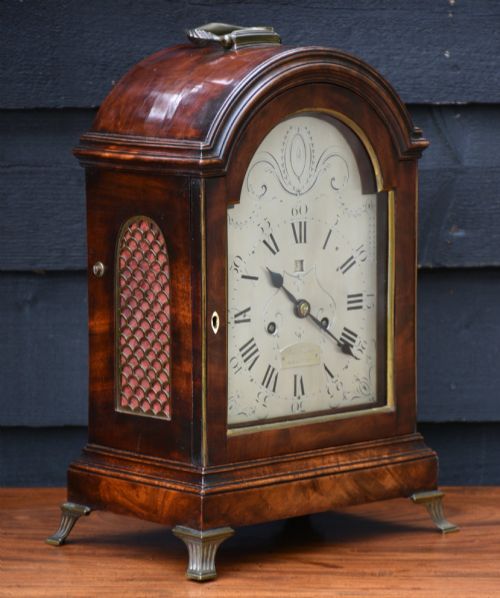
- A portable table or shelf clock housed in a wooden case, often featuring a carrying handle. These pieces were designed to be moved between rooms rather than permanently wall-mounted.
- Silvered metal
- A brass or copper dial plate treated with a silver solution to create a matte, reflective finish. Engraved markings are typically filled with black wax for legibility.
Mahogany Fusee Dial: Frequently Asked Questions
How do I wind a fusee clock?
Wind the clock using a matching key inserted into the dial aperture, turning slowly until resistance indicates a full spring. Take care not to overwind the mechanism.
Ensure you support the pendulum if moving the clock after winding to avoid damaging the suspension spring.
What is a railway dial clock?
Railway dial clocks were robust timepieces installed in stations, offices, and boardrooms to govern train timetables. They often feature company lettering and numbered cases for inventory tracking.
These pieces were strictly regulated and maintained by railway horologists to ensure absolute synchronisation.
How do I date a mahogany dial clock?
Examine the construction of the mahogany case, the shape of the bezel, and the style of the painted numerals. Georgian and Regency examples often feature distinct wood bezels and convex faces.
Maker signatures and stamped case numbers provide further clues when cross-referenced against historical maker records.
Where should I hang a wall clock?
Hang the clock on a sturdy internal wall using a secure fixing appropriate for the weight of the mahogany case. Position it away from direct sunlight, dampness, and draughts.
Level the case carefully to ensure the pendulum swings with an even, regular beat.