

Mahogany Furniture Unit
Mahogany furniture units span practical storage and display pieces built from solid timber and veneers through the eighteenth, nineteenth, and early twentieth centuries.
Mahogany Furniture Unit
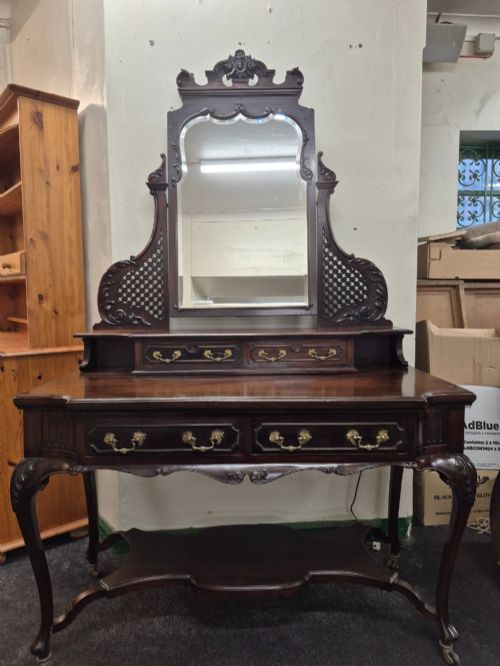
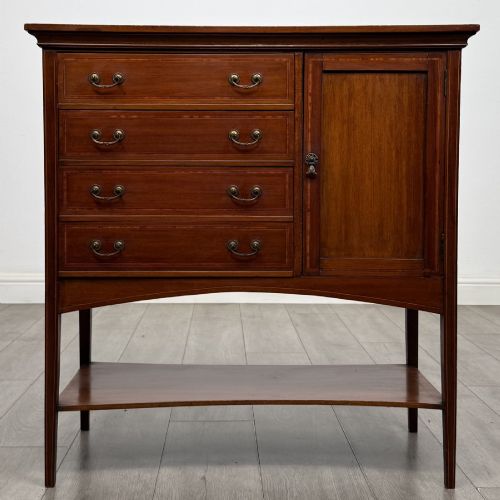
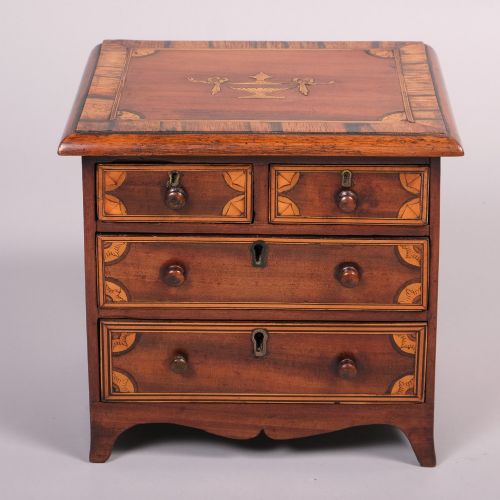
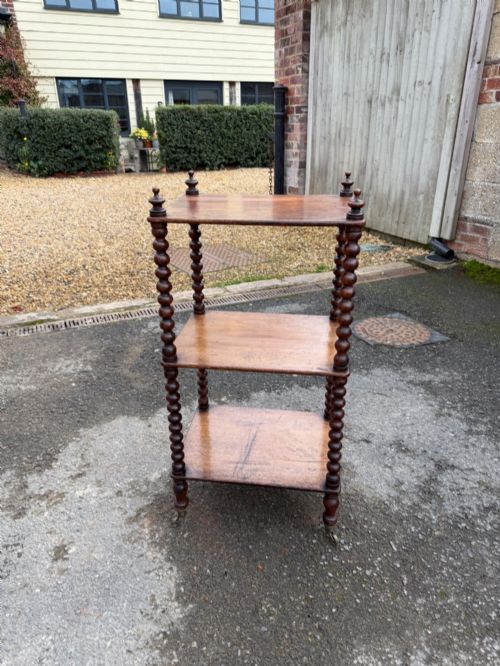
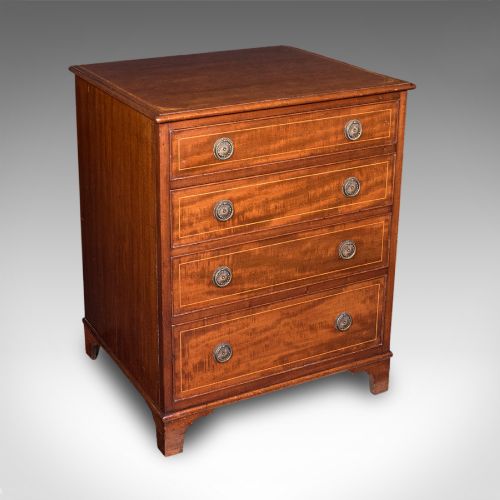
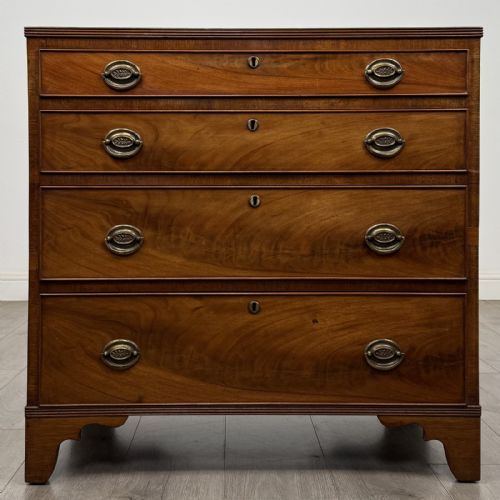
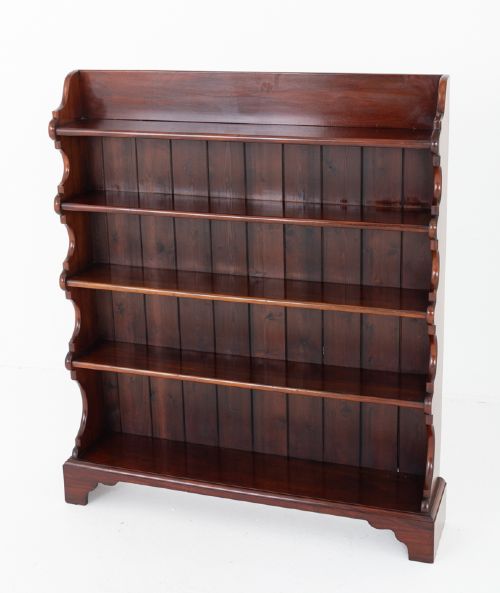
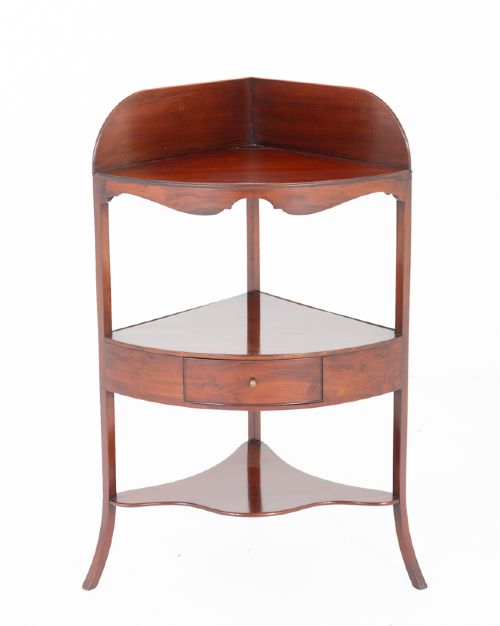
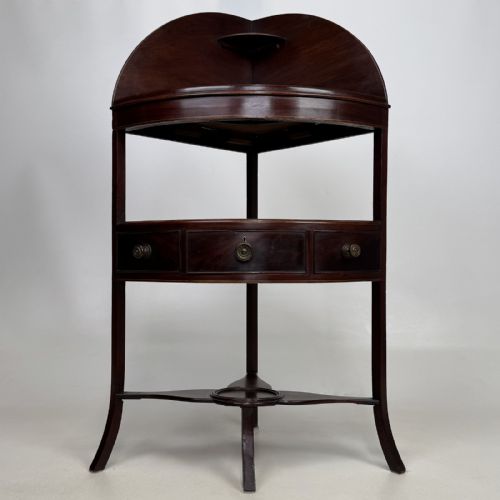
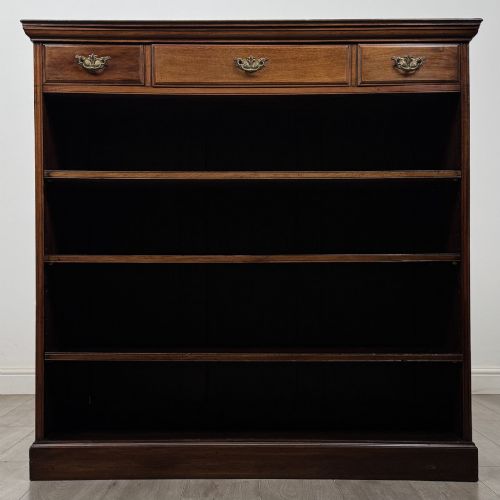
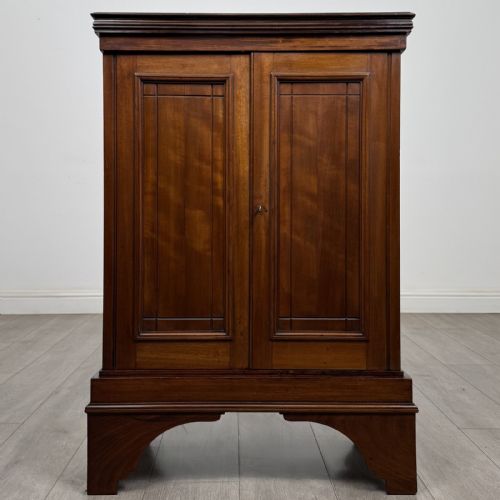
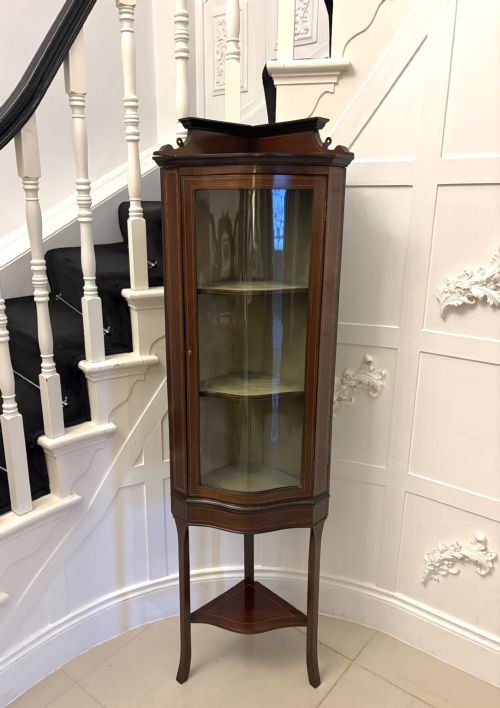
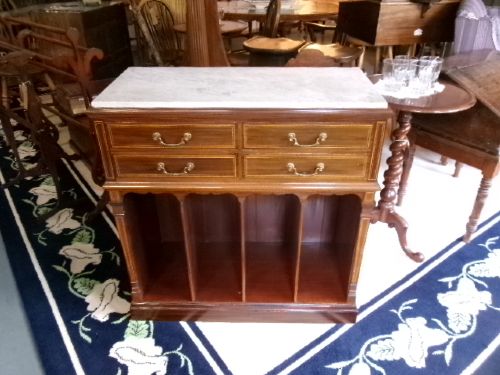
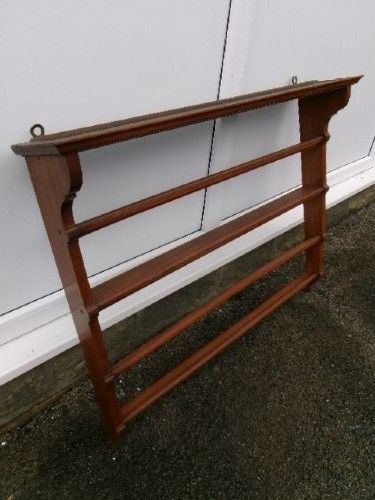
A mahogany furniture unit covers a wide group of domestic storage and display items found in the listings, ranging from tall open bookcases and chests of drawers to corner cabinets and multi-tiered whatnots. Buyers searching this phrase meet everything from compact wall hanging shelf racks and miniature apprentice pieces to large breakfront library bookcases.
The pieces originate across several distinct periods, with significant representation from the eighteenth century, the Regency era, the Victorian period, and the Edwardian years. Forms include specialised items like washstands, revolving bookcases, and étagères alongside traditional bedroom chests and corner cupboards.
Materials and construction methods
Construction relies heavily on mahogany timber, often enhanced by decorative grain patterns such as flame mahogany or plum pudding mahogany, alongside secondary woods like oak. Cabinetmakers integrated contrasting details in satinwood, bone, and brass hardware to define drawer pulls, key escutcheons, and structural mounts.
Joinery methods encompass traditional drawer framing, turned feet, adjustable shelving systems, and tiered shelf supports for whatnots. Surface finishes protect the wood while highlighting the natural warmth and depth of the timber.
Mahogany Furniture Unit Retail Price Guide 2026
Typical asking prices for mahogany furniture unit among the pieces listed under this phrase on Sellingantiques today, from the lower quarter to the upper quarter. They describe what is for sale here now, not the wider market.
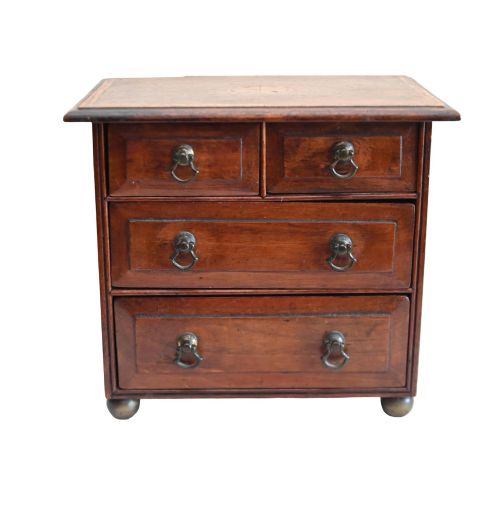
Miniature apprentice chests demonstrate that even woodworkers in training needed a proper set of tiny drawers to keep their miniature socks.
What separates the finest examples
Quality rests in the selection of the timber, where superior pieces exhibit striking grain figures like flame or plum pudding markings rather than plain stock. The crispness of carved details, the integrity of original brass fittings, and the refinement of proportion dictate the standing of each piece.
Construction rigour marks the distinction at the upper end, visible in closely fitted drawers, sound structural joints, and thoughtful details such as adjustable shelving or intricate inlay work.
J Shoolbred
The Mahogany Furniture Unit Glossary
- Whatnot
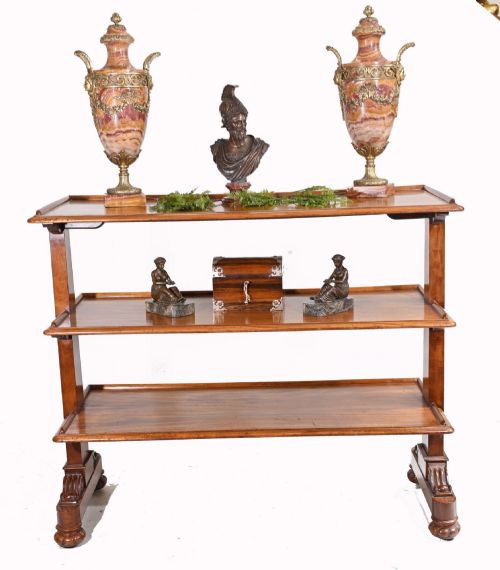
- An open multi-tiered piece of furniture designed for displaying ornaments, books, or small items. These structures typically feature three or four shelves supported by turned columns.
- Breakfront
- A large cabinet or bookcase whose central section projects forward from the flanking wings. This architectural arrangement creates depth and visual interest in library and salon furniture.
- Étagère
- A French term for an open tiered stand used for display, functioning similarly to a English whatnot. These items appear in various heights from compact corner units to slim three-tier buffers.
- Wellington chest
- A tall, narrow chest of drawers secured by a hinged locking stile on one side that fastens with a key. This locking mechanism holds all the drawers shut simultaneously.
Mahogany Furniture Unit: Frequently Asked Questions
What is a mahogany furniture unit?
A mahogany furniture unit is a catch-all term for wooden storage and display pieces built from mahogany, encompassing bookcases, chests of drawers, and whatnots.
These items serve practical household functions while showcasing the rich colour and grain of the timber across various historical periods.
How do I date a mahogany bookcase?
Dating relies on observing construction methods, hardware types, and stylistic indicators such as Regency reeding or Edwardian inlay.
Comparing the secondary woods and joint techniques helps place the piece within the eighteenth, nineteenth, or early twentieth century.
Where were corner cabinets used?
Corner cabinets and cupboards were placed in dining rooms and parlours to utilise vacant wall angles efficiently.
They provided secure storage for glassware, china, and small valuables while occupying minimal floor space.