
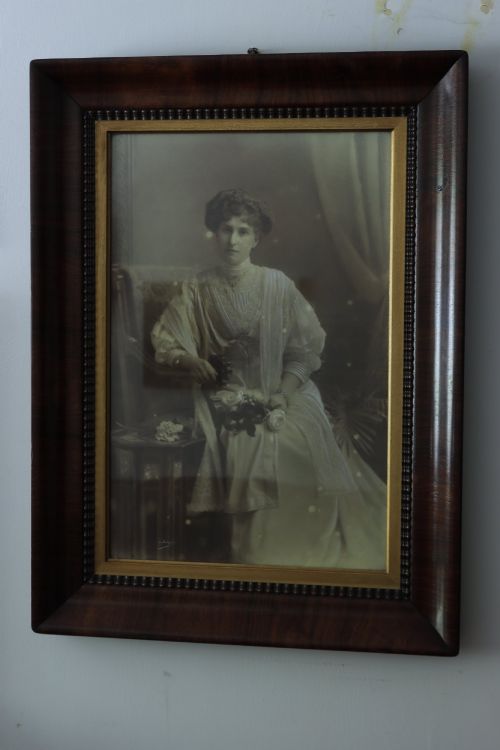


Mahogany Framed Picture
A mahogany framed picture brings together rich timber and period art, offering a grounded display for a wall or studio.
Mahogany Framed Picture
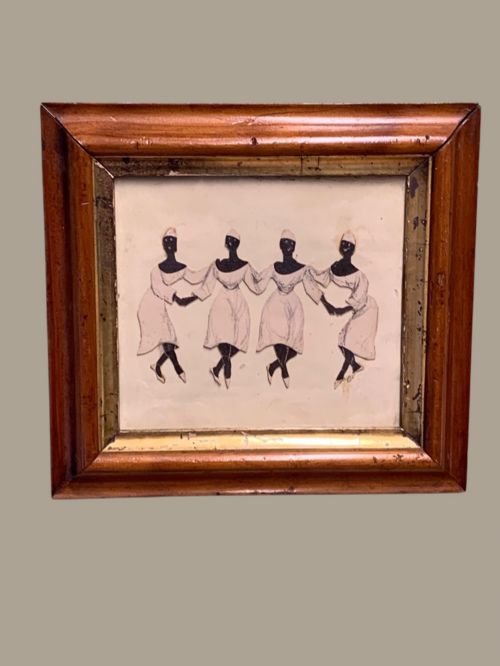
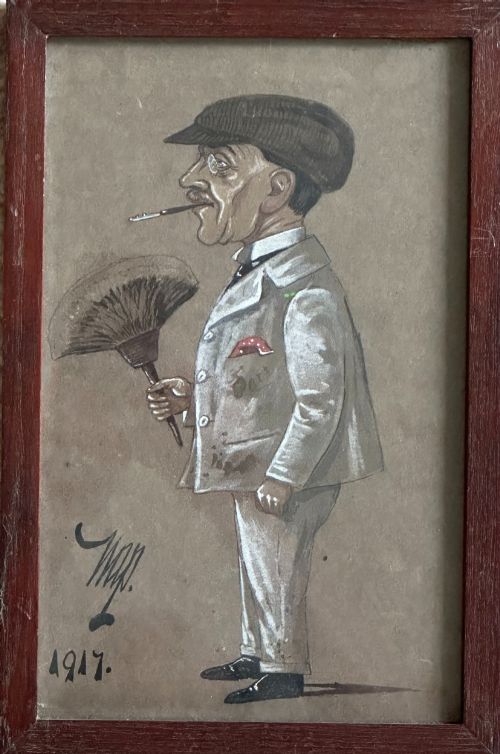
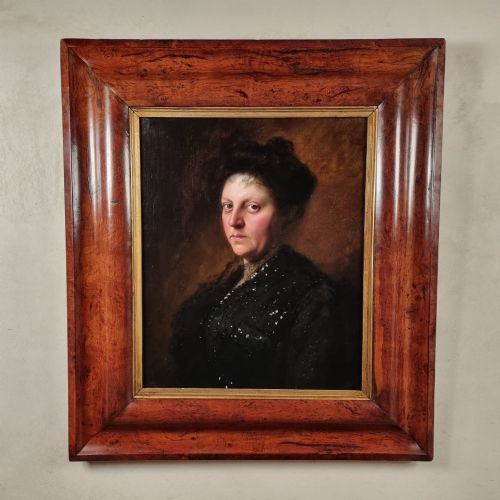
A mahogany framed picture encompasses a wide variety of wall art and display pieces rooted in the nineteenth and early twentieth centuries. These items range from hand-tinted prints and watercolours to needlework, photographs, and oil paintings housed in sturdy wood surrounds.
The Victorian and Edwardian eras dominate the selection, alongside earlier Regency examples and pieces spanning the Georgian to early twentieth-century periods. Buyers encounter diverse visual subjects such as pastoral landscapes, theatrical prints, botanical scenes, and portraits.
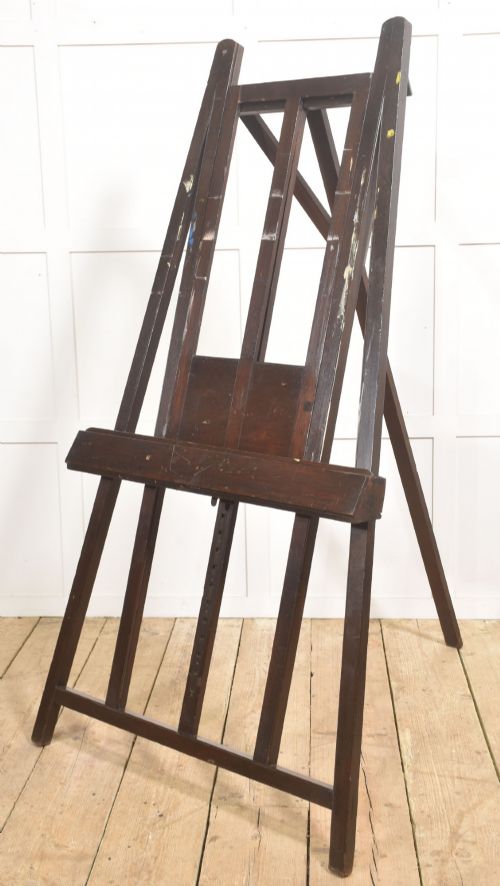
Studio furniture also surfaces within this category, including large artist's studio easels constructed from the same dense timber. Each piece reflects the interior tastes of its period, relying on warm timber tones to anchor the artwork within a room.
Materials and construction
Construction centres on solid mahogany frames, often complemented by secondary materials like gold leaf and gilt accents to highlight mouldings and borders. Glazing protects delicate paper works, watercolours, and photographs from environmental damage.
Artisans applied various mediums to paper, canvas, and fabric, producing works in watercolour, oil, etching, and needlework such as gros point. Collage, tinsel, and decoupage techniques add tactile depth to specific decorative prints from the Regency and nineteenth-century periods.
Listings span the nineteenth and early twentieth centuries, featuring materials such as mahogany, glass, watercolour, paper, and gold leaf.
Assessing quality in mahogany framed pictures
Quality rests upon the preservation of the artwork itself and the integrity of the timber frame. Fine watercolour washes, crisp etching lines, and tight needlework stitches distinguish superior artistic execution from simpler commercial output.
The timber moulding demonstrates craftsmanship through well-joined corners, rich grain patterns, and appropriate patination acquired over time. Original glass and undisturbed backing materials further elevate the desirability of a piece.
The Mahogany Framed Picture Glossary
- Mahogany
- A durable, reddish-brown tropical hardwood prized for its rich grain and strength in furniture and picture frames.
- Watercolour
- A painting method where fine pigment is suspended in a water-based solution on paper.
- Gros point
- A counted-thread embroidery technique using wool on canvas to create textured pictorial scenes.
- Chrystoleum
- A Victorian method of applying a hand-coloured print to glass and rendering it transparent with oil paint.
- Etching
- A printmaking process where acid cuts into unprotected parts of a metal plate to hold ink.
Mahogany Framed Picture: Frequently Asked Questions
How do I clean a mahogany frame?
Dust the timber gently with a dry, soft cloth to prevent accumulation. Avoid commercial polishes or damp cloths that might damage the underlying wood or seep into the artwork.
Keep the frame away from direct sunlight and sudden temperature shifts to protect the timber and any gilt details from cracking over time.
Are these pictures mostly original?
The selection includes period watercolours, original needlework pieces, and vintage prints dating from the nineteenth and early twentieth centuries. Each item reflects the production methods of its specific era.
Review individual descriptions to determine whether a work is a unique hand-painted piece or a period printed edition.
How should I hang a heavy mahogany piece?
Use appropriate wall fixings rated for the weight of dense wood and glass, securing them directly into wall studs or using heavy-duty masonry anchors.
Check that the hanging cord or wire attached to the back of the frame remains strong and securely fastened before mounting.
What subjects are most common?
Portraits, pastoral landscapes, and sporting scenes appear frequently across the selection. Domestic animal studies and theatrical prints also occur within nineteenth-century groupings.
These subjects reflect the popular decorative tastes of Victorian and Edwardian households.