



Mahogany Frame Couch
A mahogany frame couch brings enduring craftsmanship and warmth to a room, offering robust timber structures paired with traditional upholstery.
Mahogany Frame Couch
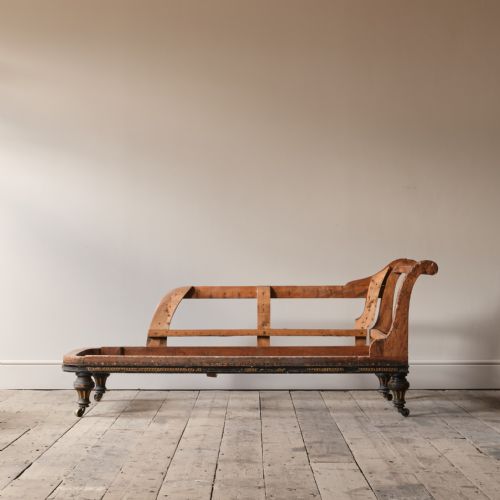
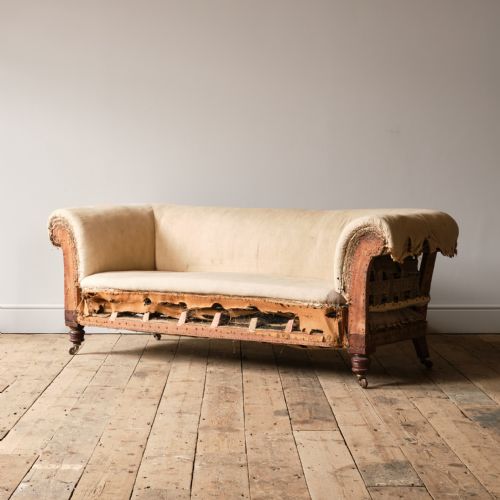
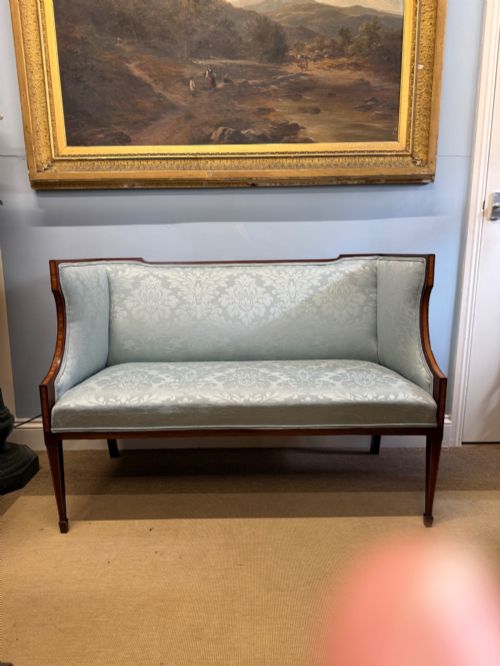
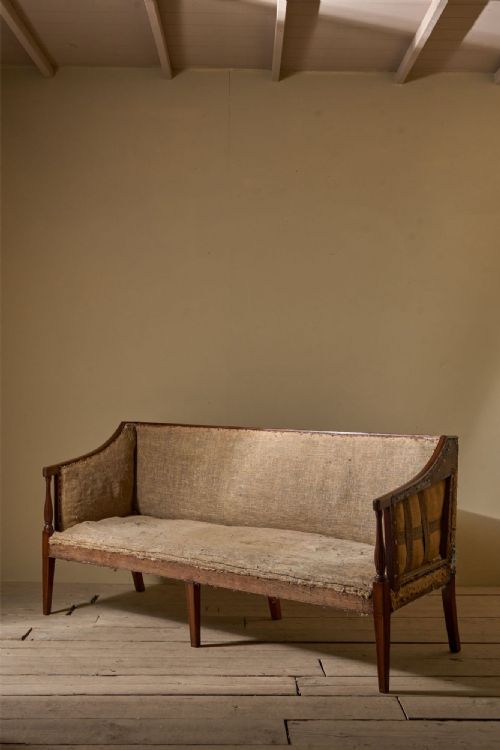
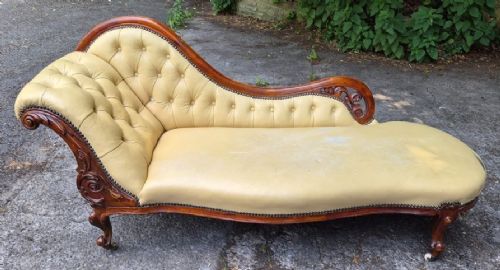
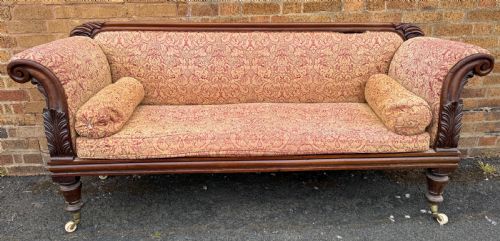
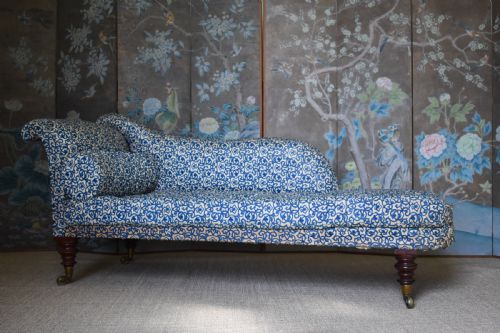
A mahogany frame couch represents seating spanning the eighteenth, nineteenth, and early twentieth centuries, encompassing styles from Georgian elegance to Victorian comfort. When exploring a mahogany frame couch, buyers encounter various forms including scroll-end settees, chaise longues, and camelback sofas.
How they were made
Cabinet makers utilised dense imported mahogany for structural frames, often carving intricate details such as scroll ends, cabriole legs, or barley twist supports directly into the timber. Satinwood inlay occasionally supplements the primary mahogany structure on later pieces.
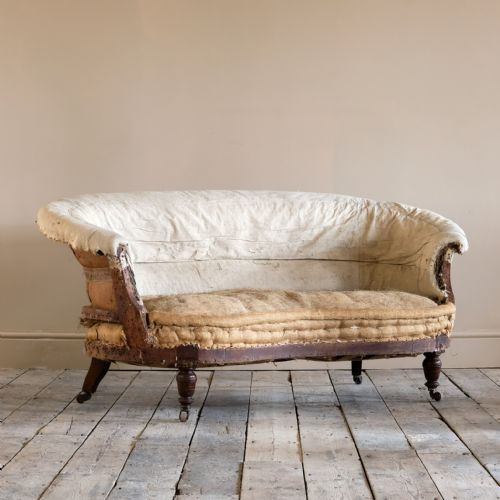
Traditional upholstery techniques underpin the comfort of these seats, employing hessian, webbing, and stuffing beneath top layers of velvet, leather, calico, or modern upholstery fabric. Brass castors frequently support the legs of heavier nineteenth-century examples.
Listings span multiple eras including George III, Regency, Victorian, and Edwardian periods, utilising primary materials such as mahogany, leather, velvet, and brass.
What varies in quality
The calibre of timber carving and the crispness of moulded details distinguish superior examples from standard production. Well-executed scrollwork and balanced proportions indicate skilled cabinet work.
Integrity of the show frame and the original joinery dictate longevity. Pieces retaining uncompromised timber structures and substantial mahogany sections command greater appreciation.
Holland and Sons·Hampton and Sons·Howard and Sons
The Mahogany Frame Couch Glossary
- Scroll end
- A decorative sweeping terminal on the arm or back of a sofa, frequently seen on Regency and William IV pieces. This flourish curves outward to provide arm support.
- Camelback
- A serpentine sofa back profile rising in a gentle curve resembling a camel's hump. This contour originated in eighteenth-century designs.
- Show frame
- A wooden structural framework left visible around the upholstered elements of a seat. This design highlights the polished mahogany timber.
- Chaise longue
- An elongated upholstered seat intended for reclining, combining a chair with an extended footrest. These pieces often feature a single raised end.
- Barley twist
- A carved wooden furniture leg or support resembling a spiralling rope. This turning technique appears on Victorian frames.
Mahogany Frame Couch: Frequently Asked Questions
How do I identify a Regency sofa?
Regency sofas typically display classical restraint, often incorporating scroll ends, sabre legs, and dense mahogany timbers dating from the early nineteenth century.
They frequently draw inspiration from classical Greek and Roman forms, prioritising clean lines and architectural presence over heavy carving.
Are these couches comfortable for daily use?
Many nineteenth-century frames offer deep seating and sturdy construction suitable for regular relaxation, though internal webbing may require renewal.
Buyers often assess the depth and spring platform to determine daily suitability for modern living spaces.
What is a show frame settee?
A show frame settee exposes polished mahogany timber around the upholstered portions rather than concealing the entire structure beneath fabric.
This design showcases the cabinet maker's joinery and carving skills on the arms and crest rails.
How do I care for antique mahogany?
Maintaining mahogany requires consistent dusting with a soft cloth and occasional application of appropriate wax to nourish the polished timber grain.
Placing pieces away from direct sunlight and heat sources prevents the wood from drying out and preserves the finish.