





Mahogany Fireplace Accessories
Mahogany fireplace accessories are the timber vessels, stands and tools that bring warmth and grain to the hearth, spanning the Georgian, Regency and Victorian eras.
Mahogany Fireplace Accessories
Mahogany fireplace accessories encompass a distinct group of timber hearth furniture and implements originating from the Georgian, Regency and Victorian periods. When you search for mahogany fireplace accessories, you encounter functional items built to handle fuel, ash and heat while displaying rich cabinet timbers by the fireplace.
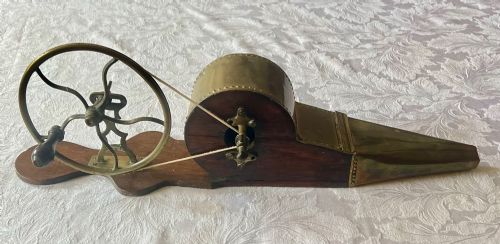
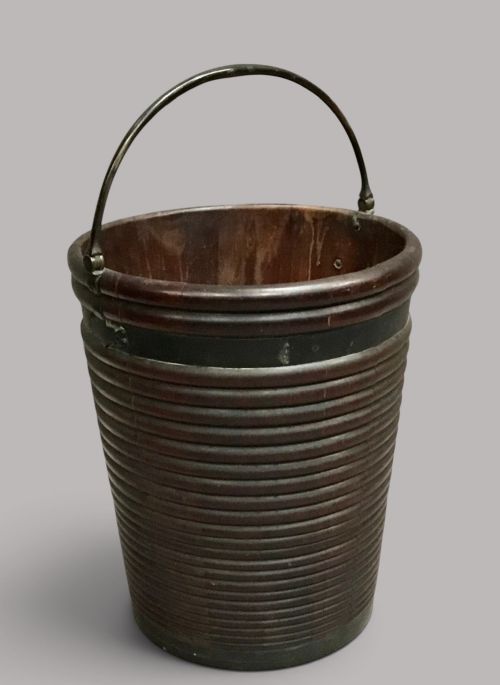
The objects listed on this page range from peat buckets and coal scuttles fitted with original liners to cat stands, trivets, spill holders and mechanical bellows. Peat buckets and coal scuttles dominate the forms, frequently combining dense hardwood staves with brass bands and swing handles.
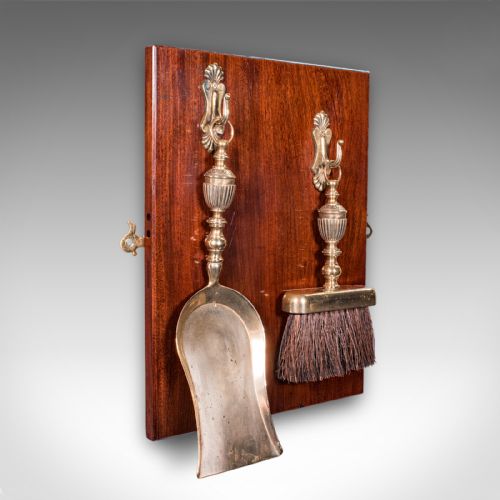
Smaller utensils and maintenance pieces such as fireside sets, poker work fire screens and turned taper holders also appear across these centuries. Each piece reflects the domestic priorities of its period, translating utilitarian fireside tasks into opportunities for fine cabinet-making in mahogany, rosewood, oak and hardwood.
How They Were Made
The construction of these hearth pieces relies upon traditional joinery and coopering techniques applied to dense hardwoods. Peat buckets and coal scuttles are formed from shaped mahogany staves secured by heavy brass bands, often incorporating turned feet and strong swing handles.
Details such as brass mounts, leather accents and turned wooden shafts require precise hand-tooling by period craftsmen. Items like the mechanical bellows and spill holders demonstrate fine turning and assembly, integrating iron and brass mechanics directly into the hardwood body.
Mahogany Fireplace Accessories Retail Price Guide 2026
Typical asking prices for mahogany fireplace accessories among the pieces listed under this phrase on Sellingantiques today, from the lower quarter to the upper quarter. They describe what is for sale here now, not the wider market.
Historic cat stands earned their domestic name because they crouched quietly by the hearth on three legs like a resting feline.
What Varies in Quality
Quality in these hearth pieces rests upon the selection of timber and the integrity of the original components, such as metal liners and shovels. Pieces retaining their untouched surface patination and original brass hardware command greater appreciation than those with altered elements.
The refinement of the turning, the weight of the brass banding and the subtlety of ribbed or staved forms distinguish superior cabinet work from utilitarian items. The presence of period-correct additions, like matched shovels and liners, completes the standard of survival for these objects.
The Mahogany Fireplace Accessories Glossary
- Peat bucket
- A deep cylindrical or ribbed vessel used for holding turf or peat fuel beside the hearth. These containers typically feature brass swing handles and stave construction.
- Cat stand
- A small wooden table or dish stand designed to sit near the fire to warm plates or food. They often utilise turned mahogany or hardwood shafts.
- Spill holder
- A small vertical receptacle made for storing tapered tapers or wooden spills used to light fires. These turned wooden holders sit upon the mantelpiece or hearth.
- Mechanical bellows
- An air-pumping device constructed with wooden sides and leather folds to revive a fading hearth fire. Hardwood panels provide the structural leverage for operation.
- Coal scuttle
- A container built to transport and store coal for the fireplace, frequently fitted with a metal interior liner. Victorian and later examples often include a matching coal shovel.
Mahogany Fireplace Accessories: Frequently Asked Questions
How were peat buckets used?
Peat buckets sat beside the fireplace to hold dried turf or peat used as domestic fuel in Irish and British homes.
Their sturdy stave construction and brass swing handles allowed servants to transport fuel cleanly from storage areas to the hearth.
How do I date a mahogany coal scuttle?
Dating relies upon examining the timber grain, the style of the brass bands and the construction of the interior liner.
Georgian and Regency pieces tend to feature coopered staves and heavy brass mounts, while Victorian examples often incorporate stamped metal components and turned wooden bodies.
Can these items still be used by a fireplace?
While many pieces retain their original function, their status as antique woodwork often suggests careful placement as decorative room elements.
Historic liners and dried timber respond best to stable indoor environments rather than active daily exposure to high heat and moisture.