

Mahogany Display Chest
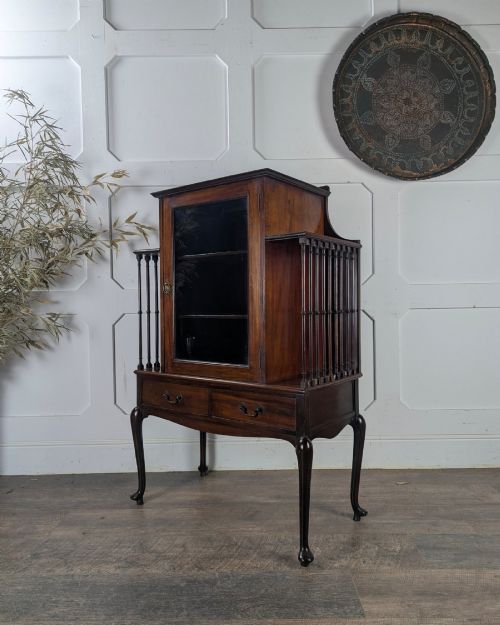
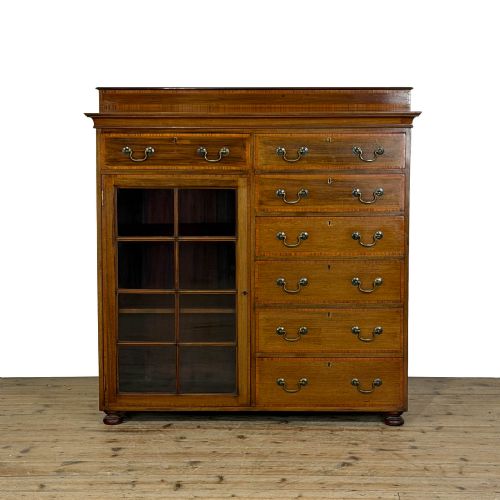
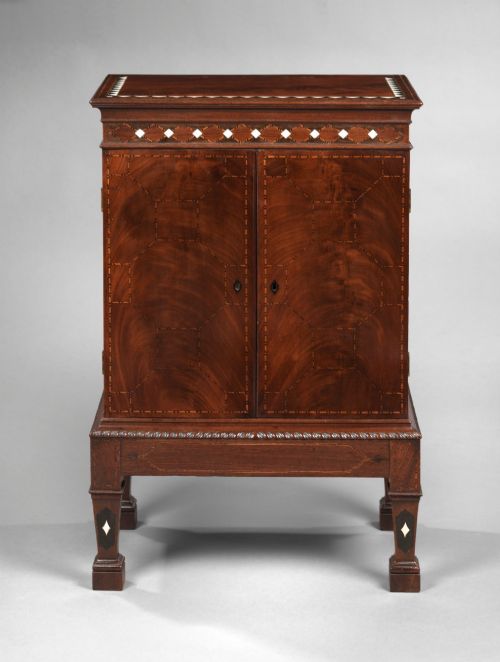
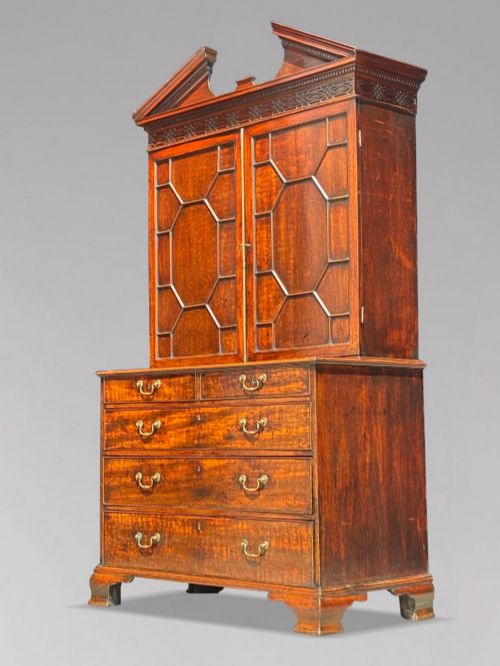
Mahogany display chest forms combine timber and glass to exhibit prized possessions, spanning Georgian elegance through Edwardian craftsmanship.
Mahogany Display Chest
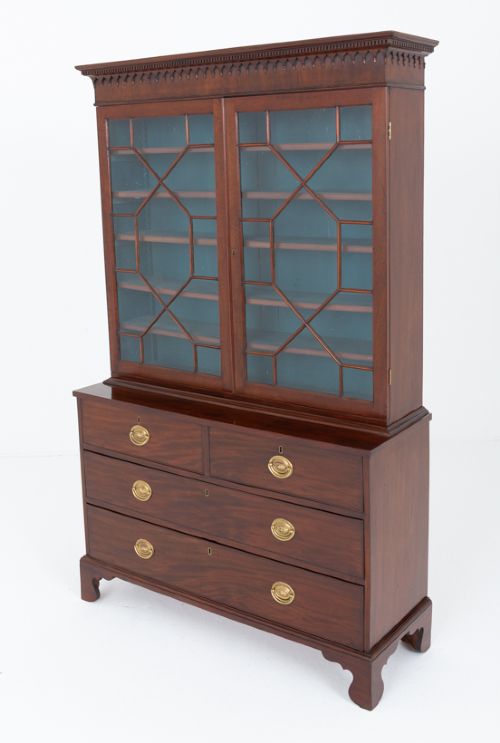
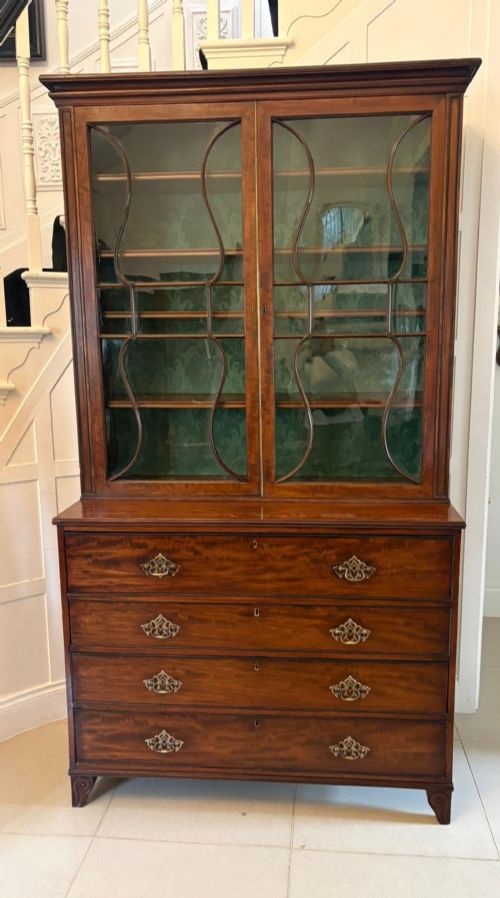
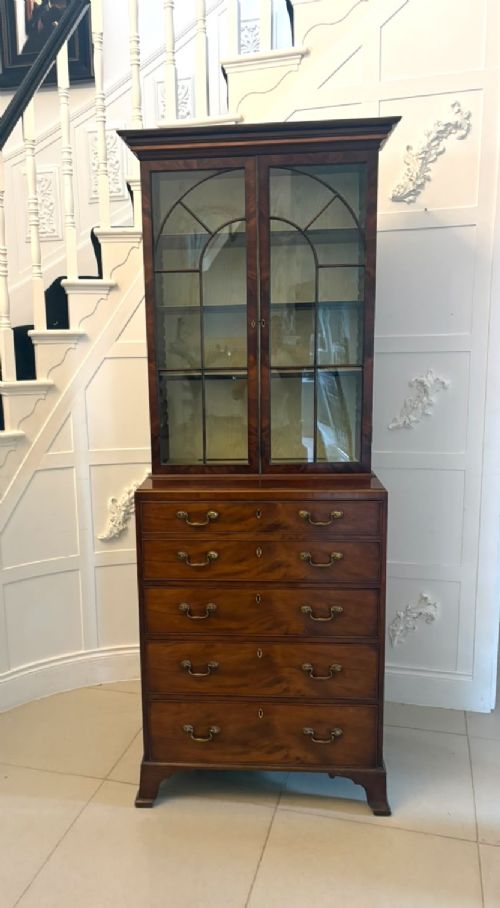
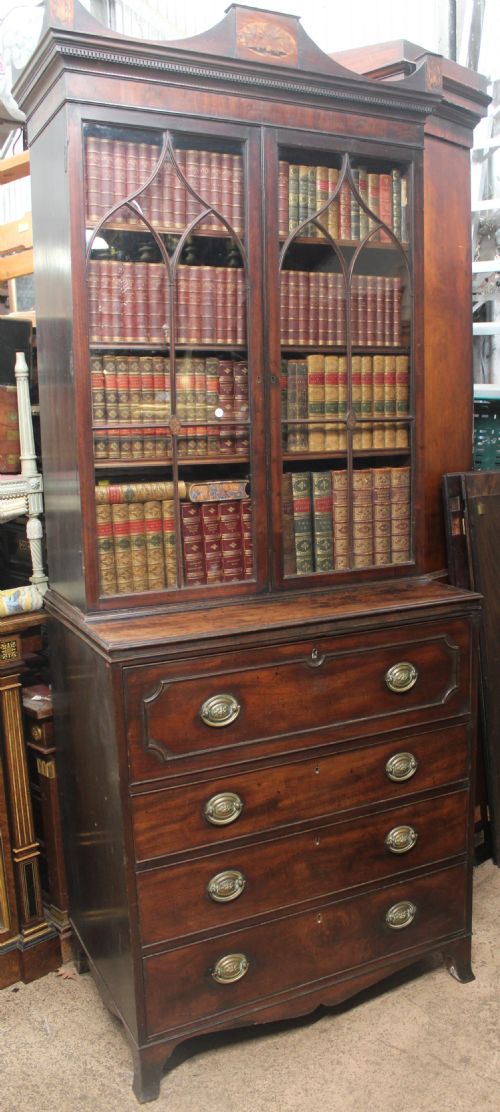
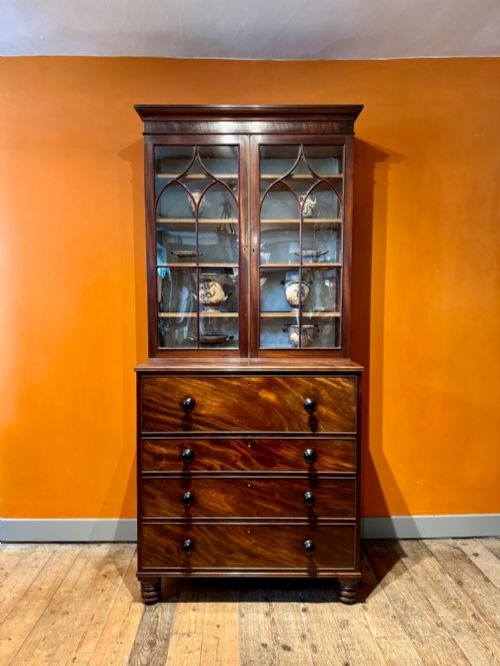
A mahogany display chest serves to store and exhibit items, bringing together utility and presentation. When searching for a mahogany display chest, buyers encounter a variety of forms including bookcases on chests, collector cabinets, and secretaire bookcases.
The pieces on this page originate from periods spanning the 18th century through the Edwardian era and the 1920s. Georgian and Regency examples sit alongside Victorian and Edwardian iterations, reflecting shifts in domestic storage and display requirements.
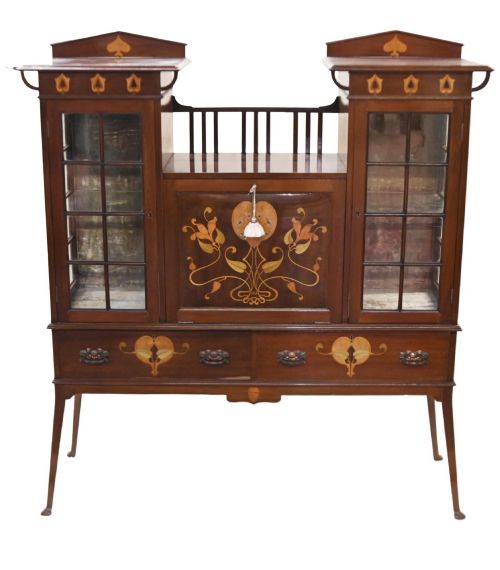
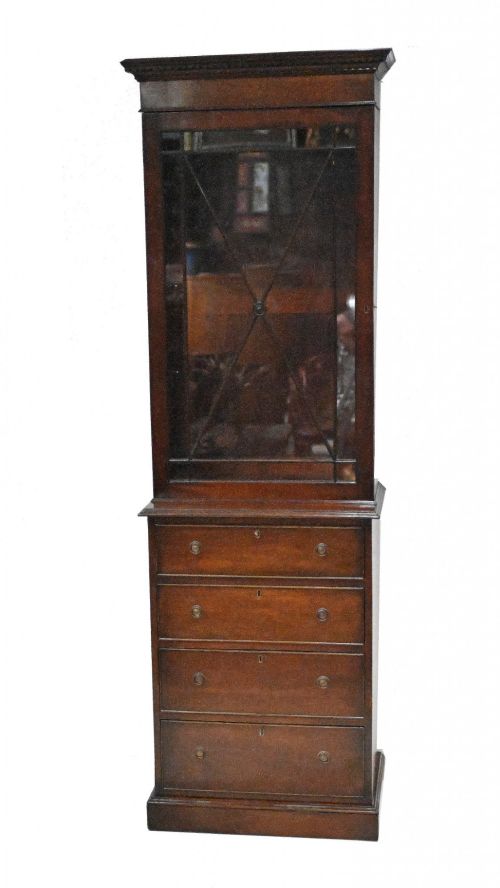
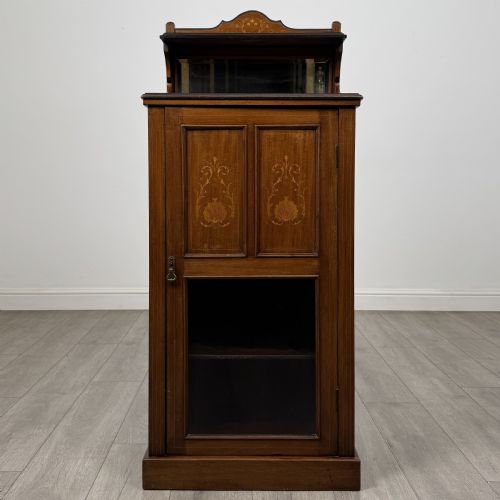
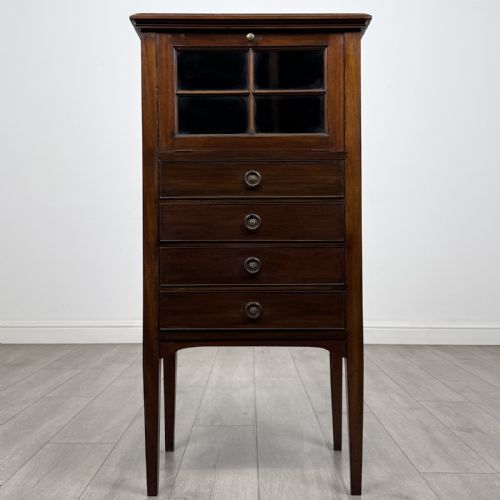
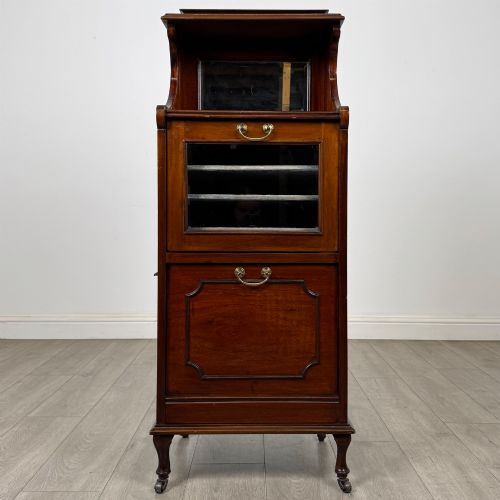
Forms range from large library bookcases with glazed doors to compact music cabinets and multi-drawer specimen chests. Many incorporate fitted interiors, drop-front writing desks, and mirrored tops designed to showcase contents effectively.
What varies in quality
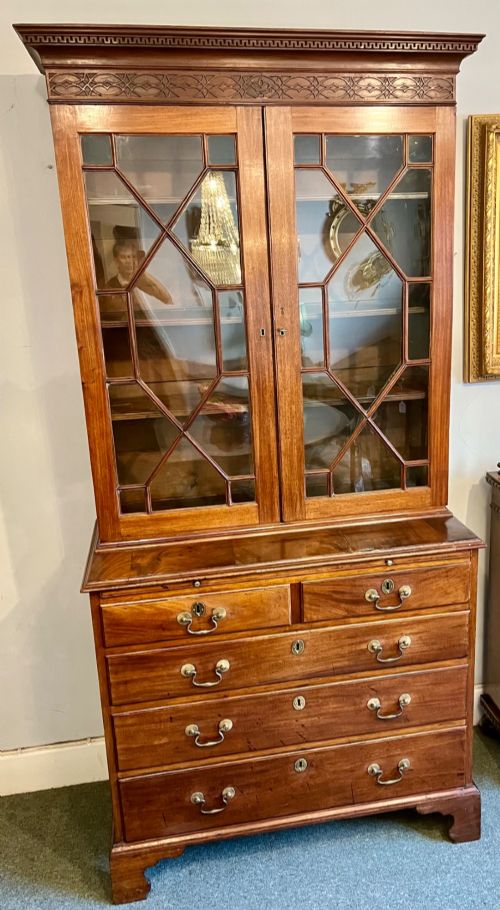
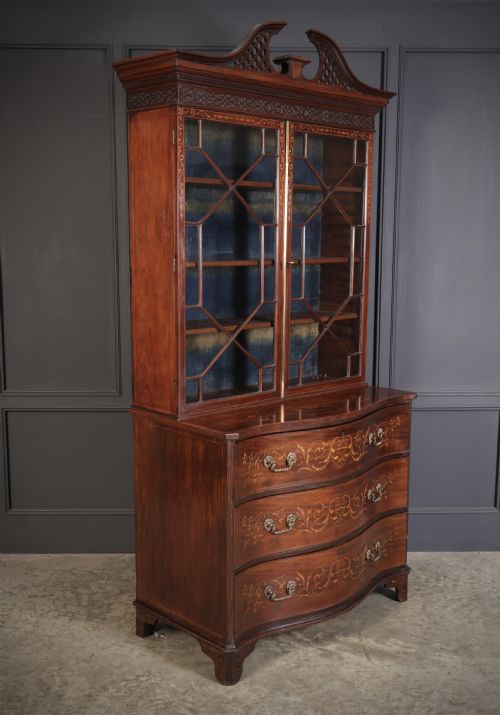
The selection of timber dictates much of the visual impact, with highly figured mahogany and intricate marquetry separating standard examples from exceptional ones. The crispness of carved details, such as astragal glazing bars and bracket feet, reflects the skill of the maker.
Internal complexity also defines the tier of a piece, from simple shelving to elaborate fitted secretaire drawers with pigeonholes and hidden compartments. The survival of original glass, brass handles, and matching locks influences the integrity of the piece.
Mahogany Display Chest Retail Price Guide 2026
Typical asking prices for mahogany display chest among the pieces listed under this phrase on Sellingantiques today, from the lower quarter to the upper quarter. They describe what is for sale here now, not the wider market.
Listings include pieces from the Georgian, Regency, Victorian, and Edwardian periods, constructed primarily in mahogany with glass, brass, and marquetry.
Thomas Chippendale·Gillows·Chadwick·Ermen and Roby
The Mahogany Display Chest Glossary
- Secretaire
- A cabinet or chest incorporating a pull-down writing drawer with a fitted interior of small drawers and pigeonholes. This dual-purpose design allowed writing materials to be concealed behind a drawer front.
- Astragal
- A moulding used to hold panes of glass within a sash door. Fine astragal bars divide glazed bookcase doors into distinct geometric lights.
- Specimen cabinet
- A chest fitted with numerous shallow drawers designed for organising natural history collections, coins, or medals. These pieces feature internal divisions and dust-proof drawer construction.
- Marquetry
- Decorative veneer work formed by fitting pieces of coloured wood, fruitwood, and satinwood into a design. This technique embellishes the flat surfaces of drawer fronts and cabinet doors.
- Gallery
- A raised raised border or railing along the top of a small cabinet or sideboard. It prevents objects placed on top from sliding off.
Mahogany Display Chest: Frequently Asked Questions
What is a secretaire bookcase?
A secretaire bookcase combines a tall display section with a pull-down desk drawer concealing small compartments. Below this writing section, standard storage drawers or cabinet doors complete the structure.
These pieces served as multi-functional furniture for writing and book storage in domestic libraries and parlours during the Georgian and Regency periods.
How do I identify a Georgian bookcase?
Georgian bookcases typically feature proportions based on classical architecture, with substantial crown moulding and astragal glazed doors. Timber choice often runs to dark, dense mahogany with minimal external decoration beyond fine veneer selection.
Interior construction reveals hand-cut dovetails and solid timber secondary woods, distinguishing them from later 19th-century mass-produced alternatives.
What are collector cabinets used for?
Collector cabinets contain rows of shallow drawers intended for housing natural specimens, shells, or small artefacts. The internal layout prioritises organisation and protection from dust.
Living with these pieces involves using the small drawers for specialised storage while displaying larger items on top surfaces or within glazed upper sections.
How do Edwardian display cabinets differ?
Edwardian display cabinets tend to exhibit lighter proportions and greater decorative variety influenced by Art Nouveau and revived historical styles. They frequently incorporate satinwood inlay, mirrored backs, and raised galleries.
These cabinets were built for lighter domestic settings, focusing more on the display of decorative ceramics and glassware than heavy library collections.