
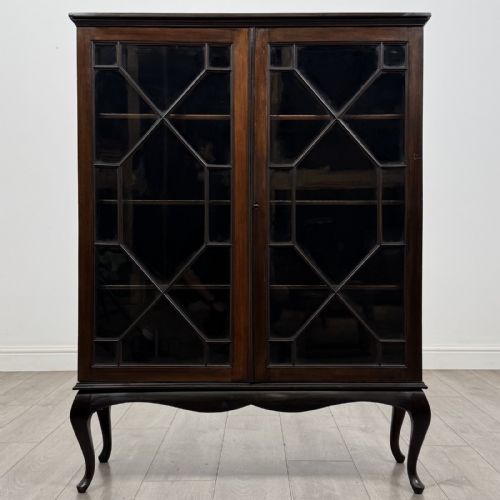
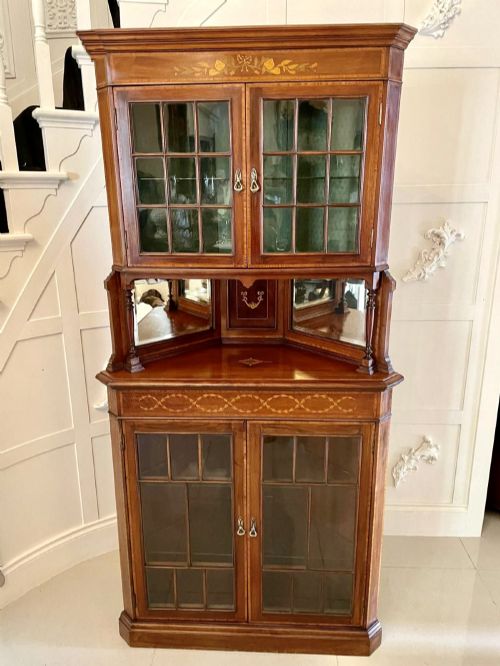
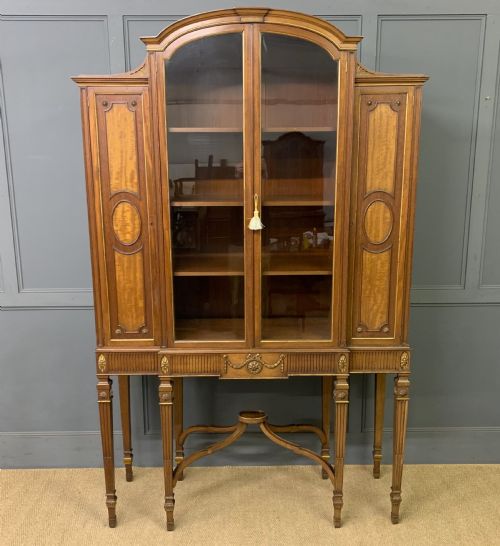
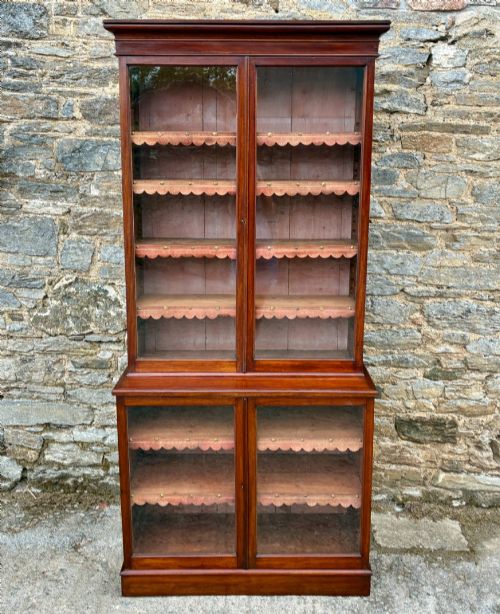
Mahogany China Display Cupboard
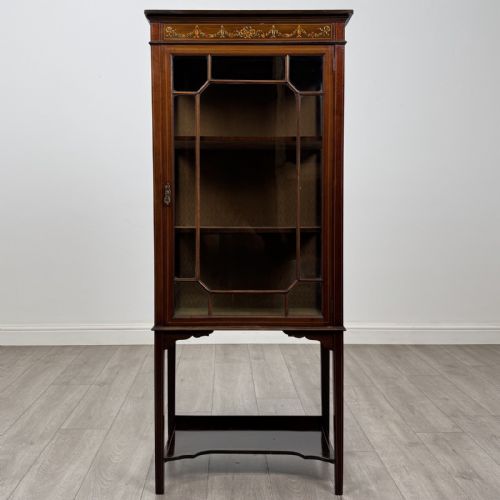
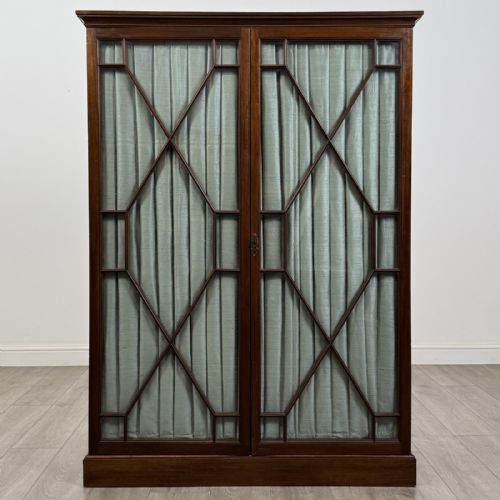
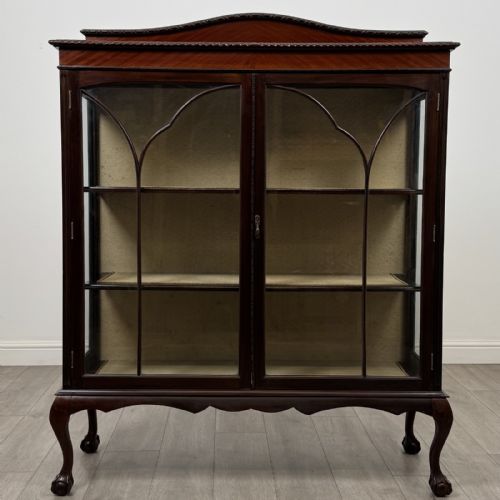
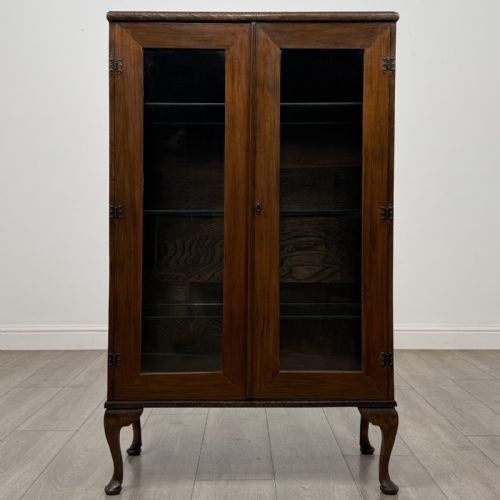
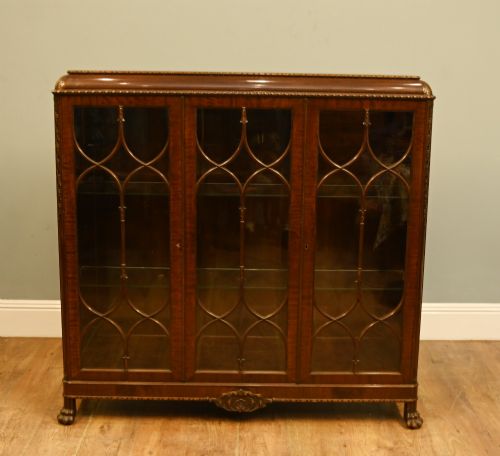
A mahogany china display cupboard brings ordered elegance to a room, framing prized porcelain behind clear glass panes with the deep warmth of polished timber.
Mahogany China Display Cupboard
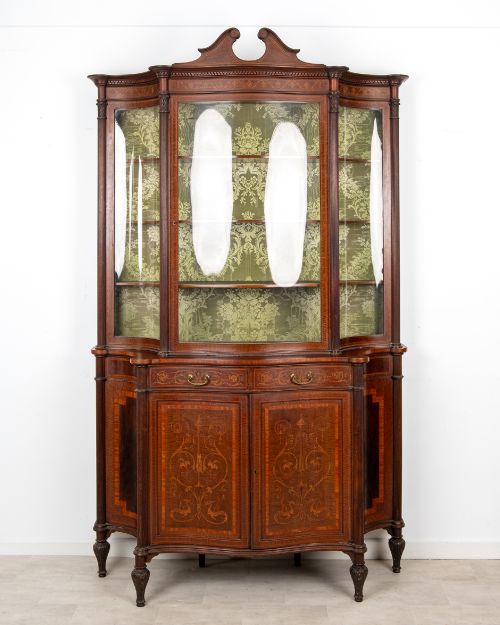
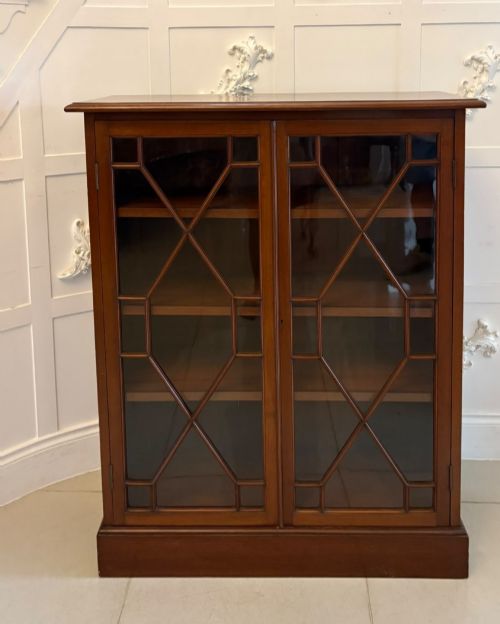
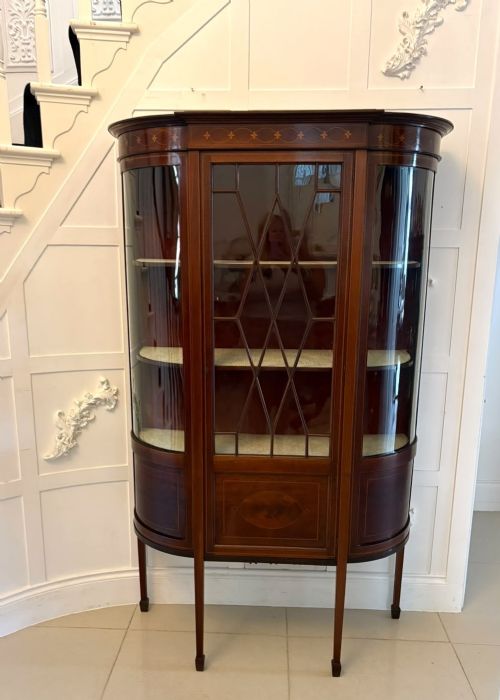
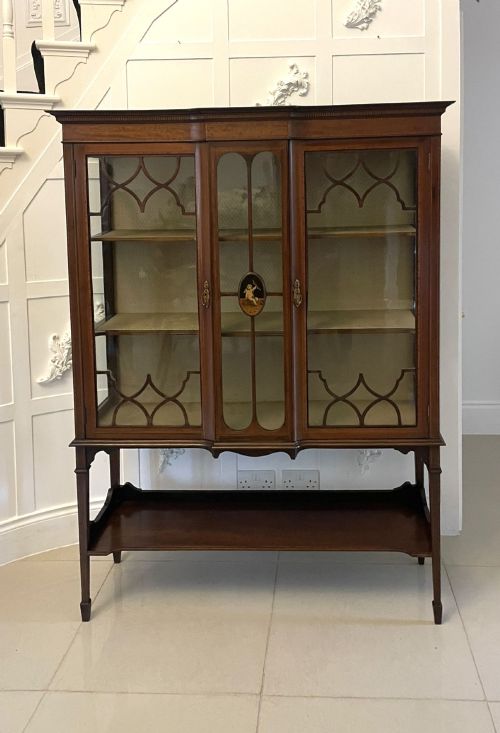
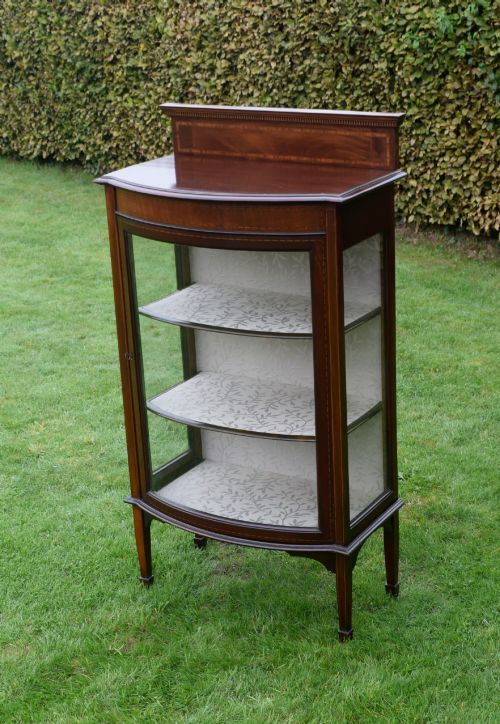
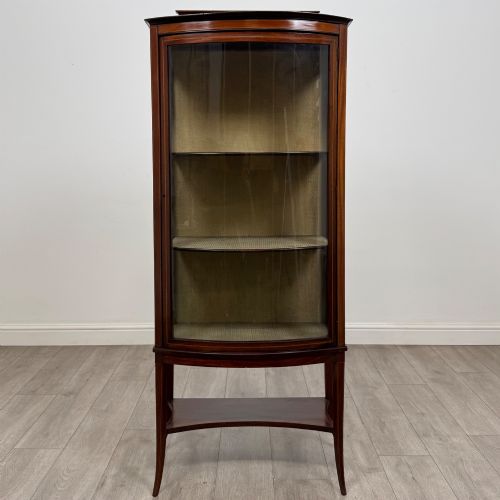
A mahogany china display cupboard gathers together various forms designed to showcase ceramics and books, ranging from tall upright bookcases to corner cabinets and low side pieces. The pieces appearing here predominantly span the Victorian and Edwardian eras, alongside select items from the Georgian period.
Makers and cabinetmakers of the nineteenth and early twentieth centuries built these display pieces primarily as floor-standing furniture, often combining glazed upper doors with lower cupboards or drawers. Buyers encounter both upright upright cabinets and specialised corner shapes meant to fit domestic interiors economically.
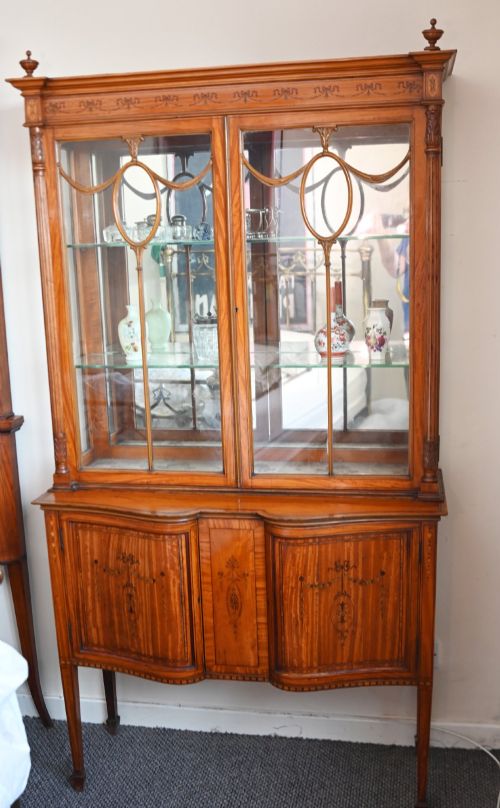
The styles represented stretch from straightforward traditional builds to revival designs like Sheraton Revival, Chippendale Revival, and Chinese Chippendale. Art Nouveau and inlaid satinwood examples also surface among the Edwardian selection, offering lighter decorative schemes.
Materials and construction methods
Cabinetmakers constructed these display pieces using solid mahogany and mahogany veneers over secondary timbers, frequently applying satinwood inlay, marquetry, and brass fittings to enrich the exterior surfaces. Glass panels are held by delicate timber glazing bars, while some variations incorporate mirrored backs to reflect light through the displayed objects.
Structural execution relies on traditional joinery methods suited to large bookcases and glazed cabinets. Hand-carved details and painted decorations appear on select pieces from the Victorian and Edwardian periods, demonstrating the range of workshop skills employed.
Listings span the Georgian, Victorian, and Edwardian periods, utilising mahogany alongside glass, brass, satinwood, and mirrored panels.
Distinctions in quality
Quality in these glazed cabinets rests on the selection of timber figure, the crispness of any carved ornamentation, and the finesse of the inlay work. Pieces featuring intricate satinwood marquetry, original painted decoration, or sophisticated astragal glazing demonstrate higher levels of workshop attention.
The structural integrity of the doors and the clarity of the glass panes further separate standard utility pieces from exceptional examples. Cabinetmakers who achieved balanced proportions and refined proportions in revival styles produced items that command greater interest today.
Jas Shoolbred·Edwards & Roberts
The Mahogany China Display Cupboard Glossary
- Astragal glazed
- Timber glazing bars dividing a glass window into smaller panes. These delicate wooden strips provide structural support while framing the contents.
- Marquetry
- Decorative veneer patterns assembled from various coloured woods to form pictorial or geometric designs. This technique embellishes the surface of Edwardian and Victorian cabinets.
- Sheraton Revival
- A late nineteenth and early twentieth century design movement inspired by late eighteenth century neoclassical furniture. It favors satinwood inlay, slender forms, and graceful proportions.
- Corner cabinet
- A specialised storage piece built with an angled footprint to fit neatly into the corner of a room. These serve to utilise domestic space efficiently.
- Satinwood inlay
- Contrasting pale exotic wood inserted into recesses cut into darker mahogany surfaces. It creates decorative borders and motifs across drawer fronts and cornices.
Mahogany China Display Cupboard: Frequently Asked Questions
How do I date a mahogany display cabinet?
Dating relies on observing stylistic markers, timber characteristics, and construction techniques specific to periods like the Georgian era or later Victorian and Edwardian decades. Inlaid satinwood and lighter frames often point toward the twentieth century, whereas heavier carved details align with the nineteenth century.
Examining the interior linings, backboards, and handles provides additional clues. Original glass and undisturbed brass hardware support an authentic period attribution.
Where should I place a corner cabinet?
A corner cabinet fits into unused room junctions, making it practical for smaller spaces where a flat wall unit would dominate. They effectively draw the eye upward and utilise angles efficiently.
Ensure the floor is level so the doors hang true and the glazed panels do not bind in their frames. Positioning them away from direct sunlight protects both the timber finish and the displayed contents.
What is the difference between a bookcase and a display cabinet?
Bookcases traditionally emphasise open or glazed shelving intended primarily for holding books, while display cabinets focus on exhibiting ceramics and decorative objects through glass doors. Many surviving examples bridge both categories, featuring adjustable shelving behind glazed fronts.
Some pieces incorporate enclosed lower cupboards for supplementary storage alongside the upper display area. This dual function made them staples in period drawing rooms and libraries.
How do I care for mahogany and glass furniture?
Maintain the timber by dusting regularly with a soft, dry cloth and applying appropriate wax polish sparingly to preserve the finish. Avoid commercial silicone sprays that can penetrate the grain and damage older polished surfaces.
Clean the glass panes with a mild solution applied to a cloth rather than sprayed directly, preventing moisture from reaching the timber or antique glazing putty. Keeping the furniture in stable humidity conditions prevents the wood from warping.