
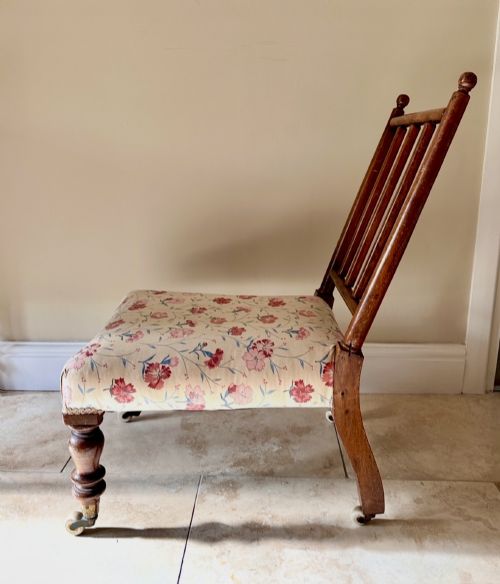
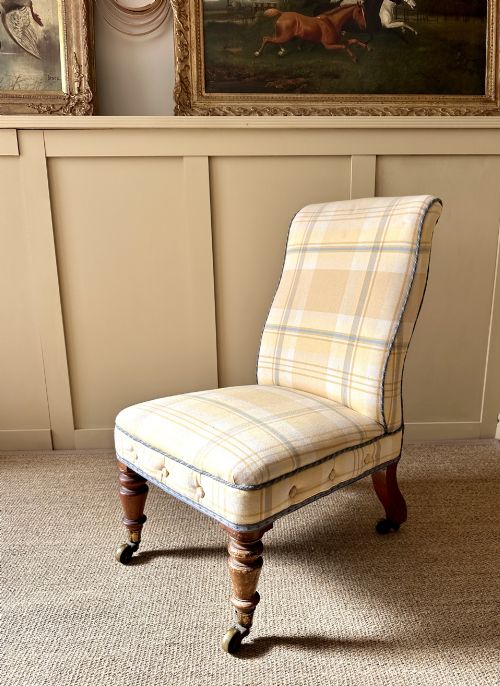
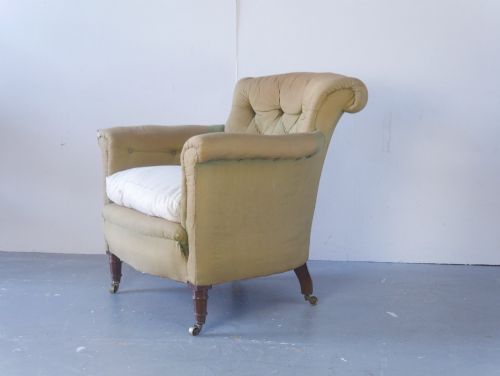
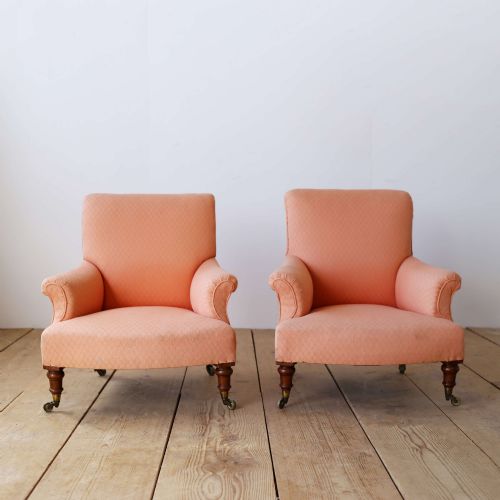
Mahogany Castors Chair
Mahogany castors chair selections bring sturdy timber frames and rolling brass feet together for easy movement across the floor.
Mahogany Castors Chair
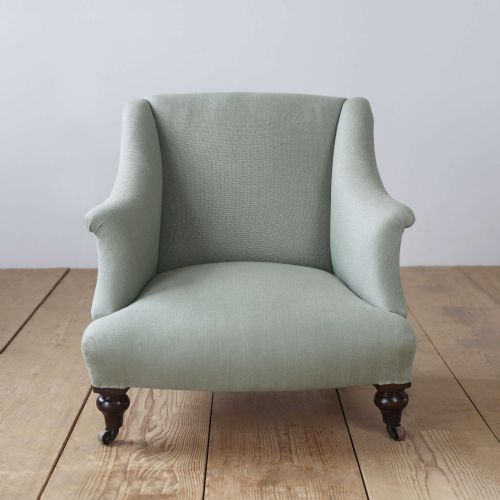
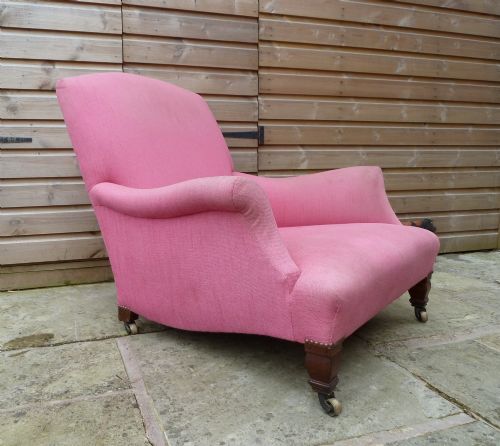
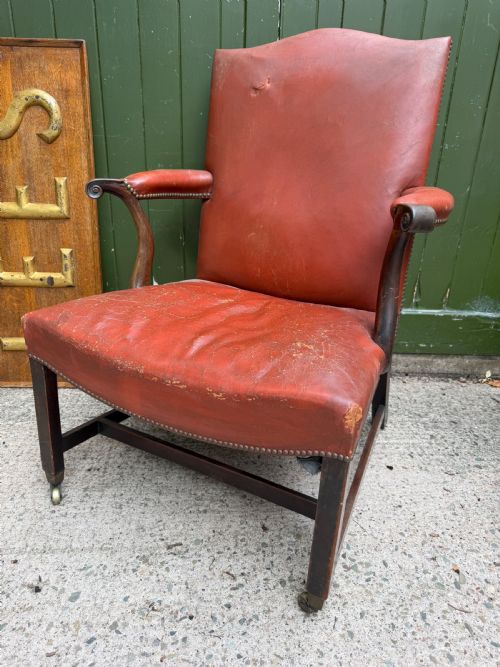
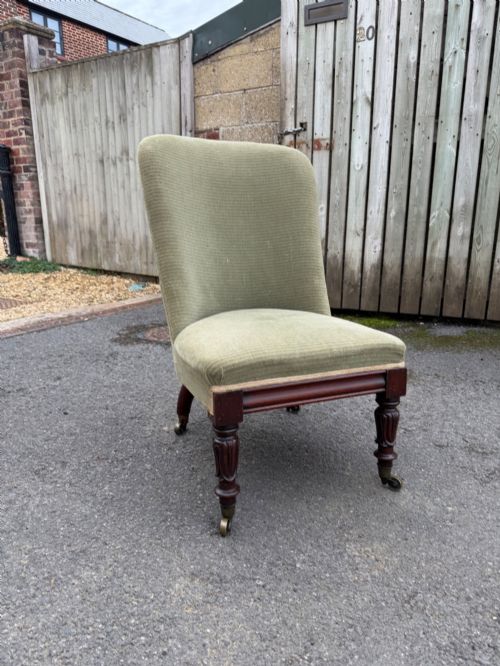
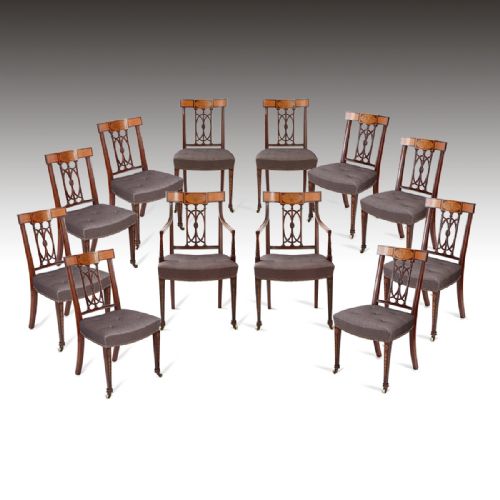
A mahogany castors chair combines rich timber frames with rolling supports to let the sitter move freely across a room. These seats appear in forms ranging from low parlour seats to deep library armchairs.
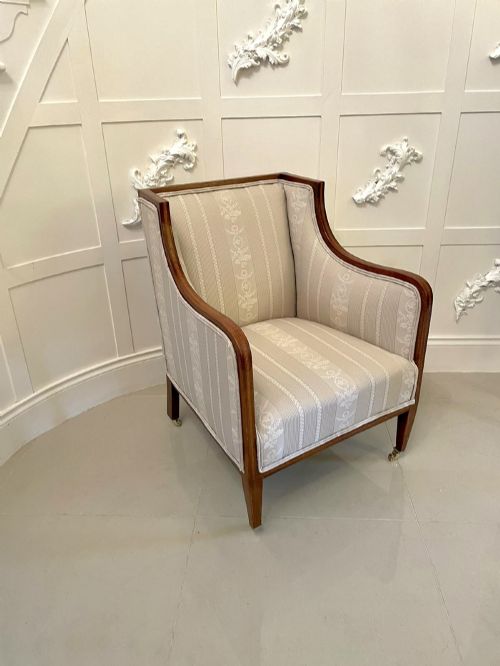
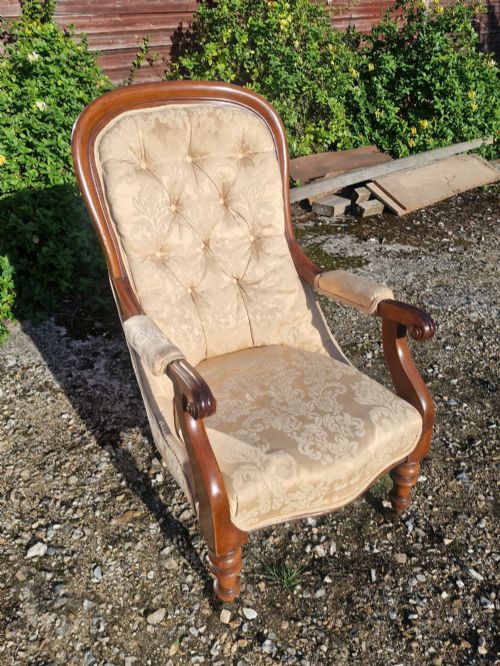
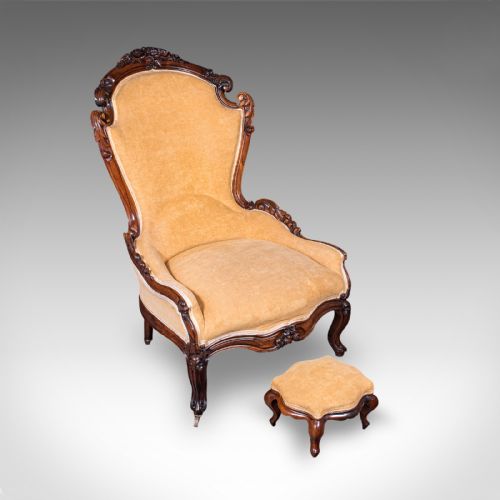
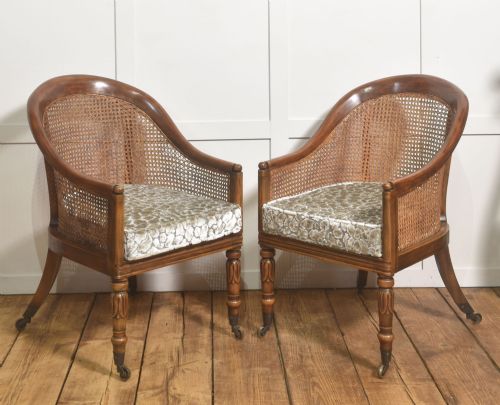
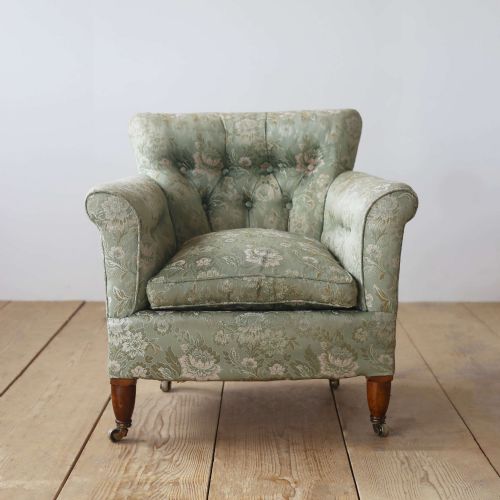
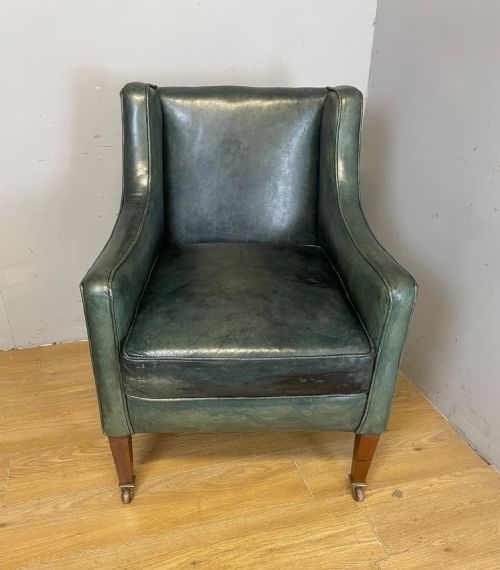
Most examples found here date from the 19th Century, spanning Regency, Victorian, and Edwardian periods. Buyers encounter various styles including buttoned leather desk seats, cane tub chairs, and low nursing seats.
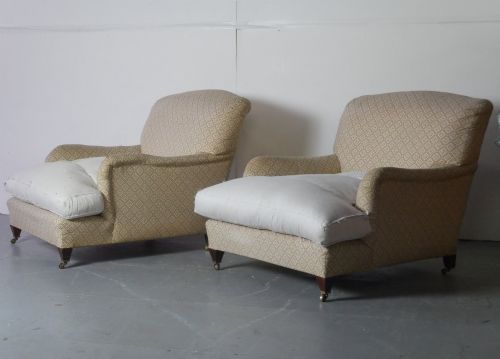
Country house armchairs and formal library seating dominate the selection. Each piece relies on the weight of mahogany to ground the design while castors provide mobility.
Materials and construction
Makers built the primary frames from solid mahogany, utilising its density for strong joints and carved supports. Brass fittings secured to the base house small wheels that touch the floor.
Upholstery methods varied from cane weaving to deep buttoning over fabric, hessian, and calico layers. Leather and velvet frequently cover the padding on library and desk models.
Listings span the 19th Century, Regency, Victorian, and Edwardian periods, utilising mahogany, brass, leather, velvet, and cane.
Distinctions in craftsmanship
The fineness of the timber framing and the proportion of the arms dictate the standard of the piece. Crisp joinery and well-turned legs separate standard seating from workshops known for high-grade output.
Original brass castors and intact internal webbing hold more weight with collectors than replaced underpinnings. The execution of buttoning and the choice of leather or fabric finish the evaluation.
Charles Hindley and Sons·Whytock and Reid·Howard and Sons·Morris and Co·Gillows·Morison and Co·Holland and Sons
The Mahogany Castors Chair Glossary
- Castor
- A small wheel fixed to the foot of a piece of furniture to allow easy rolling across carpets or floorboards. They appear in brass and wood.
- Bergère
- An enclosed upholstered armchair with wooden framing and cane sides or back panels. This French-inspired form gained popularity during the Regency period.
- Slipper chair
- A low-seated bedroom chair designed without arms to make dressing easier. They often feature castors to move close to hearths.
- Button back
- An upholstery technique where indentations are formed by pulling stitches deep into the padding. Secured tufts create a patterned, cushioned surface.
- Tub chair
- A rounded armchair where the back and arms form a single continuous curved rail. Caned or upholstered versions appear frequently.
Mahogany Castors Chair: Frequently Asked Questions
How do I identify a Regency period chair?
Regency chairs display classical influences with clean lines, reeded legs, and sometimes brass inlay or cane panels. They lean towards architectural restraint rather than heavy Victorian carving.
Check the timber grain and the style of the brass castors to confirm the period.
What is a library armchair used for?
A library armchair provided comfortable seating for reading and writing in large houses. They usually feature upholstered arms and deep seats designed for long hours.
Their sturdy mahogany frames allow them to withstand daily use.
How do I care for mahogany timber?
Dust the wood regularly with a soft cloth and avoid placing the chair in direct sunlight. Natural wax helps maintain the lustre of the mahogany surface.
Keep the seating away from direct heat sources to prevent the wood from drying out.