

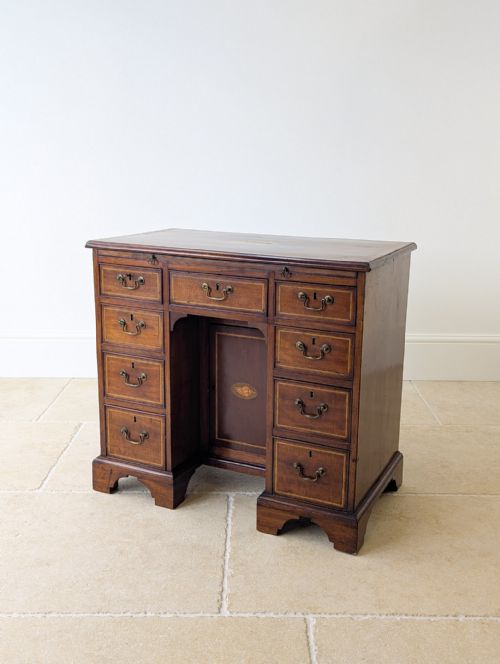


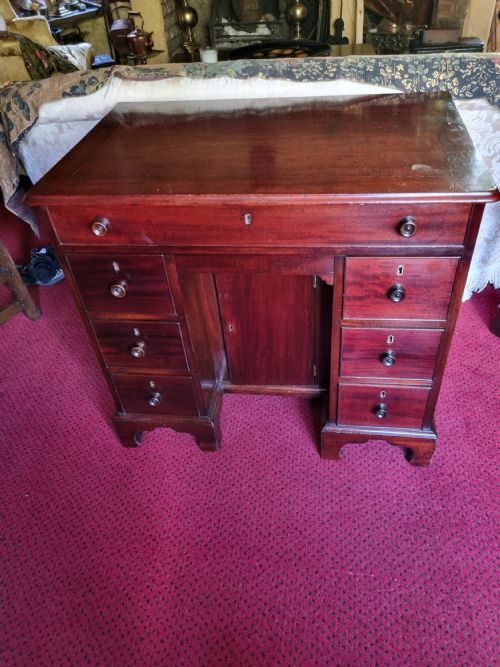

Mahogany Bureau with Cupboards
These mahogany bureau with cupboards pieces offer the substantial storage and private writing surfaces collectors seek for period interiors.
Mahogany Bureau with Cupboards
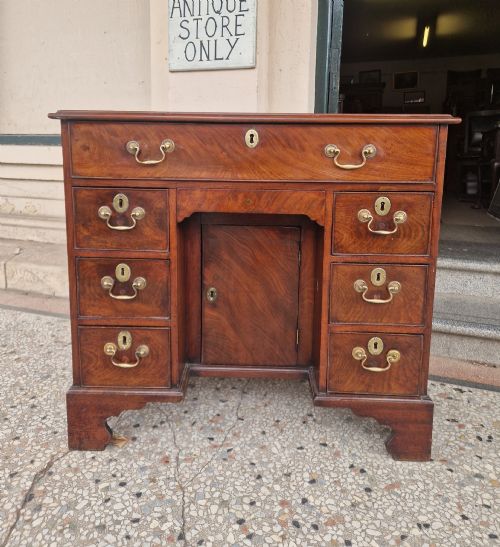
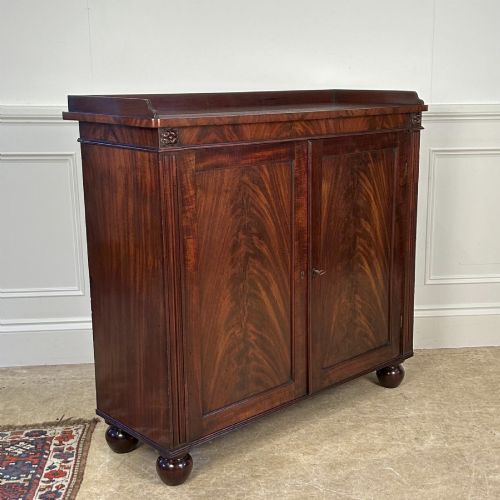
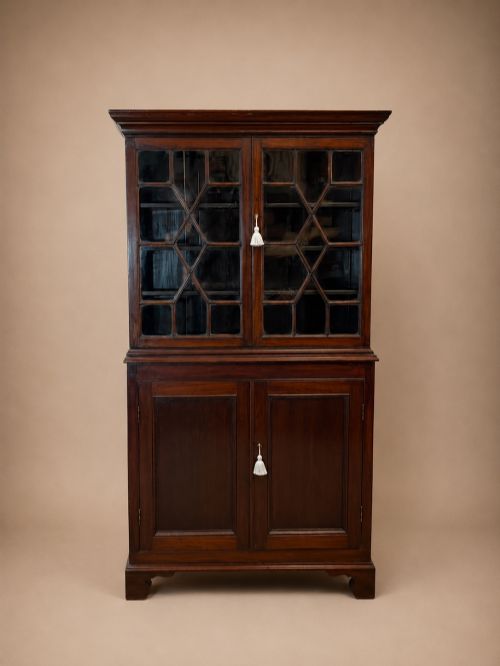
A mahogany bureau with cupboards brings together form and function through items such as desks, display cabinets, secretaire cabinets, and bookcase bureaux. These objects serve as practical writing spaces while incorporating secure storage behind panelled or glazed doors.
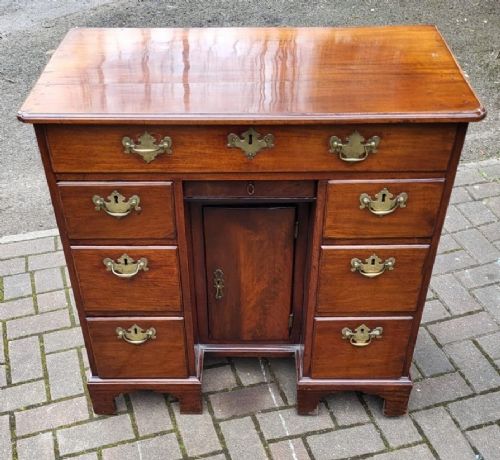
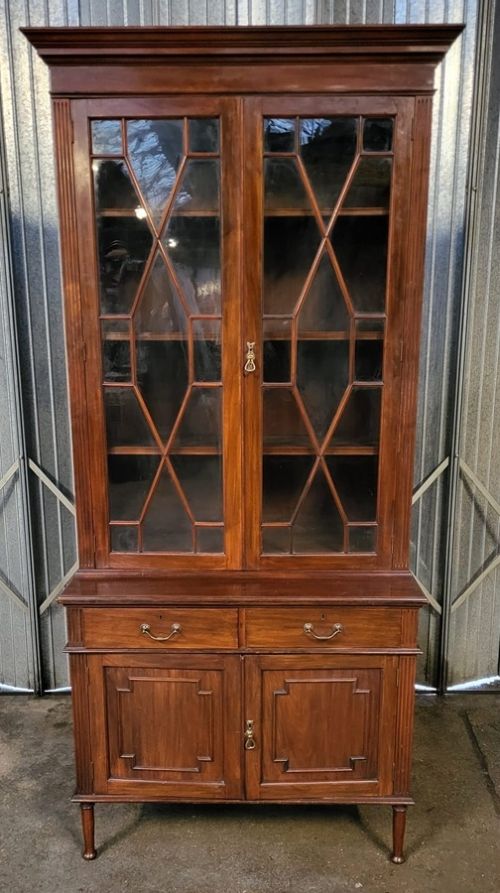
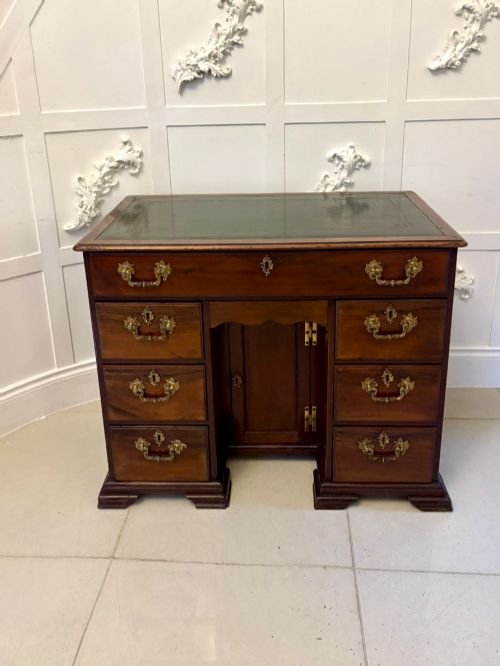
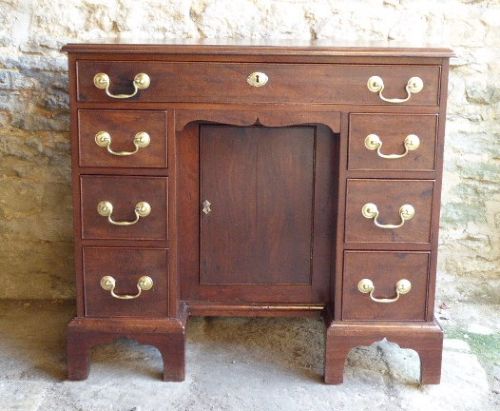
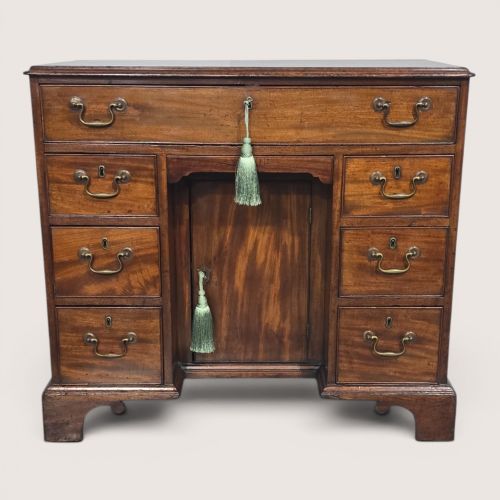
The selections available include pieces originating from the eighteenth century, the Georgian period, and the nineteenth century, including Victorian examples. Buyers encounter formats ranging from compact kneehole desks to tall bureau bookcases.
Georgian and Victorian iterations dominate the current selection, constructed primarily in rich timbers like Cuban mahogany alongside oak and glass. Each piece reflects the domestic requirements of its era, balancing compartmentalised stationery storage with display capacity.
How they were made
Cabinet makers utilised dense timbers such as Cuban mahogany and native oak to construct the carcase and internal fittings of each bureau. Selected curl mahogany veneers provide decorative grain patterns across the primary writing surfaces and drawer fronts.
Metalwork details, notably brass furniture including paw feet and handles, are incorporated to accent the dark timber. Glazed panels appear on upper display sections, while internal compartments rely on precise joinery to form small drawers and pigeonholes.
Mahogany Bureau with Cupboards Retail Price Guide 2026
Typical asking prices for mahogany bureau with cupboards among the pieces listed under this phrase on Sellingantiques today, from the lower quarter to the upper quarter. They describe what is for sale here now, not the wider market.
Several kneehole desks rest upon tiny brass paws, as though the furniture itself might quietly pace across the study floor after dark.
What varies in quality
The choice of timber grain fundamentally distinguishes finer examples, particularly where figured Cuban mahogany or curl mahogany veneers are applied with precision. Superior pieces display thoughtful matching of wood figures across drawer banks and fall fronts.
Construction methods and the refinement of internal fittings separate standard cabinet work from exceptional examples. The delicacy of brass mounts, such as paw feet, and the complexity of internal writing compartments indicate the standing of the original workshop.
The Mahogany Bureau with Cupboards Glossary
- Cuban mahogany
- A dense, heavy timber prized for its rich colour and distinctive grain patterns. Cabinet makers utilised this material extensively in high-status Georgian furniture.
- Kneehole desk
- A compact form of writing table featuring a central recess for the user's legs, flanked by pedestals of small drawers. This layout became popular during the eighteenth century.
- Secretaire
- A piece of furniture containing a drawer or drop-front flap that conceals a writing surface and pigeonholes. It merges the utility of a desk with the storage of a cabinet.
- Bureau bookcase
- A tall furniture form combining a sloping writing desk below with enclosed shelving or display space above. These dual-purpose items served libraries and principal reception rooms.
Mahogany Bureau with Cupboards: Frequently Asked Questions
How do I date a Georgian desk?
Dating a Georgian desk involves examining the timber selection, such as the use of Cuban mahogany, and the style of brass mounts like paw feet. Construction methods within the drawer linings offer further clues to the period.
Pieces from this era often display specific proportioning and joinery techniques characteristic of eighteenth-century workshop practices.
Where should I place a bureau bookcase?
A bureau bookcase suits principal reception rooms, studies, or libraries where its height and presence can be fully appreciated. Adequate clearance is necessary to allow drop-front writing flaps or cabinet doors to open fully.
Placing these items away from direct sunlight and heat sources protects the polished mahogany surfaces and veneered details.
What is the difference between an 18th century desk and a Victorian one?
Eighteenth-century desks typically exhibit lighter proportions and simpler, cleaner lines associated with Georgian design. They frequently employ dense timbers like Cuban mahogany with minimal applied ornamentation.
Victorian examples often incorporate heavier proportions and occasionally combine secondary woods such as oak with mahogany. Their internal fittings reflect the evolving domestic administrative needs of the later nineteenth century.