





Mahogany Bottle Coasters
Mahogany bottle coasters are tactile table accessories designed to protect surfaces while circulating wine, bringing traditional craftsmanship directly to your dining table.
Mahogany Bottle Coasters
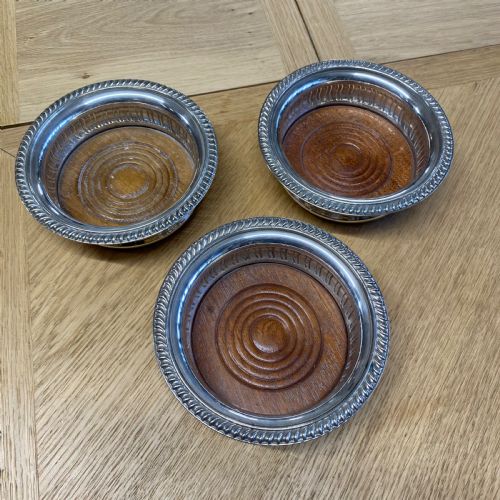
When you search for mahogany bottle coasters, you encounter practical table vessels designed to hold wine bottles and decanters securely during dining. The pieces you are most likely to meet on this page span the Georgian, Regency, and 19th-century periods, alongside later 20th-century examples.
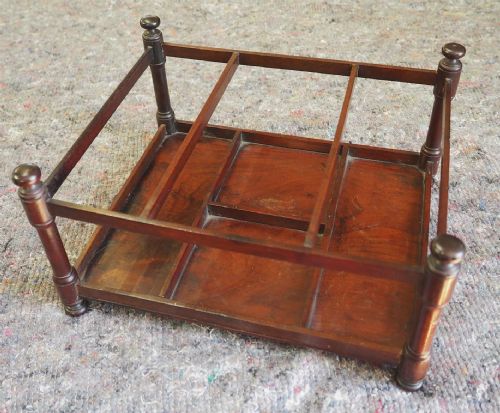
These items frequently appear as individual pieces, pairs, or matched sets of three and four. Their forms range from simple turned wooden holders to substantial bottle stands and larger holders intended for ships decanters and magnums.
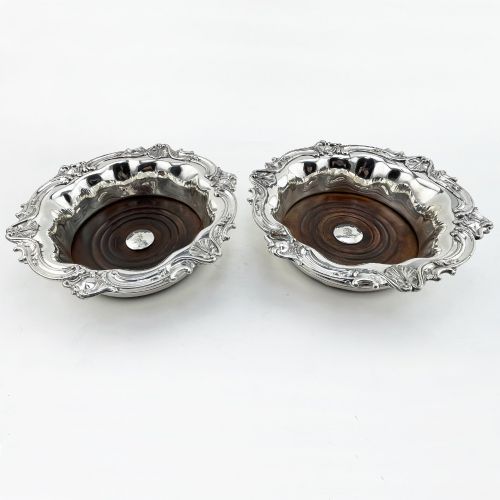
Makers often combined rich timber with contrasting metals, producing functional items that transition easily from historic dining rooms to modern settings. The variety includes plain turned timber sides as well as pierced silver mounts and armorial details.
Materials and construction
Makers constructed these coasters using dense mahogany timber, frequently shaped through woodturning to create smooth, circular walls. This primary wood provides a deep grain and dark tone that ages gracefully over time.
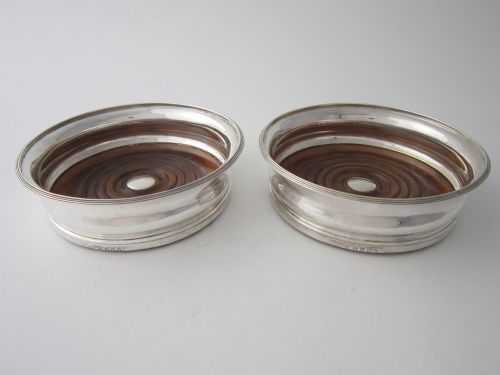
Many examples incorporate metal elements, combining the timber bases with sterling silver, silver plate, or Old Sheffield plate rims. Linings of felt, bone, or turned wood often cushion the base to protect both the table surface and the glass bottle.
Mahogany Bottle Coasters Retail Price Guide 2026
Typical asking prices for mahogany bottle coasters among the pieces listed under this phrase on Sellingantiques today, from the lower quarter to the upper quarter. They describe what is for sale here now, not the wider market.
Some larger holders were designed to secure ships decanters, ensuring the wine stayed upright even when dining on rolling seas.
Assessing quality and detail
The distinction between standard and superior pieces rests on the precision of the woodwork and the quality of any metal mounts. Finer examples display crisp turning, well-fitted metal galleries, and substantial weight in the timber base.
Attribution to known workshops, such as James Mein of Kelso, or the presence of armorial engravings and hallmarks elevates the standing of a piece. The integration between the mahogany body and the metal hardware reveals the care taken during original manufacture.
James Mein of Kelso·John and Thomas Settle
The Mahogany Bottle Coasters Glossary
- Mahogany
- A durable tropical hardwood prized for its rich reddish-brown colour and stable grain. It forms the primary structural body for these traditional table pieces.
- Old Sheffield Plate
- A composite material made by fusing a thin layer of sterling silver to a thicker copper base. It appears frequently on the rims of 19th-century coasters.
- Decanter Stand
- An alternative term for a bottle holder, often featuring a raised rim to keep heavy glassware secure. These stands circulate easily around the dining table.
- Armorial
- A heraldic design or crest engraved onto the silver mount of a coaster. Such details often indicate the original aristocratic or landed owner.
Mahogany Bottle Coasters: Frequently Asked Questions
What were mahogany bottle coasters used for?
These pieces were placed on dining tables to hold wine bottles and decanters. They protected polished timber surfaces from rings caused by moisture and condensation.
By resting inside a weighted wooden or metal base, bottles could slide smoothly across the table between guests after the dinner service concluded.
How do I care for antique mahogany?
Keep wooden pieces away from direct heat sources and strong sunlight to prevent the timber from drying out or splitting. Occasional light waxing maintains the natural lustre of the grain.
Avoid submerging combined wood and metal pieces in water. Wipe metal rims with a soft cloth and keep felt bases dry.
How can I tell Georgian pieces apart?
Georgian and Regency pieces typically show hand-turned mahogany bases combined with early silver plating techniques or sterling silver hallmarks. The weight and timber density often feel distinct compared to later reproductions.
Pay attention to the construction methods underneath, such as pegged joints or hand-cut screws, which help indicate earlier manufacture.
Can I use them with modern wine bottles?
Standard wine bottles and many modern bordeaux shapes fit comfortably inside traditional coaster diameters. However, larger magnum bottles require specific wide-bodied or multi-bottle holders.
Measure the base diameter of your preferred bottles before pairing them with antique stands to ensure a secure fit.
Why do some coasters have green felt?
Felt linings were added to the undersides and interiors to cushion heavy glass bottles and prevent scratching. This soft layer also allowed the stand to glide silently across polished mahogany dining tables.
Original felt linings add authenticity, though many well-preserved examples feature replacement baize applied during later maintenance.