

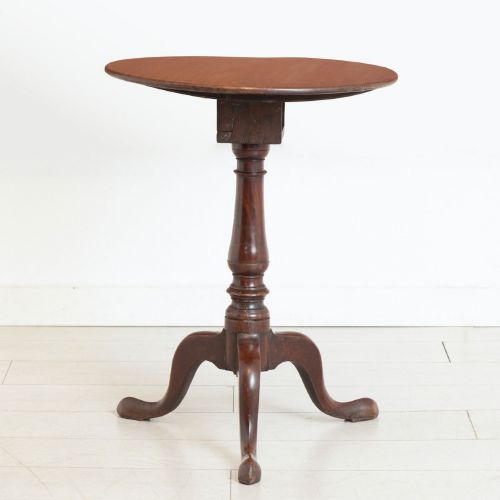



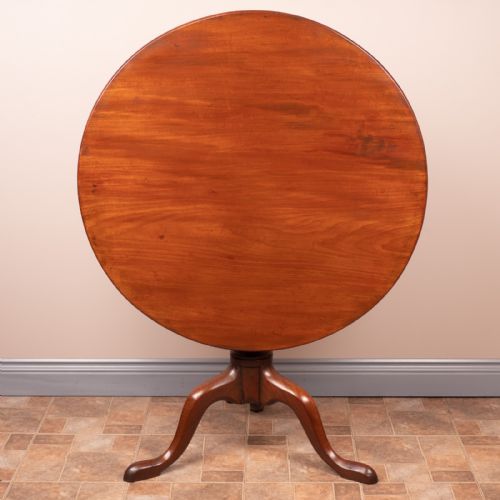


Mahogany Birdcage Tea Table
A mahogany birdcage tea table brings the architectural cleverness of Georgian woodworking directly into a sitting room.
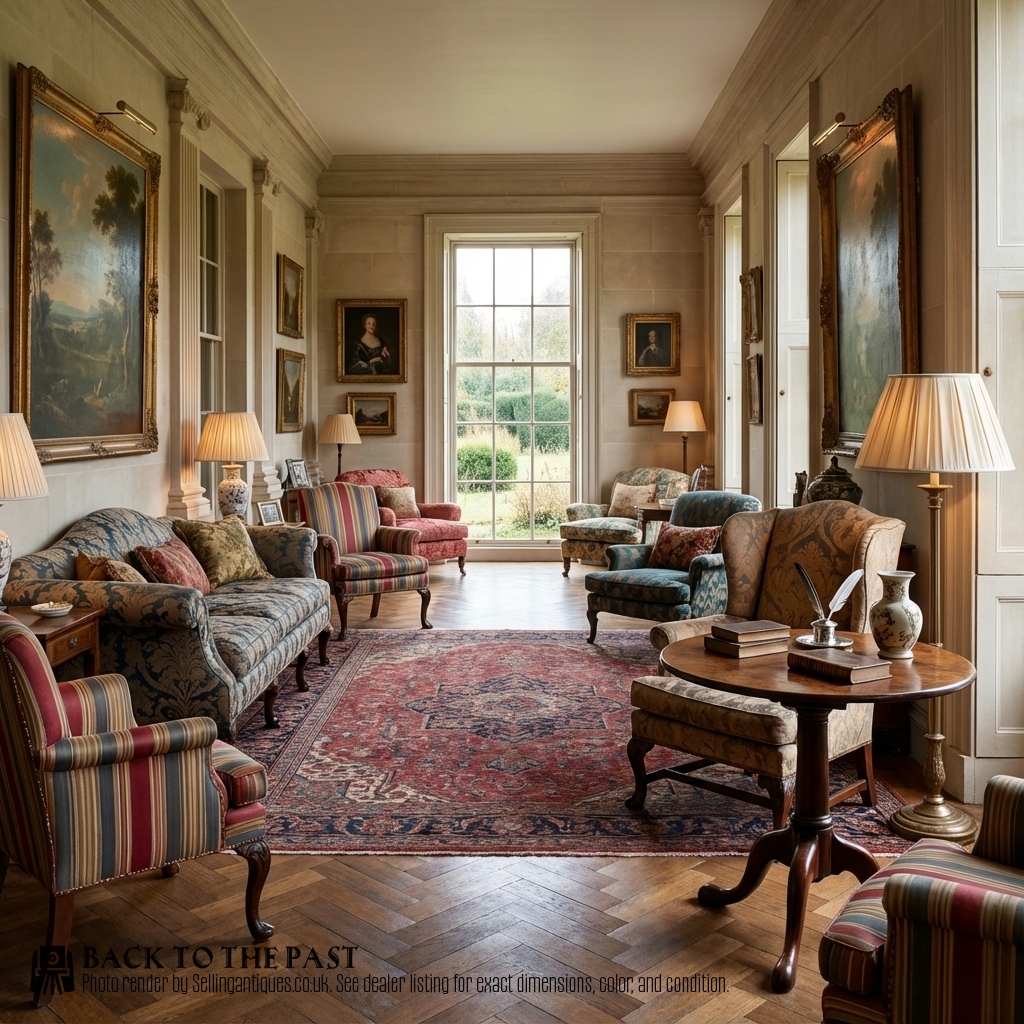
Mahogany Birdcage Tea Table
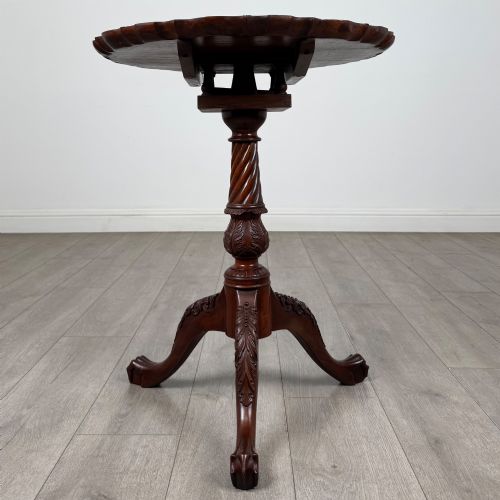
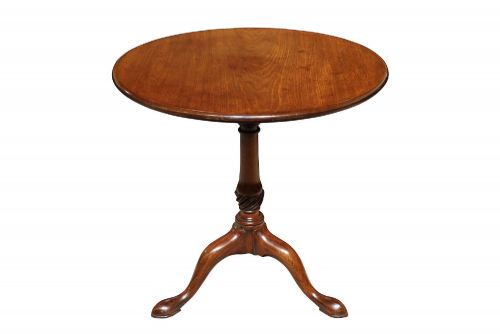
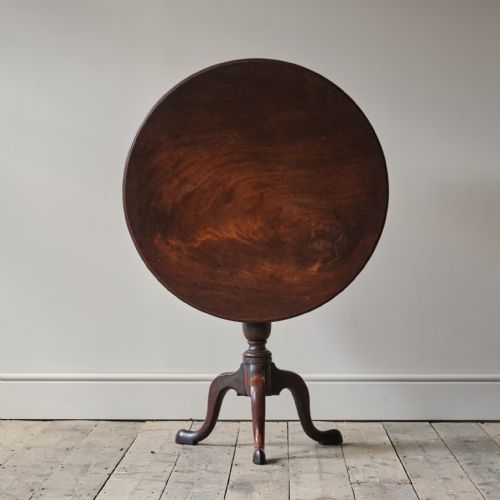
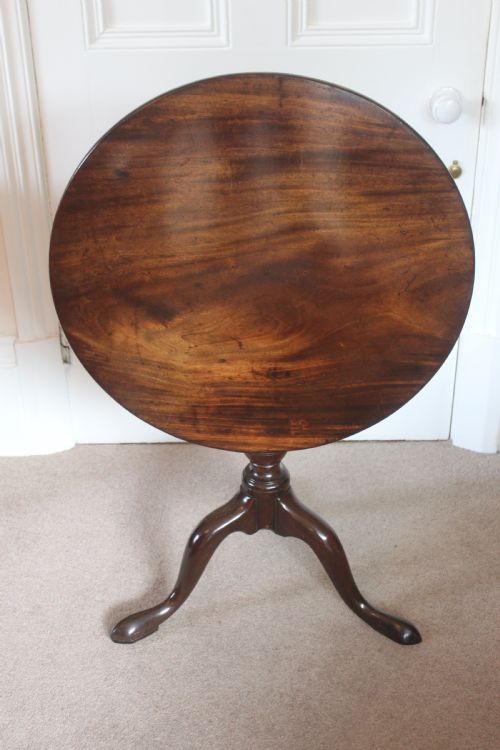
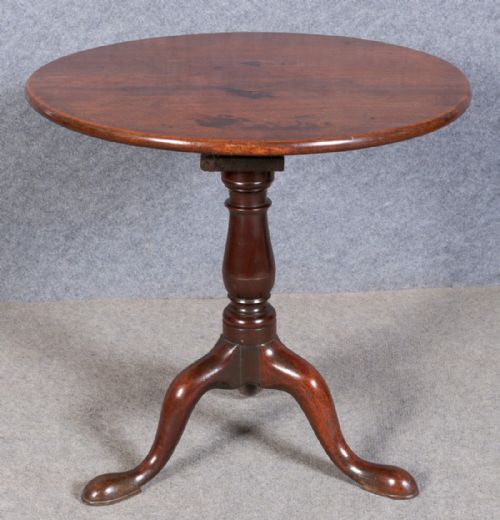
A mahogany birdcage tea table combines a circular or occasionally rectangular wooden top with a pivoting mechanism and a folding tripod base, designed for compact storage when not in use. When you search for a mahogany birdcage tea table, you encounter pieces primarily from the Georgian and 18th century periods, alongside later revival examples.
The defining feature is the central birdcage framework, a box-like wooden construction with small vertical spindles that allows the tabletop both to tilt vertically and to revolve horizontally. These versatile forms frequently overlap in description with occasional tables, tripod tables, wine tables, and supper tables.
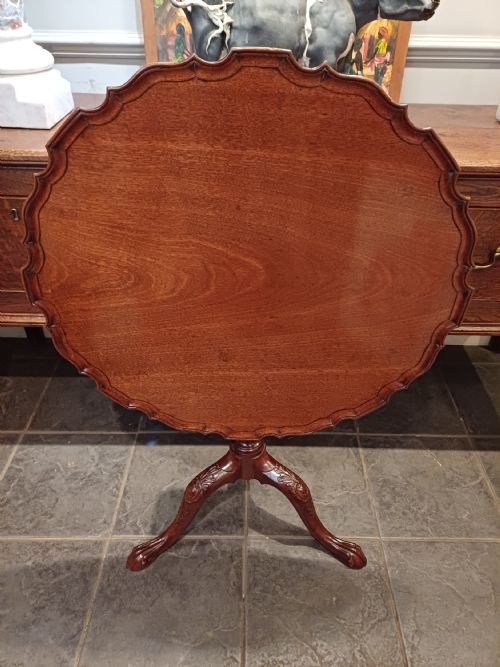
The pieces seen on this page span the 18th century, the Georgian era, and the 19th century, including Edwardian interpretations. Earlier examples showcase timber characteristics like one-piece tops and raised piecrust or pierced gallery edges.
What varies in quality
The distinction between ordinary and exceptional tables rests in the timber selection for the top, particularly whether the surface consists of a single wide mahogany board rather than joined planks. Superior examples also exhibit crisp turning on the central column and precise joinery within the revolving birdcage mechanism itself.
Decorative detailing on the edges separates standard tables from high-end pieces, with carved piecrust borders or pierced brass galleries marking out the work of top-tier workshops. The elegance of the tripod leg sweep and the crispness of any carving on the knees or feet further elevate a piece within the range.
Mahogany Birdcage Tea Table Retail Price Guide 2026
Typical asking prices for mahogany birdcage tea table among the pieces listed under this phrase on Sellingantiques today, from the lower quarter to the upper quarter. They describe what is for sale here now, not the wider market.
The listings on this page span the Georgian, 18th century, and 19th century periods, incorporating mahogany, brass, and iron materials across occasional, side, and tilt-top forms.
John Bivins·Chippendale
The Mahogany Birdcage Tea Table Glossary
- Birdcage
- A timber framework of small vertical spindles situated beneath the tabletop that permits both tilting and revolving actions. This ingenious mechanism allowed the table to be stored flat against a wall.
- Tilt-top
- A tabletop construction mounted on a pivot that drops to a vertical position when not in use. It is also referred to in period descriptions as a snap-top or tip-top table.
- Piecrust edge
- A raised, undulating carved border shaped around the circumference of a circular tabletop. This ornamental feature is typically found on higher-quality 18th-century examples.
- Tripod base
- A pedestal support featuring three curving legs radiating from a central turned column. This configuration ensured stability on uneven floors.
- Supper table
- A large occasional table intended for dining or taking tea, frequently featuring a tilting mechanism to clear floor space. They belong to the broader category of tripod tables.
Mahogany Birdcage Tea Table: Frequently Asked Questions
What is a birdcage action on a table?
The birdcage action is a small box-like wooden frame with vertical spindles located directly beneath the tabletop. It connects the top to the central pillar, allowing the surface to both pivot flat and rotate in a full circle.
This clever design meant a bulky table could be tilted upright and pushed against the wall when tea was finished, freeing up precious floor space in historic rooms.
How do I date an 18th-century tea table?
Dating relies on observing construction methods, timber choice, and decorative styles across the piece. Early Georgian examples often feature dish tops and heavy tripod proportions, while mid-18th-century pieces may incorporate piecrust edges and finely turned columns.
Looking underneath reveals the age of the wooden pegs, hand-cut screws, and the natural oxidation of the mahogany. Later 19th-century and Edwardian revivals tend to have more uniform machine-cut elements and different internal joinery.
Can I use a tilt-top table daily?
These tables were built for active daily use in Georgian homes as tea, wine, or occasional surfaces. The mechanical joints are robustly engineered to handle frequent tilting and revolving.
Care should be taken to support the weight properly when operating the catch mechanism, protecting the historic timber from sudden drops or heavy impacts.