


Mahogany Bench Stool
A mahogany bench stool brings solid timber and traditional seating together in any room, offering versatile utility from piano rooms to hallways.
Mahogany Bench Stool
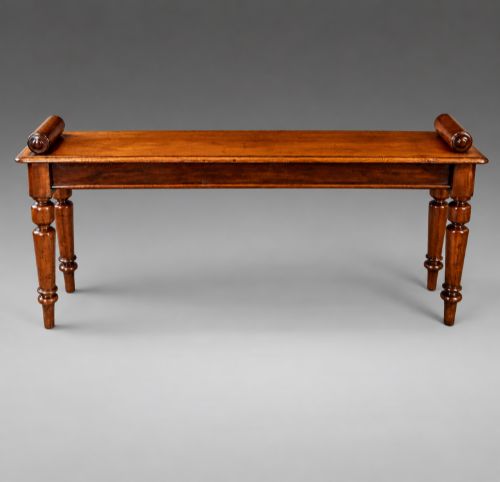
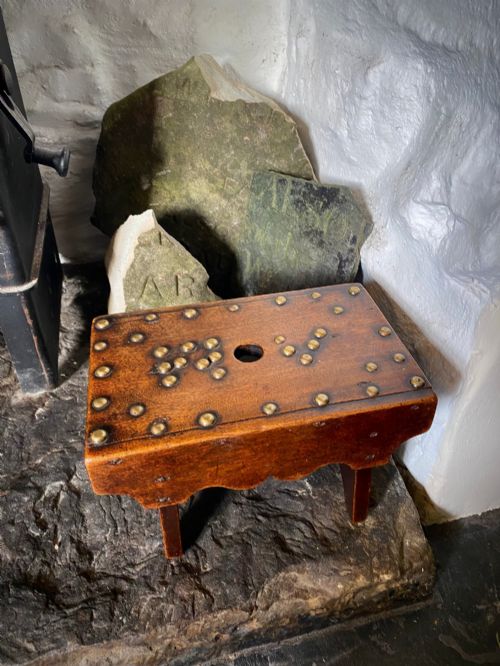
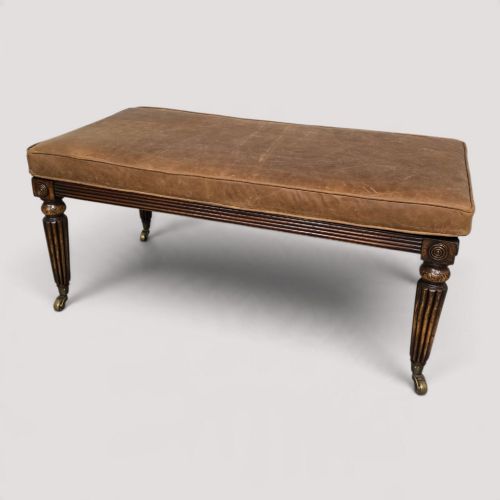
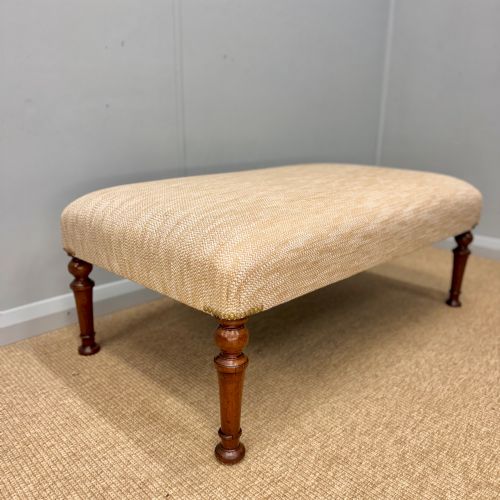
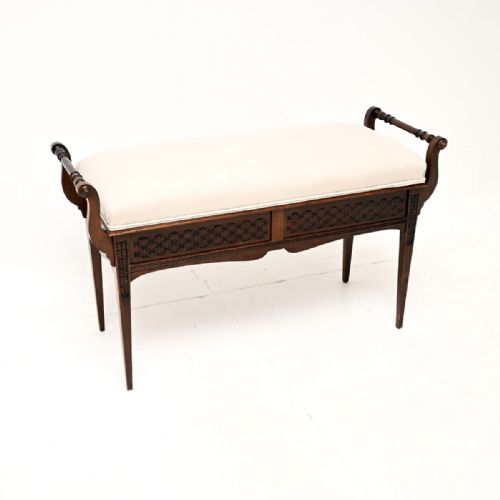
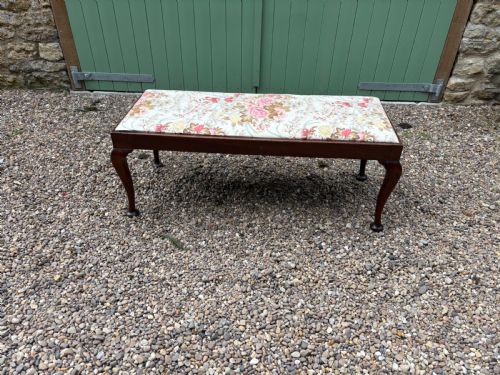
When searching for a mahogany bench stool, you encounter a varied selection of low seating forms designed for multiple domestic purposes. The pieces span centuries of British cabinet-making, encompassing piano seats, long window benches, and low footstools.
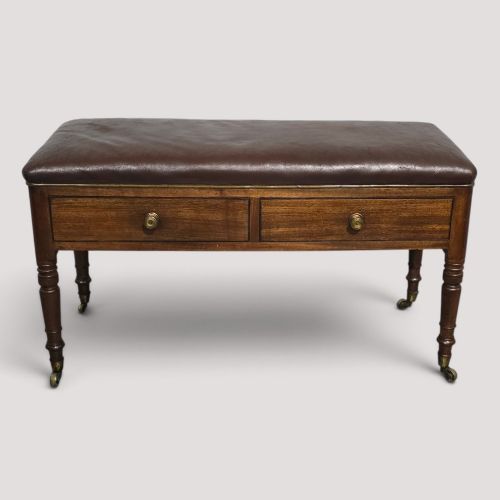
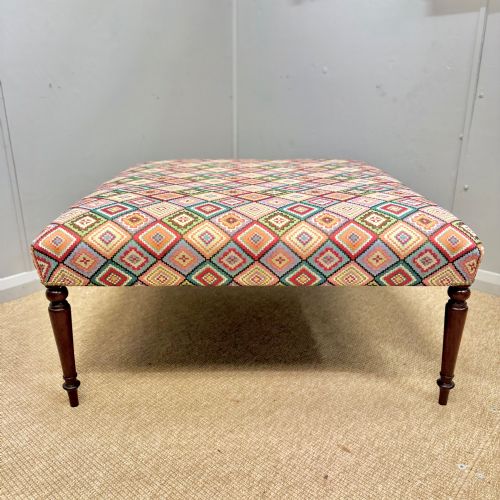
The most frequent examples on this page date from the nineteenth century, including Victorian and Edwardian variations alongside earlier Georgian and Regency models. These seating options often feature upholstered pads covered in leather, fabric, or needlework.
Makers utilised resilient timbers to construct sturdy frames that accommodate heavy textiles and frequent use. Forms range from simple square footstools to elaborate window seats fitted with arm supports or X-frame bases.
How they were made
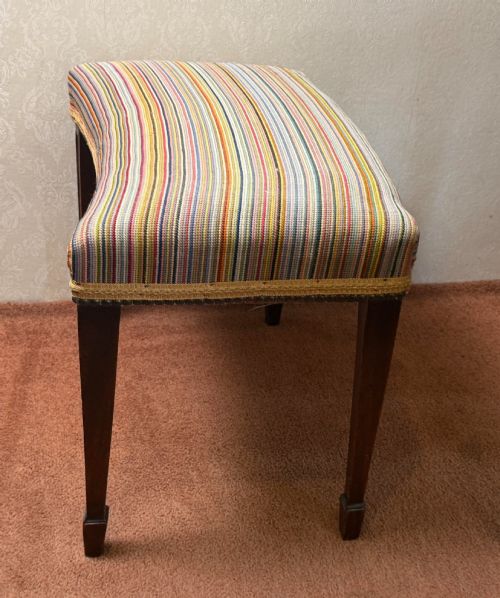
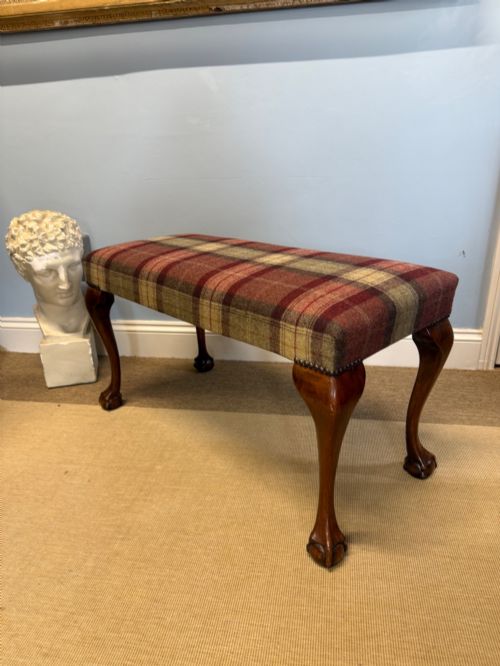
Cabinet-makers relied on dense mahogany for the structural frames, shaping the timber into straight tapered legs, cabriole supports, or intersecting cross-stretchers. Carved detailing frequently decorates the rails and leg junctions on the finer examples.
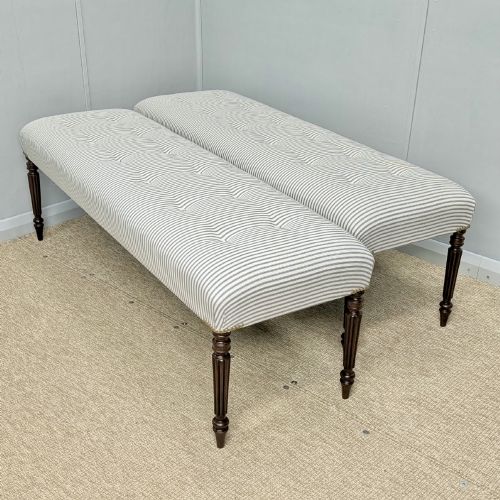
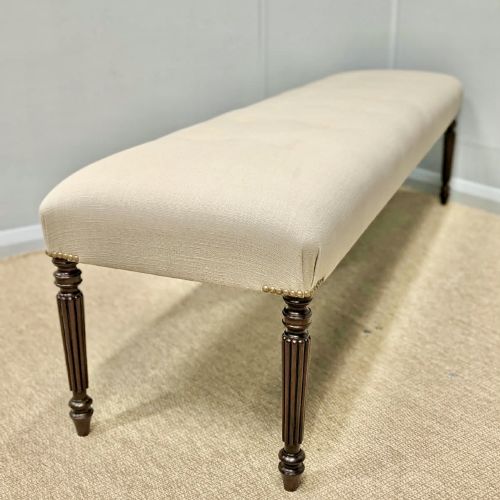
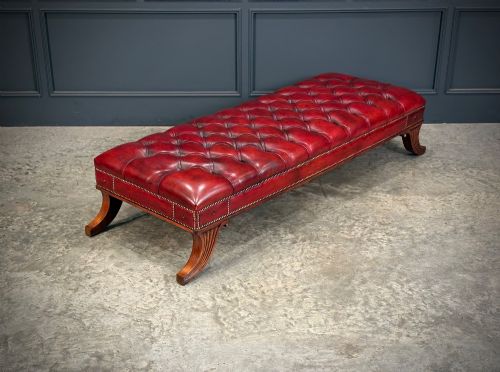
Upholstery techniques varied according to the period, employing traditional stuffing materials beneath textiles, wool, velvet, or buttoned leather secured with brass studs. Caning also appears on specific seat panels for a lighter texture.
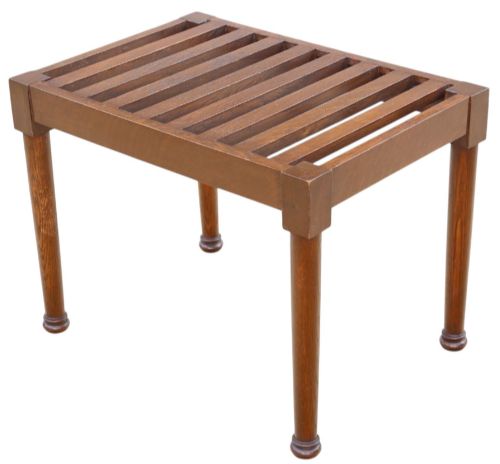
Metal fittings such as brass castors or hinges occasionally feature on larger ottomans, luggage stands, and piano seats designed for mobility or internal storage.
Mahogany Bench Stool Retail Price Guide 2026
Typical asking prices for mahogany bench stool among the pieces listed under this phrase on Sellingantiques today, from the lower quarter to the upper quarter. They describe what is for sale here now, not the wider market.
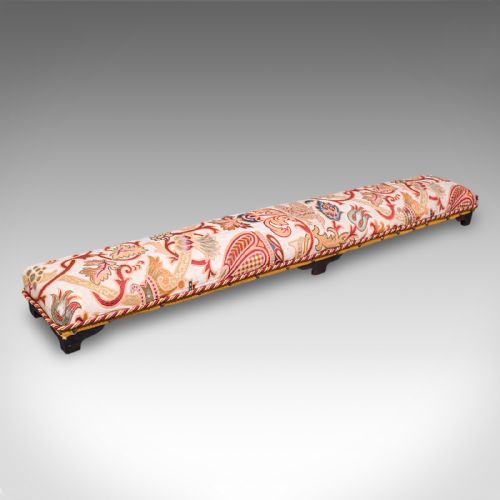
Listings feature mahogany frames paired with diverse textiles, including velvet, needlework, buttoned leather, and standard upholstery fabric.
What varies in quality
The caliber of a mahogany bench stool rests primarily on the crispness of the timber carving and the architectural proportions of the frame. Superior examples display carefully selected grain patterns and robust joinery that withstands daily weight.
The execution of the upholstery work marks another distinction between standard output and high-end commissions. Hand-stitched buttoning, premium hides, and well-sprung interior padding elevate a piece significantly above simpler utility seating.
Jas Shoolbred·Hallett & Sons·Waring and Gillows
The Mahogany Bench Stool Glossary
- Cabriole leg
- A furniture leg that curves outward at the knee and tapers inward toward the foot, often ending in a pad or claw shape. This design was popular during the eighteenth and nineteenth centuries.
- Window seat
- A long, narrow bench specifically proportioned to fit within the recess of a bay window. These pieces frequently incorporate armrests and upholstered tops.
- X-frame
- A structural base formed by two intersecting diagonal members resembling the letter X. It provides sturdy support for benches and stools, notably during the Regency period.
- Duet piano stool
- A wide seat designed to accommodate two musicians side by side at a keyboard. Many incorporate hinged lids for storing sheet music inside.
- Caning
- A woven lattice made from rattan or stripped plant material used to form breathable seat panels. It lightens the visual weight of heavy mahogany frames.
Mahogany Bench Stool: Frequently Asked Questions
What is a mahogany bench stool used for?
These versatile pieces serve multiple domestic functions, operating as piano seats, bedroom dressing table stools, or low hallway seating. Longer variations often double as window seats or end-of-bed benches.
Many examples incorporate internal storage compartments for sheet music or household textiles, combining practical utility with traditional furniture design.
How do I date a mahogany stool?
Dating relies on observing structural characteristics, leg styles, and secondary framing timbers. Georgian and Regency pieces often display finer hand-carving and tapered supports, while Victorian and Edwardian examples may feature heavier proportions or mass-produced castors.
Upholstery styles also provide clues, though most antique seating has been recovered or restored multiple times throughout its lifespan.
Are piano stools adjustable?
Certain piano stools feature mechanical rotating tops or side handles designed to alter the seating height for the musician. Others remain fixed in height.
Edwardian and Victorian variants commonly include these mechanical rising mechanisms, whilst standard benches and footstools are static.
How should I care for mahogany furniture?
Protect the timber by maintaining consistent room humidity and avoiding direct placement near heat sources or strong sunlight. Regular dusting with a soft, dry cloth preserves the polished surface.
Leather and fabric upholstery require gentle cleaning appropriate to the specific textile to prevent premature wear on the seating surface.