





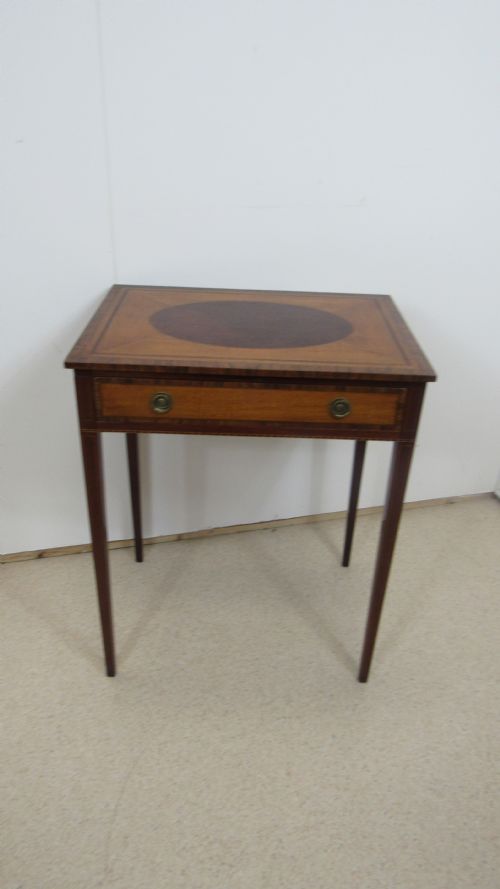
Mahogany Bedside Desk
A mahogany bedside desk offers practical surface space and storage beside a bed, combining traditional timber with functional small-scale design.
Mahogany Bedside Desk
A mahogany bedside desk encompasses compact occasional furniture, small side tables, and washstands designed for personal chambers. These pieces emerge across the Georgian, Regency, Victorian, and Edwardian periods.
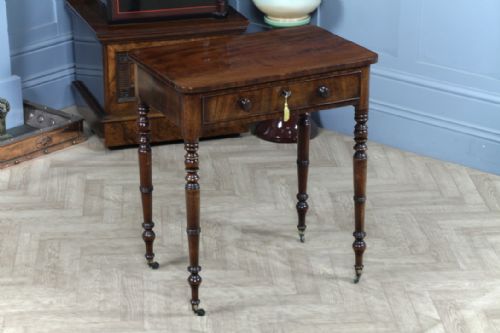
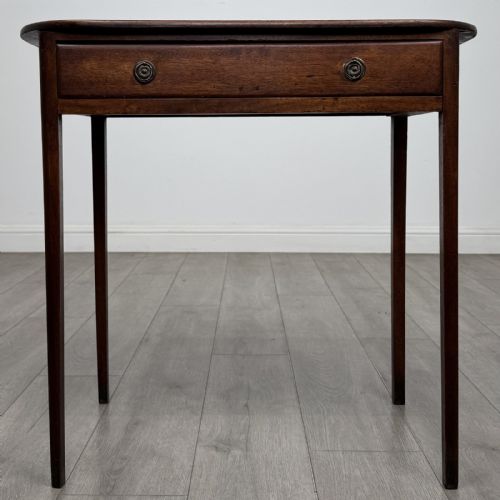
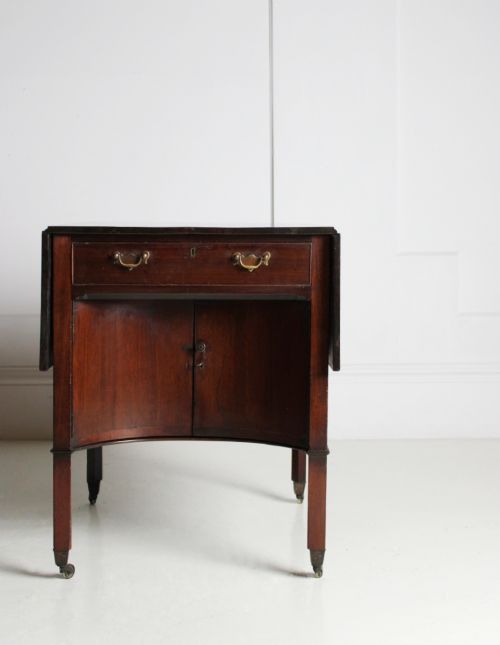
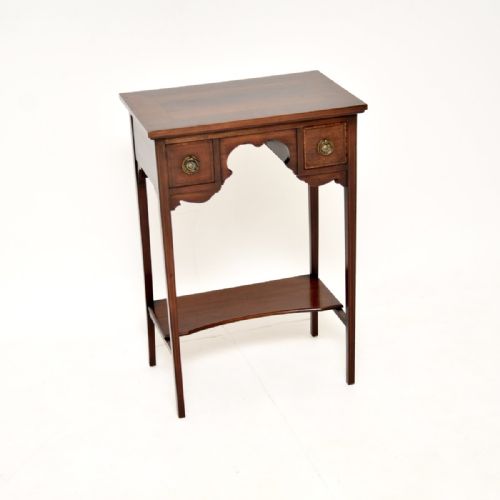
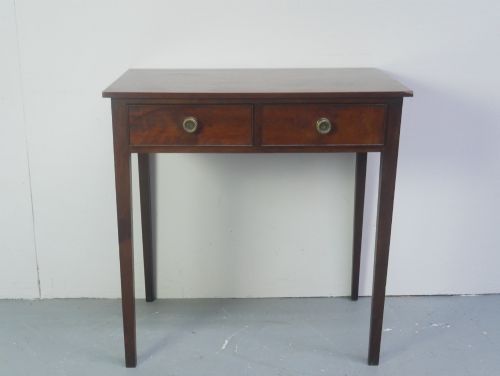
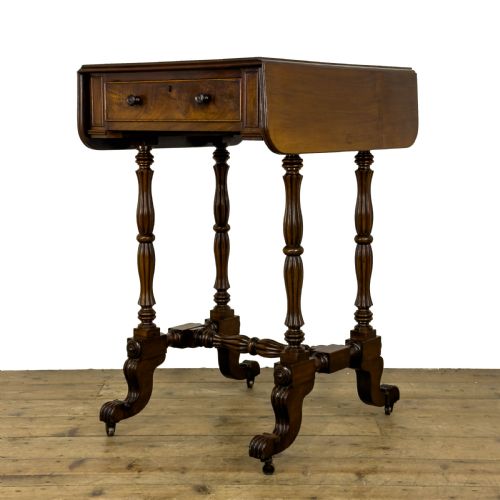
The selections on this page appear as rectangular lamp tables, drop-leaf work tables, and multi-drawer end tables. Many examples originate from English workshops spanning the eighteenth and nineteenth centuries.
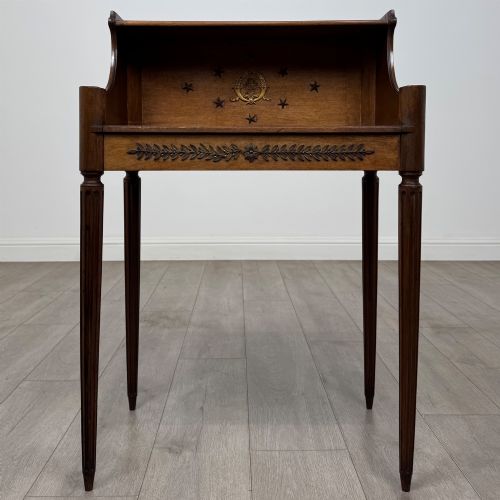
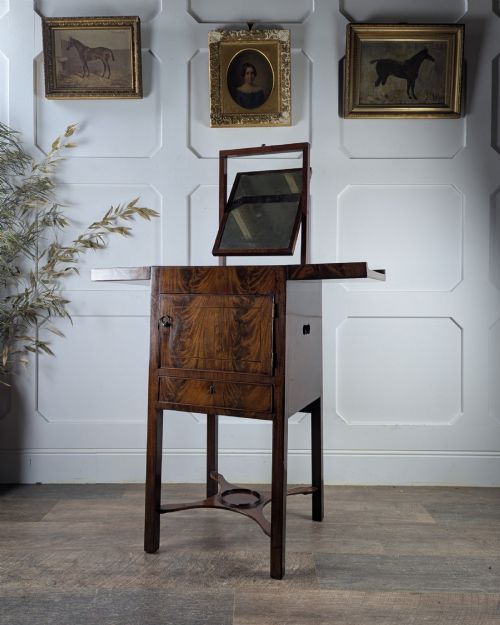
Buyers seeking a mahogany bedside desk will encounter variations including fold-away washstands, kidney tables with marquetry, and compact writing tables. The forms rely on timber construction suited to smaller domestic spaces.
Materials and Construction
Cabinet makers utilised solid mahogany and Cuban mahogany alongside flame mahogany veneers for primary surfaces. Timber selection provided deep reddish-brown tones and distinctive grain patterns.
Decoration incorporates satinwood inlay, brass galleries, and giltwood accents to enhance the timber framework. Structural joints and drawer constructions reflect period cabinet-making techniques.
Mahogany Bedside Desk Retail Price Guide 2026
Typical asking prices for mahogany bedside desk among the pieces listed under this phrase on Sellingantiques today, from the lower quarter to the upper quarter. They describe what is for sale here now, not the wider market.
Early nineteenth-century readers appreciated drop-leaf tables that accommodated both a heavy tome and a midnight cup of tea.
Qualities of Construction
The standard of a mahogany bedside desk depends upon the selection of timber and the precision of the joinery. Figured grains like flame mahogany and crisp satinwood inlay separate finer pieces from plain examples.
Proportion and execution of detail define the upper tier of these tables. Well-drawn frames, intact brass mounts, and balanced proportions indicate skilled workmanship.
The Mahogany Bedside Desk Glossary
- Mahogany
- A durable hardwood known for its rich reddish-brown colour and stable working properties. It served as the primary timber for fine furniture across multiple centuries.
- Satinwood
- A luminous yellowish timber employed for contrasting inlay and decorative banding. Cabinet makers used it to create geometric or floral patterns on darker surfaces.
- Flame mahogany
- A veneer cut from the fork of the tree where branches join the trunk. This method yields a dramatic, rippling fire-like grain pattern.
- Brass gallery
- A low pierced metal rail fitted around the edge of a table top. It prevented small items from sliding off the surface.
- Pembroke table
- A small rectangular drop-leaf table with hinged flaps on either side. These versatile pieces were easily moved and adjusted for writing or dining.
Mahogany Bedside Desk: Frequently Asked Questions
Where were these desks placed?
These compact tables and desks stood beside beds or within dressing rooms to hold lighting, books, and writing materials. Their modest footprints suited private sleeping quarters.
They functioned as versatile surfaces for daily personal use, often incorporating drawers or drop leaves to maximise utility in limited spaces.
How do I identify a Georgian piece?
Georgian pieces display clean architectural lines, solid timber construction, and restrained decorative details like bracket feet or simple cockbeaded drawers. Proportion and balance govern the design.
Craftsmen during this era focused on the natural qualities of Cuban mahogany rather than heavy ornamentation.
What is flame mahogany?
Flame mahogany is a highly figured wood veneer harvested from the junction where a branch meets the main trunk of the tree. The cutting process reveals a undulating, reflective grain.
This decorative veneer frequently appears on prominent surfaces of Regency and nineteenth-century furniture to create visual depth.
Can I use an antique side table as a desk?
Many historical side tables and lamp tables featured in these listings double as compact writing surfaces. Compact dimensions allow them to function effectively in modern home offices.
Drawer space in Edwardian and Georgian examples provides adequate storage for modern writing implements and small stationery.