
Mahogany Armchair on Castors
A mahogany armchair on castors brings solid timber frames and rolling brass feet together for everyday comfort across several historic eras.
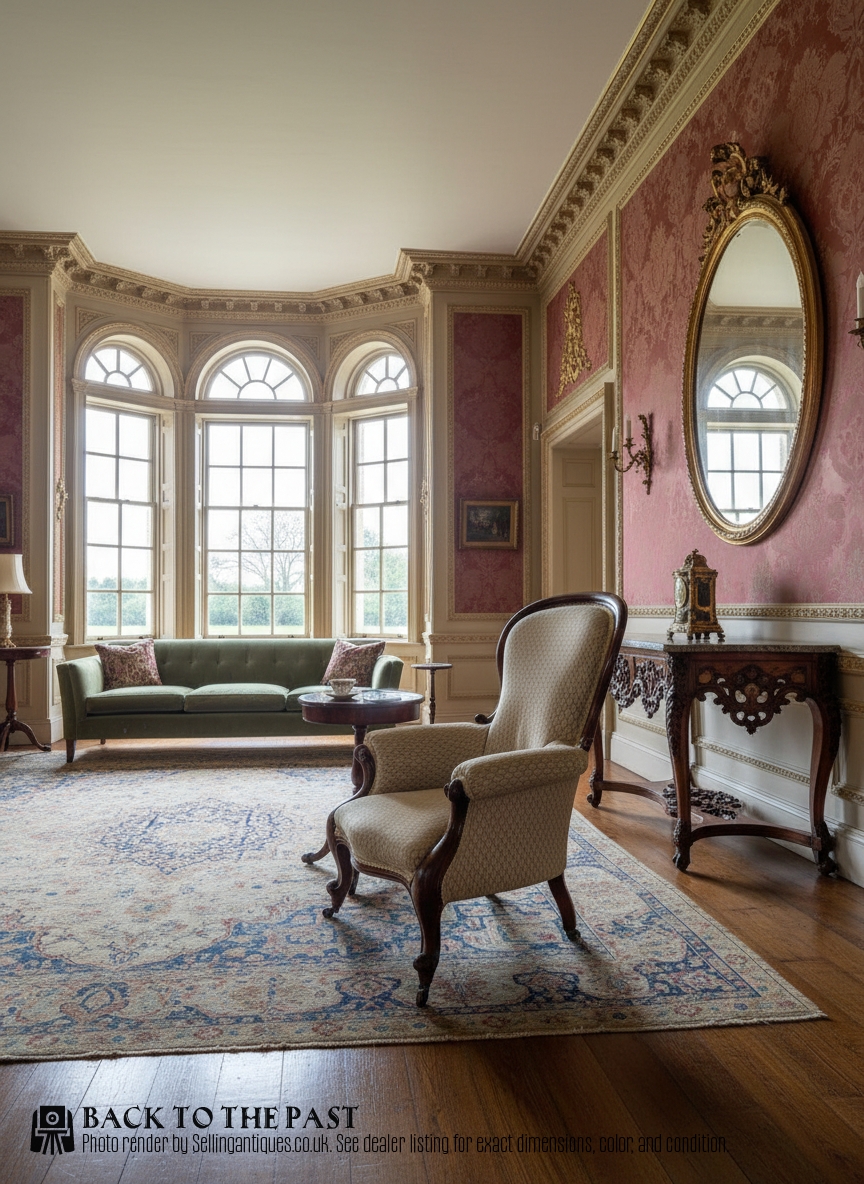
Mahogany Armchair on Castors
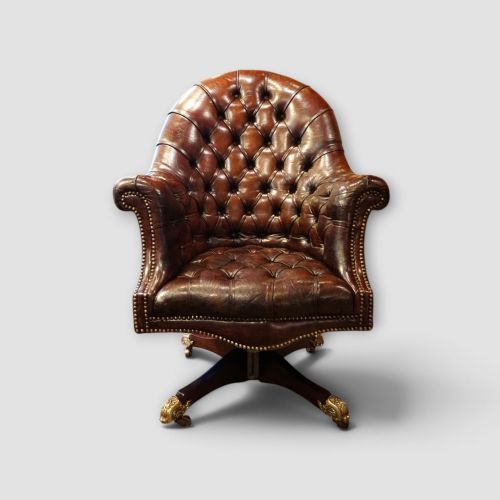
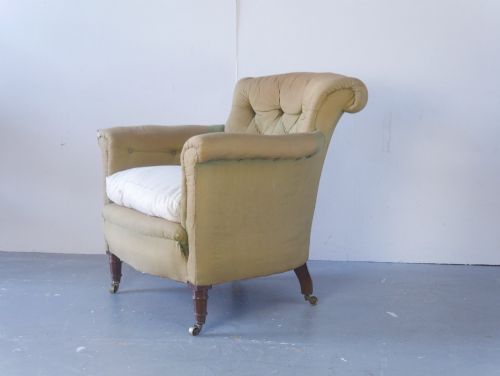
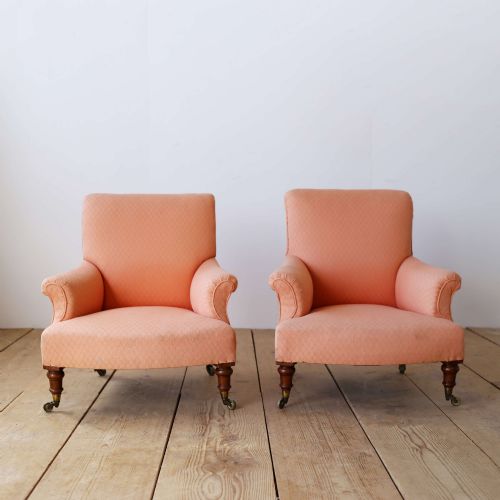
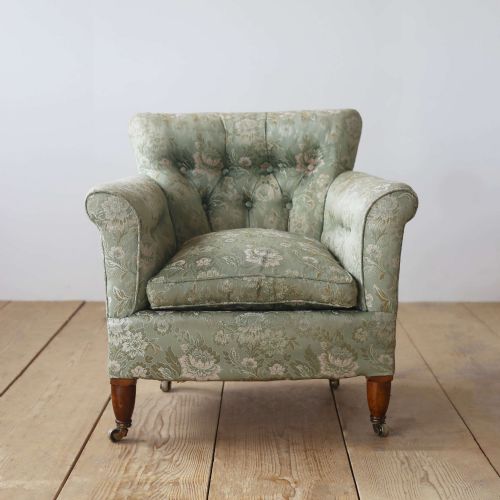
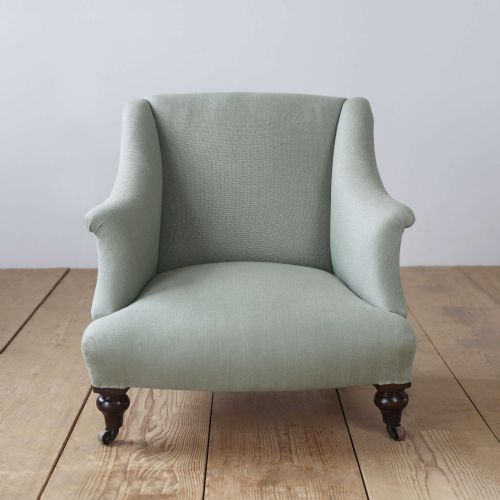
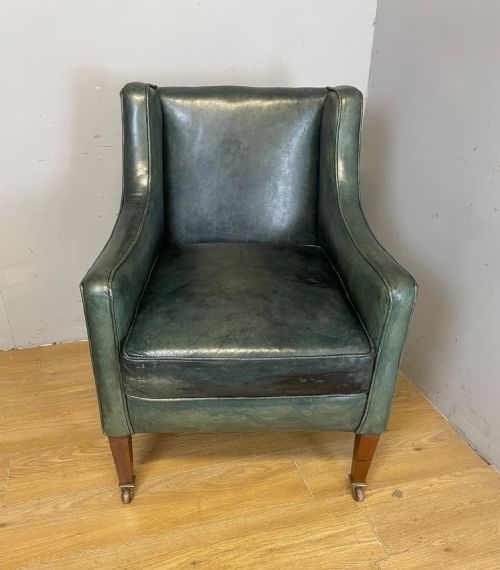
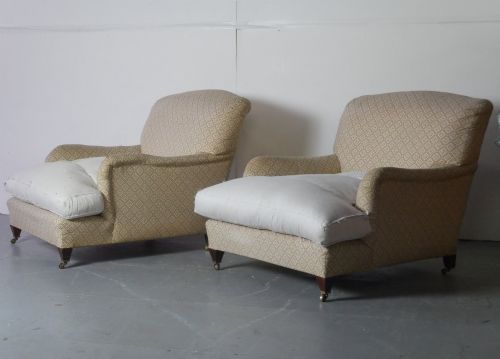
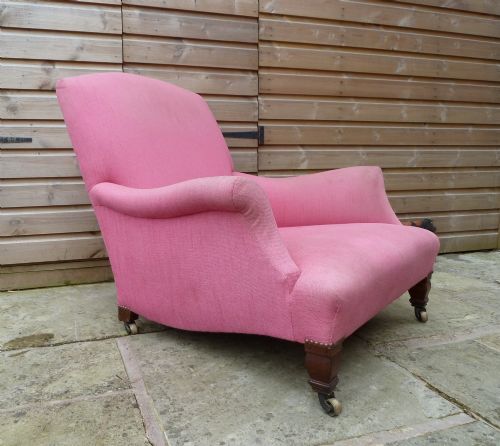
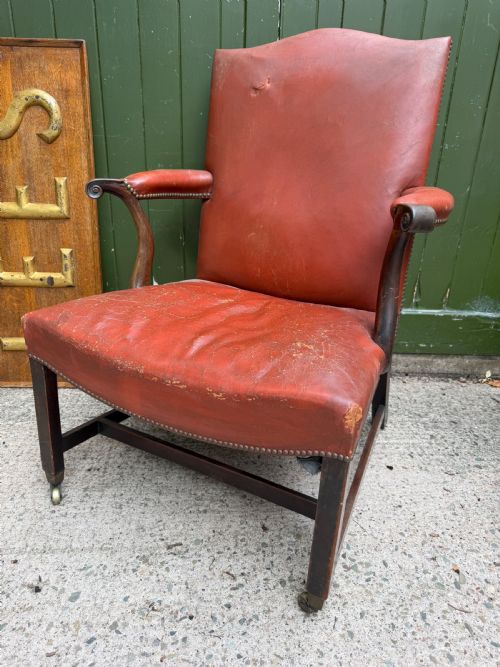
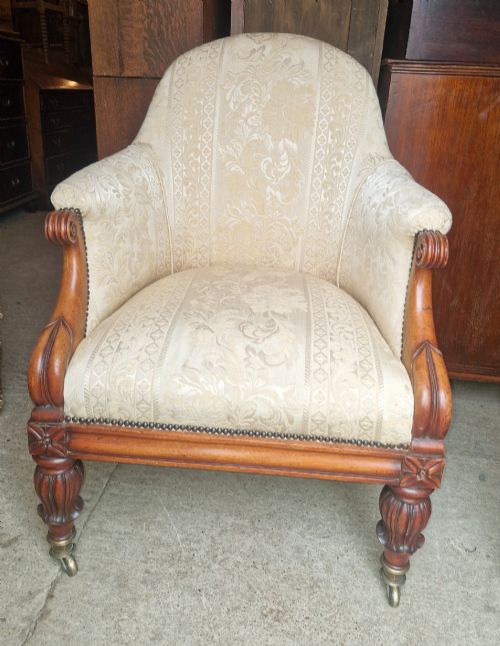
When you search for a mahogany armchair on castors, you encounter seating designed for libraries, drawing rooms, and country houses spanning the Georgian, Victorian, and Edwardian periods. The timber frames range from heavy library chairs in red leather to deep-seated upholstered armchairs and bergères with caned panels.
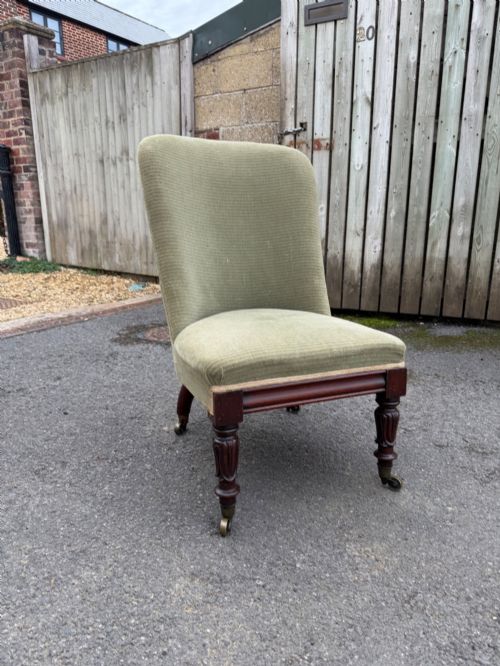
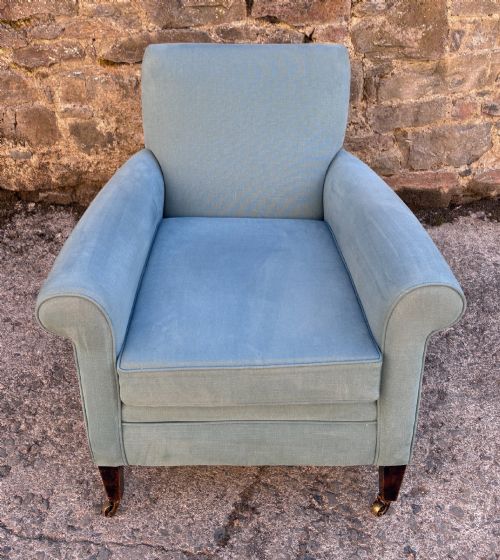
The pieces on this page heavily feature Victorian and Regency designs, alongside Edwardian and Georgian examples. Forms include library chairs, tub backs, Gainsborough types, and slipper chairs, frequently mounted on brass castors to allow easy movement across heavy carpets.
Makers and styles reflected in the selection include Howard and Sons, Gillows, Morris and Co, and Holland and Sons. These pieces combine structural mahogany frames with supportive upholstery finished in fabric, leather, velvet, or calico.
How they were made
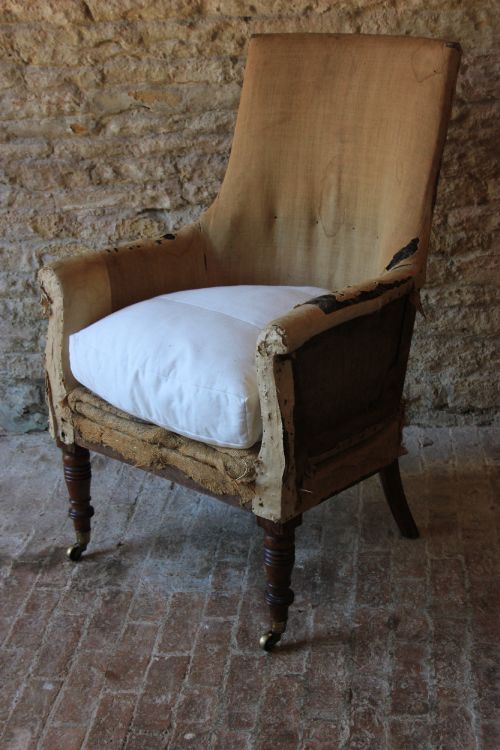
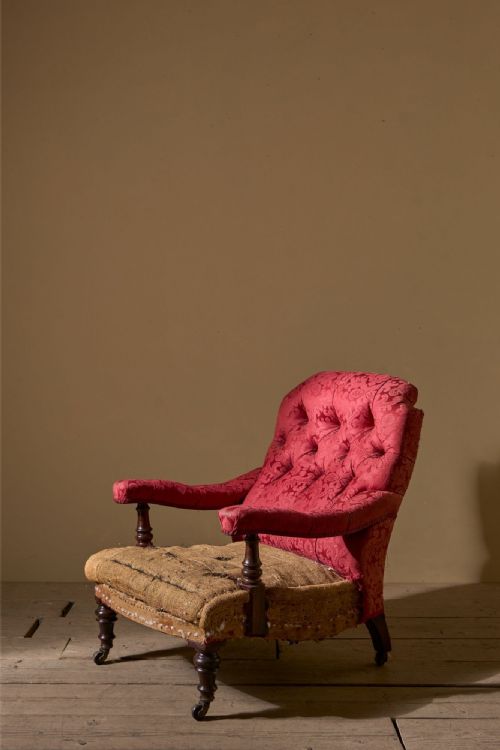
Makers constructed the primary frames from solid mahogany, shaping the arms, legs, and showwood surrounds to support deep cushioning. Turned or reeded wooden legs terminate in brass cappings and castors, securing the mobility required for heavy library seating.
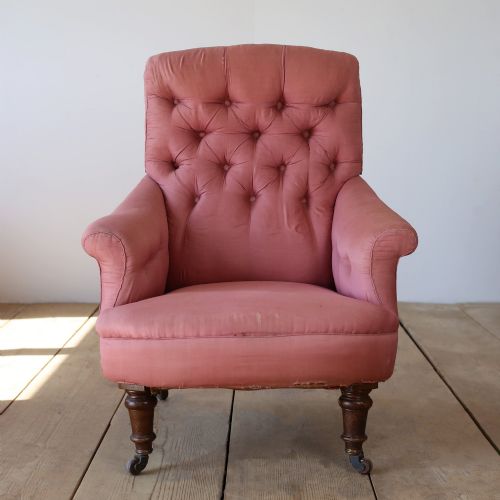
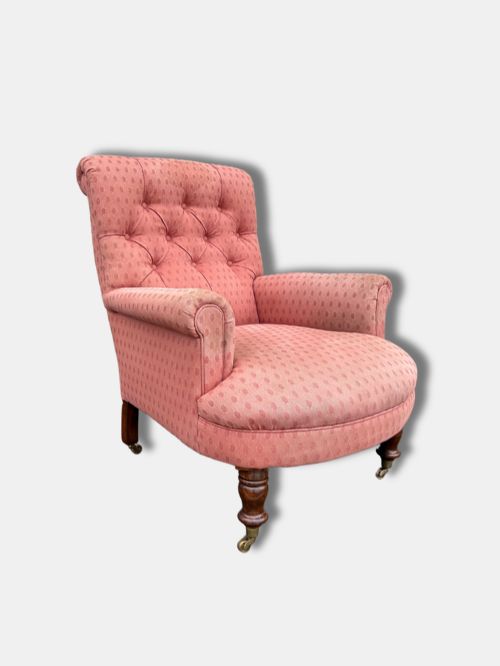
Upholstery techniques involved webbing and internal stuffing covered in Hessian and calico, then finished with top covers of leather, velvet, cotton, or patterned fabric. Buttoning and traditional tacking secured the textiles tightly to the timber framework.
Some Edwardian armchairs arrive with matching footstools, ensuring maximum comfort for nineteenth-century bookworms.
What varies in quality
Quality rests upon the proportion of the timber frame and the crispness of any carved detail on the mahogany legs and arm supports. Substantial library chairs with robust internal frames and original brass castors command attention above lighter or altered pieces.
The integrity of the upholstery build and the retention of maker signatures or stamps elevate individual examples. Pieces retaining their original leather or period fabric layers demonstrate superior preservation compared to those with modern replacements.
Howard and Sons·Morris and Co·Gillows·Holland and Sons·Hampton and Sons·William Birch·Morison and Co
The Mahogany Armchair on Castors Glossary
- Castor
- A small wheel mounted on a swivel attached to the foot of a chair. This allows heavy library chairs to move smoothly across floorboards and carpets.
- Bergère
- An enclosed upholstered armchair featuring cane panels set into the wooden frame. These originated in France and gained popularity in British Regency seating.
- Gainsborough chair
- A wide, open-armed mahogany library armchair with a padded seat and back. They date primarily from the Georgian period.
- Showwood
- Polished timber framework left exposed around the upholstered sections of an armchair. Victorian makers utilised this technique on fireside and spoon-back chairs.
Mahogany Armchair on Castors: Frequently Asked Questions
How do I date my mahogany armchair?
Examine the timber colour, leg turning, and underframe construction alongside any visible maker stamps or upholstery materials. Regency and Georgian pieces tend to show sharper carving, whilst Victorian and Edwardian examples often feature buttoning and softer sprung seats.
Castor designs also help determine age, as brass cappings evolved from simple stem designs to stamped maker marks by the mid nineteenth century.
Were these chairs meant for libraries?
Many heavy mahogany armchairs were indeed built for reading rooms and libraries, where readers needed sturdy support and mobility. The inclusion of castors allowed scholars to reposition heavy timber seating close to desks or firesides.
Other lighter forms, such as slipper chairs and nursing pieces, served bedrooms and drawing rooms rather than formal study spaces.
What fabrics are correct for these periods?
Original upholstery schemes relied on red morocco leather, wool velvet, heavy cotton, damask, and patterned ticking secured over Hessian foundations. Many Victorian and Edwardian pieces utilised deep buttoning to keep horsehair stuffing firmly in place.
Selecting replacement textiles that match historic weights and patterns helps preserve the authentic appearance of country house seating.
Can I use these chairs on wooden floors?
Metal castors can mark polished floorboards if moved frequently under heavy weight. Placing small rugs or castor cups beneath the brass wheels protects delicate timber surfaces whilst keeping the chair mobile.
Historic castors roll best when the swivel pins are clean and free from accumulated dust or carpet fibres.