

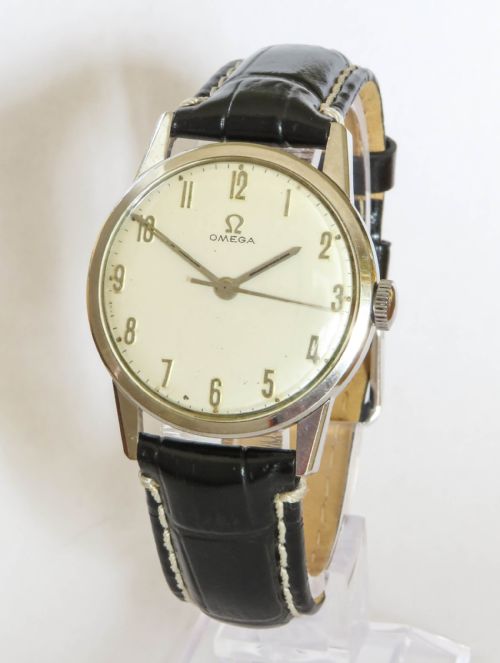
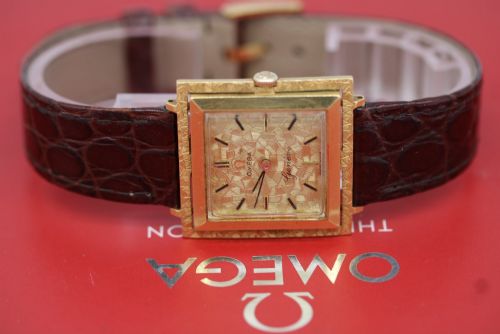

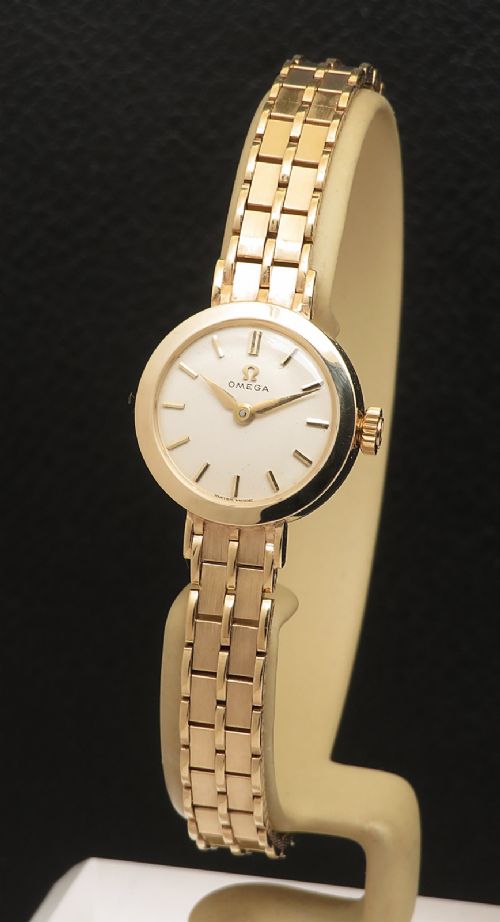

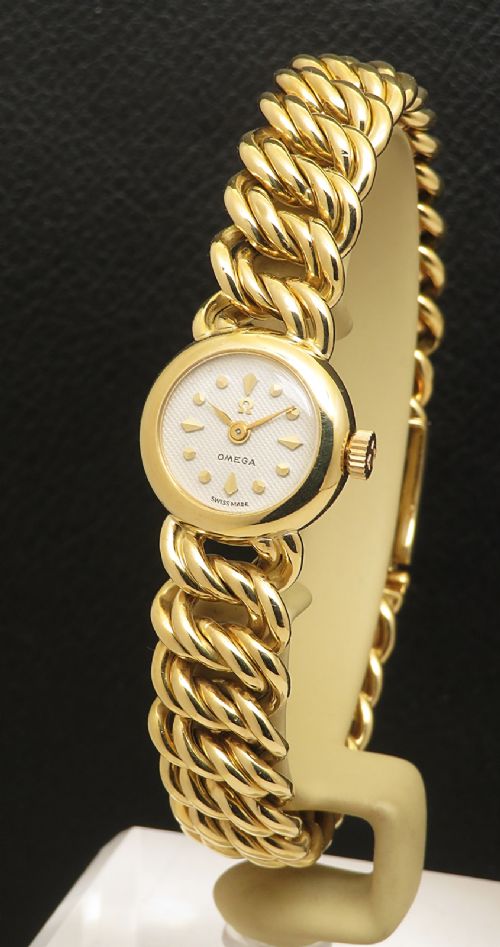
Luxury Mechanical Watch
A luxury mechanical watch represents precise engineering housed in precious metals or durable stainless steel, sought after for enduring mechanical reliability and classic design.
Luxury Mechanical Watch
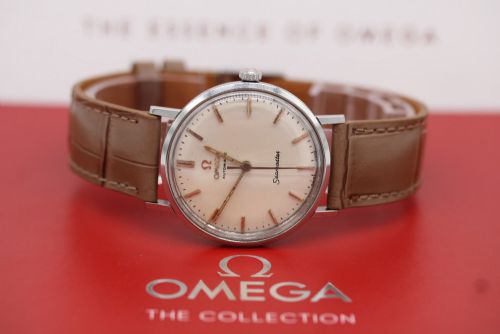
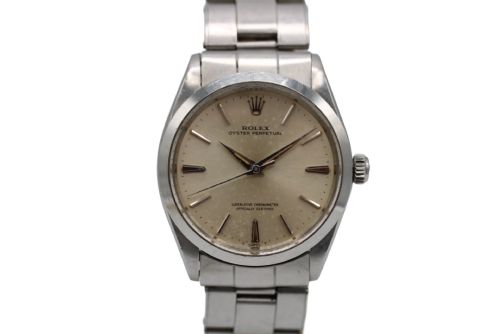
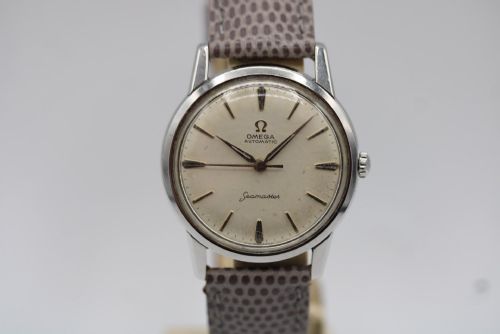
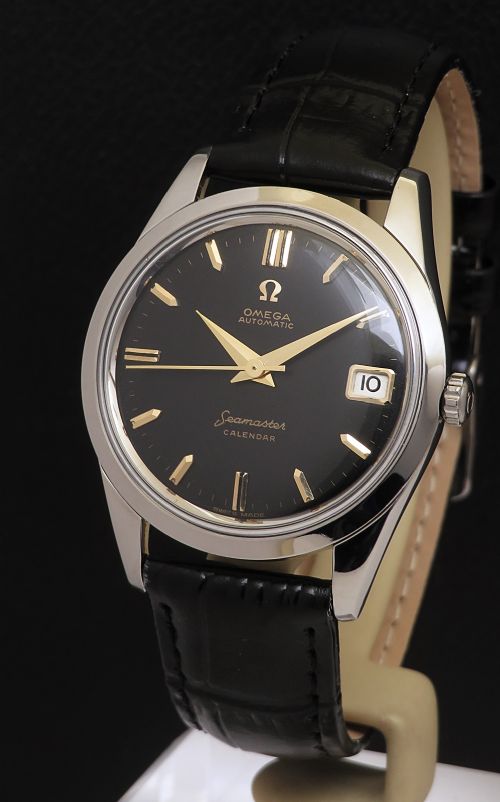
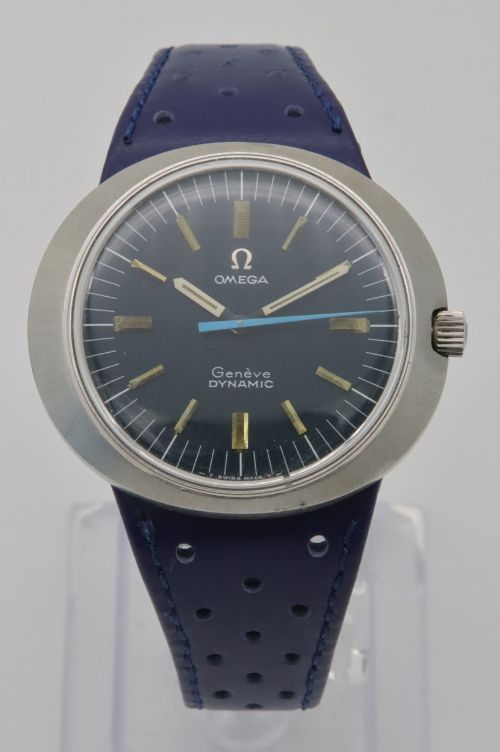
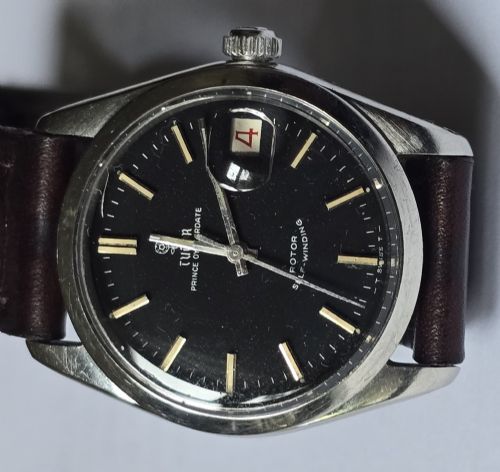
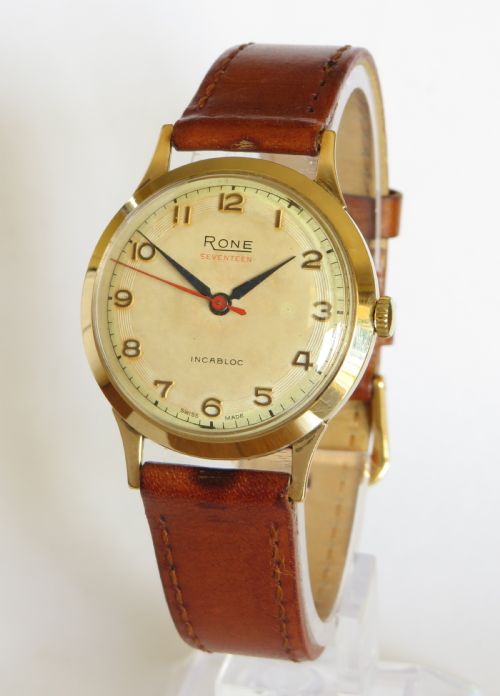
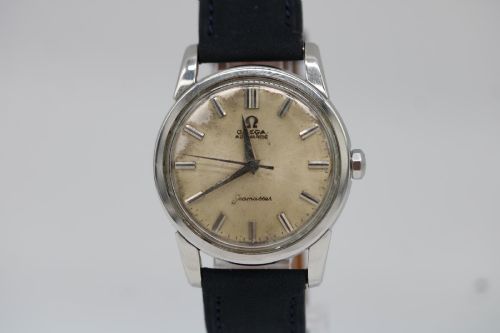
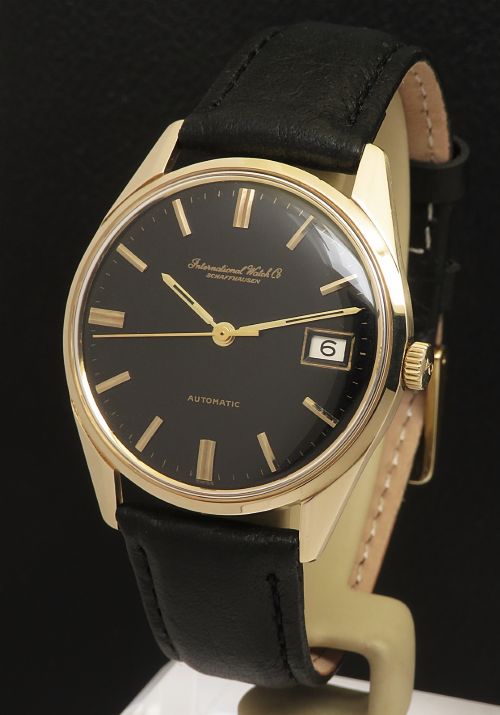
A luxury mechanical watch bridges the gap between functional timekeeping and high horological art, originating primarily from periods spanning the early twentieth century through the late nineteen-sixties. Buyers exploring this category encounter wristwatches, pocket watches, and specialised cocktail pieces designed for daily wear or formal occasions.
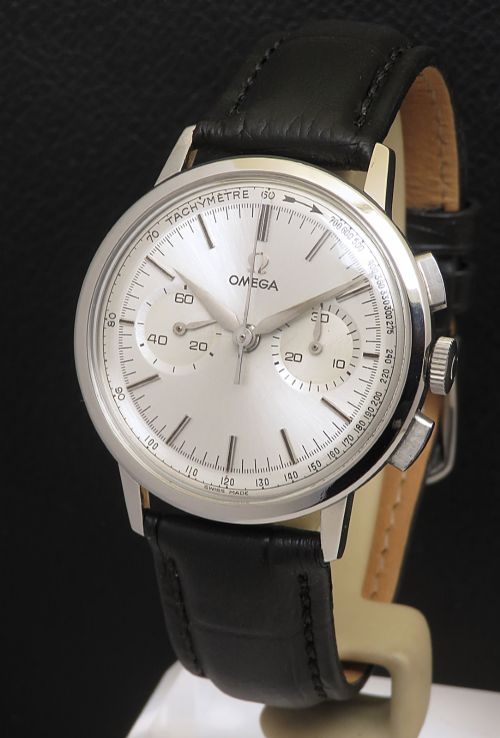
The selections available on this page lean heavily towards mid-century designs, featuring robust automatic movements and manual wind calibres. Prominent forms include dress watches with clean dials alongside aviation and diving chronographs tailored for specific utilitarian roles.
How they were made
Cases are formed from solid nine-carat and eighteen-carat gold, gold plate, platinum, or stainless steel, paired with protective acrylic glass or crystal over the dial. Leather straps provide the primary fastening method, often complemented by original metal bracelets and signed buckles.
Internal mechanisms rely on intricate gear trains, jewelled bearings, and balance wheels driven by manual winding or self-winding automatic rotors. Dials undergo specialised finishing techniques, resulting in textures such as sunburst patterns or patinated surfaces beneath applied markers.
Luxury Mechanical Watch Retail Price Guide 2026
Typical asking prices for luxury mechanical watch among the pieces listed under this phrase on Sellingantiques today, from the lower quarter to the upper quarter. They describe what is for sale here now, not the wider market.
Materials utilised across the inventory include acrylic glass, platinum, diamonds, and leather alongside standard precious metals.
What varies in quality
The calibre of internal movement engineering distinguishes standard production calibres from chronometer-grade mechanisms adjusted for superior precision. Originality of components, including matching hands, dials, and signed winding crowns, heavily influences the integrity of each timepiece.
External execution ranges from simple gold-plated brass cases to heavy solid gold or platinum housings, frequently accented with diamonds in cocktail models. The presence of original packaging, paperwork, and factory boxes adds significant provenance to the physical object.
Omega·Rolex·Tudor·Longines·Breitling·Bulova·IWC·Vertex·Rone·Eterna
The Luxury Mechanical Watch Glossary
- Calibre
- The specific internal mechanical movement manufactured to drive a watch. Collectors reference this number to identify the exact factory design of the gear train and escapement.
- Automatic
- A self-winding mechanical movement that utilises a weighted internal rotor to tension the mainspring using the natural motion of the wearer's wrist.
- Chronometer
- A high-precision watch movement that has successfully passed rigorous independent testing standards for accuracy over various temperatures and positions.
- Chronograph
- A timepiece equipped with a secondary stopwatch function operated via independent pushers on the side of the case.
- Manual wind
- A mechanical movement requiring the wearer to manually turn the crown to tension the mainspring, as opposed to self-winding automatically.
Luxury Mechanical Watch: Frequently Asked Questions
How do I wind a manual watch?
Gently rotate the crown clockwise between your thumb and forefinger until you feel firm resistance, taking care not to force it past the stopping point.
Doing this at the same time each day helps maintain consistent tension on the mainspring and steady timekeeping.
Are vintage watches waterproof?
Vintage timepieces generally lack modern waterproof seals, and original gaskets degrade significantly over several decades of use.
Keep these watches away from water, swimming pools, and heavy rain unless a professional watchmaker has recently tested and serviced the case.
What is a watch complication?
A complication refers to any functional feature on a watch beyond the basic display of hours, minutes, and seconds.
Common examples found in this category include date windows, chronographs for measuring elapsed time, and specialised aviation scales.
How often need they be serviced?
Mechanical watches require periodic cleaning and lubrication of their internal gears and jewel bearings to prevent friction wear.
Having a qualified horologist service the movement every few years ensures the delicate metal components operate smoothly and accurately.