







Lustreware Ceramic Bowl
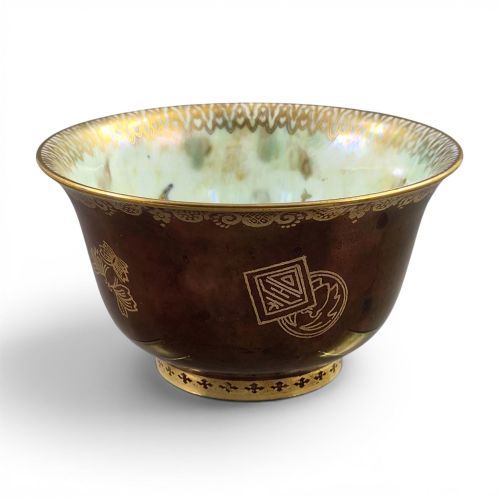
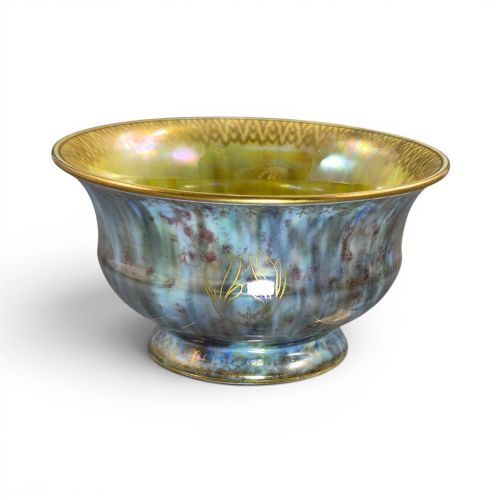
These pieces of lustreware ceramic bowl combine metallic sheen with historical earthenware and porcelain forms.
Lustreware Ceramic Bowl
A lustreware ceramic bowl brings together metallic finishes and traditional pottery shapes spanning from medieval Persia to twentieth century England. When searching for a lustreware ceramic bowl, buyers encounter pieces ranging from early earthenware vessels to Edwardian bone china creations.
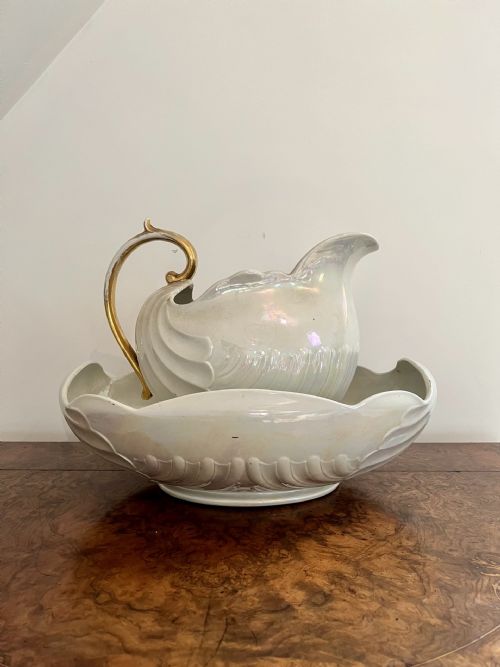
The selection here includes fourteenth century Persian Islamic works alongside nineteenth century Victorian folk art and twentieth century Art Deco productions. Miniature cups, large decorative bowls, and jug and bowl sets appear across the different eras.
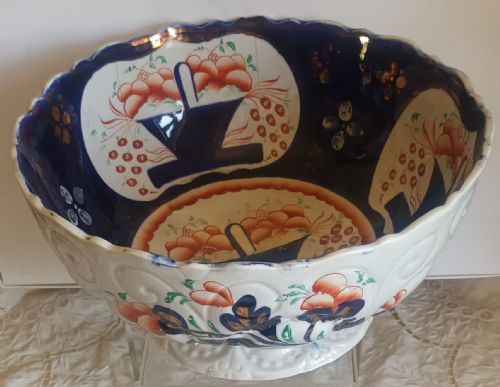
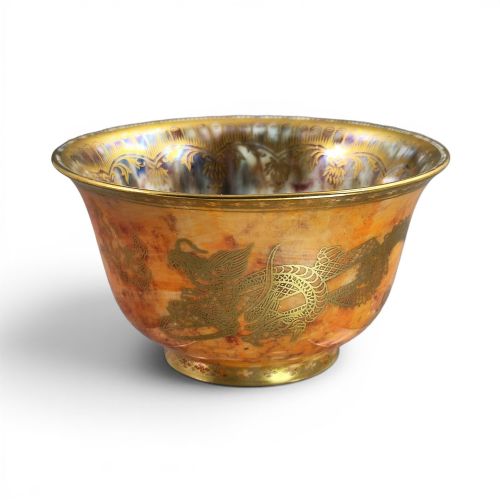
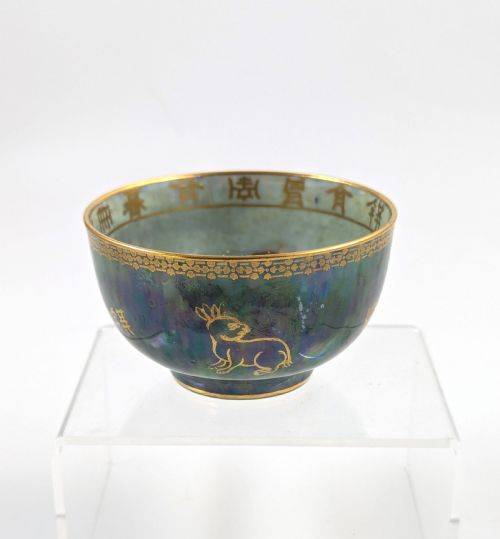
Edwardian pieces dominate the selection, particularly intricate designs featuring dragons, butterflies, and mythological scenes on porcelain. Alongside these sit nineteenth century Sunderland and Gaudy Welsh examples displaying regional patterns.
Materials and technique
Potters form these vessels using earthenware, bone china, or porcelain, applying a base glaze before introducing metallic elements. The distinctive sheen develops through the application of gold leaf, gilt, or specialised lustre glaze during firing.
Painters and designers add intricate motifs by hand, utilising techniques that create iridescent surfaces ranging from mottled orange to deep ruby. Subsequent firings fix the metallic oxides into the glaze to produce the characteristic reflective finish.
Lustreware Ceramic Bowl Retail Price Guide 2026
Typical asking prices for lustreware ceramic bowl among the pieces listed under this phrase on Sellingantiques today, from the lower quarter to the upper quarter. They describe what is for sale here now, not the wider market.
Listings span multiple centuries, uniting pre-sixteenth century Persian pieces with nineteenth and twentieth century British porcelain and earthenware.
Judging quality
Quality rests upon the precision of the hand-painted detailing and the depth of the metallic iridescence across the surface. Pieces featuring complex pictorial scenes or multiple glaze layers demand greater skill than simpler monochrome or mottled designs.
The crispness of the transfer printing or hand-drawn motifs distinguishes standard production from exceptional studio output. Condition of the delicate glaze and preservation of the gilt highlights also govern the standing of individual vessels.
Daisy Makeig-Jones Wedgwood·James Hodgkiss
The Lustreware Ceramic Bowl Glossary
- Lustre Glaze
- A type of pottery glaze containing metallic salts that produce an iridescent, metallic sheen upon firing. This chemical application creates the reflective surface characteristic of the genre.
- Bone China
- A type of soft-paste porcelain incorporating bone ash for strength and translucency. It provides a smooth white body ideal for detailed enamel painting.
- Earthenware
- Porous pottery fired at lower temperatures than stoneware or porcelain. It serves as the primary body for many historical examples.
- Art Deco
- A design style popular in the early twentieth century characterised by geometric shapes and streamlined forms. Pieces from this period often display bold patterns and vivid colour combinations.
Lustreware Ceramic Bowl: Frequently Asked Questions
What is a lustreware ceramic bowl?
A lustreware ceramic bowl is a pottery vessel finished with a metallic glaze that creates an iridescent, reflective surface. These pieces range from medieval Persian earthenware to twentieth century porcelain.
Craftsmen apply metallic oxides to achieve the characteristic sheen, which catches the light and shifts in colour depending on the angle of view.
How do I care for a lustreware ceramic bowl?
These delicate vessels require gentle handling and cleaning with a soft, dry cloth to protect the metallic glaze and gilt details. Avoid using abrasive cleaners or immersion in water for extended periods.
Display the bowl away from direct sunlight and sources of extreme heat to preserve the integrity of the surface colours.
How do I identify Persian examples?
Persian examples from periods such as the thirteenth century typically feature characteristic earthenware bodies with tin glazes and cobalt or copper lustre pigments. Motifs often include riders, horses, and traditional Islamic geometric patterns.
These early pieces differ significantly in weight and body composition from later nineteenth and twentieth century European porcelain productions.
What subjects appear on Edwardian pieces?
Edwardian bowls frequently display fantastical subjects such as dragons, phoenixes, butterflies, and fairies set against mottled or patterned backgrounds. Designers utilised rich colour palettes involving ruby, green, and orange.
These pictorial themes reflect the imaginative artistic trends popular during the early twentieth century.