

Low Wooden Benches
Low wooden benches bring tactile grain and compact utility to an interior, spanning rustic forms and refined period seating.
Low Wooden Benches
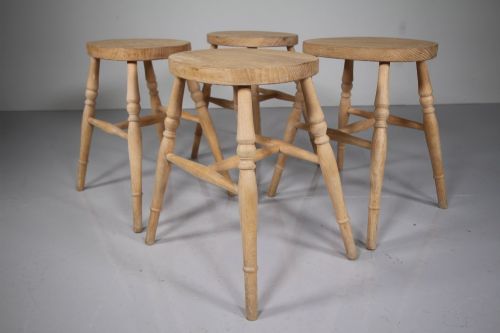
Low wooden benches encompass a broad sweep of utilitarian forms, stretching from narrow pig benches and milking stools to luggage stands and low coffee tables. These pieces originate across diverse domestic and regional traditions, reflecting the specific practical demands of past workshops and households.
Buyers browsing low wooden benches encounter selections dominated by nineteenth-century examples alongside Victorian and Edwardian pieces. The inventory draws together disparate cultural expressions, from English rustic farmhouse seating to Anglo-Indian and Eastern European workshop items.
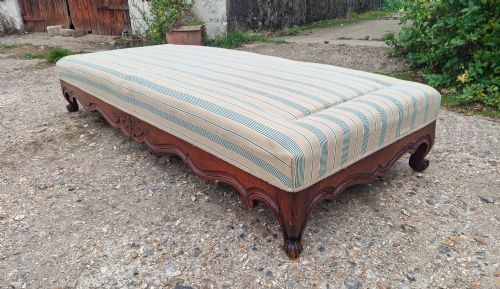
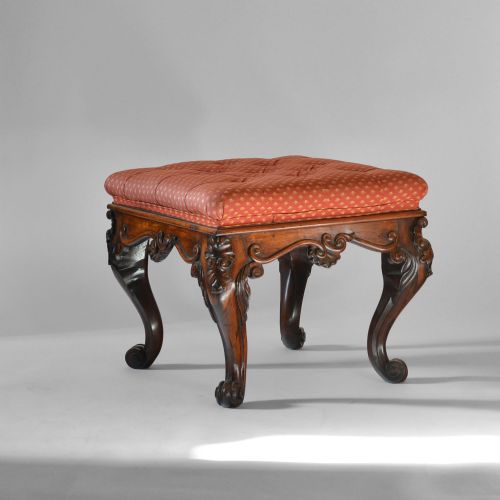
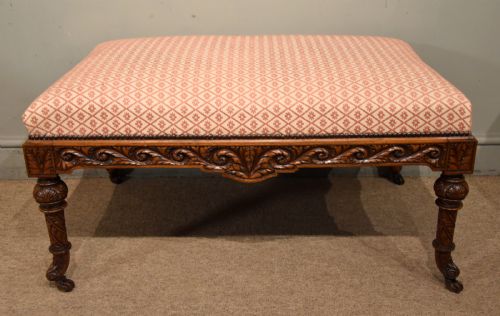
Functional variety defines the selection, merging low seating with occasional tables and display surfaces. Stools, footstools, daybeds and window seats frequently appear alongside dedicated luggage racks and low tables.
Materials and Construction
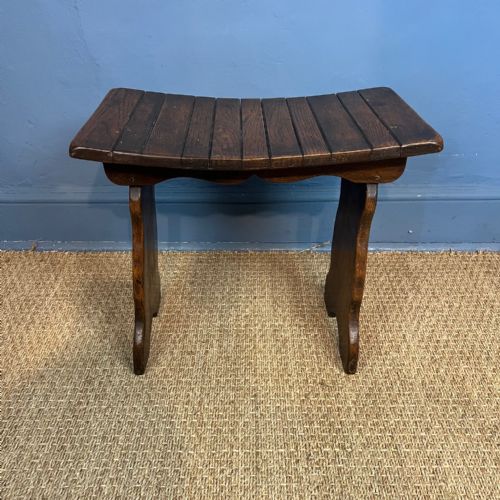
Makers relied heavily on domestic and imported timbers, utilising oak, walnut, mahogany, elm, sycamore, ash and mixed hardwoods. Structural integrity relied on traditional joinery, whether through pegged joints in vernacular furniture or carved detailing in formal seating.
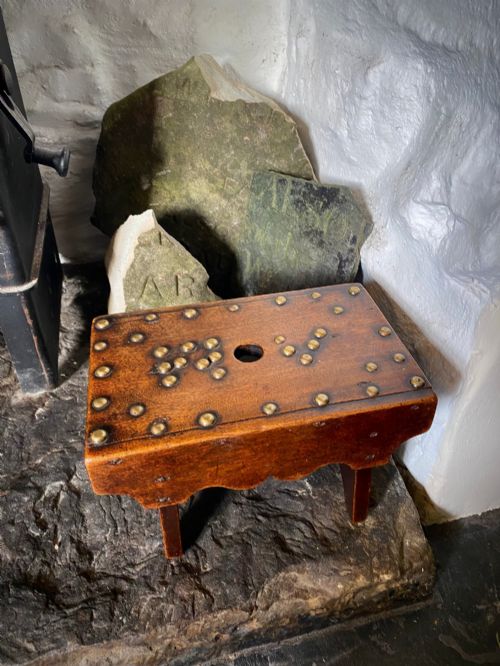
Surfaces often display the raw character of the wood through natural finishes, or retain traces of original paintwork such as ochre and green on milking stools. Upholstered variants incorporate leather or fabric elements to provide padded surfaces for dressing stools and hearth seating.
Low Wooden Benches Retail Price Guide 2026
Typical asking prices for low wooden benches among the pieces listed under this phrase on Sellingantiques today, from the lower quarter to the upper quarter. They describe what is for sale here now, not the wider market.
The selection bridges diverse forms, pairing utilitarian Eastern European milking stools and agricultural pig benches with formal Anglo-Indian and Art Deco seating.
Assessing the Standard
Quality rests upon the integrity of the timber and the honesty of the construction, distinguishing sturdy vernacular work from later adaptations. Pieces retaining their original surface patination, uncompromised joinery and authentic utilitarian wear command greater respect.
Proportion and balance dictate the visual success of these low forms, particularly when utilitarian items cross over into domestic coffee tables or window seats. Finer examples display thoughtful carving or considered turning that elevates everyday objects without obscuring their practical origins.
Harry & Lou Epstein
The Low Wooden Benches Glossary
- Pig bench
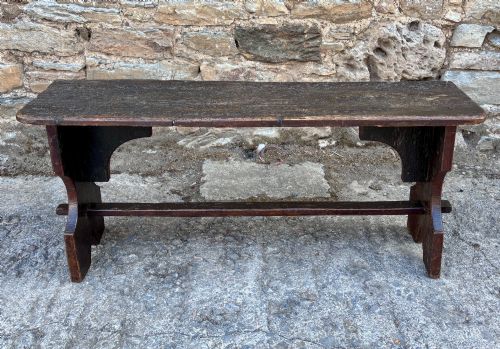
- A low, narrow wooden bench traditionally utilised in agricultural settings for butchery or domestic tasks. These pieces now function widely as low coffee tables due to their linear proportions.
- Milking stool
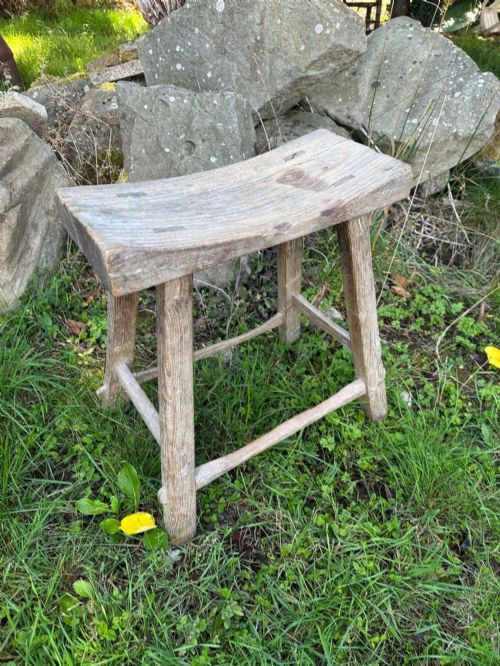
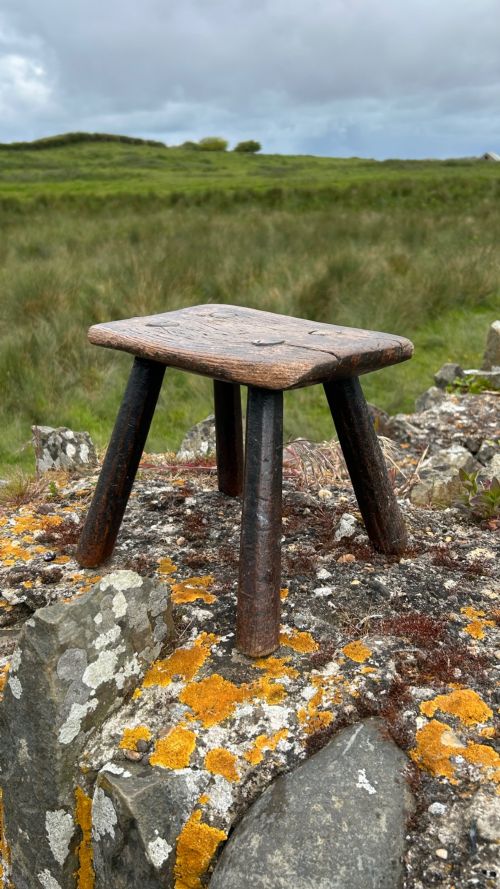
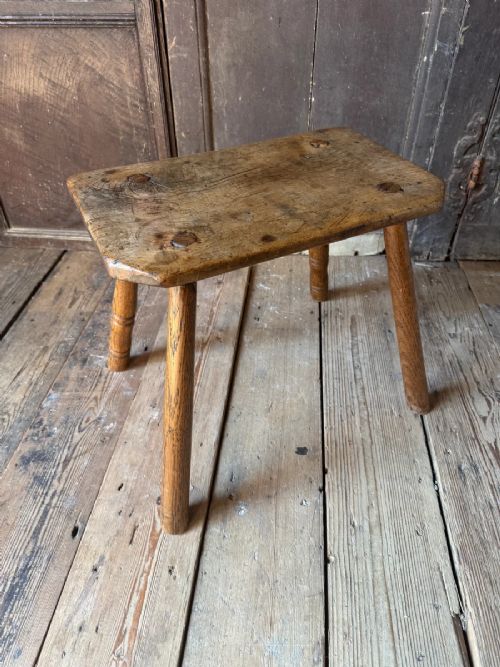
- A small, sturdy three- or four-legged seat designed for stability on uneven agricultural floors. They frequently retain remnants of early painted finishes.
- Luggage stand
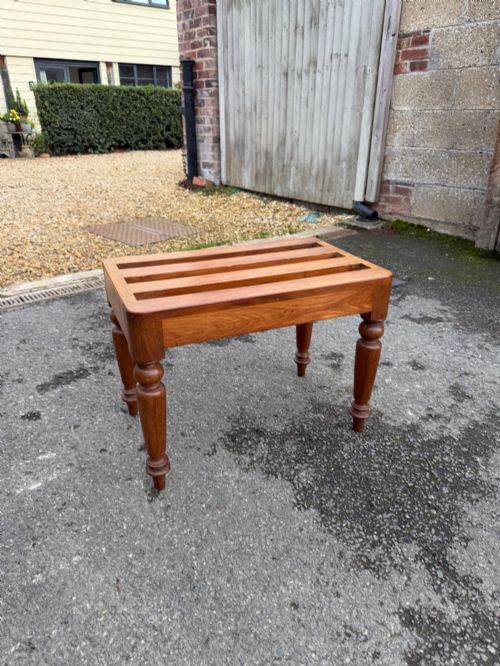
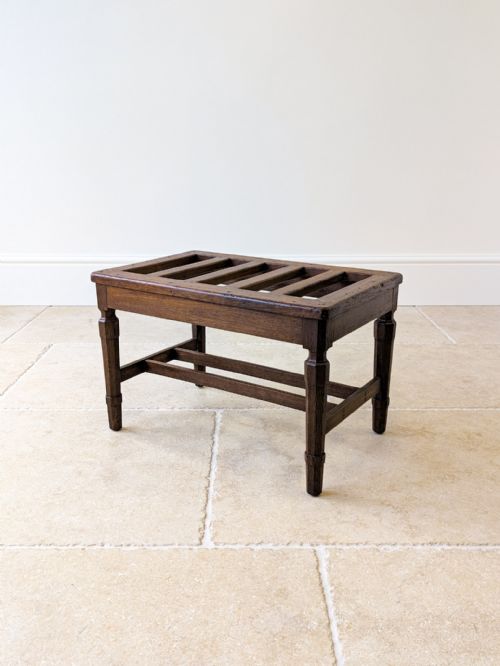
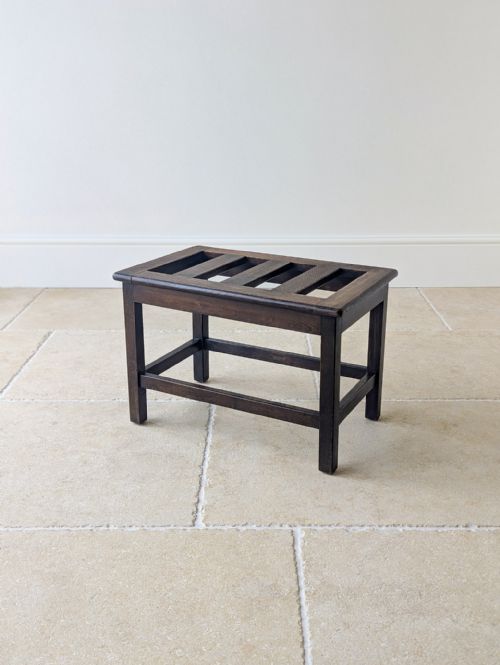
- A low folding or fixed wooden rack fitted with webbing or slats, designed to hold travel trunks at a convenient height. Victorian and Edwardian examples often feature turned legs and small lower shelves.
- Joint stool
- An early form of wooden seating constructed with mortise and tenon joints pegged together. These sturdy frames represent traditional pre-industrial carpentry.
- Altar bench
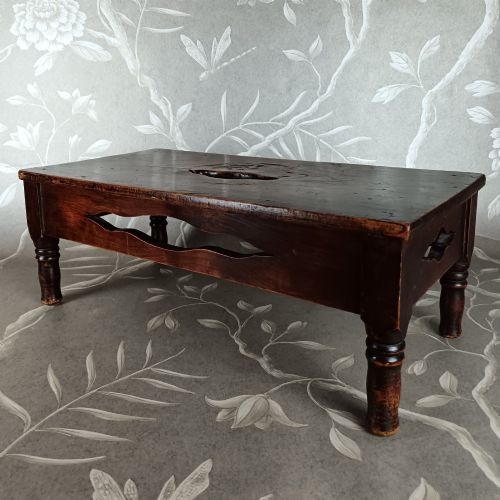
- A low, elongated wooden seating or display form originating in East Asia. They provide low horizontal surfaces with characteristic restrained joinery.
Low Wooden Benches: Frequently Asked Questions
How were low wooden benches originally used?
Many low wooden benches served distinct practical functions in rural and domestic life, acting as seats for milking, stands for luggage in guest rooms, or sturdy surfaces for farm work. Their modest height made them accessible for daily tasks requiring stability close to the ground.
Over time, households adapted these utilitarian objects into casual seating or low display surfaces. Today, their compact scale makes them useful for modern living spaces where traditional furniture might overwhelm the room.
Can antique pig benches work as coffee tables?
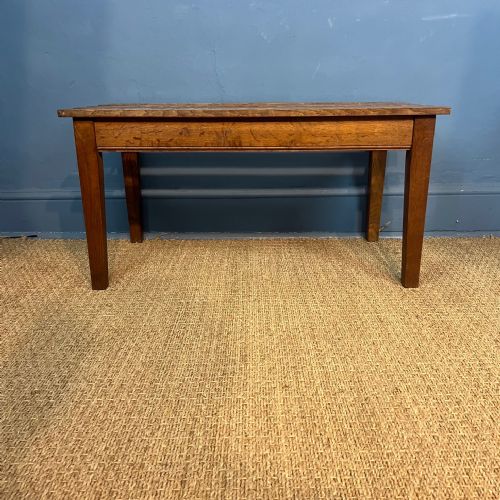
Narrow pig benches possess ideal proportions for contemporary coffee tables, offering a long, low surface that anchors a seating arrangement without blocking sightlines. Their aged timber and patinated tops introduce natural texture to a room.
When styling these benches in a modern interior, consider the height of existing sofas to ensure comfortable clearance. Their original rustic character contrasts effectively with upholstered furniture and smooth flooring.
How do I care for antique wooden benches?
Preserving the surface of antique timber requires minimal intervention, relying primarily on dusting with a soft, dry cloth. Avoid placing wooden benches near direct heat sources or in fluctuating humidity to prevent the timber from splitting.
Period pieces with original paintwork need particular care to protect the fragile pigment. Applying occasional neutral wax helps nourish unvarnished hardwoods without altering their historic patina.
What defines a Victorian luggage stand?
Victorian luggage stands are low wooden frames typically constructed from oak or mahogany, featuring sloped or flat tops designed to support heavy travel trunks. They often incorporate turned legs and stretchers for added structural support under heavy loads.
These pieces frequently include a lower slatted shelf intended for shoes or smaller items. Their compact footprint and sturdy build make them adaptable for use as small side tables or bench seating.