


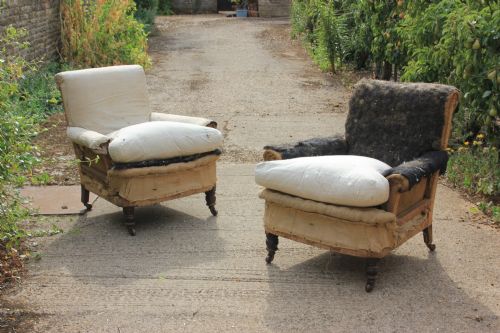
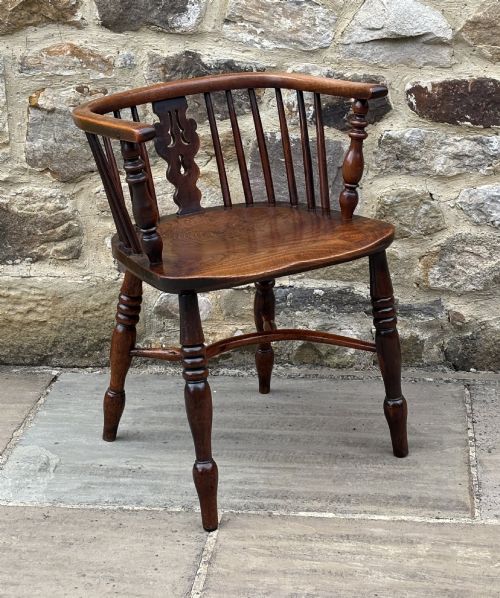
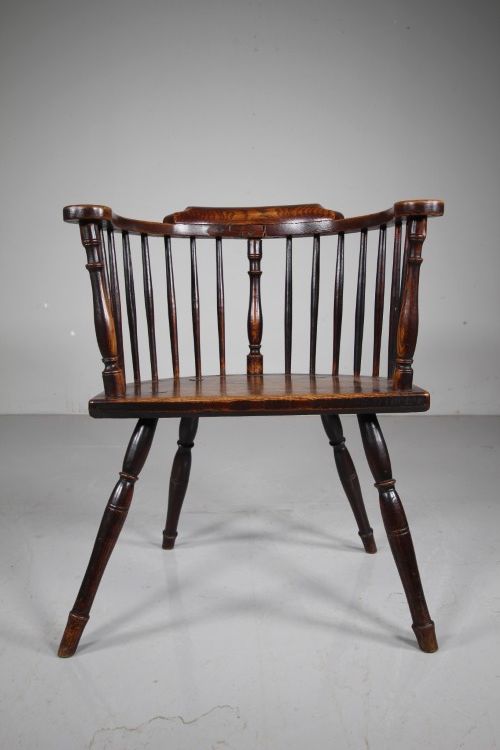
Low Wooden Armchair
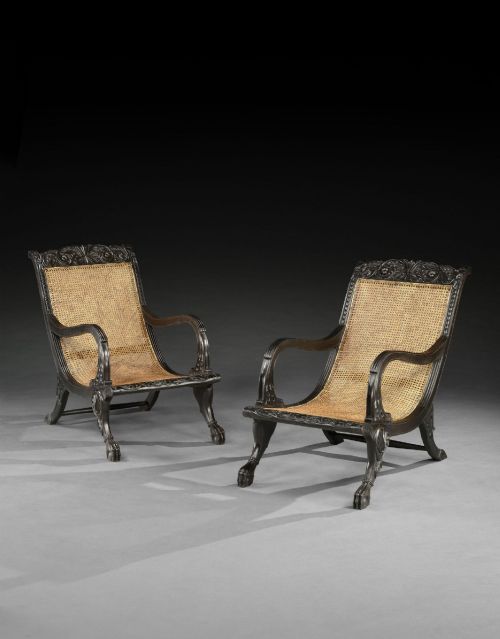
A low wooden armchair provides a grounded, supportive seat, and these traditional examples bring vernacular character and solid construction into any room.
Low Wooden Armchair
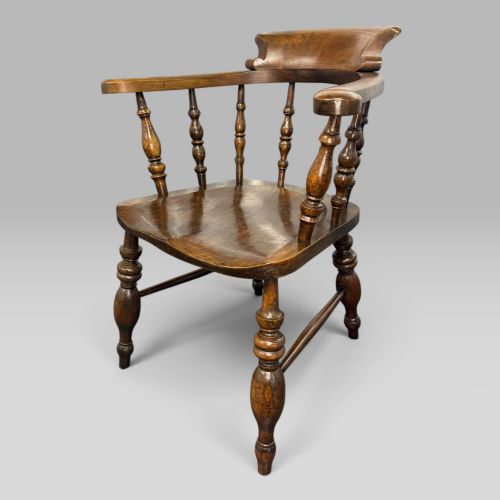
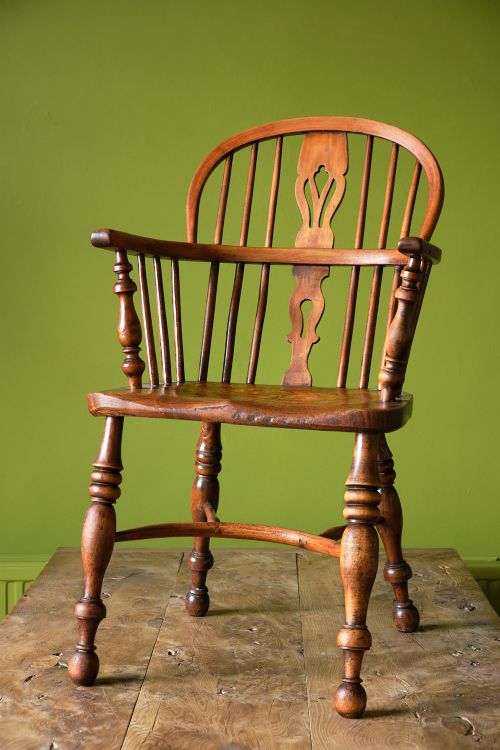
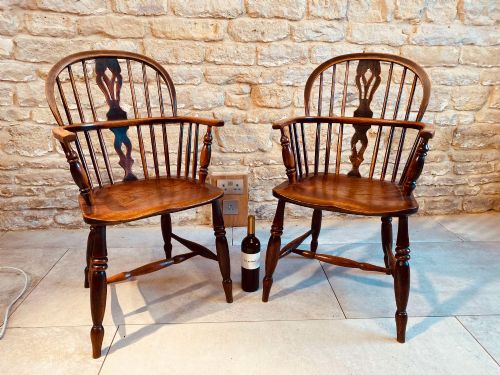
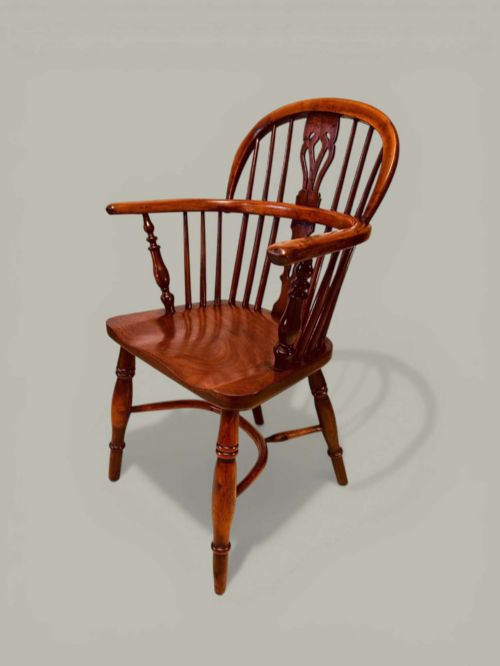
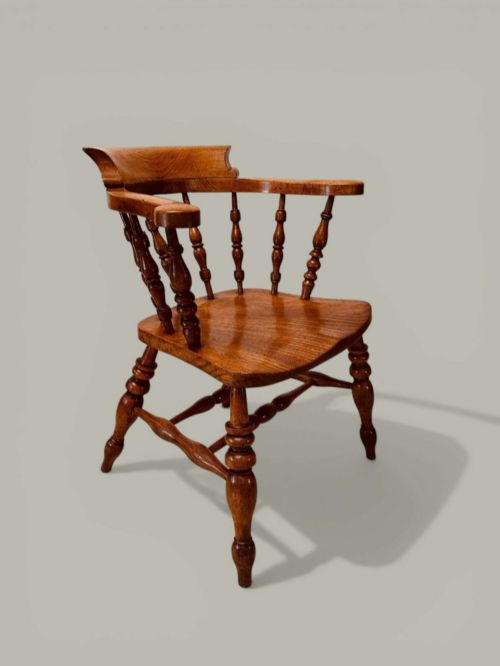
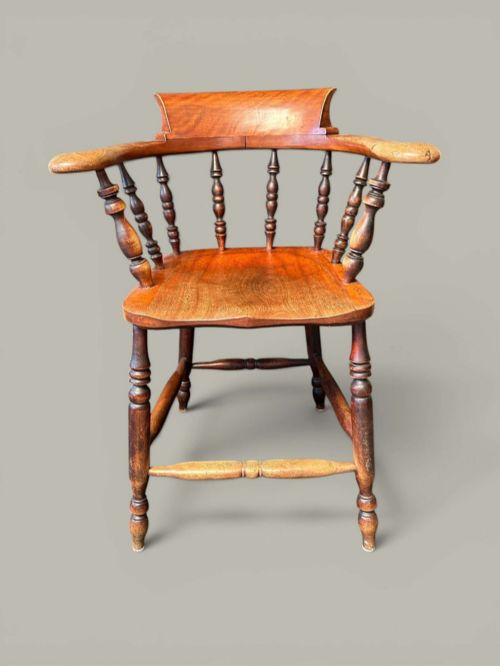
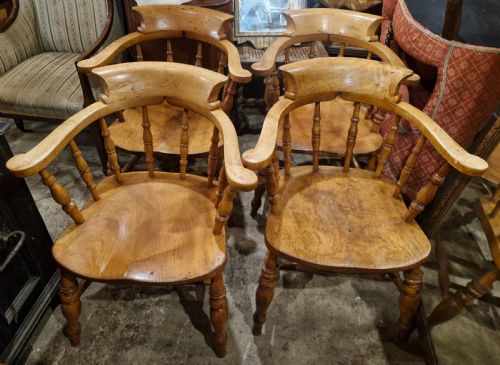
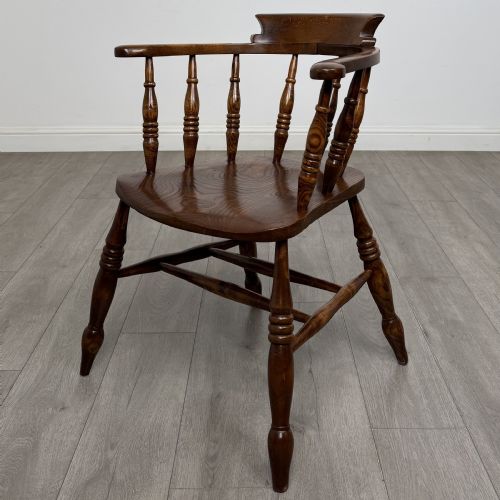
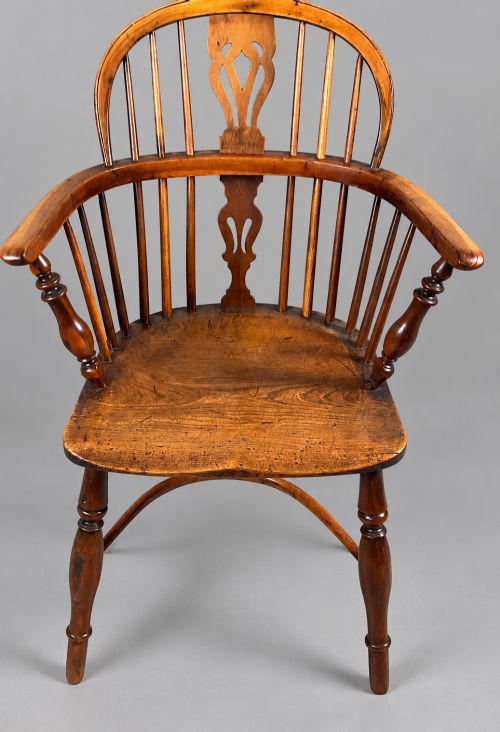
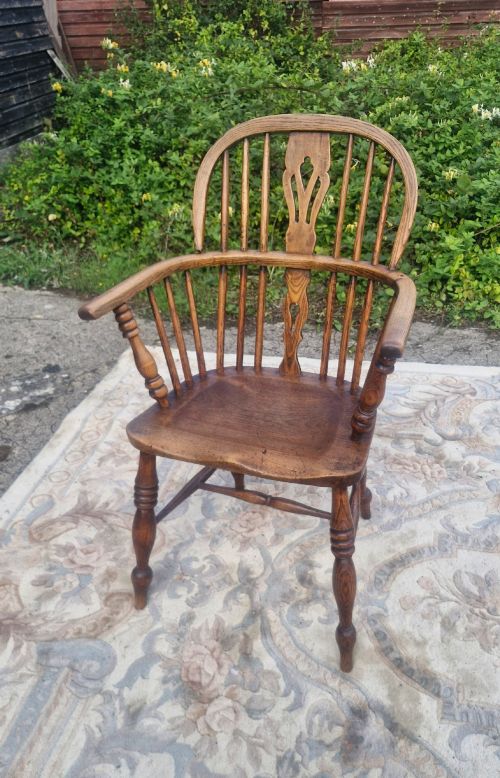
A low wooden armchair encompasses sturdy vernacular forms designed for practical sitting, ranging from country Windsor chairs and smoker's bows to low rush seated ladder backs. When exploring a low wooden armchair, buyers frequently encounter nineteenth century examples shaped from native timbers with low backs and generous seats.
The selection spans periods from the eighteenth century through the Edwardian era, incorporating styles such as Victorian country and Aesthetic Movement designs. Forms include nursing chairs, captain's chairs, and low back Windsor armchairs originating from English workshops.
How they were made
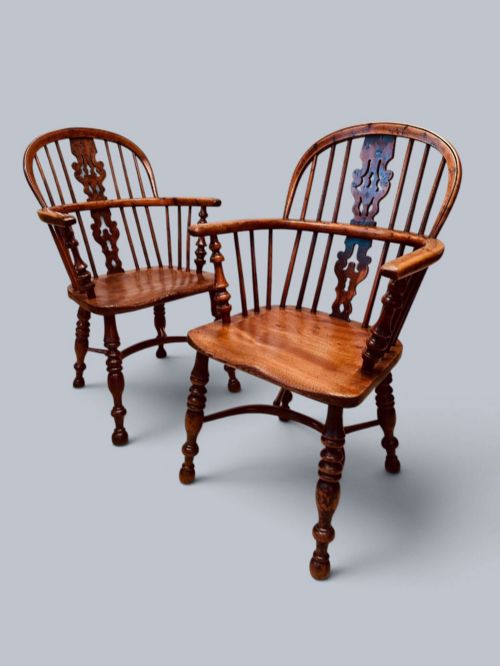
Maker construction relies heavily on native British hardwoods combined in a single frame, pairing elm seats with ash spindles, beech turnings, or figured yew wood. Traditional joinery utilises solid timber boards, steam-bent bows, and pegged joints to handle daily weight without modern hardware.
Surface finishes range from polished timber patinas to rush seating woven tightly into ladder back frames. Secondary materials such as brass fittings or fabric upholstery appear on specific salon and nursing chair variants.
Low Wooden Armchair Retail Price Guide 2026
Typical asking prices for low wooden armchair among the pieces listed under this phrase on Sellingantiques today, from the lower quarter to the upper quarter. They describe what is for sale here now, not the wider market.
Listings feature low wooden armchair examples spanning the eighteenth, nineteenth, and early twentieth centuries in elm, ash, yew, and beech.
What varies in quality
Quality rests upon the selection of timber and the richness of the natural grain, particularly in yew wood or burr elm backs where figuring enhances visual depth. The integrity of the original joints and the crispness of the spindle turnings also distinguish standard workshop production from finer country craftsmanship.
Proportion and stance separate ordinary seating from superior examples, with well-balanced low proportions offering both comfort and visual harmony. The depth of the patina accumulated through decades of use marks the distinction between a cared-for survival and a stripped surface.
Liberty Morris And Co·Gabbitass Worksop Maker·Rockley Maker·Liberty And Co
The Low Wooden Armchair Glossary
- Smoker's Bow
- A sturdy low-backed Windsor armchair featuring a continuous curved arm rail, commonly found in nineteenth century English pubs and farmhouses.
- Windsor Chair
- A wooden chair constructed with a solid elm seat into which the legs, back spindles, and bow are separately bored and wedged.
- Rush Seat
- A woven seating surface made from dried marsh rushes, frequently utilised in traditional ladder back and Arts and Crafts chairs.
- Low Back
- A characteristic of regional chairs designed with a shorter back height to fit easily beneath windows or near hearths.
Low Wooden Armchair: Frequently Asked Questions
What is a low wooden armchair?
A low wooden armchair is a sturdy seat built from native hardwoods with a reduced back height designed for comfort near hearths or in parlours.
These pieces include country Windsor chairs, smoker's bows, and rush seated ladder backs dating primarily from the nineteenth century.
How were low wooden armchairs used?
Low wooden armchairs served practical functions in domestic and public spaces, providing supportive seating for working, smoking, or reading.
Their sturdy timber construction allowed them to endure daily use in farmhouses, cottages, and provincial pubs.
How do I identify a Windsor armchair?
A Windsor armchair is identified by its solid wooden seat into which the legs and back components are inserted directly rather than built into a separate frame.
Most examples employ a combination of woods, such as elm seats paired with ash or yew spindles and bows.
How do I care for antique wooden chairs?
Antique wooden chairs require stable indoor humidity to prevent timber shrinkage and joint loosening.
Periodic application of suitable wax maintains the natural lustre and patina of the wood without sealing the grain.