


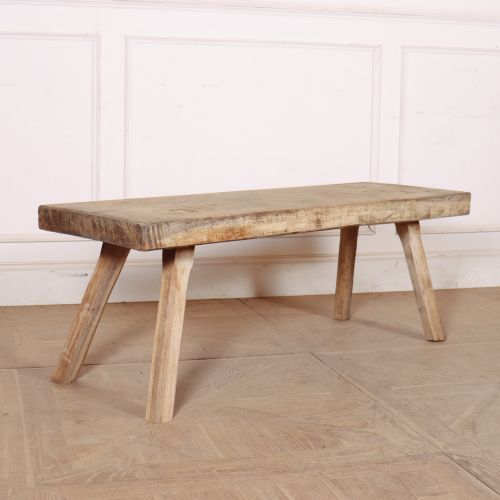


Low Timber Table
A low timber table brings grounded character and practical surface space to a room, drawing on diverse global traditions from rustic elm benches to Chinese plank-top trestles.
Low Timber Table
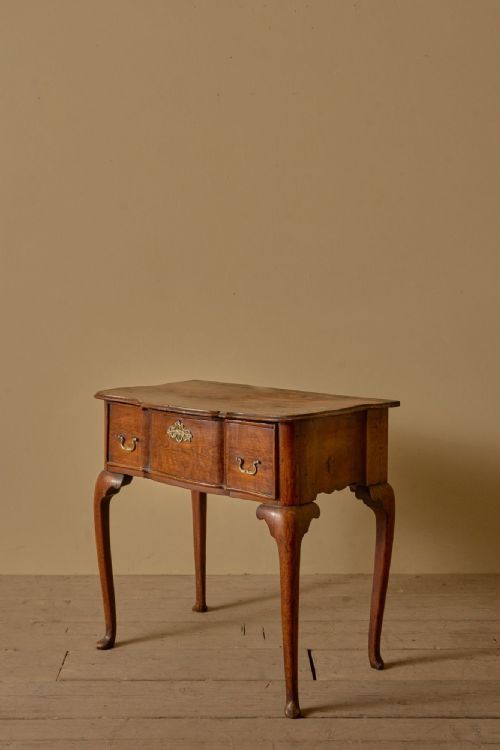
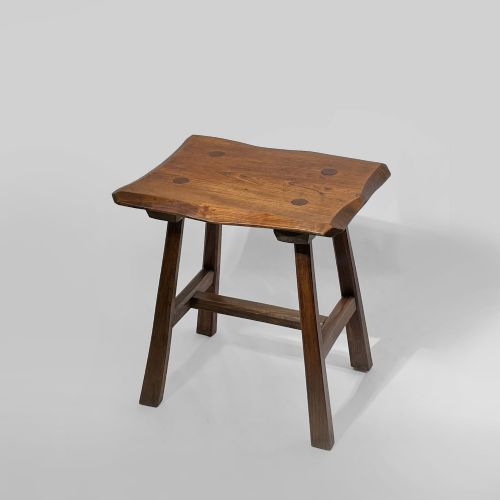
A low timber table is a surface designed to sit close to the floor, encompassing diverse forms such as coffee tables, stools, low boys, opium tables, and occasional tables. When you search for this phrase, you encounter pieces that span centuries of domestic life, from 18th-century Austrian boards to Victorian rosewood and 1930s nests.
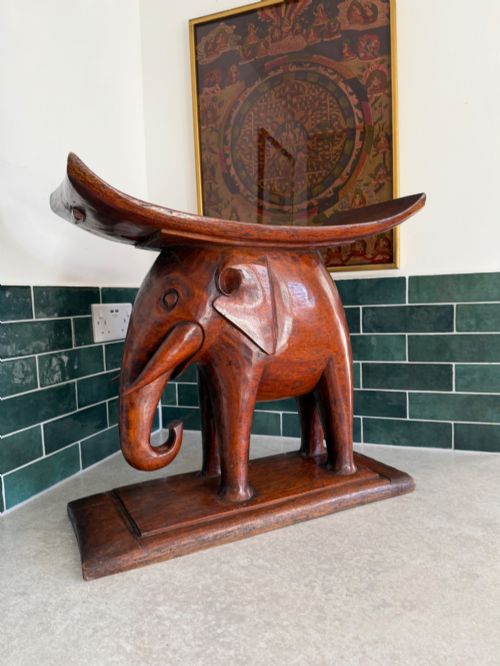
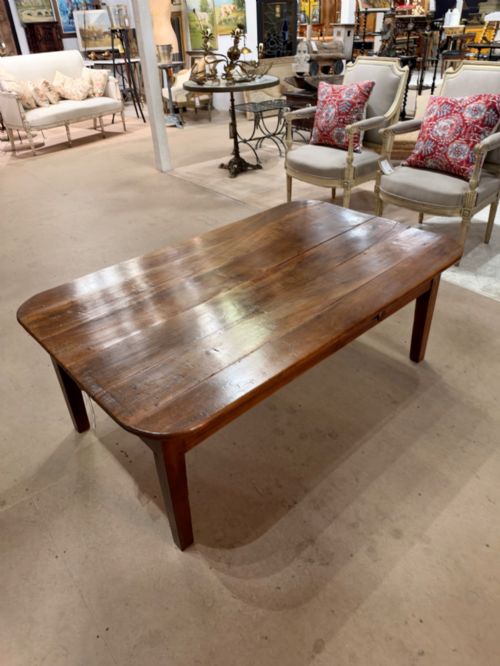
The versions most commonly met on this page range from rustic country elm and cherrywood farmhouse designs to colonial Indian takhats and Chinese hardwood plant stands. These objects originate from varied workshops across England, France, China, India, and Denmark, united primarily by their elevated timber construction and low stature.
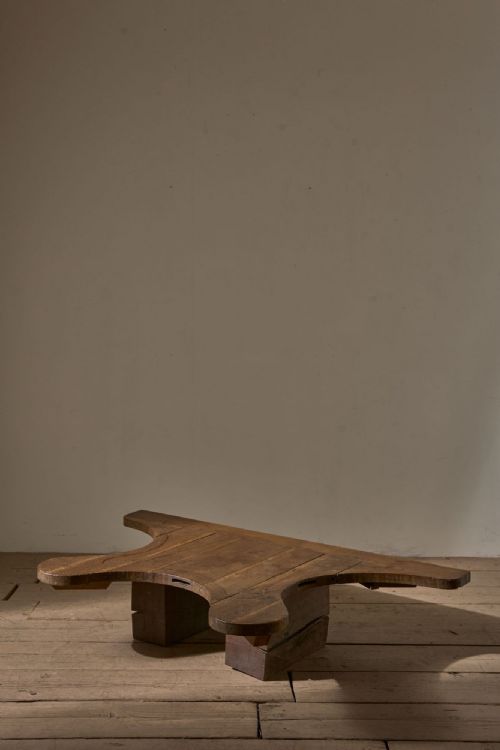
Many items repurposed for modern living began life as functional work tables, dough-proving boxes, jewellers' benches, or even bullock carts before finding new purpose as coffee tables. This adaptive history means proportions vary widely, from long trestles to compact square occasional pieces.
Materials and construction
Constructed predominantly from solid timbers such as oak, elm, mahogany, walnut, sycamore, and cherry wood, these tables rely on the natural grain and strength of the wood. Craftsmen often utilised native hardwoods for durability, pairing plank tops with sturdy trestles, turned legs, or mortise and tenon joints.
Secondary elements like brass fittings, cane seating, and painted finishes appear across various regional traditions, from French provincial scrubbed surfaces to ebonised Chinese hardwoods. The joining techniques reflect the period of origin, ranging from early vernacular pegging to later parquetry and foundational framing.
Low Timber Table Retail Price Guide 2026
Typical asking prices for low timber table among the pieces listed under this phrase on Sellingantiques today, from the lower quarter to the upper quarter. They describe what is for sale here now, not the wider market.
Materials range from native European oak and elm to exotic hardwoods like Chinese mahogany and Indian teak.
Assessing quality in timber
Quality in a low timber table rests upon the integrity of the original timber and the honesty of its construction. Pieces fashioned from dense, figured hardwoods like rosewood or well-patinated old elm show superior handling by makers who understood how wood moves and ages over time.
The distinction between ordinary utility items and finer examples lies in the precision of the joinery and the depth of the surface finish. Subtle details, such as hand-cut dovetails on drawers, integrated trestle supports, and untouched patination accumulated through generations of use, elevate an everyday bench into a distinguished centrepiece.
The Low Timber Table Glossary
- Takhat
- A low Indian seating platform or table, traditionally used for sitting or working cross-legged. These pieces are often heavily carved from dense hardwoods and make robust modern coffee tables.
- Trestle table
- A table comprising two or more supports connected by a longitudinal beam, holding a loose or fixed plank top. This ancient form provides exceptional stability for low dining or surface use.
- Joint stool
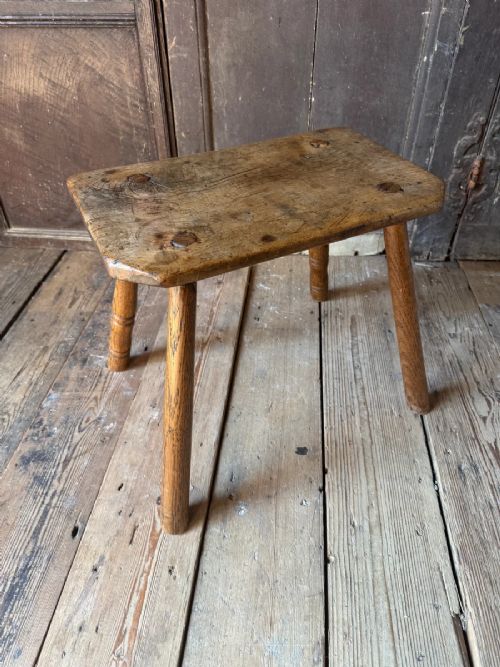
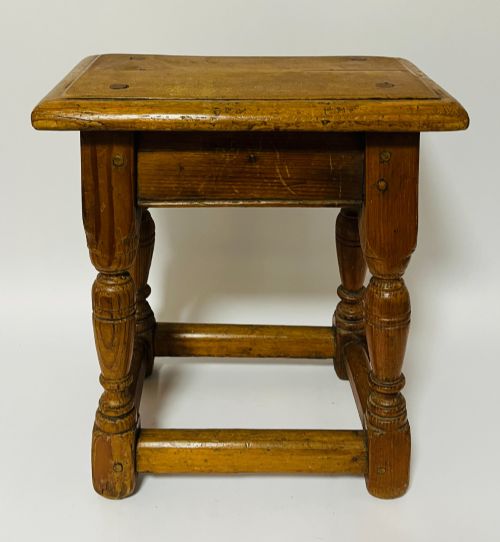
- An early form of wooden stool constructed with mortise and tenon joints before the dominance of chair-making. Their sturdy frames frequently survive to serve as low side tables.
- Potboard dresser base
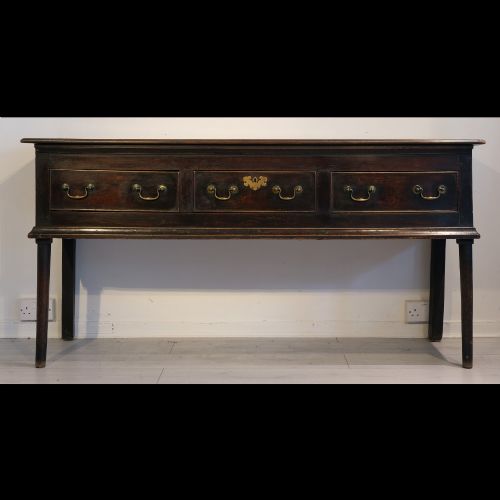
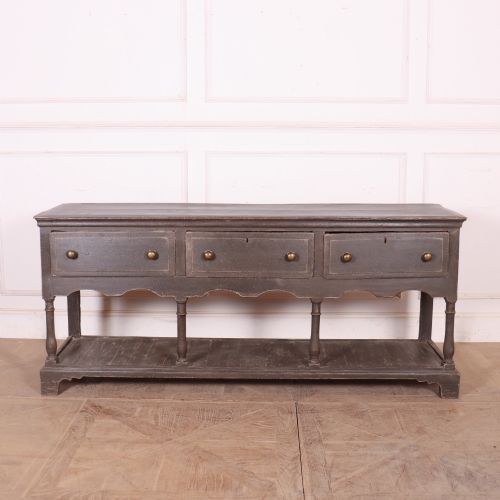
- The lower section of a kitchen storage unit featuring a low open shelf near the floor. Stripped of their upper racks, these sturdy timber bases function as elongated low tables.
- Quartetto
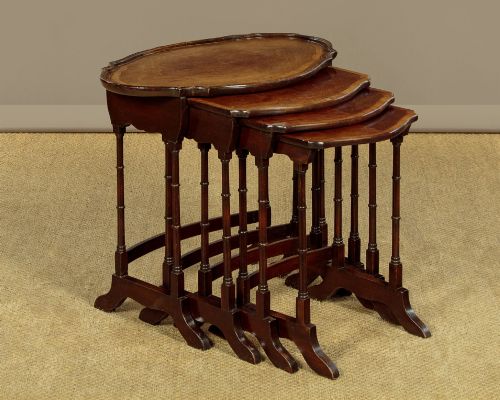
- A set of four small occasional tables designed to nest inside one another. Popular in the Victorian and early twentieth-century periods, they offer flexible surface space.
Low Timber Table: Frequently Asked Questions
What is a low timber table used for?
These pieces serve primarily as coffee tables, footstools, or occasional surfaces placed before seating in living areas. Their low profile makes them adaptable for holding books, lamps, or decorative objects without dominating the room's sightlines.
Historically, many of these low platforms served entirely different domestic or working functions before modern interiors repurposed them. From opium dens to European workshops, their utility evolved alongside changing architectural styles.
How do I identify the wood type?
Examining the grain pattern, weight, and colour helps determine the timber species, whether it is open-grained oak, dense mahogany, or characterful elm. Closer inspection reveals natural growth rings and historical tool marks left by early carpenters.
Some pieces feature painted finishes or ebonisation that conceal the underlying wood beneath decorative surfaces. In these instances, checking the underside or unpainted joints offers a clearer view of the primary material.
Are these tables suitable for daily use?
Solid timber construction makes these tables remarkably resilient for everyday living, handling regular weight and movement with ease. Their sturdy joints and seasoned woods have already survived decades or centuries of domestic activity.
Maintenance involves simple care appropriate for antique wood, avoiding excessive moisture and direct heat sources. A gentle application of natural wax preserves the patinated surface against daily wear.