




Low Round Occasional Table
A low round occasional table anchors a room with compact utility, bringing warmth and character through timber surfaces and period craftsmanship.
Low Round Occasional Table
A low round occasional table serves primarily as a coffee table, lamp table, or wine table within domestic spaces. When buyers search for a low round occasional table, they encounter diverse iterations spanning the nineteenth century through the mid-twentieth century.
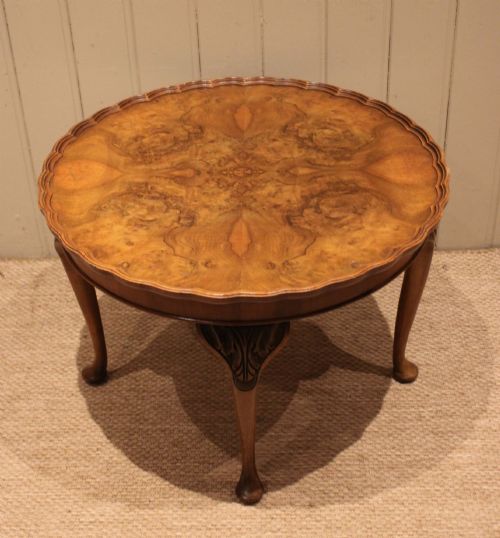
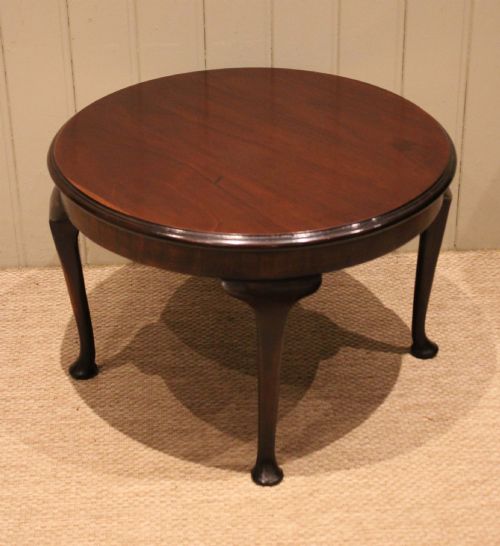
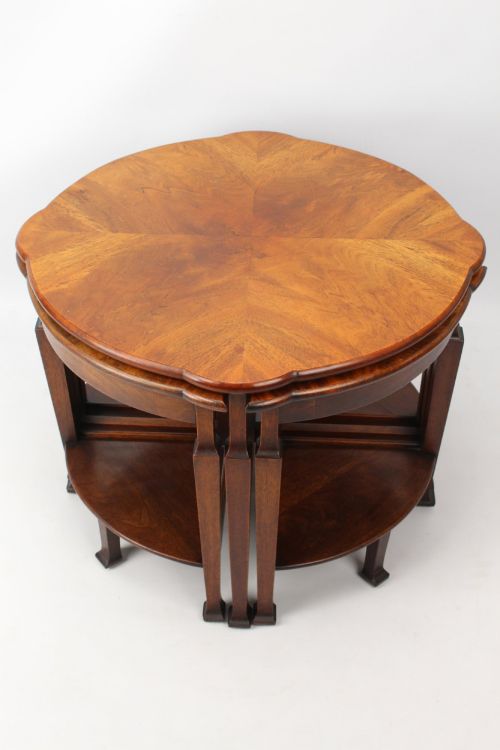
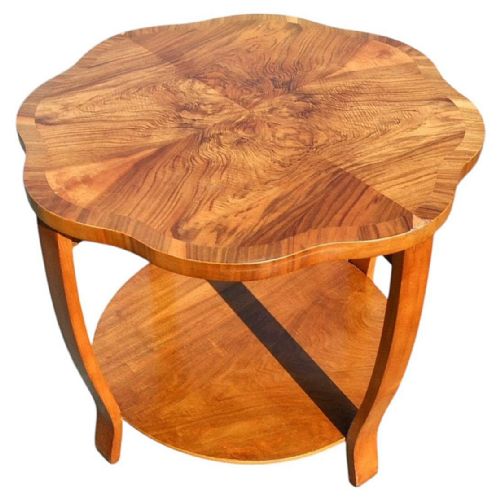
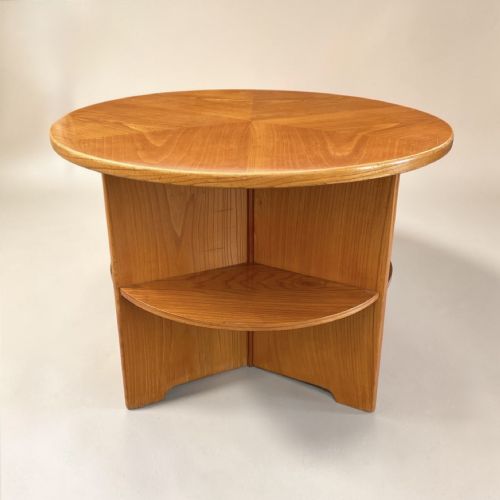
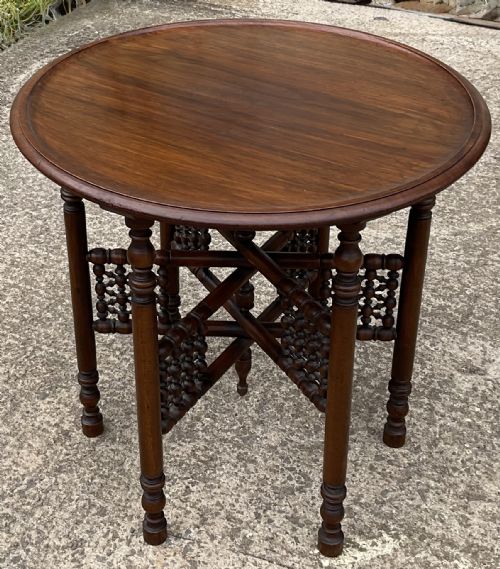
The pieces appearing here include walnut, mahogany, and oak examples shaped by Art Deco, Victorian, and Chinese Qing Dynasty aesthetics. Nesting configurations and two-tier designs also feature frequently among the selections.
Nineteenth-century wine and lamp tables adapted for lower heights sit alongside dedicated Art Deco walnut creations from the 1930s. This mix offers circular formats designed to fit neatly beside seating arrangements without dominating the floor plan.
Materials and construction
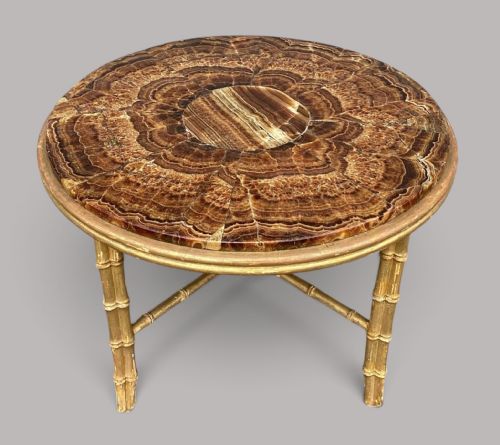
Cabinet makers utilised solid woods and decorative veneers over secondary timbers, favouring walnut, burr walnut, and mahogany for their rich grain patterns. Marble tops also appear, providing a contrasting stone surface supported by wood or giltwood frames.
Techniques range from traditional joinery on Victorian and Edwardian examples to veneering methods characteristic of Art Deco pieces. Ebonised wood and brass details sometimes accent the primary timber structures.
Low Round Occasional Table Retail Price Guide 2026
Typical asking prices for low round occasional table among the pieces listed under this phrase on Sellingantiques today, from the lower quarter to the upper quarter. They describe what is for sale here now, not the wider market.
Current listings span the nineteenth century through the mid-twentieth century, featuring walnut, mahogany, oak, and marble materials.
Distinguishing quality factors
The choice of timber veneer fundamentally separates standard examples from exceptional ones, particularly where highly figured burr walnut or matched grain patterns are employed. Superior execution shows in the precision of the circular top and the stability of the central column or leg assembly.
The integration of materials, such as fitted marble inserts or delicate giltwood carving, dictates the refinement of the piece. Proportion and structural balance remain critical, ensuring the lowered height looks intentional rather than altered.
The Low Round Occasional Table Glossary
- Burr walnut
- A wood harvested from the burl growth of a walnut tree, prized for its swirling, intricate grain patterns on table tops.
- Art Deco
- A design style prominent in the 1920s and 1930s characterised by clean geometric lines and polished wood surfaces.
- Occasional table
- A small, versatile table intended to be moved and utilised as needed around a reception room.
- Giltwood
- Timber that has been coated with a thin layer of gold leaf or gilt paint for decorative emphasis.
Low Round Occasional Table: Frequently Asked Questions
What rooms suit a low round table?
These compact pieces fit comfortably beside low sofas or armchairs in sitting rooms where space is at a premium. Their circular shape softens linear room layouts and allows easy movement around the seating area.
They also function effectively as lamp tables or wine tables in studies and reception spaces. The modest footprint accommodates smaller rooms without clutter.
How do I identify an Art Deco piece?
Art Deco examples from the 1930s often display bold figured walnut or blonde oak veneers with smooth, unadorned surfaces. The emphasis rests on geometric form and the natural beauty of the wood grain rather than applied carving.
Many incorporate streamlined silhouettes or stepped bases typical of the period. These tables frequently present as dedicated coffee tables rather than adapted earlier pieces.
Are marble top tables heavy?
Marble top tables possess noticeable weight due to the stone insert set into the wooden frame. This weight provides stability, keeping the low table firmly planted on the floor.
Despite the heft of the top, the overall size remains manageable for repositioning within a room. Care must be taken when lifting to support both the stone and the timber base.
What is the difference between a coffee and wine table?
Wine tables historically stood taller for holding glasses, but low round occasional tables often include pieces lowered for modern seating heights. Traditional wine tables feature small circular tops intended for occasional placement beside a chair.
Coffee tables are built lower to the ground from the outset to serve a central function before a sofa. Listings occasionally designate lowered wine tables as coffee tables due to their adapted height.