


Low Lounge Table
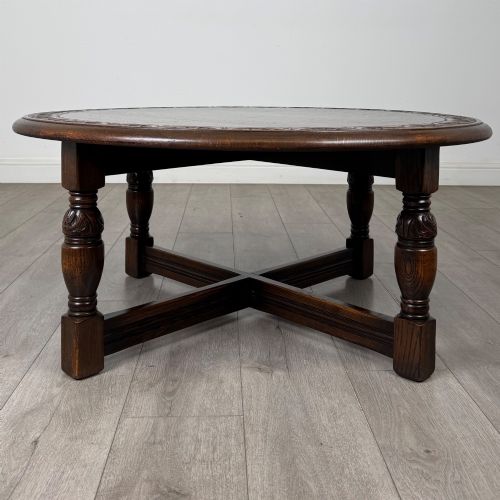
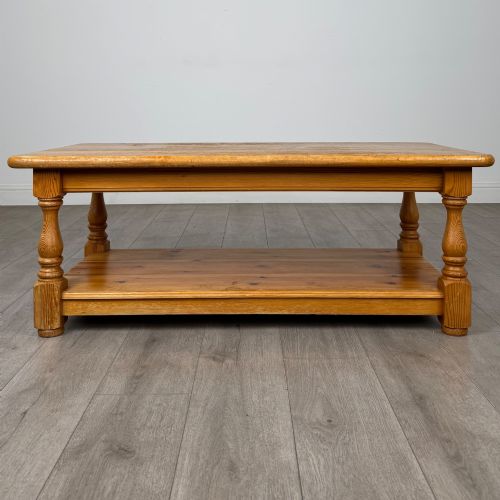
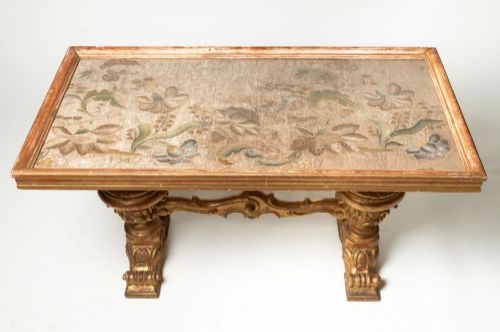
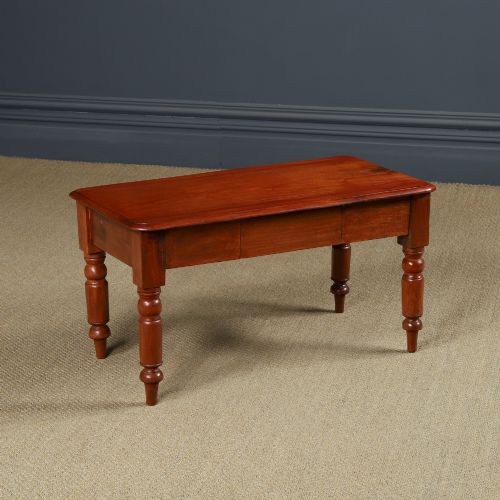
These low lounge table pieces offer practical surface height paired with period character, from Victorian walnut to Art Deco oak.
Low Lounge Table
A low lounge table brings surface utility close to seating level, originating from various periods and regional styles. When you search for a low lounge table, you will encounter diverse forms ranging from rustic farmhouse boards to elaborate revival designs.
The pieces listed here primarily take the form of coffee tables, occasional tables, and low centre tables. Materials span native and exotic timbers including mahogany, walnut, oak, and hardwood, often finished with veneer or paint.
How they were made
Construction relies on solid timbers and applied veneers, with cabinetmakers utilising walnut, mahogany, oak, and satin wood. Joinery techniques connect tops to turned, carved, or cast iron tripod bases.
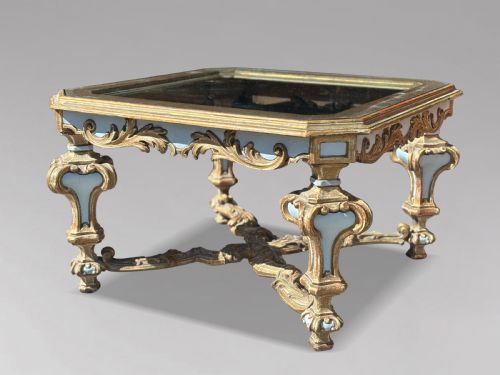
Surface treatments include marquetry inlay, gold leaf, and painted finishes which define the visual weight of each period piece.
Walnut and mahogany appear frequently across Victorian and 1920s listings, alongside painted oak and hardwood.
What varies in quality
Quality depends on the selection of timber figures, such as burr walnut or figured mahogany, and the precision of veneer work. Hand-carved elements and marquetry inlay separate standard utilitarian items from finer examples.
Structural integrity of the base, whether traditional wood joinery or combined with modern cast iron supports, influences the overall proportion and stability of the table.
Harrods
The Low Lounge Table Glossary
- Marquetry
- Decorative veneer patterns arranged in pictorial or geometric designs on furniture surfaces. It requires skilled cutting and fitting of different coloured wood veneers.
- Burr walnut
- Timber taken from a tree growth featuring intricate, swirling grain patterns. Highly prized for decorative furniture tops.
- Tripod base
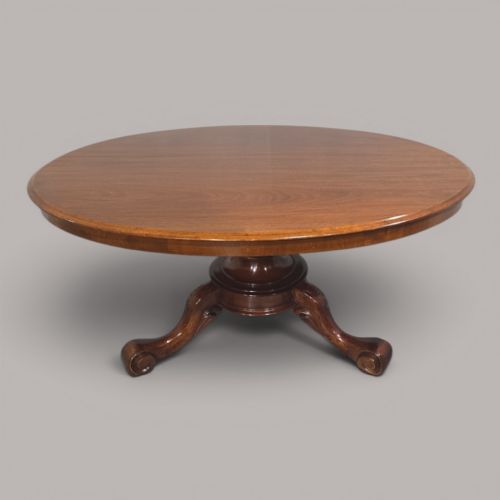
- A support structure with three legs radiating from a central column. Common in Victorian and revival occasional tables.
- Occasional table
- A small, movable table designed for periodic use rather than a fixed room layout. These often serve subsidiary functions in sitting rooms.
- Biedermeier revival
- A style reflecting the 19th-century Central European aesthetic focusing on utility and clean lines. Pieces often highlight warm wood grains without excessive ornamentation.
Low Lounge Table: Frequently Asked Questions
What periods do these low tables come from?
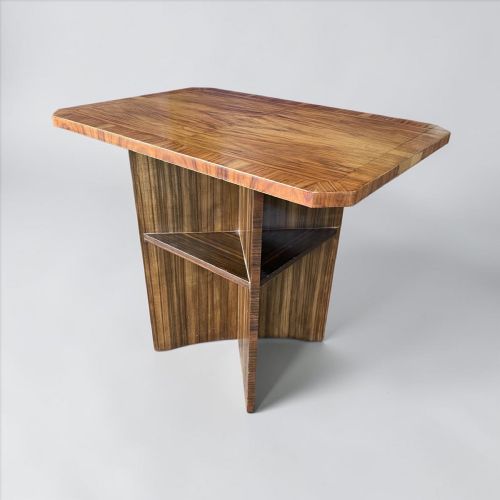
The pieces span from the 19th century through the Victorian and Edwardian eras into the 1920s and 1930s. Styles range from rustic farmhouse and French Rococo revival to Art Deco.
Construction methods and materials shift alongside these dates, reflecting changing domestic fashions and available timbers.
How do I use a low lounge table?
These tables sit comfortably beside sofas and armchairs, providing a surface for drinks, books, or decorative objects. Their reduced height keeps sightlines open across a room.
Placement depends on the scale of your seating arrangement and the clearance needed for legroom.
How do I care for wooden surfaces?
Polishing with appropriate wax helps maintain the lustre of walnut, mahogany, and oak timbers. Avoid placing hot items or liquids directly onto vulnerable veneer or polished wood.
Gentle dusting keeps carved details and marquetry clean without abrasive cleaning agents.
Are these tables solid wood?
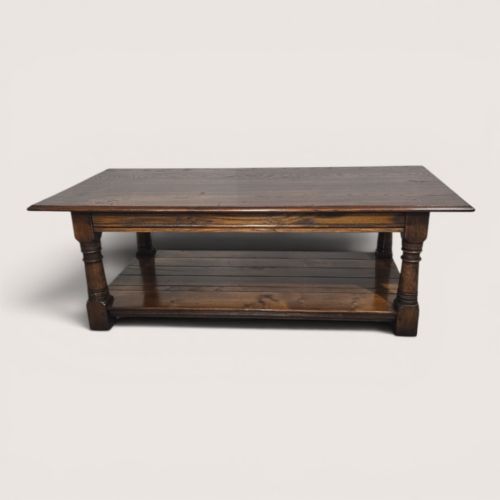
Materials vary between solid planks like oak and pine, and constructed pieces utilising walnut veneer over a secondary wood base. Both methods are typical for period furniture.
Checking the top surface reveals whether the piece relies on solid timber construction or decorative veneering.