



Low Coffee Table Bench
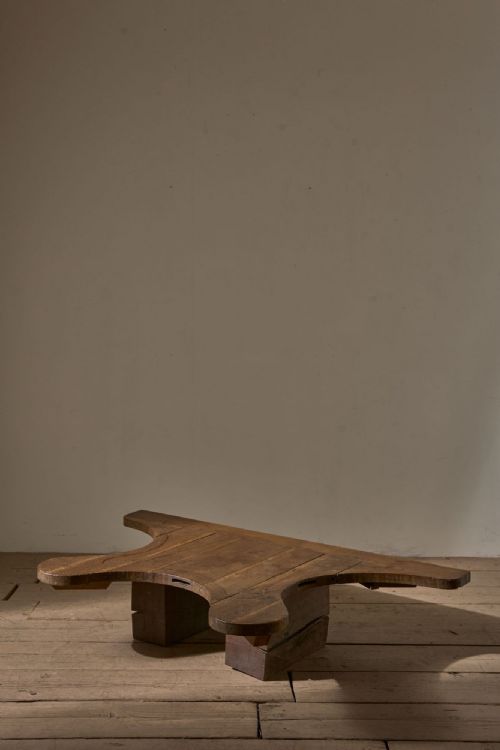
These low coffee table bench pieces bring functional surface space and historic character to a room through repurposed utility forms and traditional low designs.
Low Coffee Table Bench
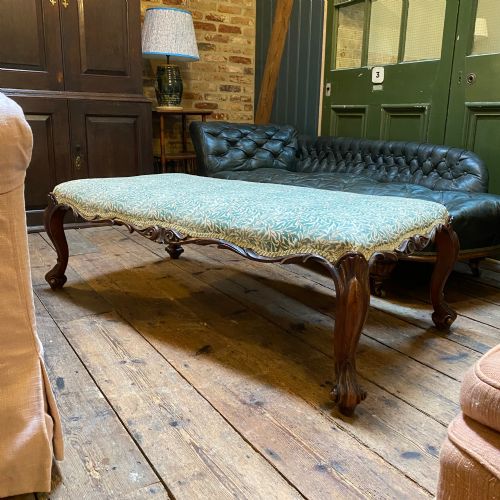
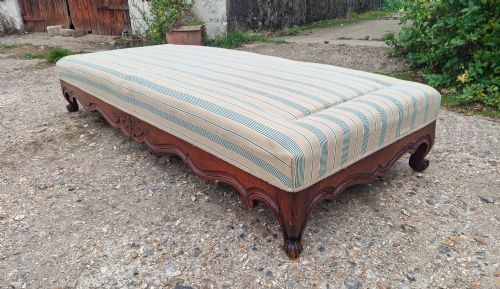
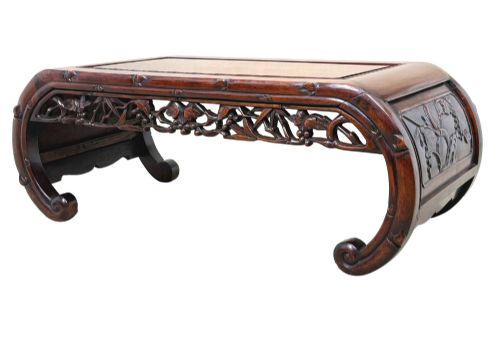
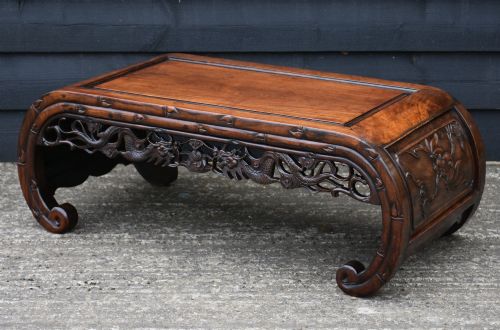
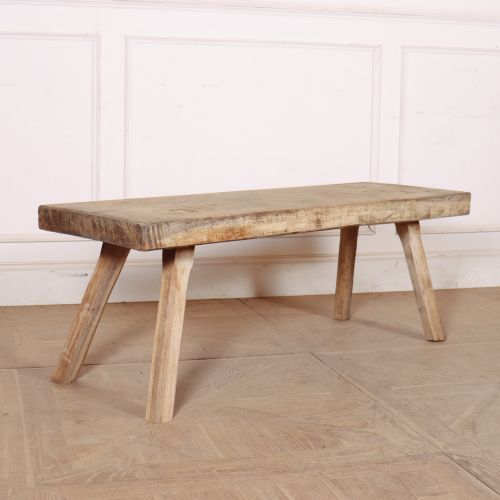
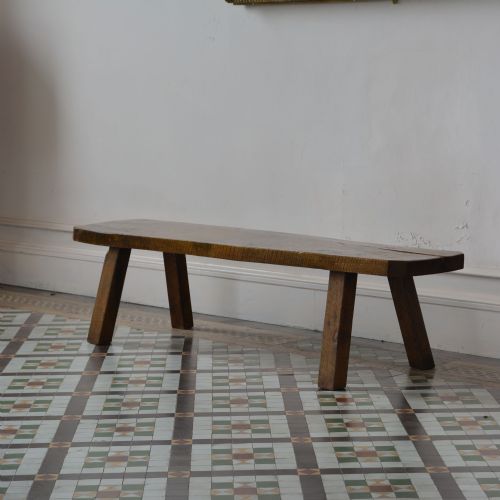
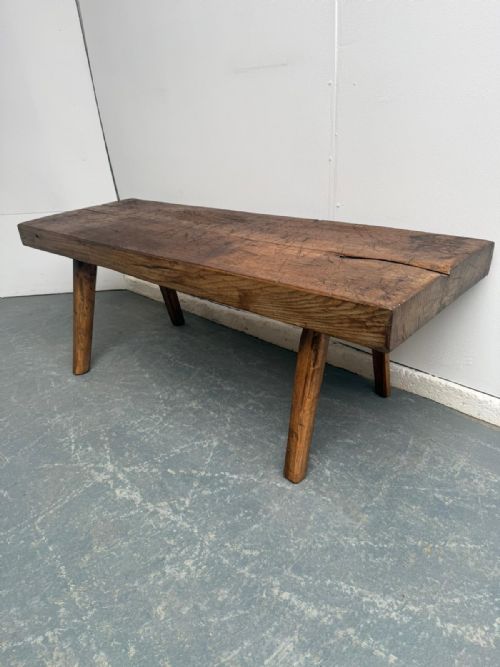
A low coffee table bench brings together seating furniture and low surface forms adapted from historic utilities. When searching for a low coffee table bench, buyers encounter diverse domestic and regional artefacts including oak pig benches, opium tables, footstools, and cheese press tables.
The selection ranges from narrow Hungarian oak benches to Chinese rosewood opium tables and French fruitwood low tables. Many pieces originate as utilitarian items such as jewellers benches, daybeds, and ceremonial beds repurposed for modern living.
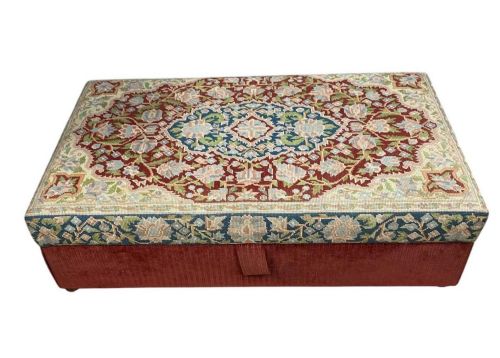
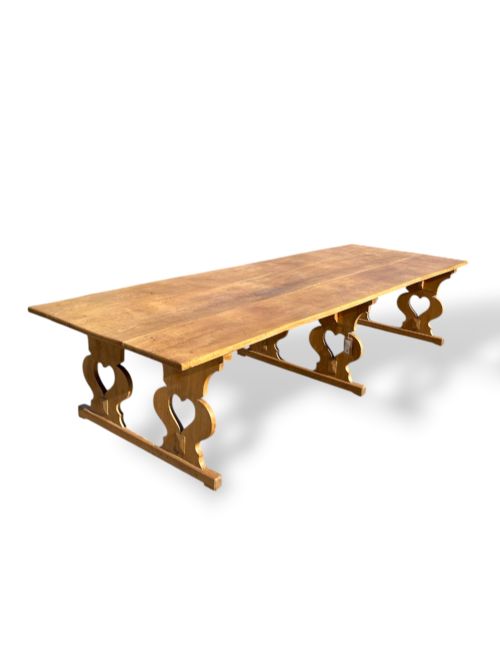
Victorian and 19th-century examples dominate the selection alongside 18th-century walnut and trestle tables. Country house ottomans and rustic pine low tables provide alternative surface options with distinct regional origins.
Materials and Construction
Makers utilised solid timbers including oak, walnut, mahogany, elm, ash, and regional hardwoods. Construction techniques incorporate traditional joinery suited to heavy domestic or agricultural use.
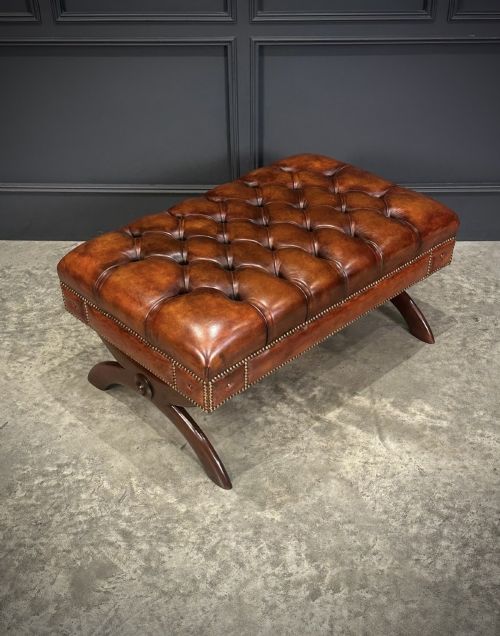
Surface treatments range from scrubbed timber and hand-carved details to polished rosewood and ebonised finishes. Upholstered variants employ materials such as hand-dyed buttoned leather, chenille, and tapestry tops.
Metal elements appear in specific pieces through brass components or structural hardware. Carved ornamentation distinguishes pieces like French Régence style window seats and dragon-decorated opium tables.
Low Coffee Table Bench Retail Price Guide 2026
Typical asking prices for low coffee table bench among the pieces listed under this phrase on Sellingantiques today, from the lower quarter to the upper quarter. They describe what is for sale here now, not the wider market.
Several listings invite you to repurpose ceremonial beds and cheese presses into tea-serving surfaces.
Assessing Quality
The standard of a low coffee table bench rests on the integrity of the original timber and the honesty of its conversion. Untouched scrubbed surfaces and retained patination distinguish superior vernacular examples from heavily restored alternatives.
Carving depth and sharpness separate fine cabinet work from basic workshop output, particularly on Chinese rosewood and French stylistic pieces. The quality of upholstery materials and webbing determines the durability and finish of footstools and ottomans.
The Low Coffee Table Bench Glossary
- Pig bench
- A narrow wooden bench traditionally used in agricultural contexts, now adapted as a low coffee table bench.
- Opium table
- A low Chinese surface designed for domestic use, constructed from hardwoods such as rosewood or elm.
- Trestle table
- A table structure where the top rests on folding or fixed supports rather than four corner legs.
- Centre stool
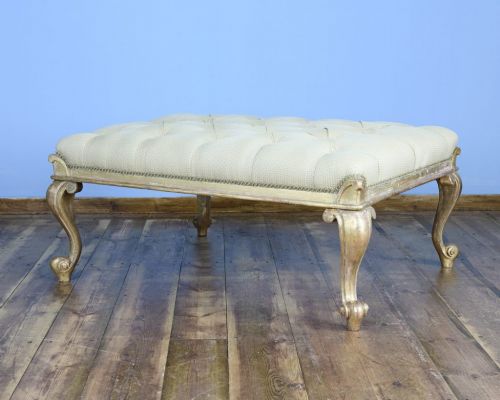
- A large upholstered seat intended to stand in the middle of a room rather than against a wall.
- Scrubbed finish
- A bleached or repeatedly washed wooden surface that reveals the natural grain and texture of the timber.
Low Coffee Table Bench: Frequently Asked Questions
What is a pig bench?
A pig bench is a narrow, long wooden form originating from agricultural use. These sturdy items now serve as low coffee table benches.
Their elongated proportions and low height suit placement in front of sofas or along hallways.
How do I use an opium table?
An opium table is a low Asian surface traditionally used for sitting or serving at floor level. Today they function as compact coffee tables.
Their rich hardwoods and carved details bring decorative presence to sitting rooms.
Are upholstered footstools stable as tables?
Large upholstered footstools and ottomans provide firm surfaces when paired with a tray. Firmly stuffed interiors and solid wood frames ensure stability.
They combine soft textures with functional surface area.
How do I identify a 19th-century piece?
Nineteenth-century pieces show hand-cut joinery, timber shrinkage, and natural wear patterns accumulated over decades of use. Tool marks and traditional fixings indicate age.
Different regional woods and styles also point to specific manufacturing eras.