




Low Carved Bench
A low carved bench brings solidity and character to a room, offering versatile seating or a low surface rooted in history.
Low Carved Bench
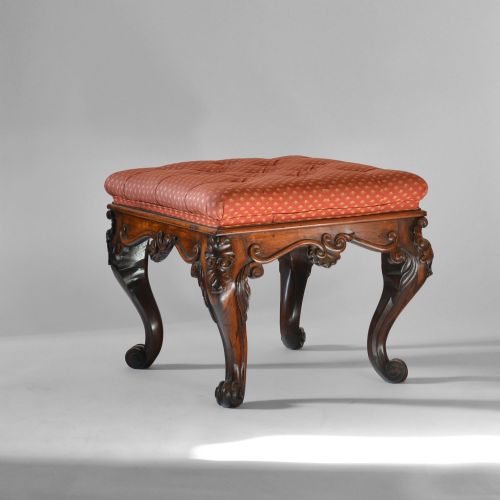
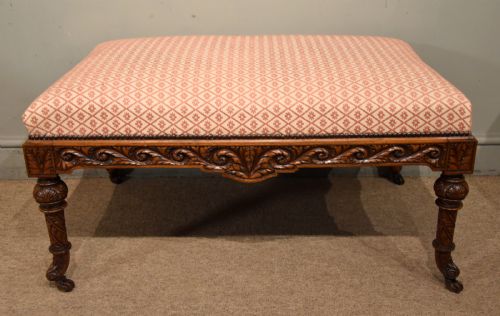
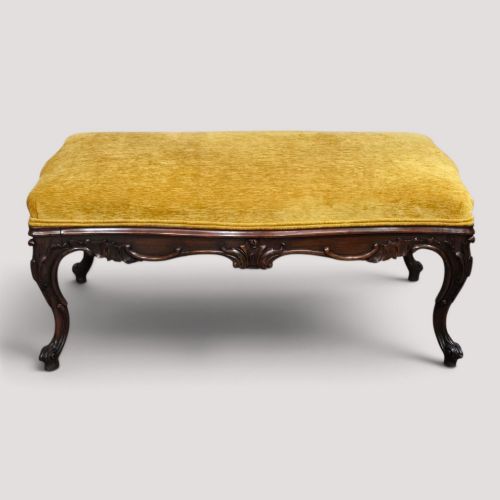
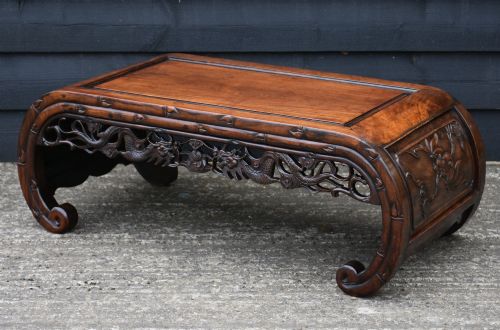
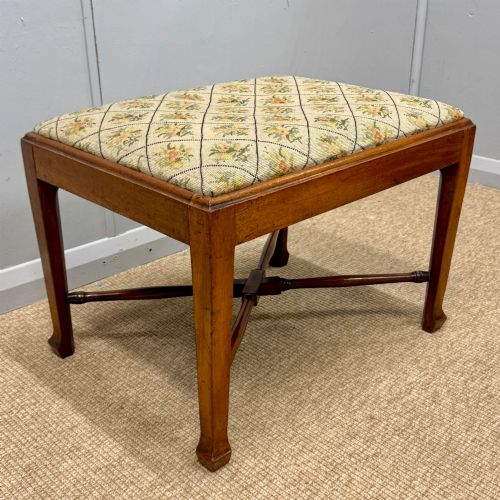
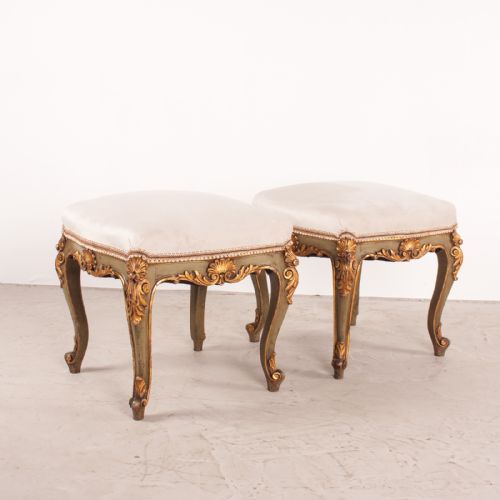
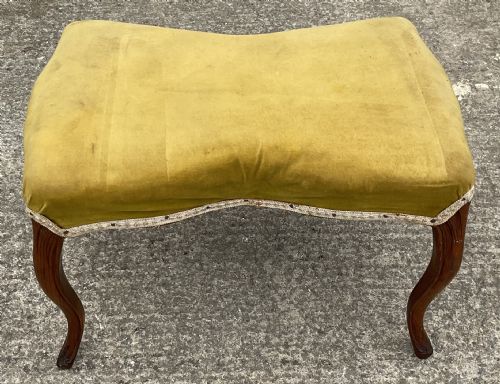
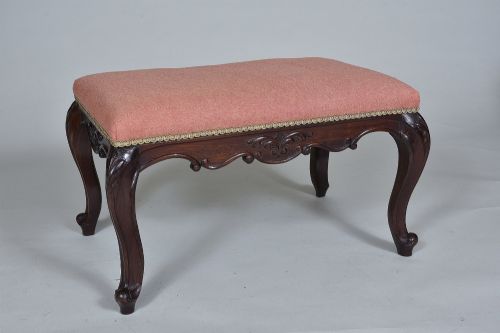
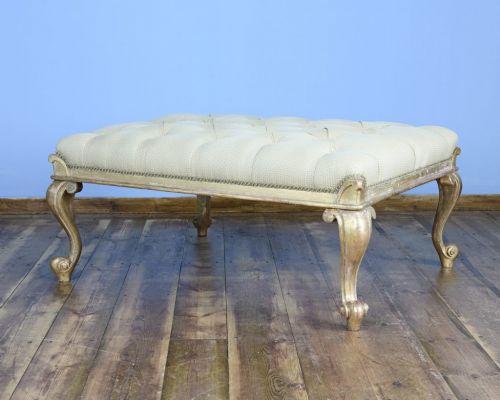
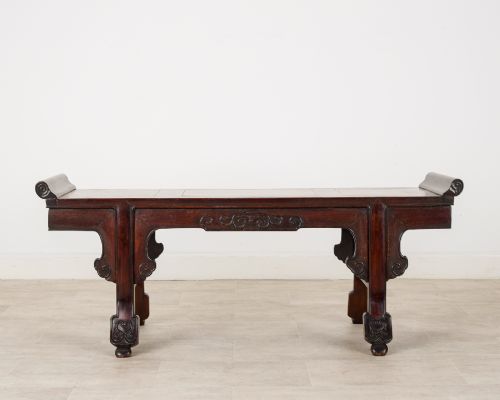
When you search for a low carved bench, you encounter a varied group of seating and low furniture, most frequently represented here by Victorian and nineteenth-century stools, footstools, and low tables. These pieces span styles from Gothic Revival and Anglo-Indian to Chinese traditional and French revival designs.
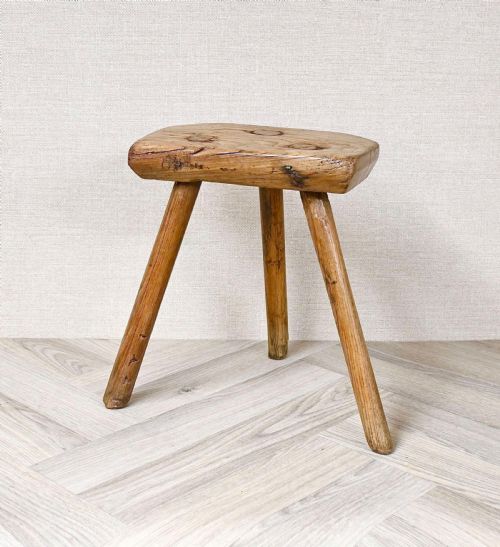
The selection ranges from robust oak milking stools and luggage stands to intricate rosewood opium tables and large upholstered salon stools. Buyers seek these forms for their compact scale and craftsmanship, adapting them readily for modern living as coffee tables or window seats.
How they were made
Cabinet makers built these low forms using dense hardwoods such as mahogany, walnut, teak, and rosewood, often hand-carving structural details directly into the solid timber. Frames frequently incorporate turned legs, cabriole supports, or cross stretchers to ensure stability under heavy use.
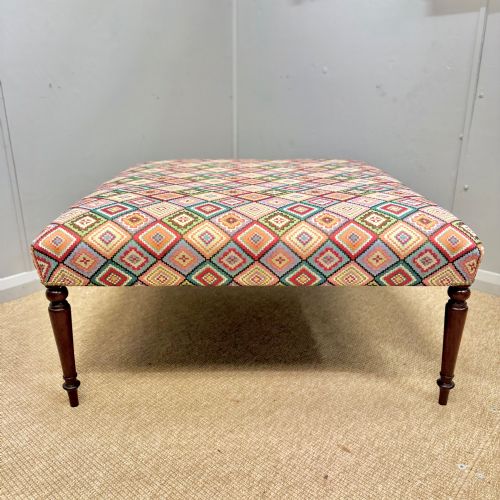
Upholstered variants rely on traditional stuffing and textile, fabric, leather, or needlepoint coverings secured to wooden frames. Gilding, painted finishes, and inlaid elements appear on continental and oriental examples to add decorative richness.
The listings here include nineteenth-century oak, mahogany, and walnut, alongside imported rosewood and teak from Anglo-Indian and Chinese traditions.
What varies in quality
The standard of carving defines the upper tiers of these low forms, distinguishing crisp, deep hand-chiselling from soft or machine-produced detail. Superior pieces display harmonious proportions and robust joinery that resist the loosening of frames over decades of use.
Material selection also dictates quality, with dense, highly figured timbers and well-preserved original textiles commanding attention. The integrity of the underlying wooden frame remains paramount, regardless of whether the piece functions as a seat or a low table.
Waring and Gillows
The Low Carved Bench Glossary
- Cabriole leg
- A furniture leg that curves outward and then tapers inward, mimicking an animal's leg. This design appears frequently on Victorian walnut stools.
- Giltwood
- Wood that has been treated with a thin layer of gold leaf or powder. It is seen on decorative nineteenth-century continental frames.
- Luggage stand
- A low wooden bench fitted with webbing or slats designed for holding travel bags. Edwardian and nineteenth-century examples often fold flat.
Low Carved Bench: Frequently Asked Questions
Can I use a low carved bench as a coffee table?
Many nineteenth-century stools, benches, and opium tables possess the ideal height and flat surface area to function as coffee tables in a living space.
Heavier wooden frames and stable proportions make these pieces durable alternatives to standard modern tables while introducing period character.
How do I care for antique wood and fabric?
Maintain the timber surfaces with appropriate wax polish applied sparingly, avoiding excessive moisture or direct sunlight. Vacuum upholstered sections gently to protect delicate textiles and needlepoint work.
Original fabrics require particular care to preserve their historical integrity, whereas later upholstery handles heavier daily use.
What is the difference between a stool and a bench?
Stools generally provide compact, single-person seating or foot support, whereas benches offer a wider surface spanning multiple supports. Both forms share low profiles in this collection.
Benches and long window seats often double as luggage stands or low display surfaces depending on their construction.
How do I identify a Victorian piece?
Victorian examples frequently display dense mahogany or walnut timbers combined with cabriole legs, deep hand-carvings, or button-tufted upholstery. Stylistic influences often include Gothic Revival or French revival motifs.
Examining the underside and joinery helps confirm nineteenth-century production methods and material ageing.