






Low Brass Stool
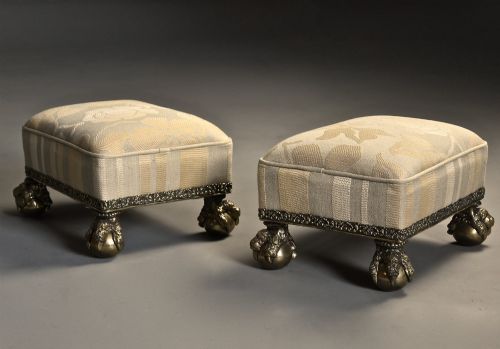
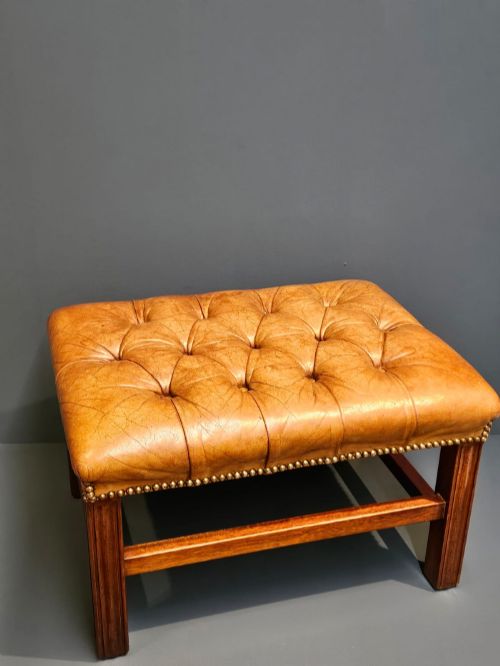
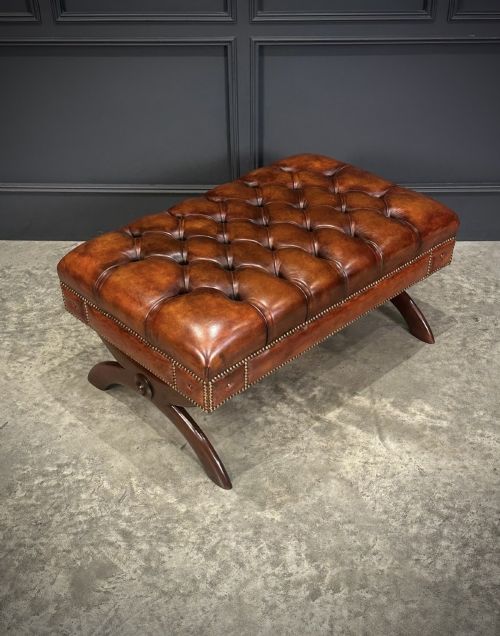
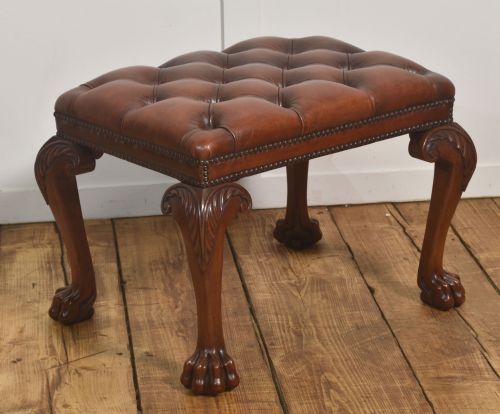
These low brass stool pieces bring compact seating and foot support, prized for period character and solid timber frames.
Low Brass Stool
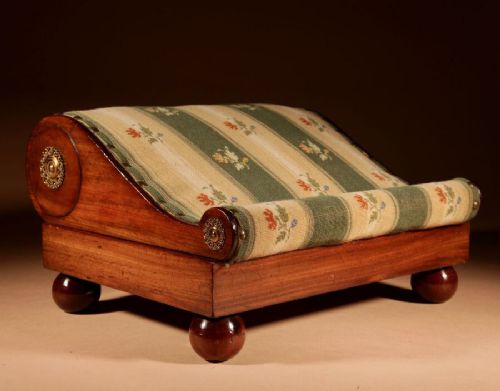
A low brass stool typically takes the form of a footstool, dressing stool, or small ottoman, designed for domestic use near seating or dressing tables. When searching for a low brass stool, collectors encounter pieces spanning the eighteenth, nineteenth, and early twentieth centuries, including Georgian, Regency, and Victorian eras.
The materials recorded across these examples combine sturdy timber frames in mahogany, walnut, or rosewood with brass castors, studs, or accents. Upholstery ranges from leather and chenille to velvet and silk, often updated to suit modern interiors while retaining traditional frames.
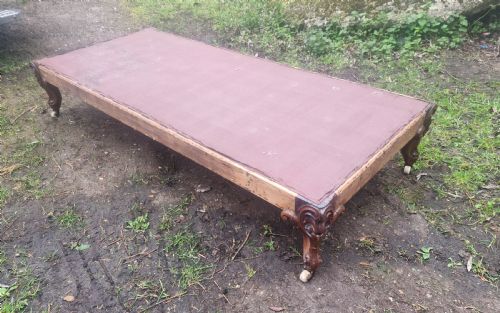
Forms vary from simple cabriole leg dressing stools to large country house ottomans and continental designs. These seating items serve dual purposes as footrests and low seats, fitting easily beneath tables or beside larger armchairs.
How they were made
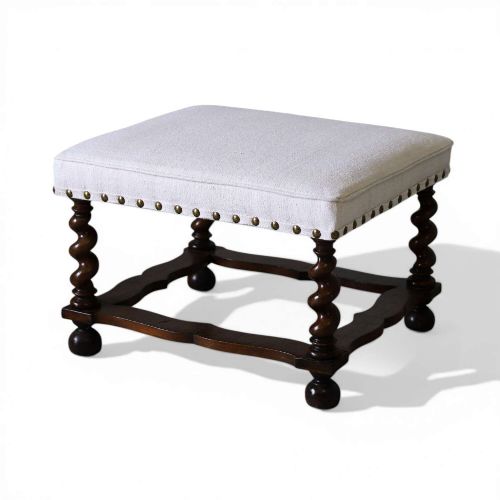
Cabinetmakers constructed the foundational frames using dense hardwoods like mahogany, walnut, and rosewood, shaping them into cabriole legs, barley-sugar turnings, or scroll tops. Timber sections were joined with traditional woodworking joints to withstand weight and movement.
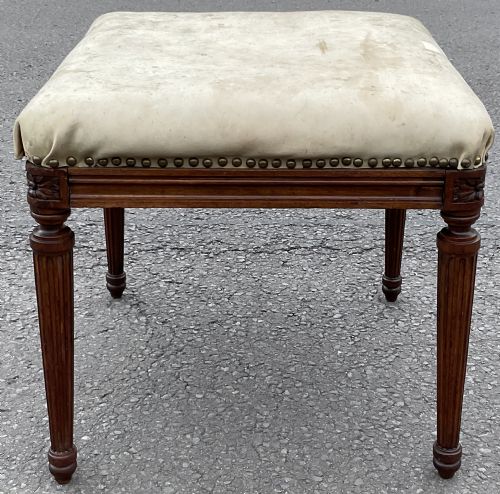
Metal elements such as brass castors for mobility and decorative brass studs outlining upholstery edges were integrated into the design. Seat pads were stuffed and covered in materials like leather, chenille, velvet, or silk, sometimes secured with deep buttoning techniques.
Low Brass Stool Retail Price Guide 2026
Typical asking prices for low brass stool among the pieces listed under this phrase on Sellingantiques today, from the lower quarter to the upper quarter. They describe what is for sale here now, not the wider market.
Listings feature mahogany, walnut, and rosewood timbers combined with brass castors and studs.
What varies in quality
The grade of timber used for the frame dictates the structural integrity, with finely figured mahogany and walnut marking higher standards of craftsmanship than plain wood variants. Carved details, such as cabriole legs or barley-sugar twists, show the skill level of the original maker.
Hardware integration, including solid brass castors and neatly placed brass studs, separates standard utility pieces from more ambitious cabinetmaker output. The choice of upholstery materials, from simple fabric to hand-dyed buttoned leather or silk, reflects the original commission's status.
Howard and Sons·Mathew Gregson
The Low Brass Stool Glossary
- Cabriole leg
- A furniture leg that bends out in a convex curve and tapers inward to a concave foot, typical of eighteenth and nineteenth-century seating.
- Castor
- A small wheel attached to the base of furniture legs to allow easy movement across floor surfaces.
- Chenille
- A fuzzy fabric woven with piled yarns, frequently used for traditional upholstery and footstool coverings.
- Oyster veneer
- Slices of branch wood laid in patterns to resemble the shape of oyster shells, seen on period furniture stretches.
- Scroll top
- A decorative terminal shaped into a spiral scroll, often found on Regency period foot stool ends.
Low Brass Stool: Frequently Asked Questions
Where were low brass stools used?
These pieces sat primarily in drawing rooms, bedrooms, and libraries alongside larger armchairs or dressing tables. They provided convenient foot support or quick extra seating close to the hearth.
In grander settings, larger ottomans filled central spaces in country house rooms, while smaller dressing stools rested near vanity tables for daily grooming.
How do I identify a Regency period stool?
Regency examples often display classical influences, incorporating mahogany timbers, scroll tops, and neat proportions typical of the early nineteenth century. Details like brass studs and turned legs help anchor the date.
Comparing the woodwork and upholstery style to known design books of the era assists in confirming the period origin.
Can I reupholster a vintage footstool?
Many surviving frames have already undergone reupholstery in materials like chenille, leather, or velvet to suit contemporary homes. Retaining the underlying timber frame preserves the historical integrity of the piece.
Choosing traditional fabrics or leather helps maintain the aesthetic established during the nineteenth or early twentieth century.
What timber is most common?
Mahogany appears most frequently across these listings, alongside walnut and rosewood used for Victorian and Georgian frames. These hardwoods provided the necessary strength for low seating structures.
Secondary woods sometimes support the internal framing, while polished mahogany and walnut remain visible on the legs and trim.