


Low Bench Seat
A low bench seat brings practical seating to hallways, dressing rooms, and windowsides through compact forms spanning several centuries of cabinetmaking.
Low Bench Seat
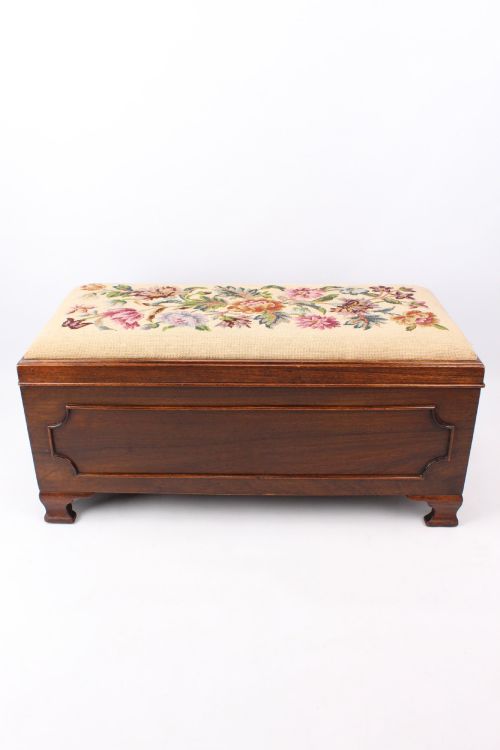
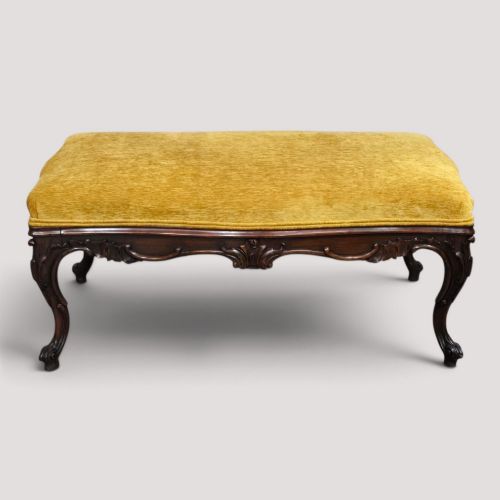
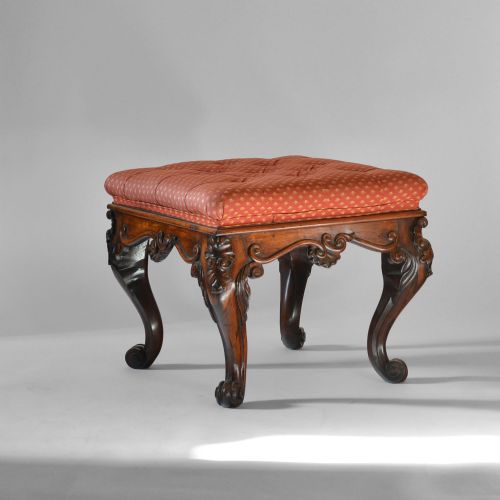
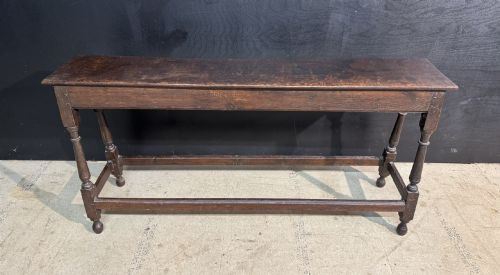
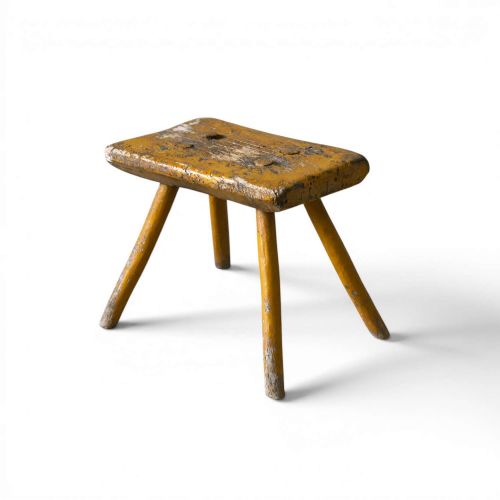
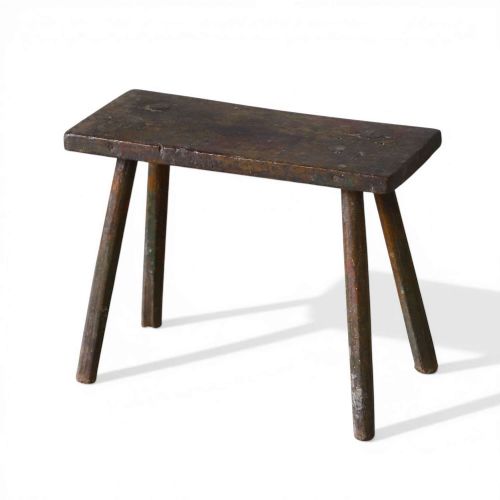
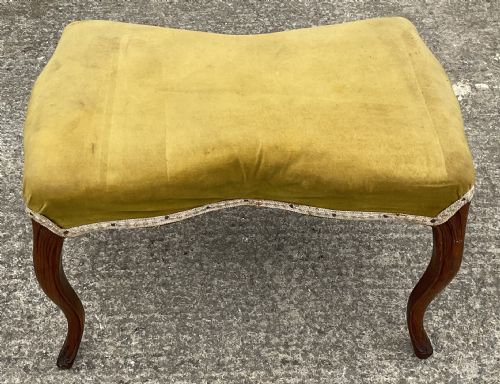
A low bench seat encompasses a diverse group of low seating furniture, including dressing stools, window seats, joint stools, and ottomans. These versatile pieces function near beds, dining tables, or dressing tables.
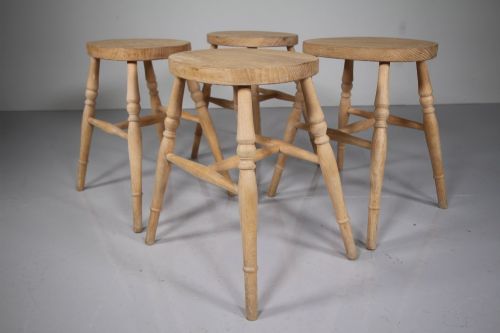
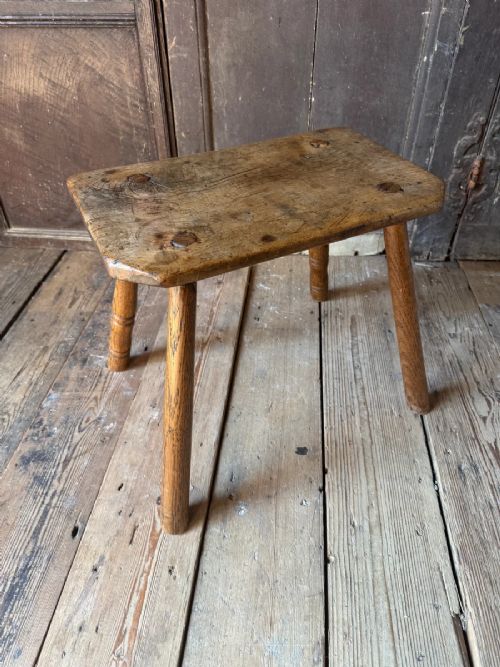
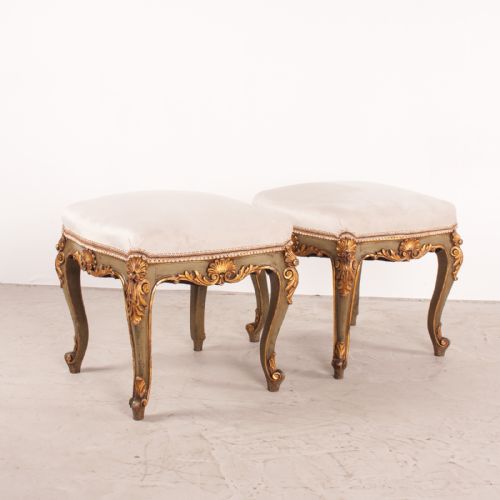
The pieces on this page draw from periods such as the eighteenth and nineteenth centuries, alongside Edwardian and Art Deco eras. Buyers encounter formats ranging from rustic country milking stools to elaborate carved giltwood window seats.
Originating from English, French, Continental, and Eastern European workshops, these items utilise styles from Queen Anne to Regency and Gothic Revival. Simpler vernacular pieces share space with highly decorative salon seating.
Materials and construction
Cabinetmakers utilised hardwoods such as mahogany, walnut, oak, rosewood, ash, sycamore, and teak for the frames. Decorative surfaces incorporate burr walnut, birds eye maple, and huali hardwood, sometimes enhanced with paint or parcel gilt.
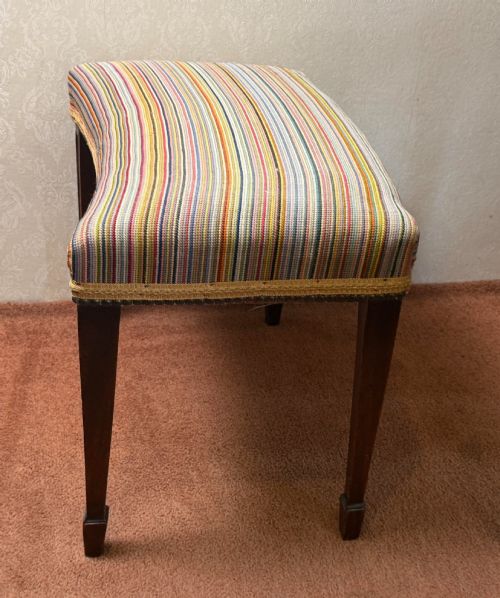
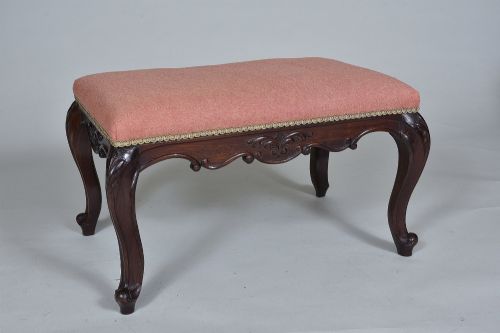
Seating portions employ leather, fabric, textile, needlepoint, and woven rattan alongside traditional upholstery methods. Structural details include turned legs, square tapering legs, cabriole legs, cross stretchers, and brass elements.
Low Bench Seat Retail Price Guide 2026
Typical asking prices for low bench seat among the pieces listed under this phrase on Sellingantiques today, from the lower quarter to the upper quarter. They describe what is for sale here now, not the wider market.
Listings feature seating upholstered in leather, fabric, textile, and needlepoint, paired with hardwood frames of mahogany, walnut, and oak.
Distinguishing craftsmanship
Quality rests in the execution of the woodwork and the integrity of the frame construction, from hand-carved details by makers like Valentino Panciera Besarel to simpler vernacular joinery. Original paint surfaces and retained patination elevate historical examples.
The refinement of leg profiles, whether cabriole, turned, or square tapering, indicates the maker's skill level. Upholstery execution and the selection of secondary timbers further distinguish standard production from superior pieces.
Harry and Lou Epstein
The Low Bench Seat Glossary
- Joint Stool
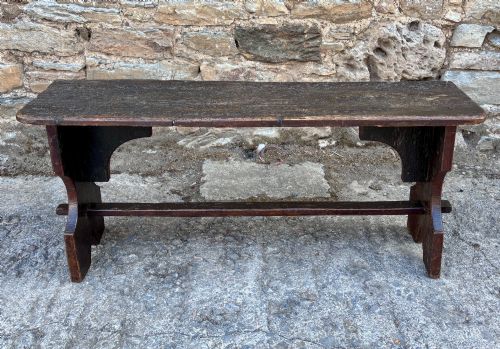
- A sturdy wooden stool constructed with mortise and tenon joints, common in earlier centuries. These items often served functional domestic roles before evolving into decorative furnishings.
- Cabriole Leg
- A furniture leg that curves out and then in, resembling an animal leg in motion. This form appears frequently on eighteenth and nineteenth-century seating.
- Cross Stretcher
- Horizontal bracing members connecting the legs of a stool near the floor to add stability. They frequently feature central bosses or turnings.
- Giltwood
- Wood that has been coated with thin gold leaf or powder. This finish is characteristic of decorative Continental and French seating.
- Needlepoint
- Stitched textile work used to cover seat pads. This technique provides decorative texture on Victorian and Edwardian dressing stools.
Low Bench Seat: Frequently Asked Questions
What is a low bench seat used for?
These items serve primarily as seating in bedrooms, dressing areas, and hallways, or beneath windows. Many function as footstools or support companion furniture like dressing tables.
Shorter benches and stools adapt easily to smaller spaces where standard chairs prove too tall or bulky. Their modest height suits placement at the foot of a bed or beneath low window ledges.
How do I identify a Georgian low bench seat?
Georgian examples often feature solid timbers like oak or mahogany, frequently displaying traditional joinery methods. Details such as square tapering legs or shaped slats point towards this era.
Earlier eighteenth-century pieces prioritise structural utility through joint construction, while later interpretations incorporate refined carving and stylistic revivals.
Where should I place a dressing stool?
A dressing stool matches standard dressing table heights, typically sitting neatly underneath when not in use. They also work effectively as standalone accent seating in bedrooms and entryways.
Consider matching the wood tone or upholstery style of the stool to existing bedroom furniture for a cohesive arrangement.
Are Art Deco low bench seats comfortable?
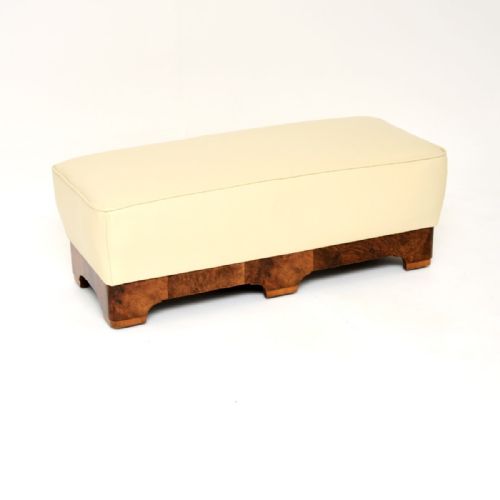
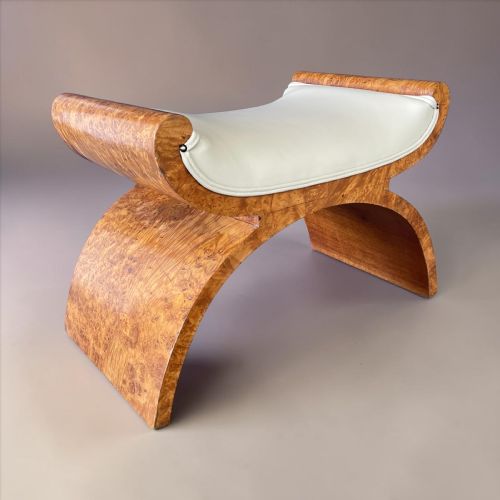
Art Deco pieces from the 1930s frequently incorporate leather or upholstered pads supported by distinctive wood frames like burr walnut or birds eye maple. Their seating surfaces prioritise structured support.
These designs balance decorative geometric appeal with functional daily use in dressing rooms and salons.