





Louis XV Style Vanity
Louis xv style vanity pieces bring fluid curves and ornate French character to dressing rooms.
Louis XV Style Vanity
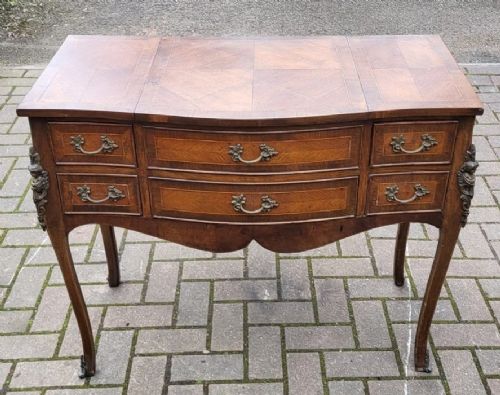
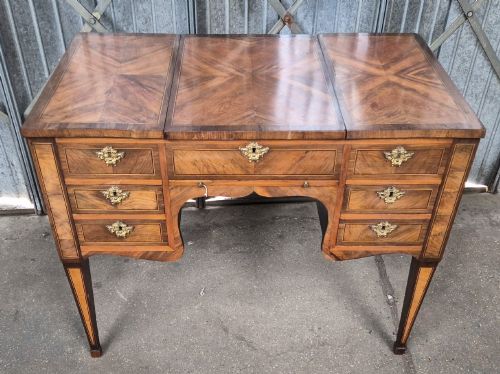
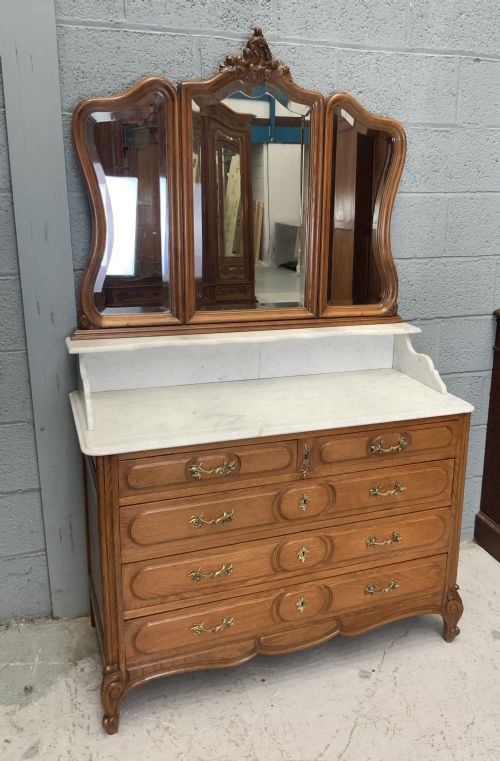
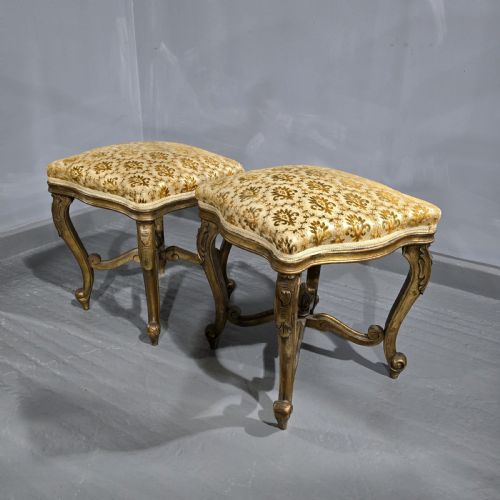
A louis xv style vanity draws upon French Rococo Revival and Rococo aesthetics, appearing primarily in nineteenth-century and early twentieth-century editions. These pieces encompass dressing tables, poudreuses, and associated mirrors or stools designed for the boudoir.
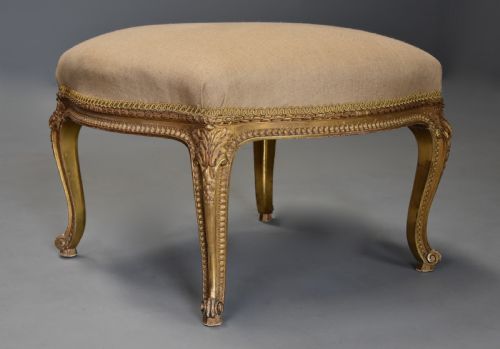
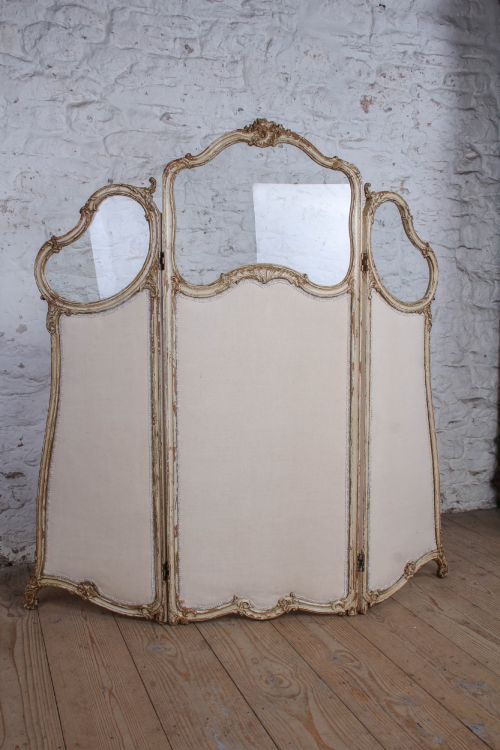
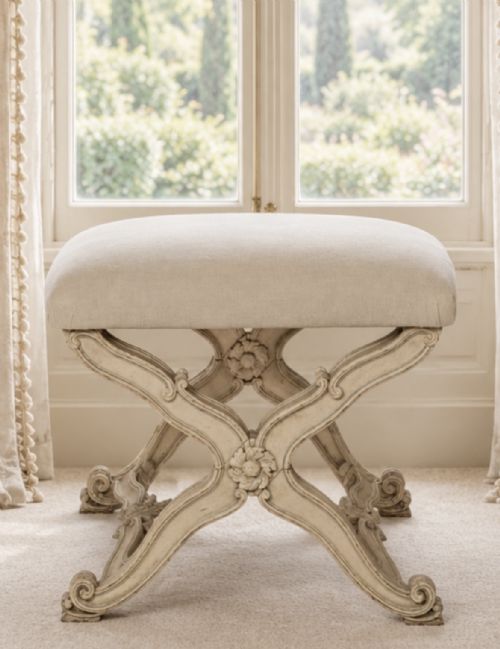
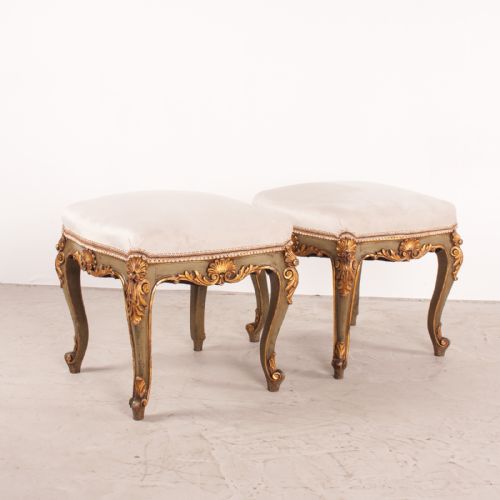
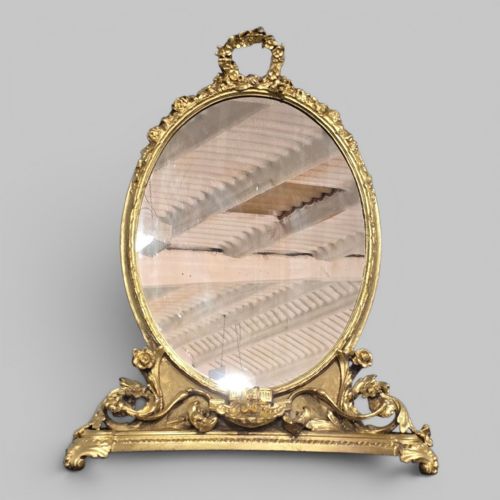
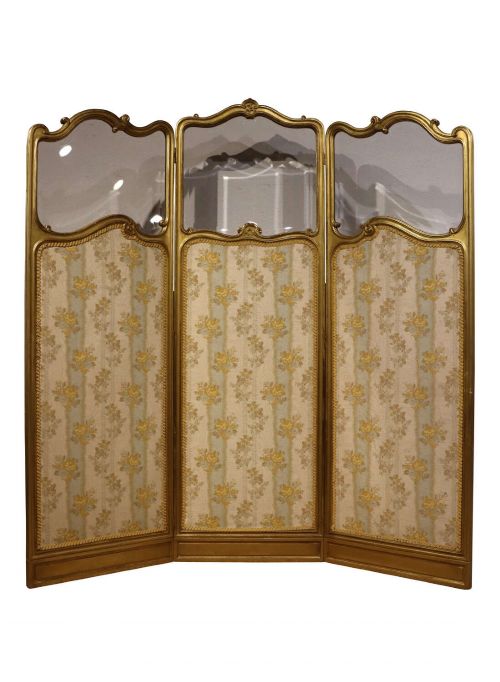
The selection on this page demonstrates that dressing tables and mirrors often incorporate pivoting frames, tripartite glass, and integrated work spaces. Alongside these, matching stools and side tables complete the traditional ensemble.
Materials and construction
Cabinetmakers utilise fine timbers such as walnut, rosewood, tulipwood, and kingwood, frequently applying crossbanding or intricate veneers to surfaces. Carved structural elements often employ oak or softer woods finished with gesso and gilt.
Decorative glass and bevelled mirrors pair with brass fittings, fabric panels, and silk inserts to create the characteristic textural contrast of the period. Hand-carved details define the curvilinear forms and asymmetrical motifs.
Louis XV Style Vanity Retail Price Guide 2026
Typical asking prices for louis xv style vanity among the pieces listed under this phrase on Sellingantiques today, from the lower quarter to the upper quarter. They describe what is for sale here now, not the wider market.
Some tables hide their mirrors beneath folding lids, keeping morning routines entirely secret until opening time.
Evaluating quality
Quality rests upon the crispness of the hand-carved ornamentation and the depth of the gilding or timber figuring. Pieces featuring substantial walnut, kingwood, or rosewood timber framing stand apart from simpler painted iterations.
The sophistication of the joinery and the preservation of original bevelled glass plates or silk panels distinguish superior examples. Maker stamps and integrated mechanism functionality further elevate a piece.
LOIDRAULT FRERES PARIS
The Louis XV Style Vanity Glossary
- Poudreuse
- A type of French dressing table featuring a fitted interior with folding top lids and compartments for cosmetics. These tables date predominantly through the nineteenth century.
- Giltwood
- Timber treated with gesso and covered in thin gold leaf or metal leaf gilding. This finish is central to the rococo aesthetic.
- Rococo
- An ornate artistic style characterised by shell motifs, C-scrolls, and asymmetrical flowing lines. It forms the basis of louis xv revival design.
- Crossbanding
- A decorative border technique where veneer strips are laid perpendicular to the grain of the central panel. It appears on finer tables and desks.
Louis XV Style Vanity: Frequently Asked Questions
What is a poudreuse?
A poudreuse is a traditional French dressing table equipped with folding lids that open to reveal a mirror and storage compartments. These pieces served as personal grooming stations in nineteenth-century boudoirs.
Cabinetmakers designed them to conceal cosmetics and brushes when not in use, maintaining a tidy appearance in reception or sleeping quarters.
How do I date a louis xv style vanity?
Dating relies on examining the timber species, construction methods, and secondary woods used in the drawer linings and internal frames. Nineteenth-century pieces often display hand-cut dovetails and heavy giltwood carvings.
Later twentieth-century interpretations may show machine assistance or different framing techniques while retaining the characteristic French Rococo Revival silhouette.
Are these pieces solid walnut?
Many dressing tables and desks utilise solid walnut or burl walnut for structural elements and tabletops. Other examples combine a sturdy oak or pine carcass with decorative veneers.
Cabinetmakers frequently selected contrasting timbers like rosewood and kingwood for crossbanding borders on the primary display surfaces.
How do I style a vanity mirror?
Easel mirrors and tabletop dressing mirrors sit effectively upon commodes, side tables, or dedicated dressing desks. Their pivoting frames allow adjustments for light and angle.
Pairing them with a matching low stool or occasional chair creates a cohesive dressing area within a bedroom or dressing room.