

Louis Style Furniture
Louis style furniture brings the ornate elegance of French royal courts into domestic interiors through revival commodes, desks, and gilt consoles.
Louis Style Furniture
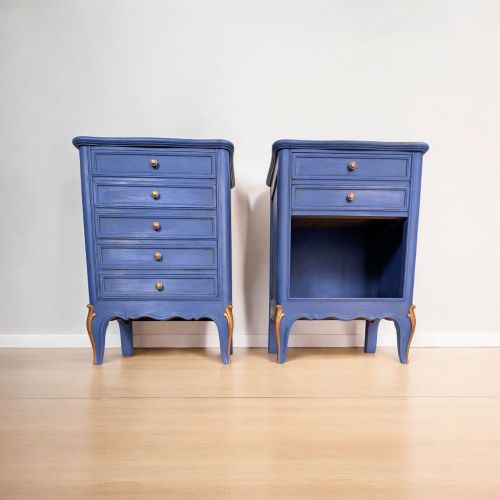
When buyers search for louis style furniture, they encounter pieces spanning the eighteenth century through to the early twentieth century revival periods. These items encompass seating, desks, commodes, and display cabinets created to echo French court aesthetics.
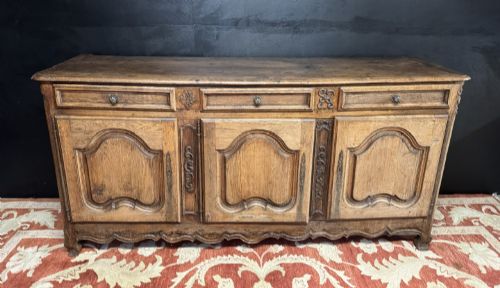
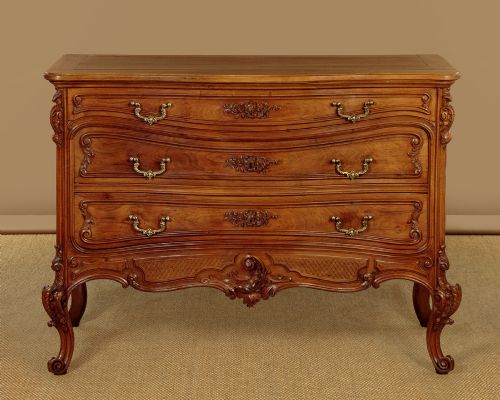
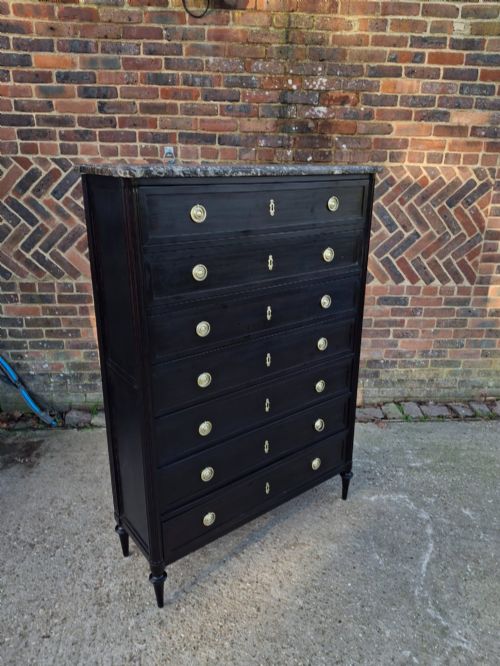
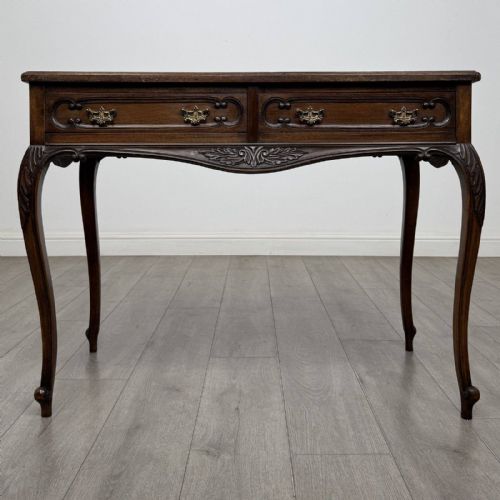
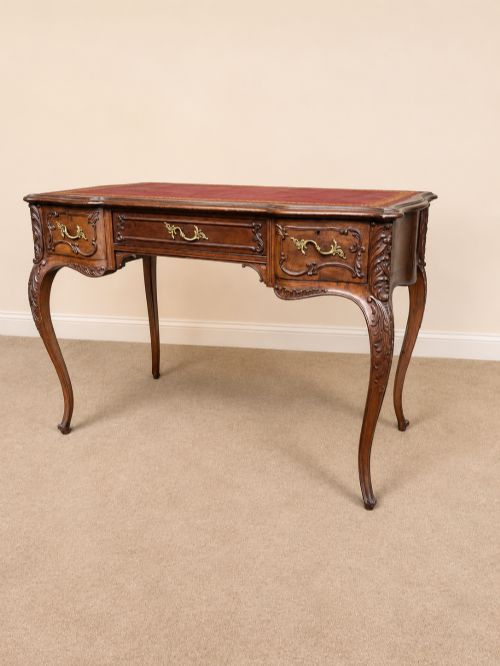
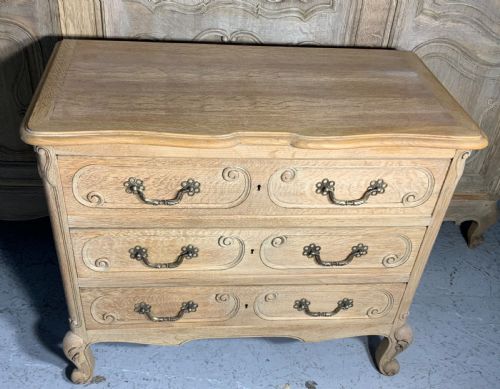
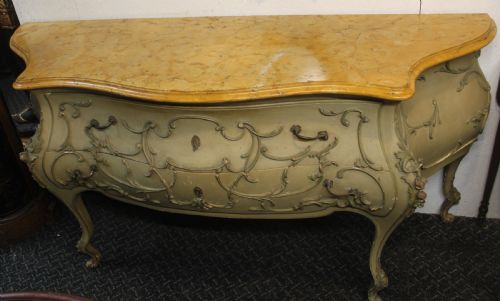
The selections on this page are dominated by nineteenth century revivals, alongside pieces from 1900 and 1930, capturing both classical Louis XV and Louis XVI design vocabularies. Forms range from serpentine chests of drawers and marble topped consoles to writing desks and centre tables.
Originating predominantly from French workshops, these furnishings utilise traditional timber framing combined with decorative veneers and mounts. Buyers find everything from intimate bedside tables to large salon suites reflecting historical European craftsmanship.
Materials and Construction
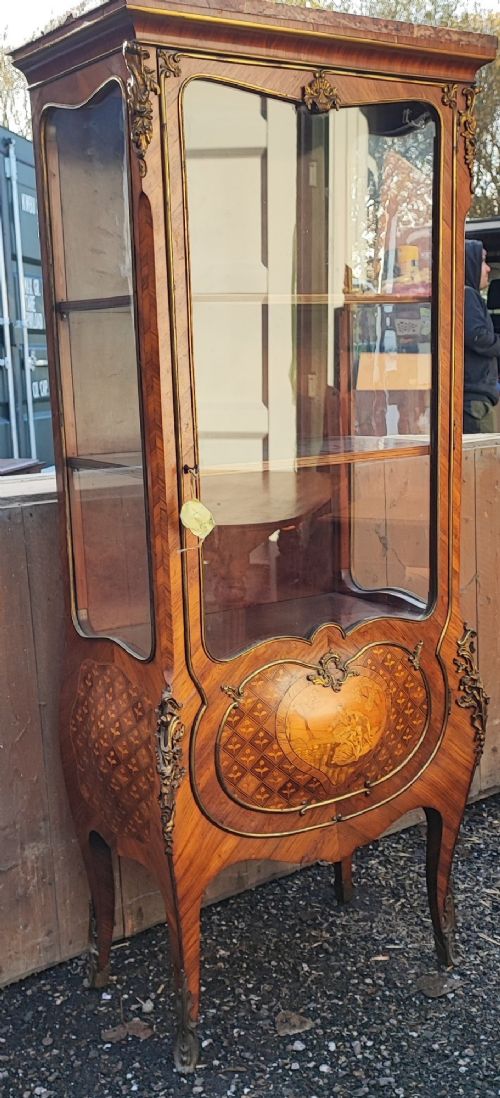
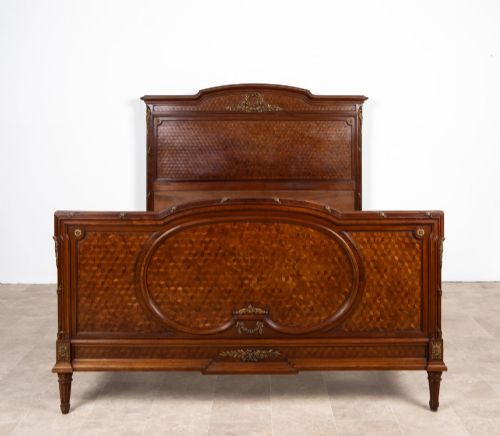
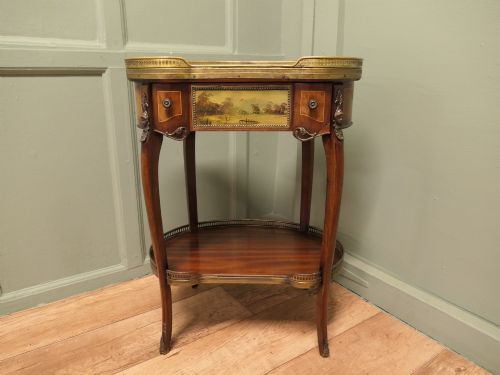
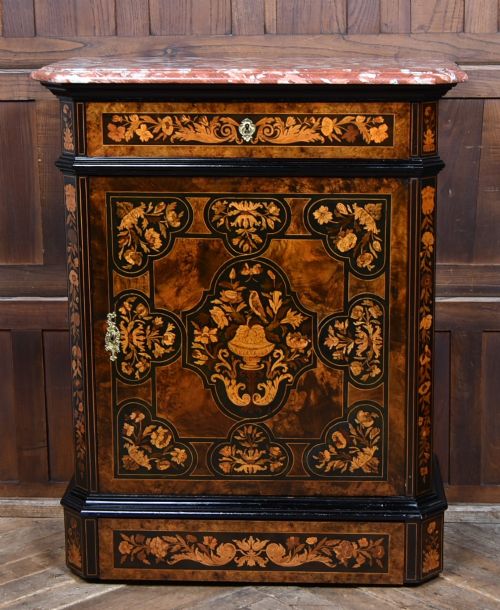
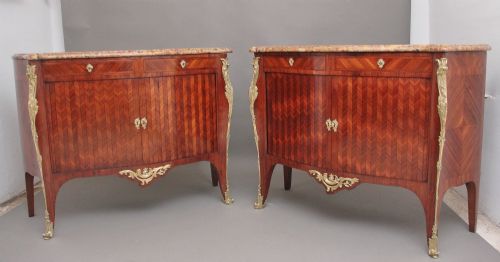
Cabinet makers utilised dense hardwoods such as walnut, mahogany, cherrywood, and kingwood as the structural foundation for desks and commodes. Marquetry and parquetry techniques layered contrasting timber veneers onto these surfaces to produce geometric and floral patterns.
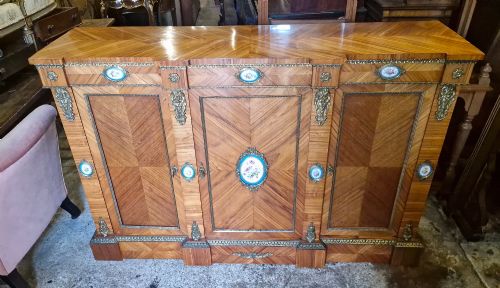
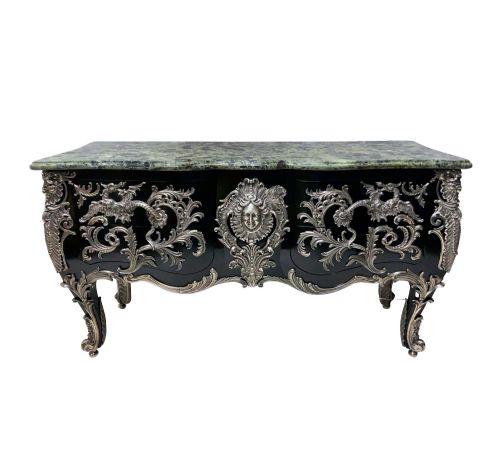
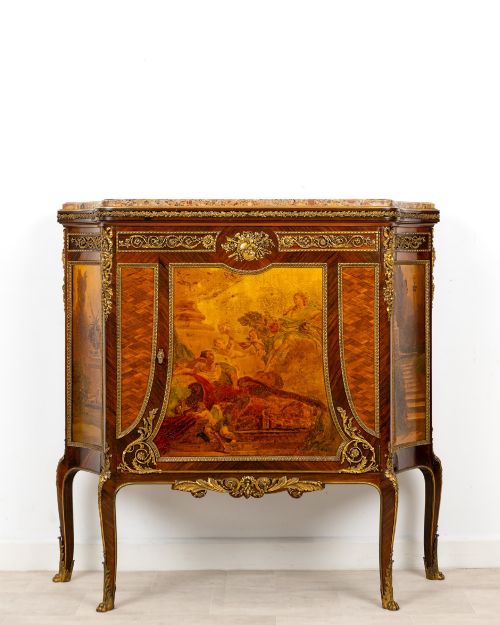
Metalwork played a defining role, with ormolu and gilt-bronze mounts applied to corners, handles, and aprons to highlight the contours of the woodwork. Marble tops, including rouge varieties, were fitted to commodes and console tables to provide a durable and decorative upper surface.
Louis Style Furniture Retail Price Guide 2026
Typical asking prices for louis style furniture among the pieces listed under this phrase on Sellingantiques today, from the lower quarter to the upper quarter. They describe what is for sale here now, not the wider market.
Listings feature periods spanning the eighteenth century through to 1930, with nineteenth century revivals forming the core of available stock.
Evaluating Quality
The division between standard production and master craftsmanship rests in the execution of the bronze mounts and the precision of the marquetry. Finer pieces exhibit hand-chased ormolu with crisp detail, whereas simpler items rely on cast metalwork with softer definition.
Construction methods also dictate tier, visible in the handling of serpentine fronts and the integration of moving mechanisms within writing desks. Superior examples maintain structural integrity through tight joinery and high grade timber selection across unseen interior components.
François Linke·Gillows·JAS Shoolbred·H. J. Hatfield and Sons·Henry Dasson
The Louis Style Furniture Glossary
- Ormolu
- Gilded bronze mounts applied to furniture. This technique adds metallic highlights to the corners and borders of cabinets and desks.
- Marquetry
- Inlaid wood veneers forming decorative pictures or patterns. Craftsmen use differently coloured timbers to build up elaborate floral or architectural scenes.
- Commode
- A decorative chest of drawers standing on legs. These low cabinets often feature serpentine fronts and marble tops.
- Cartonnier
- A specialised cabinet designed to hold papers and documents. They frequently incorporate leather fronted boxes or drawers within an ornate housing.
- Vernis Martin
- A simulated Japanese lacquer technique developed in France. It produces a glossy, translucent finish often seen on vitrines and commodes.
Louis Style Furniture: Frequently Asked Questions
How do I identify Louis XV versus Louis XVI style?
Louis XV style emphasises asymmetrical curves, serpentine shapes, and organic scrollwork across legs and mounts. The overall silhouette remains fluid and rounded.
Louis XVI style shifts toward symmetry, straight tapered legs, and neoclassical geometric motifs like fluting and urns. The profiles become noticeably more rectilinear and architectural.
Where were these pieces originally placed in a home?
Commodes and console tables typically anchored formal reception rooms and hallways, often paired with matching wall mirrors. Writing desks and cartonnieres served private studies and libraries.
Vitrine cabinets and display pieces occupied salons to showcase porcelain and curiosities. Bedroom suites furnished private chambers with matching beds, bedside tables, and armchairs.
How do I care for antique wood and ormolu?
Maintain timber surfaces by applying a traditional beeswax polish sparingly and buffing gently with a soft cloth. Avoid placing items in direct sunlight or near heat sources to prevent veneer cracking.
Dust ormolu mounts with a dry, soft brush rather than using chemical cleaners, which can strip the original gilding. Ensure marble tops are wiped with a damp cloth and mild soap.
Are these revival pieces considered authentic antiques?
Nineteenth century revival pieces and items produced around 1900 hold antique status in their own right. They represent skilled historicism and high standards of nineteenth century European cabinet making.
These items are collected for their independent craftsmanship and historical aesthetic value rather than as direct eighteenth century originals.