


Louis Style Frame
A louis style frame brings French decorative elegance to interiors, offering elaborate carved woodwork and rich gilding that transform mirrors, seating, and beds.
Louis Style Frame
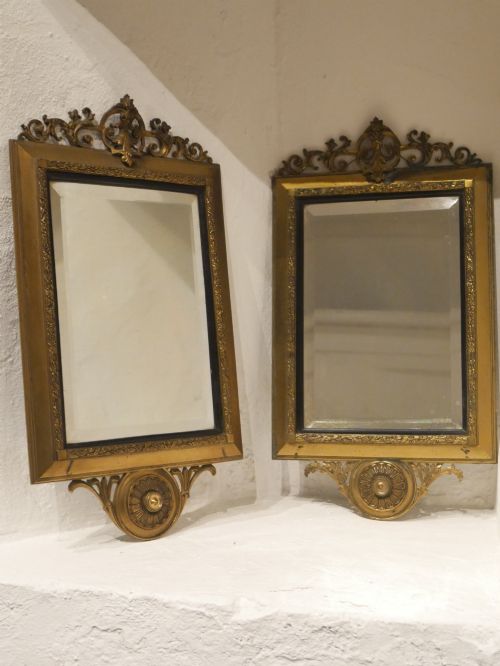
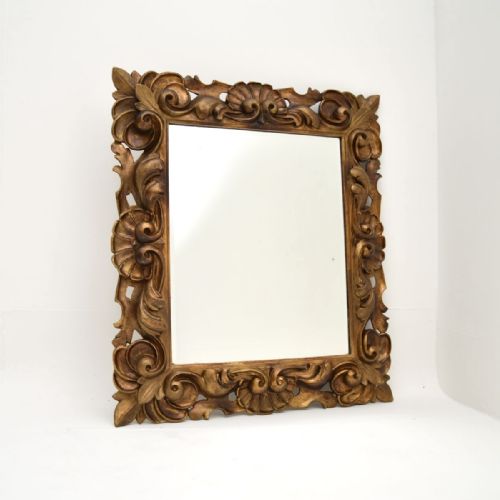
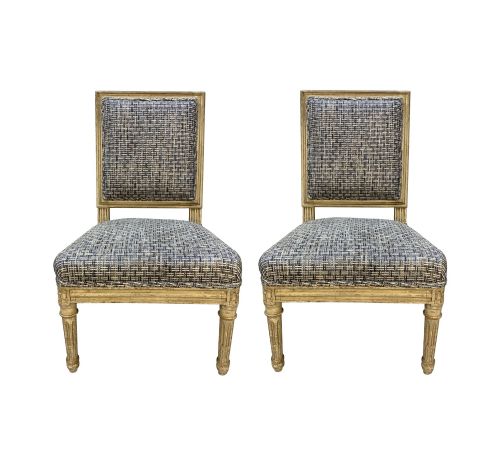
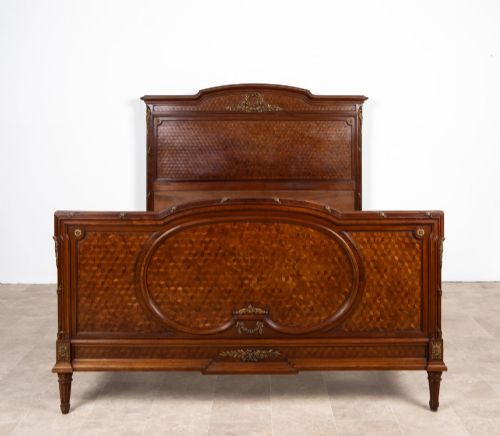
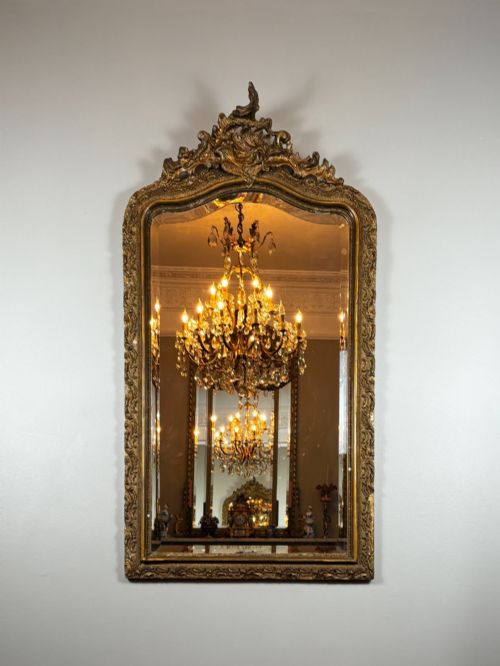
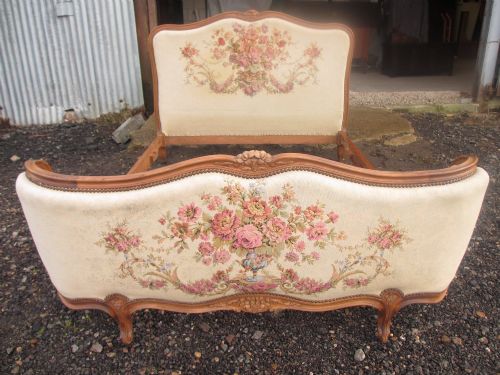
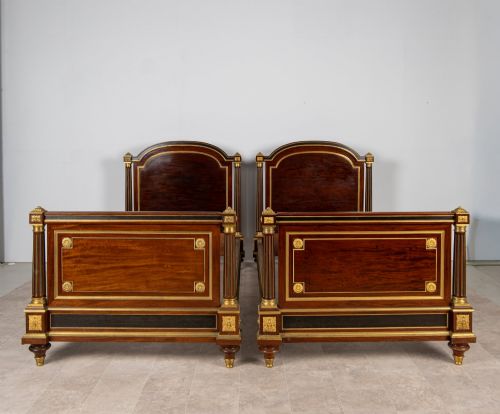
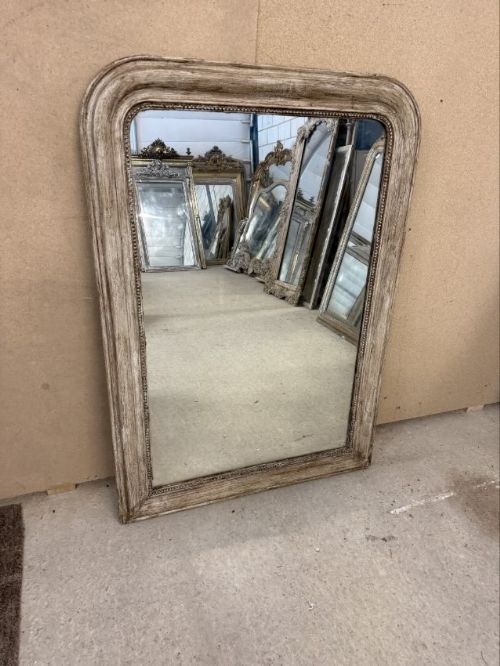
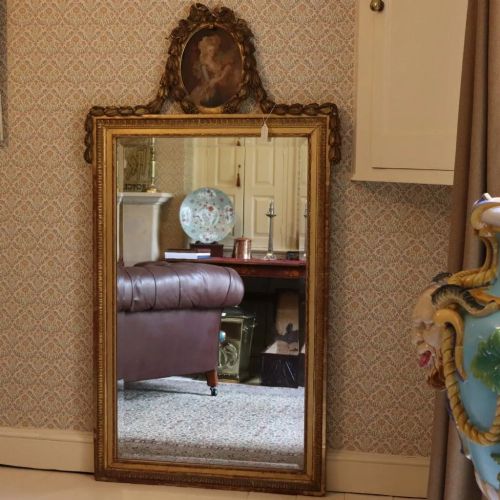
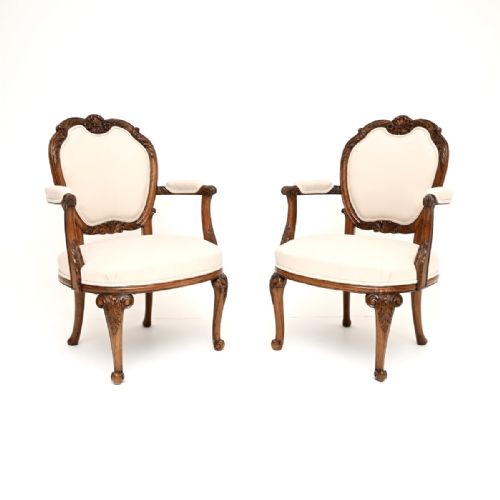
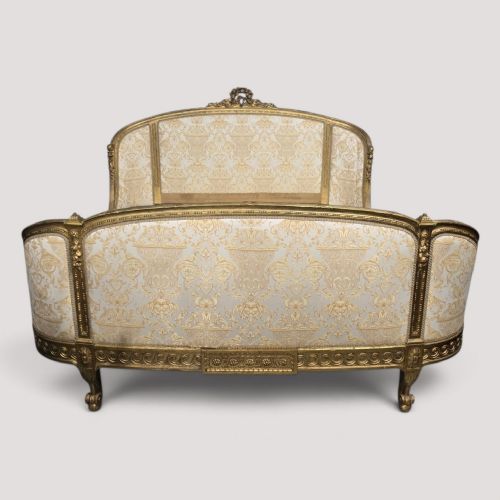
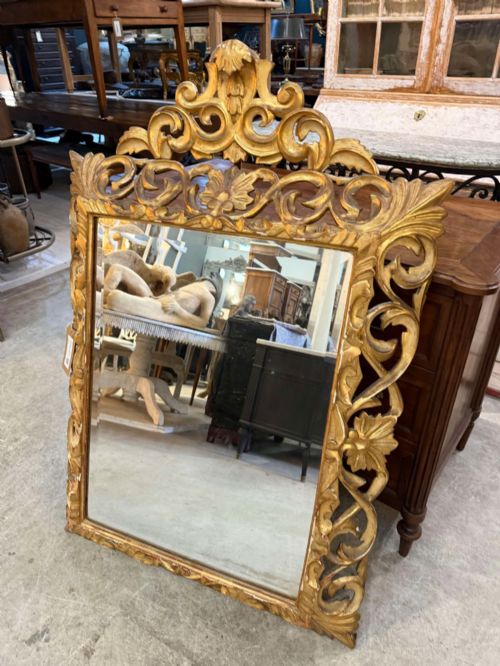
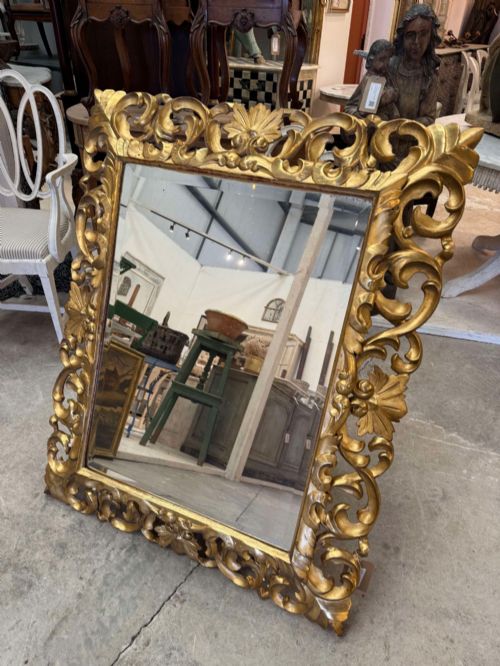
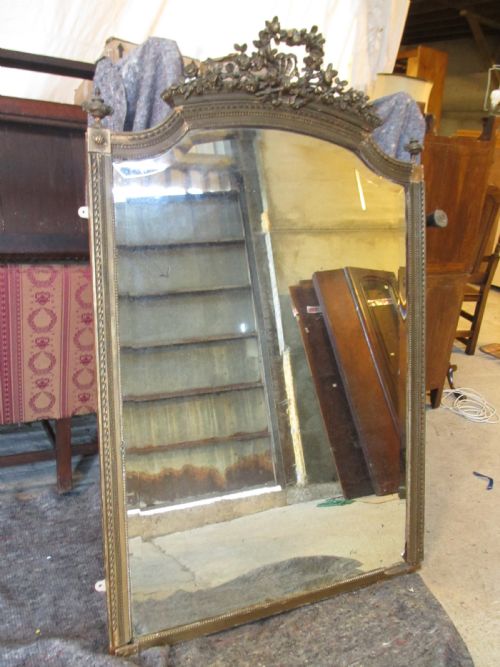
A louis style frame encompasses ornate French furnishings predominantly created during the nineteenth century, drawing inspiration from earlier royal aesthetic periods. The selection here leans heavily towards wall mirrors, overmantel mirrors, and seating such as armchairs and bergères, alongside occasional grand bedsteads.
These items emerge across various decades from the 1860s through to the 1920s, reflecting revivals of Rococo and Louis XVI tastes. Pieces combine structural wooden forms with decorative plaster work, paint, or precious metal leaf to achieve a distinctly continental aesthetic.
Materials and construction methods
Maker workshops utilised solid timber foundations including walnut, beech, oak, and other woods, shaping them through traditional carving techniques. Carved wooden structures frequently received layers of gesso to build up intricate relief ornaments before gilding or painting took place.
Surfaces display water gilding or gold leaf applications, alongside painted finishes in olive green, ebonised tones, or limed effects. Glass elements range from antique mirror plates and mercury glass to etched panels, occasionally paired with velvet upholstery or ormolu mounts.
Louis Style Frame Retail Price Guide 2026
Typical asking prices for louis style frame among the pieces listed under this phrase on Sellingantiques today, from the lower quarter to the upper quarter. They describe what is for sale here now, not the wider market.
Nineteenth-century French workshops produced these items across distinct revivals, combining carved wood and gesso with mercury glass and gold leaf.
Factors distinguishing quality ranges
Execution of the carved ornamentation separates standard workshop output from finer productions, where crisp relief work and deep undercutting demonstrate superior craftsmanship. The precision of applied gesso details and the depth of the gilding layer dictate visual richness.
Originality of components, such as retaining authentic mercury glass plates or undisturbed period paintwork, elevates the standing of a piece. Structural integrity in weight-bearing furniture like armchairs and beds also marks out master-carved examples.
Arsène Rochette of Versailles
The Louis Style Frame Glossary
- Giltwood
- Timber coated with gold leaf or gold dust over a prepared ground. This technique provides a luminous metallic finish characteristic of formal French furniture.
- Gesso
- A plaster mixture applied to wood surfaces and carved or moulded into relief details. It serves as the smooth base layer for gilding or painting.
- Overmantel mirror
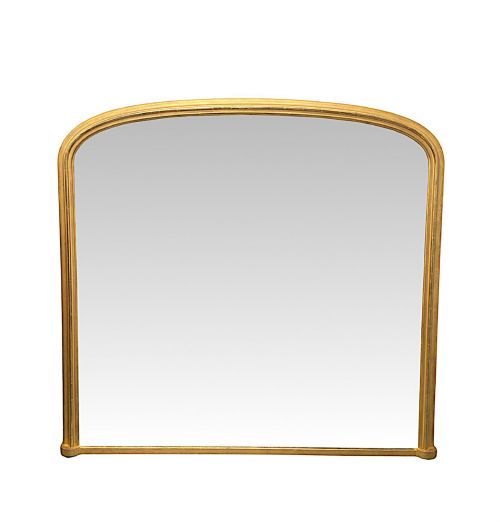
- A large mirror designed to hang directly above a fireplace mantelpiece. These pieces often feature arched or heavily carved crests to anchor a room.
- Bergère
- An enclosed upholstered armchair with wooden framing and an upholstered back and armrests. They frequently incorporate padded seats for domestic comfort.
- Ormolu
- Gilded bronze mounts applied to furniture for decorative enrichment. This ornamentation highlights structural contours and joins on case pieces and beds.
Louis Style Frame: Frequently Asked Questions
What defines a louis style frame?
A louis style frame draws on French court aesthetics, typically featuring asymmetrical Rococo curves or the restrained geometric symmetry associated with Louis XVI designs. These pieces use carved wood, gesso, and gilding to create decorative borders for mirrors and furniture.
Craftsmen during the nineteenth century revived these historical motifs, producing decorative mirrors and seating that emulate eighteenth-century palace furnishings.
How do I identify Louis XV and Louis XVI styles?
Louis XV style focuses on fluid Rococo curves, C-scrolls, and naturalistic floral motifs without strict symmetry. Frames display flowing, organic contours across mirrors and chair backs.
Louis XVI style shifts towards neoclassical straight lines, symmetrical proportions, fluted columns, and ribbon crests. This later aesthetic appears orderly and architectural by comparison.
Where should I place an overmantel mirror?
An overmantel mirror hangs securely above a fireplace mantelpiece to reflect light and anchor the vertical space of a room. Its proportions usually match the width of the mantel below.
These large mirrors also function effectively on main living room walls where their ornate carved crests serve as focal points.
How do I care for antique giltwood surfaces?
Giltwood requires gentle dusting with a soft, dry cloth to prevent abrasion of the delicate gold leaf layer. Avoid moisture, chemical cleaners, and direct sunlight, which can damage the underlying gesso and wood.
Stable indoor humidity preserves both the wooden substrate and the gilded or painted finishes across decades of display.