






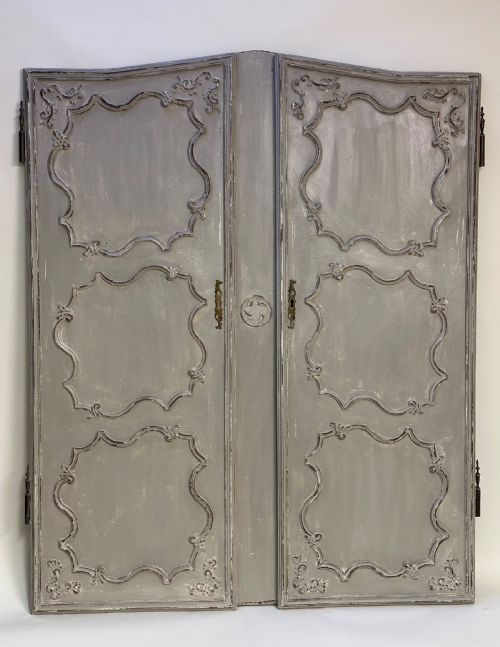
Louis Style Armoire
A louis style armoire brings grand proportions and panelled storage into a room, offering the French decorative presence that collectors seek.
Louis Style Armoire
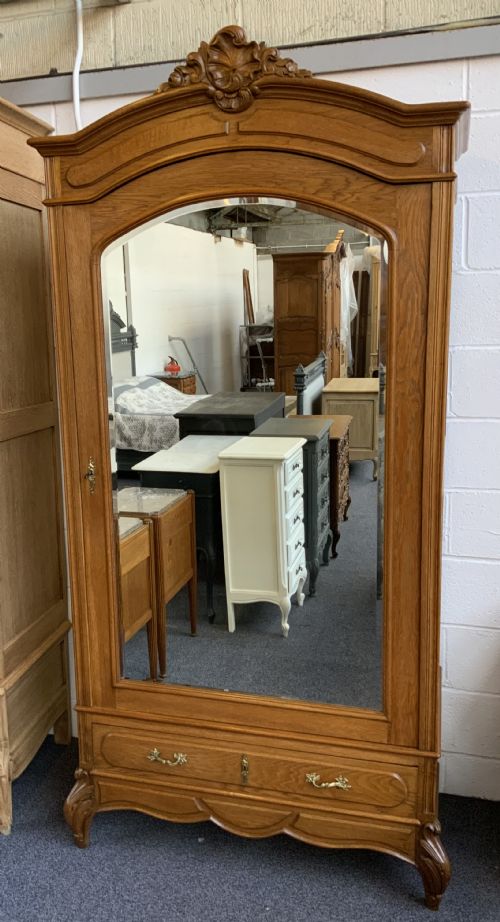
When you search for a louis style armoire, you encounter large storage furniture drawing on French Rococo and Louis XV traditions, originating from periods spanning the eighteenth century through to the early twentieth century. These pieces serve as commanding bedroom or living space storage, often featuring double or triple doors and generous internal depths.
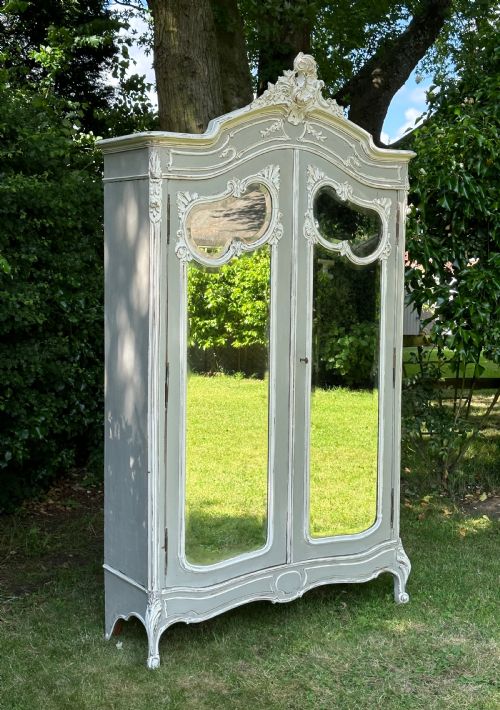
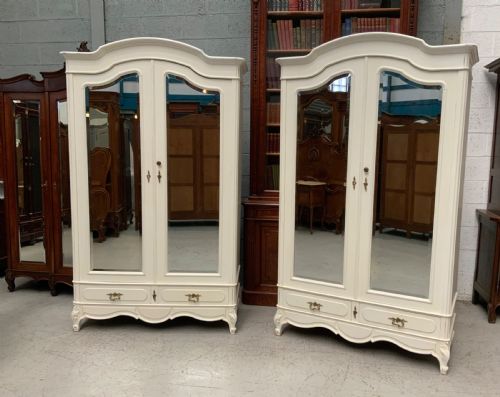
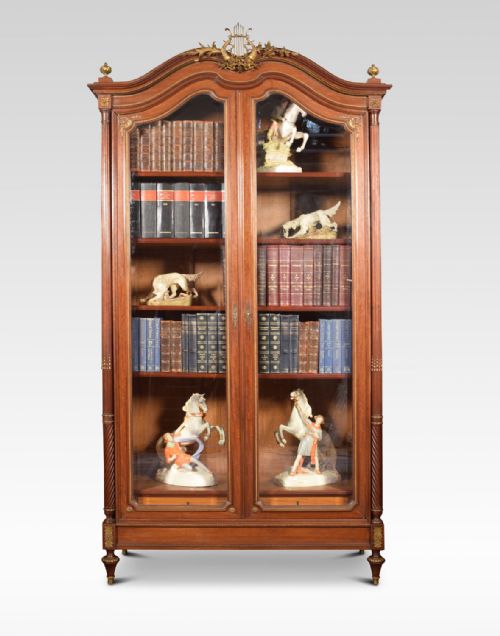
The selection on this page ranges from substantial nineteenth-century burr walnut cabinets to bleached oak and painted single or double wardrobes from the nineteen-twenties. Alongside full armoires, the inventory includes related forms such as vitrines, bookcases, and matched pairs of architectural doors reflecting the same continental aesthetic.
How they were made
Cabinet makers utilised dense hardwoods including oak, walnut, and cherrywood, constructing carcases with traditional joinery to support heavy panelled doors. Surfaces frequently display hand-carved floral or rocaille motifs worked directly into the timber.
Metal ornamentation played a central role in the construction, incorporating cast brass, ormolu mounts, and iron hardware to accent keyways and corners. Glazed sections utilised glass panels held within slim wooden frames, while painted variants received layered finishes over timber substrates.
Louis Style Armoire Retail Price Guide 2026
Typical asking prices for louis style armoire among the pieces listed under this phrase on Sellingantiques today, from the lower quarter to the upper quarter. They describe what is for sale here now, not the wider market.
Listings feature oak, walnut, mahogany, and cherrywood materials spanning the eighteenth, nineteenth, and early twentieth centuries.
What varies in quality
Quality rests in the crispness of the hand-carved woodwork and the selection of figured veneers, such as burr walnut, matched across large door panels. Finer examples maintain structural integrity through heavy timber framing that prevents warping over time.
The refinement of cast brass mounts and ormolu hardware distinguishes superior pieces from standard production, alongside the sophistication of the original finish, whether French polish, carved oak, or period paint.
The Louis Style Armoire Glossary
- Ormolu
- Gilt bronze mounts applied to furniture for decorative enrichment. These metallic elements highlight key architectural lines and corners on better pieces.
- Vitrine
- A glass-fronted cabinet designed for the display of objects or books. These pieces often share the carved motifs and proportions of larger armoires.
- Buffet de Corps
- A large traditional two-body cupboard originating in France. This form provides substantial partitioned storage across upper and lower sections.
- Marquetry
- The art of applying pieces of veneer to a structure to form decorative patterns. Craftsmen utilised different coloured woods to create pictorial designs on cabinet doors.
Louis Style Armoire: Frequently Asked Questions
How do I date a louis style armoire?
Dating relies on examining the timber species, construction joinery, and the style of the carved ornamentation. Eighteenth-century pieces typically show hand-hewn interior surfaces and pegged joints, whereas nineteenth and twentieth-century examples incorporate machine-sawn timber and varied revival styling.
Hardware and mount styles also provide chronological clues, as cast brass and ormolu changed in composition and design across the periods represented.
Are these armoires easy to dismantle?
Many large continental armoires were constructed with knock-down frames held together by wooden pegs or large internal bolts. This modular design allowed historical cabinet makers to transport bulky furniture up staircases and through narrow doorways.
Checking the internal assembly reveals whether a particular wardrobe can be disassembled for modern room placement.
Where should I place an armoire?
These imposing cabinets require a wall with sufficient height and depth to accommodate their substantial proportions without dominating the room entirely. Bedrooms and large hallways suit the scale of double and triple door variants best.
Positioning them away from direct heat sources protects the timber carcase and decorative veneers from drying out.
What is the difference between an armoire and a vitrine?
An armoire is primarily designed for enclosed wardrobe or general storage, featuring solid wooden doors that conceal clothes rails or shelving. A vitrine incorporates glass panels to display contents internally.
Both forms utilise similar French Rococo and Louis XV stylistic vocabulary but serve different functional purposes in an interior.