


Long Wool Rug
A long wool rug brings warmth and texture to hallways and landings, offering durable textile history for the floor.
Long Wool Rug
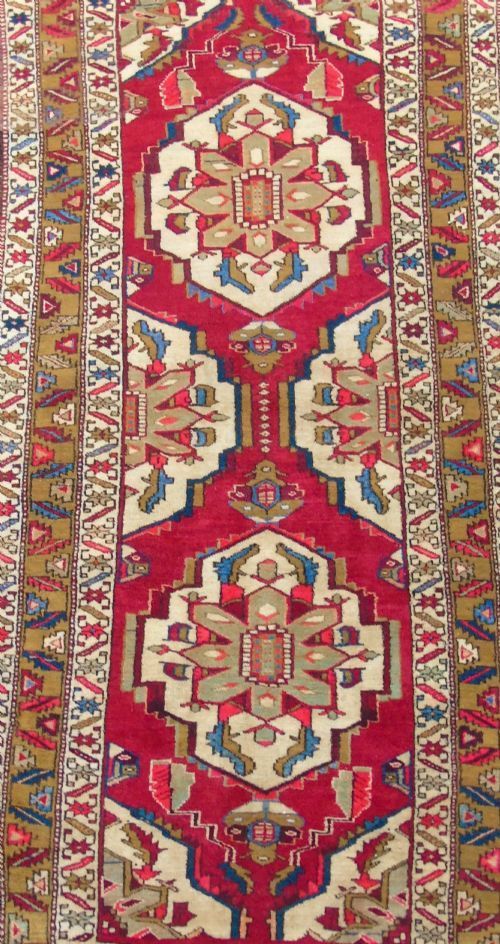
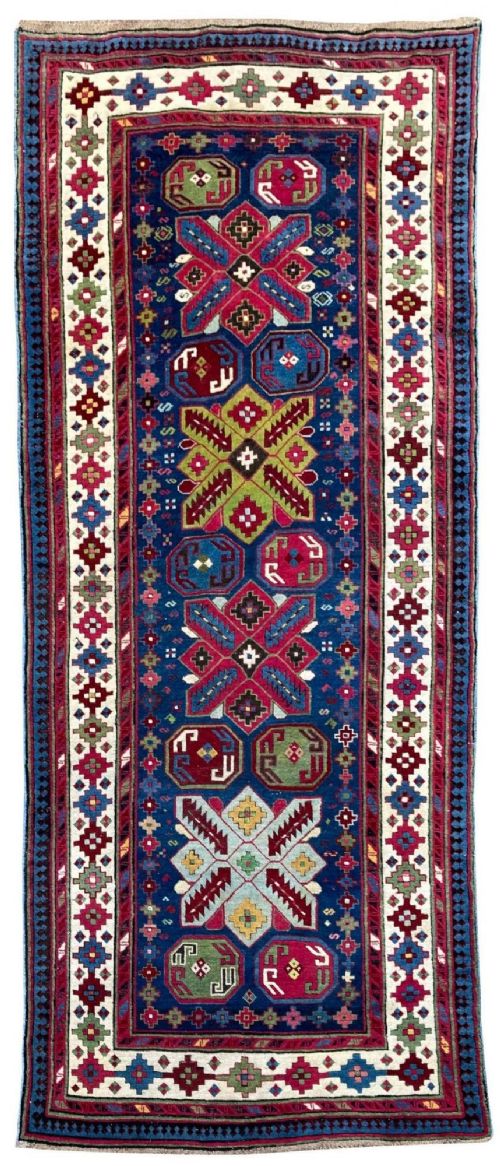
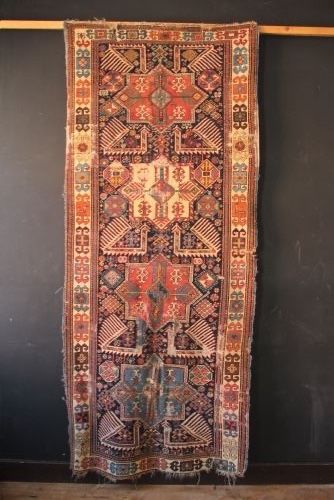
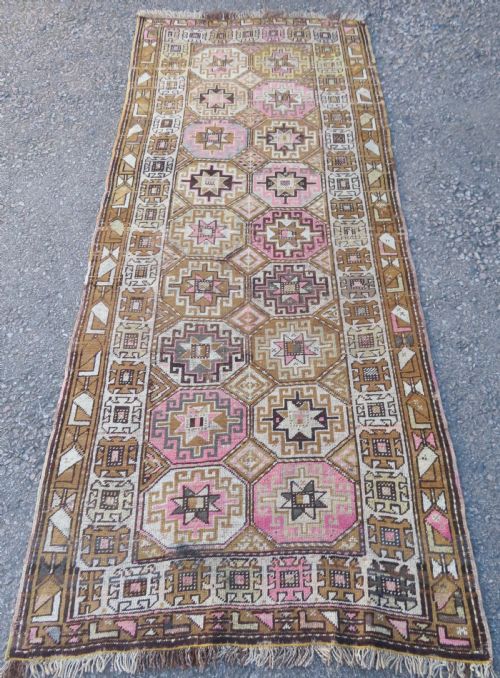
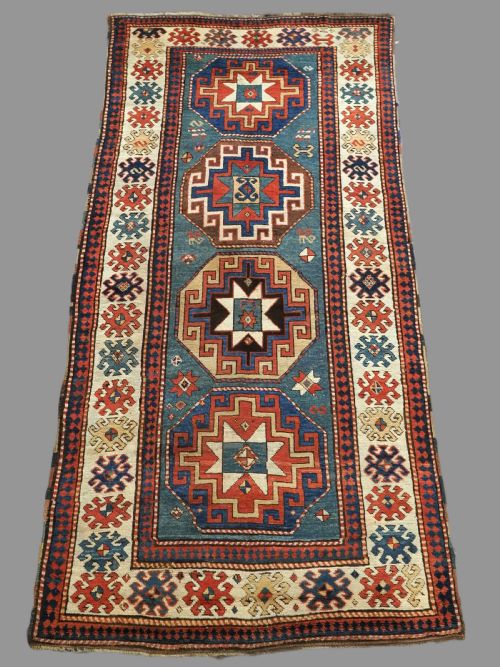
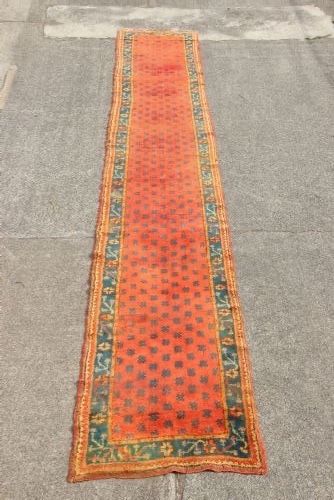
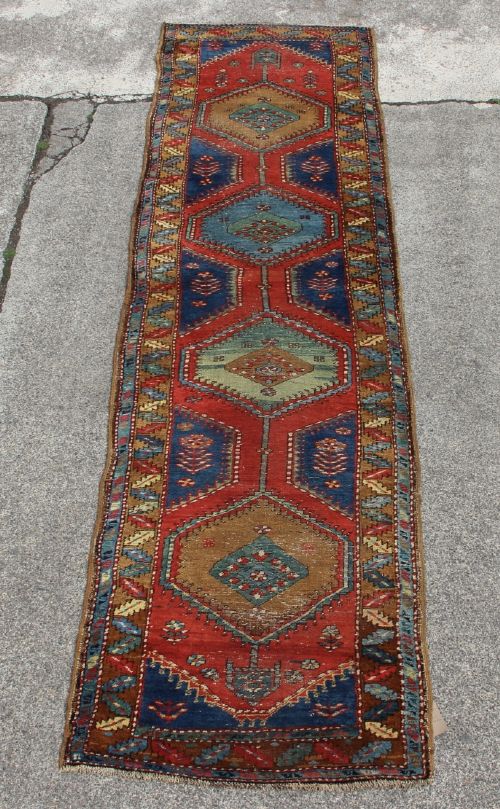
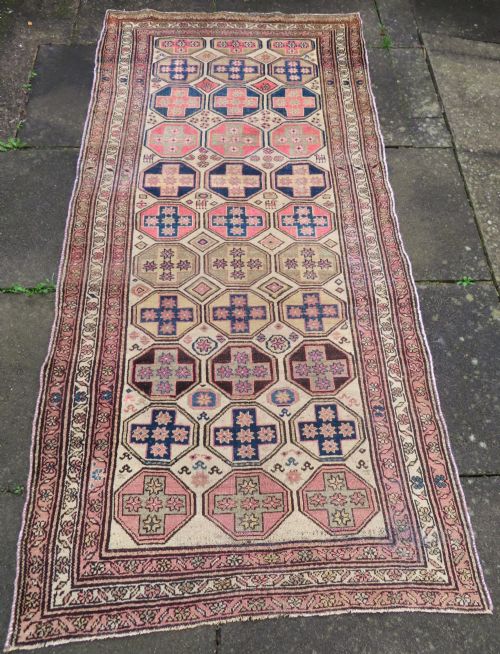
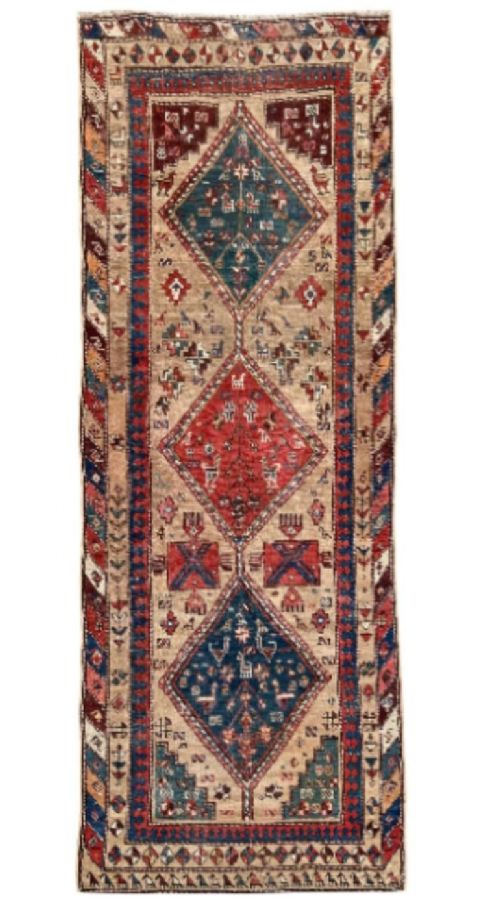
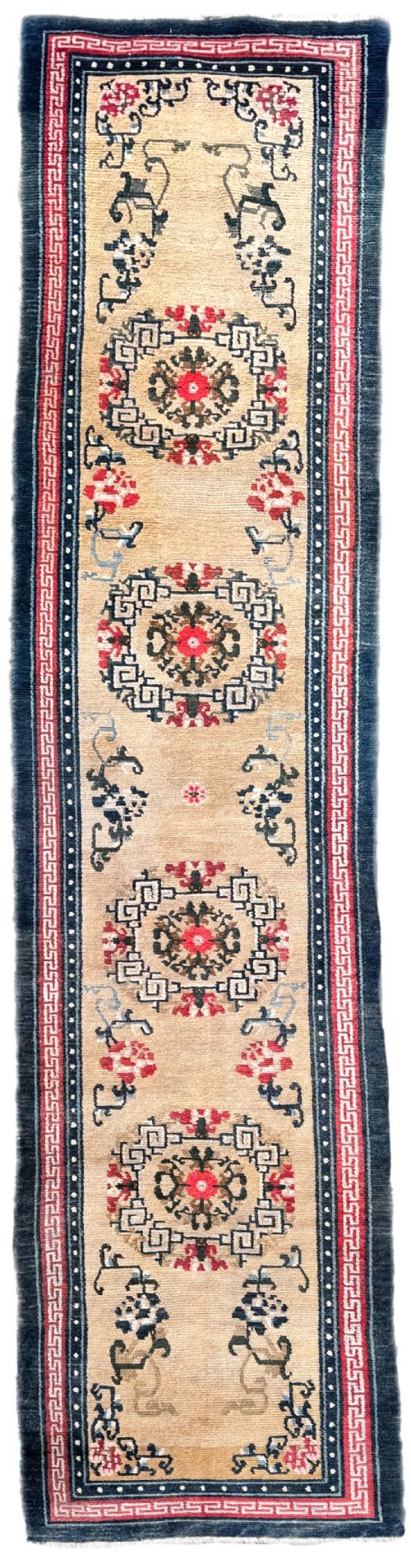
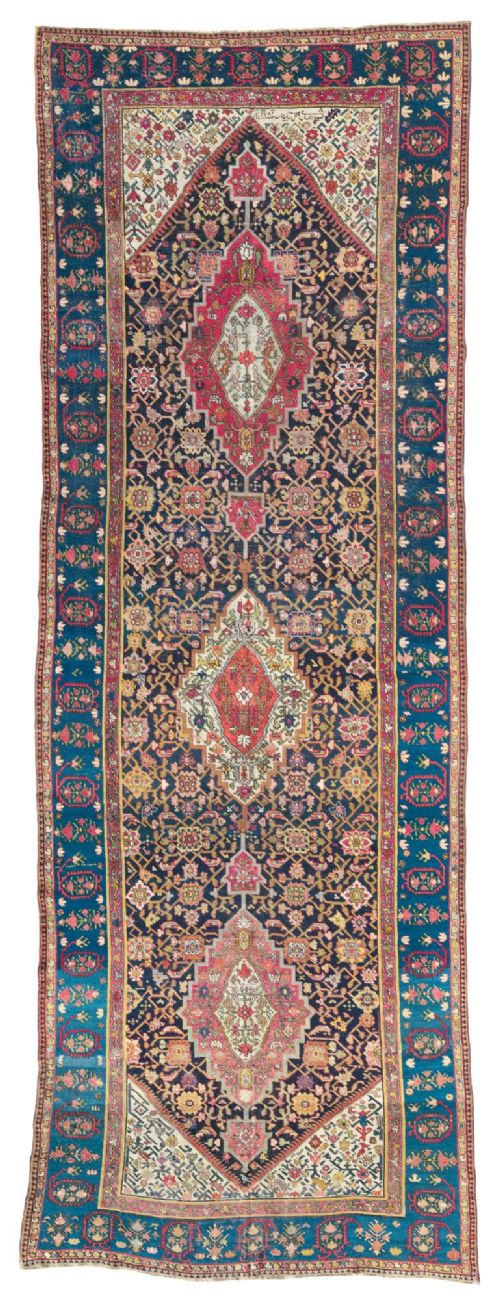
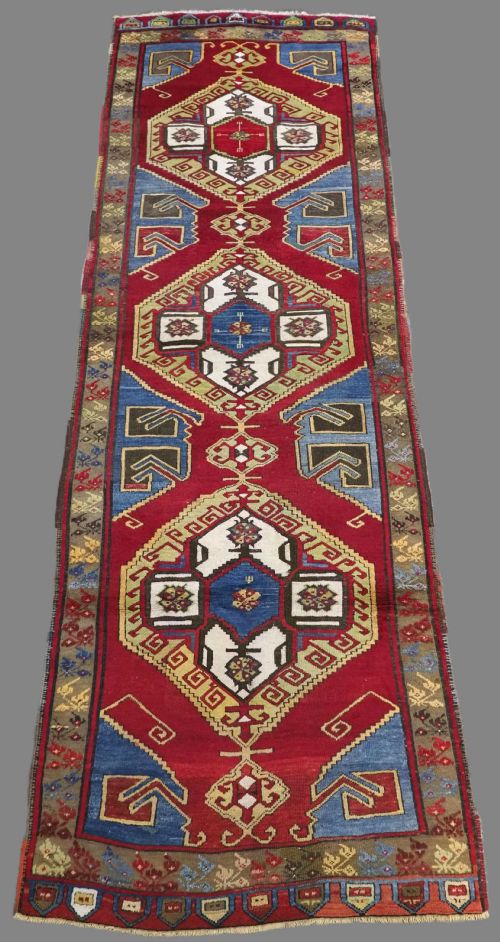
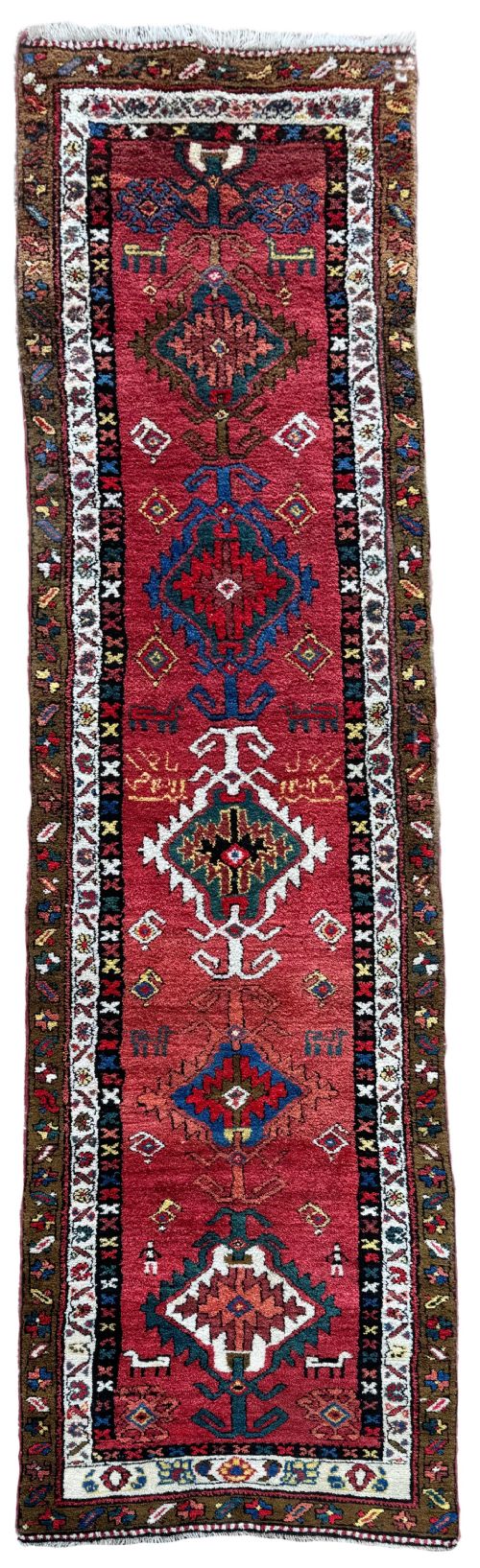
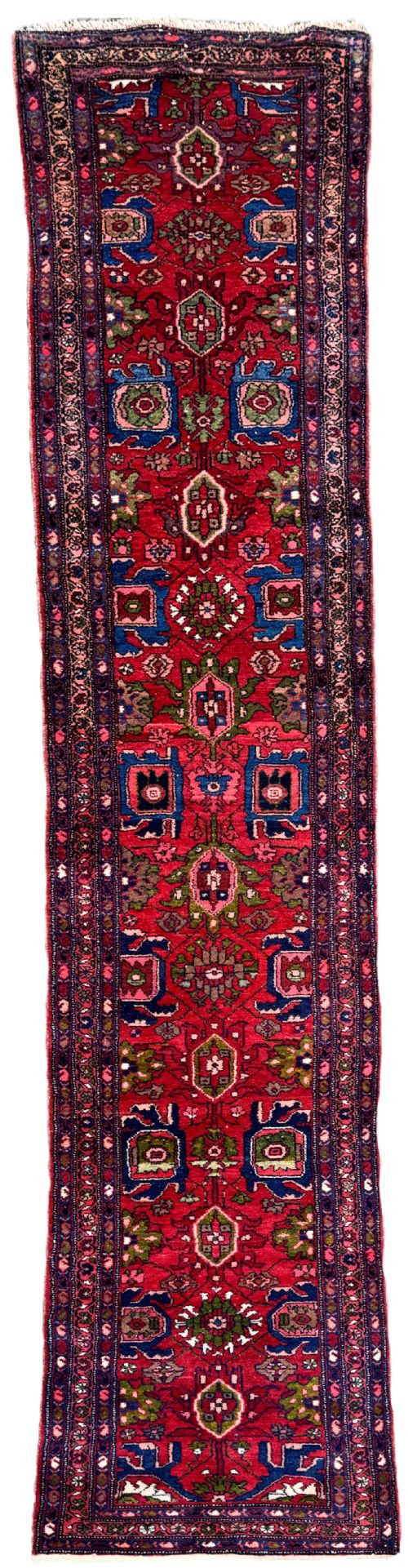
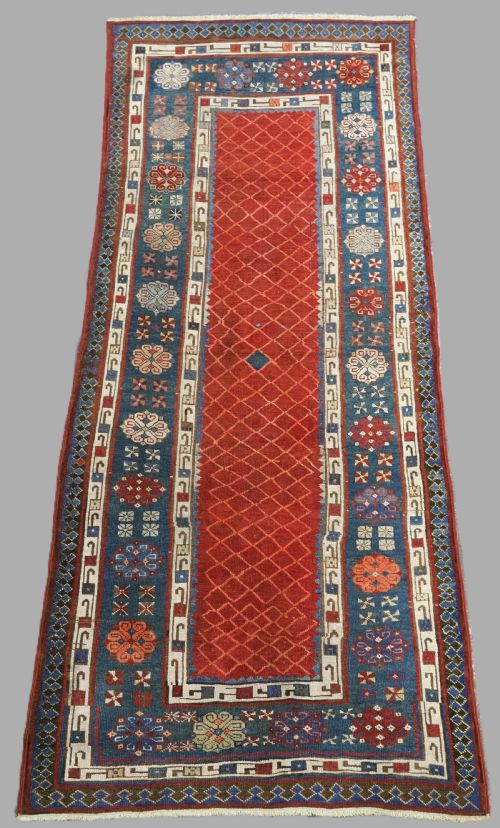
A long wool rug encompasses narrow format carpets, runner rugs, and kelleh floor coverings designed for extended spaces like corridors and halls. When searching for a long wool rug, collectors encounter regional village and tribal expressions originating from Persian, Caucasian, Turkish, and Kurdish workshops. These floor textiles span from the mid-nineteenth century through the early twentieth century, taking the form of elongated rectangles tailored for circulation areas.
The prevalent formats on this page include antique Kurdish, Caucasian, and Persian runners alongside Turkish Oushak and Heriz pieces. Dimensions often stretch considerably in length while maintaining narrow proportions suited for narrow corridors or large landings. Stylistic expressions range from geometric tribal medallions and lattice motifs to traditional floral field patterns executed in substantial wool pile.
Materials and construction
Makers constructed these floor coverings using wool pile knotted onto foundational warps and wefts of wool or cotton. Artisans frequently utilised hand-spun wool, yielding variable texture and natural absorption of dyestuffs across the pile surface.
Weavers in different regions employed specific knotting techniques and structural framing, binding the sides with wool selvedges and securing the ends with flatwoven skirts. The interplay between the pile material and the foundation determines the drape and resilience of each textile under foot traffic.
Long Wool Rug Retail Price Guide 2026
Typical asking prices for long wool rug among the pieces listed under this phrase on Sellingantiques today, from the lower quarter to the upper quarter. They describe what is for sale here now, not the wider market.
Some runners stretch over thirty feet long, designed for grand country house landings where footsteps echo softly across centuries of wool.
Judging quality and integrity
Quality in these textiles rests upon the density of the knotting, the handling of the wool, and the depth achieved in the dyework. Finer knots permit intricate delineation of geometric lattices or floral motifs, while robust wool selection ensures longevity in high-traffic hallways.
The condition of the pile and the retention of original borders or ends distinguish exceptional examples from heavily worn pieces. Gradations in quality also appear in the consistency of the weave and the preservation of the saturated natural colours across the field.
The Long Wool Rug Glossary
- Runner
- A long, narrow carpet format traditionally utilised in corridors, staircases, and hallways. These pieces typically display an elongated rectangular proportion.
- Kelleh
- A large, extended format carpet, narrower than a standard room size yet broader than a typical runner. They often originate from nineteenth-century weaving traditions.
- Warp
- The vertical foundation threads stretched lengthwise on the loom before knotting begins. Wefts are subsequently passed horizontally between them to secure the structure.
- Selvedge
- The reinforced side edges of a rug formed by wrapping or binding the outermost warp threads. This finishing prevents the sides from fraying.
- Gul
- A medallion or repeated octagonal motif frequently found in Turkmen and related tribal weaving traditions. These schematic emblems often denote specific tribal lineages.
Long Wool Rug: Frequently Asked Questions
Where do long wool rugs work best?
These narrow formats suit hallways, landings, and long corridors where standard room-sized carpets do not fit. Their elongated proportions guide movement through architectural spaces.
They also function well beside beds or in gallery-style rooms, adding warmth and soft texture to bare timber flooring.
How do I maintain an antique wool runner?
Regular gentle vacuuming without a rotating brush bar removes grit that settles deep within the wool pile. Professional cleaning by a specialist in antique textiles preserves the lanolin and dyestuffs.
Positioning a quality underlay beneath the textile prevents slipping and reduces friction against the floor surface during daily use.
How are regional styles told apart?
Caucasian pieces tend to display crisp geometric medallions and sharp polygon motifs rendered in saturated primary tones. Kurdish and Persian examples frequently incorporate continuous lattice designs, Herati patterns, or denser floral fields.
Turkish Oushak and Anatolian runners often exhibit softer palettes with larger scale floral elements and relaxed botanical layouts.
What is hand-spun wool?
Hand-spun wool involves fibres prepared and twisted manually on a spindle rather than by industrial machinery. This traditional method produces slight variations in thickness throughout the yarn.
When dyed, these subtle irregularities absorb colour unevenly, creating a mottled, vibrant surface appearance known as abrash.