







Long Wooden Server
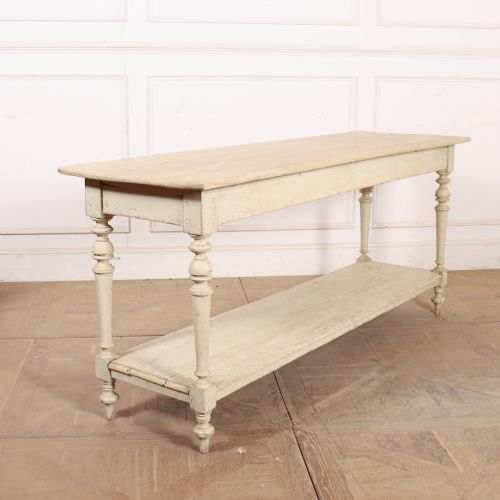
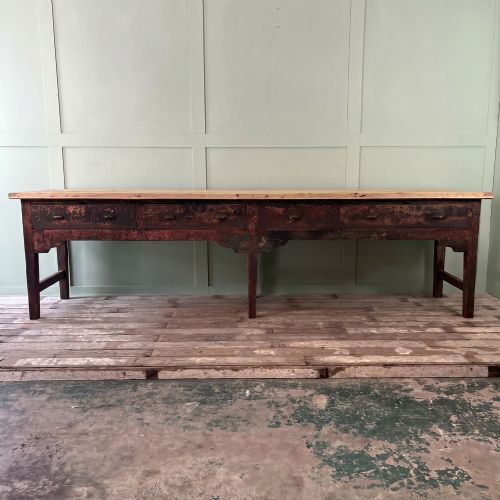
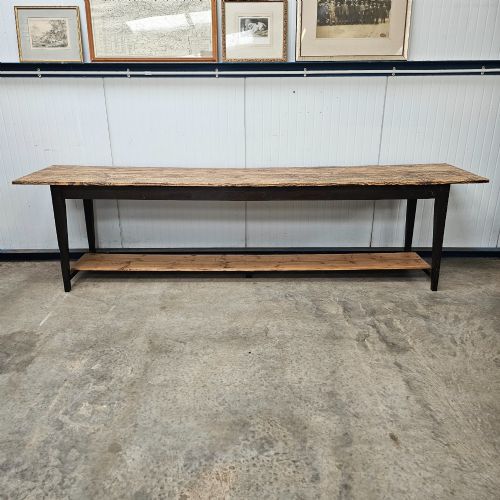
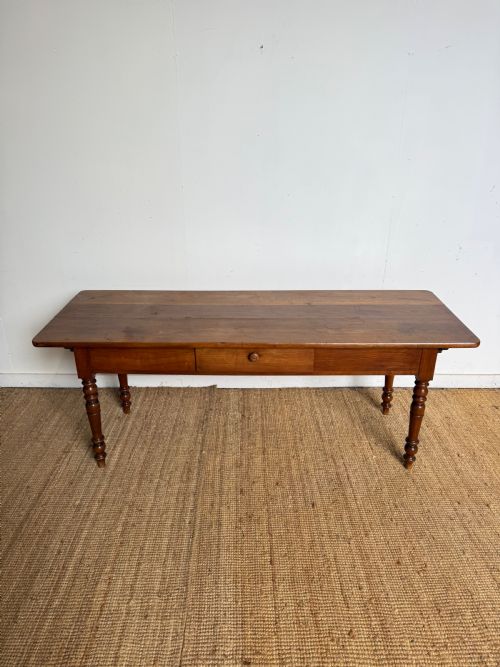
A long wooden server provides generous surface area for entertaining and display, drawing on centuries of practical country house and kitchen design.
Long Wooden Server
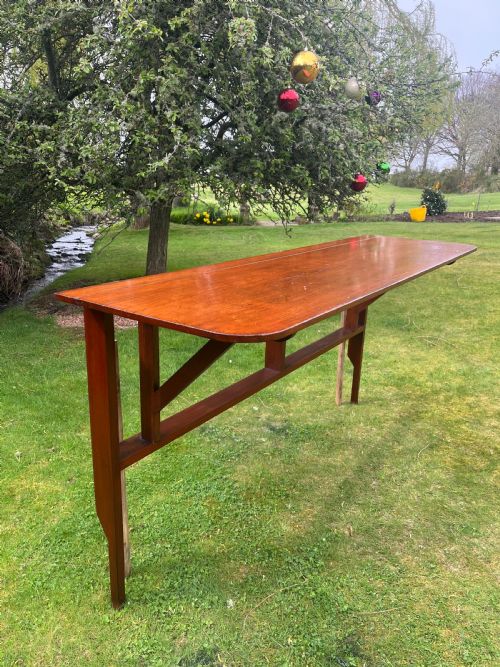
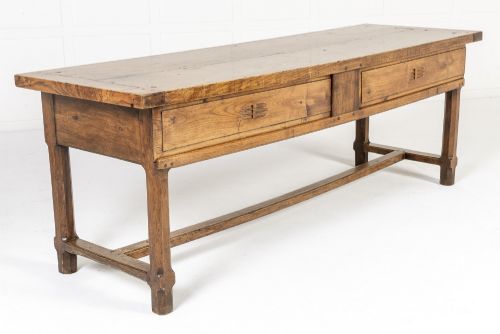
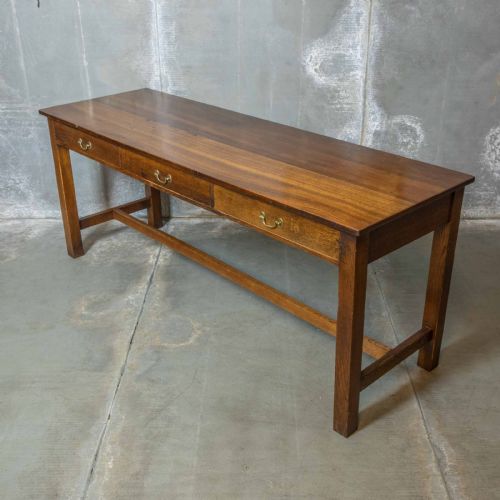
A long wooden server encompasses an array of utilitarian forms designed for food preparation, serving, and storage in domestic settings. When you search for a long wooden server, you encounter forms ranging from rustic harvest and drapers tables to refined Georgian mahogany bowfront sideboards and potboard serving tables.
The pieces originating from French and English country houses dominate this selection, frequently exhibiting regional characteristics such as pot-shelves, drawers, and extended proportions. Common formats include console tables, preparation tables, and dresser bases spanning the eighteenth, nineteenth, and early twentieth centuries.
Makers utilised sturdy timbers suited to daily domestic labour, resulting in robust tables and sideboards that function effectively in modern dining rooms and kitchens. These forms reflect centuries of evolution from working furniture to decorative interior centerpieces.
Materials and construction
Joiners and carpenters constructed these servers using dense native timbers such as pine, oak, mahogany, walnut, and cherrywood, selected for their structural resilience. Many provincial examples feature painted finishes or original paint, applied to protect the softwood or hardwood beneath.
Hardware details typically incorporate brass or iron handles and hinges, adding functional contrast to the wooden framework. Joinery methods relied on traditional pegging and mortise and tenon techniques to support the extended lengths required for serving and preparation.
Pine, oak, and painted wood dominate the nineteenth-century listings, alongside rarer examples in walnut and mahogany.
Assessing quality and character
The distinction between ordinary and superior pieces rests on the integrity of the timber and the balance of proportions over extended lengths. Timbers that have aged with honest patination and minimal structural alteration display a truer connection to their working origins.
Subtleties in edge moulding, drawer construction, and the presence of original pot-shelves or period hardware elevate certain examples above standard utility furniture. The harmony between the original function and the current state of preservation governs the standing of each piece.
The Long Wooden Server Glossary
- Potboard
- A lower shelf fitted beneath a serving table or dresser base, traditionally used for storing pots and heavy kitchenware. This feature provides additional structural stability to long tables.
- Drapers table
- A long, narrow table originally utilised in linen and drapery shops for measuring and displaying cloth. Their extended proportions make them highly desirable as modern serving surfaces.
- Refectory table
- A long dining table traditionally found in monasteries and large halls, characterised by substantial stretchers and heavy wooden legs. These provide immense stability for large gatherings.
- Bowfront
- A curved cabinet front that swells outward in the centre, commonly seen on eighteenth and nineteenth-century sideboards. This shape softens the profile of large dining room furniture.
- Preparation table
- A sturdy utilitarian table designed for heavy kitchen tasks, often featuring scrubbed wooden tops and practical drawers. They demonstrate straightforward vernacular construction.
Long Wooden Server: Frequently Asked Questions
What is a long wooden server used for today?
These versatile pieces serve admirably as sideboards in dining rooms, console tables in hallways, or functional workspace islands in large kitchens. Their generous length provides ample surface for displaying objects or serving food during gatherings.
Their substantial storage capacity, often aided by drawers or lower pot-shelves, accommodates table linen, crockery, and daily household items efficiently.
How do I care for antique wooden servers?
Maintain the timber by dusting regularly with a dry cloth and occasionally applying natural beeswax to nourish dry surfaces. Avoid placing wooden servers in direct sunlight or near heat sources to prevent warping.
Use protective mats under hot dishes or damp glasses to preserve the historic finish and prevent water marking on old polish or painted surfaces.
Are these servers suitable for modern kitchens?
Many preparation tables and drapers tables originate from domestic kitchens or utility spaces, making them naturally suited for contemporary culinary environments. Their robust construction handles everyday activity with ease.
Ensure you measure both floor space and ceiling height, as extended proportions require careful placement to maintain comfortable walkways in smaller rooms.
How can I tell the period of a server?
Examine the timber species, tool marks, joinery techniques, and hardware style to gauge the age and origin of the piece. Eighteenth-century examples often display hand-sawn boards and pegged joints, whereas later nineteenth-century pieces may incorporate machine-sawn components.
Regional styles also offer strong clues, such as the distinct painted finishes found on French provincial furniture compared to the darker polished hardwoods of English country houses.