

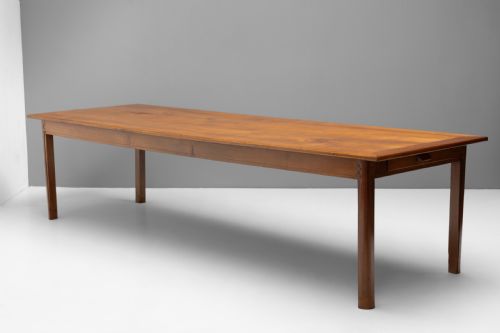


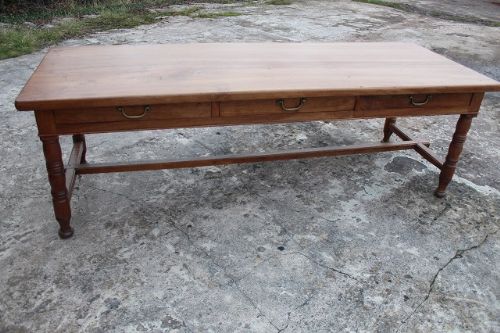


Long Wooden Harvest Table
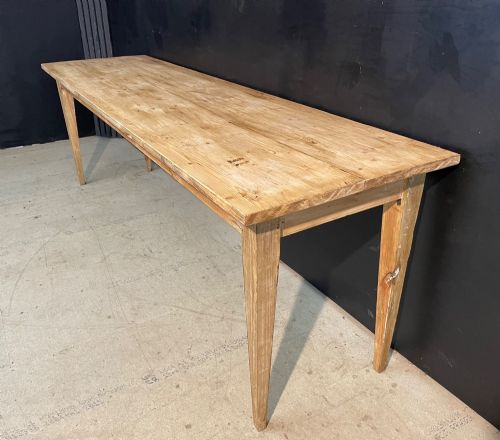
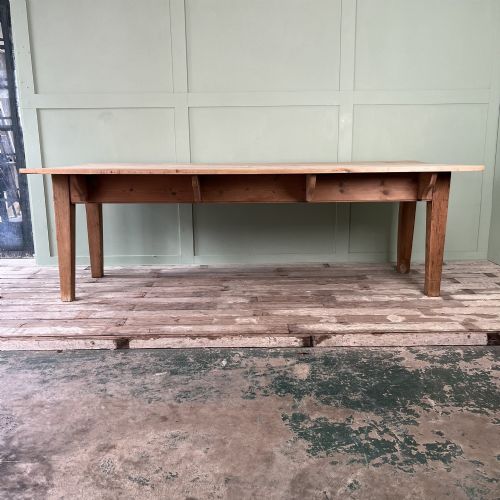
A long wooden harvest table brings communal warmth and generous proportions to a dining room, built for gathering large groups together.
Long Wooden Harvest Table
When you search for a long wooden harvest table, you encounter substantial dining tables designed for shared meals and large gatherings. These pieces span the nineteenth century through the early twentieth century, originating from country workshops and domestic settings.
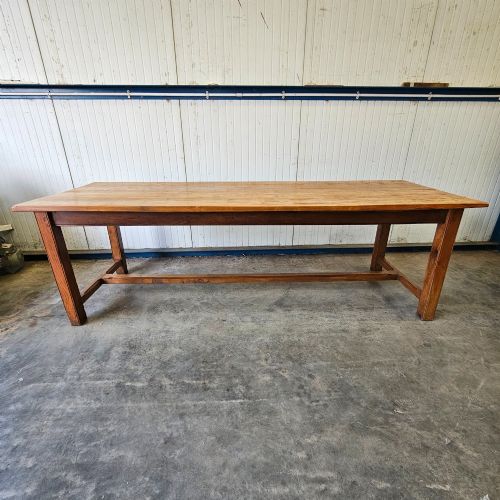
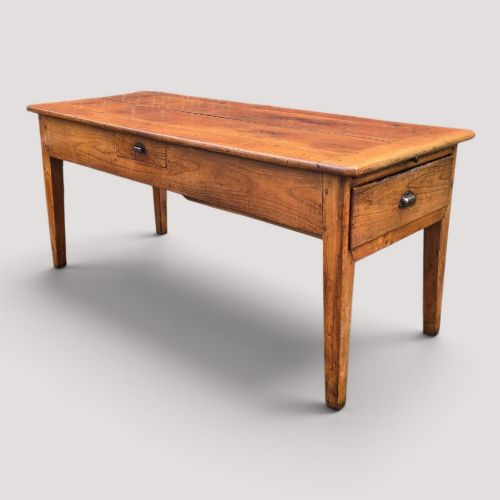
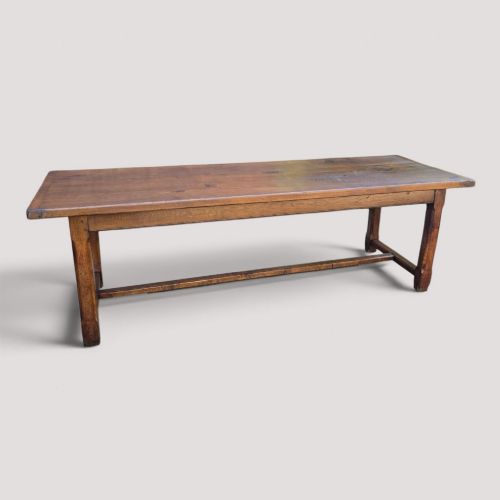
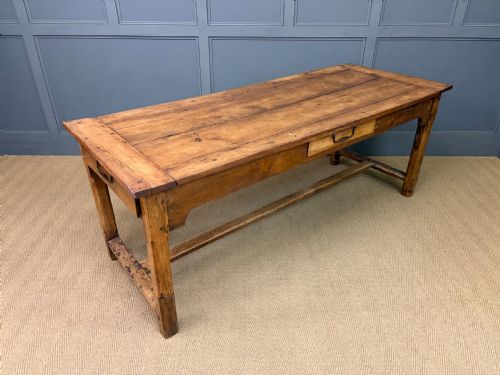
The most common examples on this page are pine and oak farmhouse and refectory tables, often featuring plank tops and sturdy stretcher bases. French provincial and rustic farmhouse styles dominate the selection, offering functional surfaces built to endure heavy daily use.
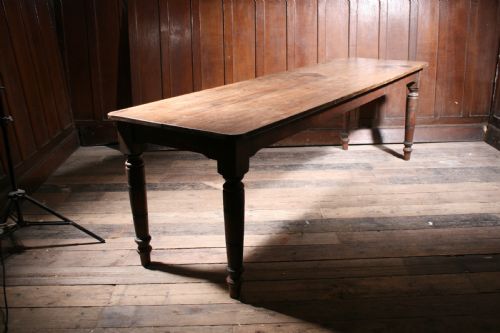
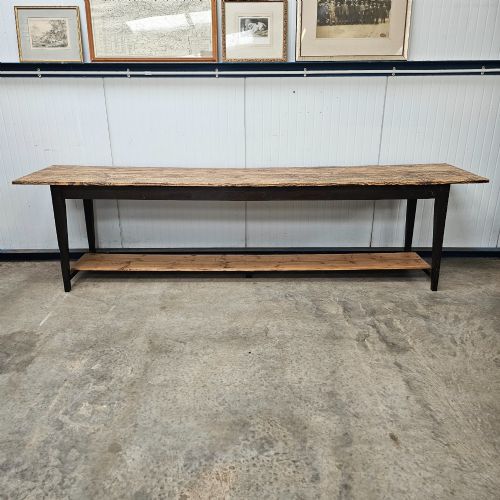
Makers constructed these tables to serve central roles in rural homes, prioritising length and stability. You will find variations from simple two-tier designs to grander cherry and fruitwood dining tables exceeding eight feet.
How they were made
Craftsmen built these tables using robust timbers such as oak, pine, elm, and fruitwood, selected for their durability and availability in large dimensions. Planks were joined to form wide table tops, supported by heavy frames and reinforced with H-stretchers or wooden pegs.
Structural hardware occasionally included iron or brass fittings to secure joints in heavy timber. Surfaces received simple finishes that highlighted the natural grain of the wood through generations of daily service.
Long Wooden Harvest Table Retail Price Guide 2026
Typical asking prices for long wooden harvest table among the pieces listed under this phrase on Sellingantiques today, from the lower quarter to the upper quarter. They describe what is for sale here now, not the wider market.
One exceptional table comes equipped for festive gatherings, ready to host a Christmas dinner, picnic, or barbecue.
What varies in quality
The grade of timber and the integrity of the original construction dictate the standard of each piece. Tables utilising denser hardwoods like oak, cherry, or fruitwood demonstrate greater resilience than softer pine variants.
Proportion and scale also influence value, particularly in extended lengths that maintain stability across twin plank or single board tops. Original stretcher configurations and untouched surface patinas distinguish superior country examples from heavily restored ones.
The Long Wooden Harvest Table Glossary
- Refectory table
- A long narrow dining table traditionally used in monastic dining halls and later adopted in domestic farmhouse settings. These tables typically feature strong stretcher bases to prevent leg wobble.
- Stretcher
- A horizontal support beam connecting the legs of a table underneath to provide structural rigidity. An H-stretcher forms an H-shape between four legs.
- Twin plank
- A table top constructed from two wide parallel boards joined lengthwise. This construction method appears frequently in large antique farmhouse tables.
- Fruitwood
- Timber sourced from fruit-bearing trees such as cherry or pear, known for a warm tone and fine grain. Cabinetmakers valued it for country furniture.
- D-End table
- A dining table with semicircular ends that can stand alone or combine with centre sections. This form offers versatility in room placement.
Long Wooden Harvest Table: Frequently Asked Questions
What is a harvest table?
A harvest table is an extended dining table historically designed to seat farm workers and large families during seasonal meals. These tables prioritize length and surface area over delicate ornamentation.
Today, they function as central gathering points in large kitchens and dining spaces, accommodating family gatherings and dinner parties.
How do I care for an old wooden table?
Maintain antique wooden surfaces by dusting regularly with a soft cloth and avoiding harsh chemical cleaning agents. Apply natural beeswax periodically to nourish the timber and protect the finish from drying out.
Keep the table away from direct heat sources and strong sunlight to prevent the wood from warping or splitting over time.
How do I determine the period?
Dating relies on examining construction methods, tool marks, timber selection, and fastener types used in the frame. Nineteenth-century examples often display hand-sawn board edges and pegged joints rather than modern screws.
Comparing the style against regional vernacular designs helps narrow down the decade of manufacture.
Can these tables seat twelve people?
Many examples on this page exceed eight to twelve feet in length, providing ample legroom and surface space for large groups. Generous proportions allow chairs or benches to fit comfortably along both sides.
Measure your dining space carefully to ensure adequate clearance around the table for movement and seating.