

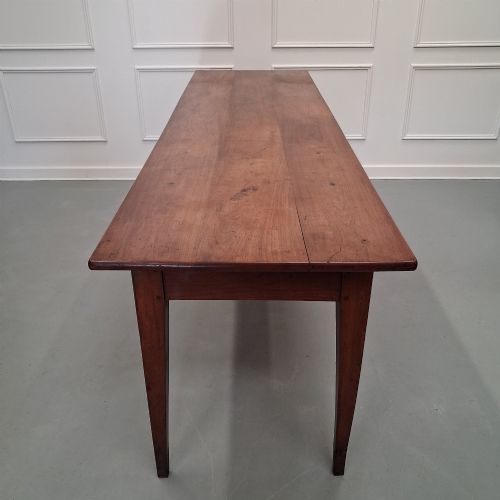
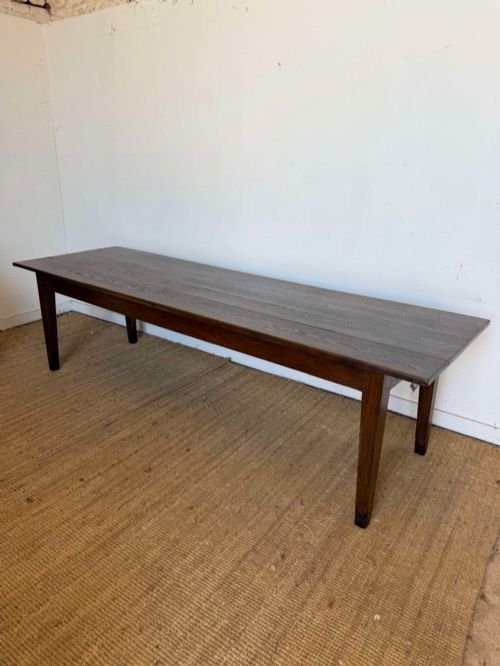
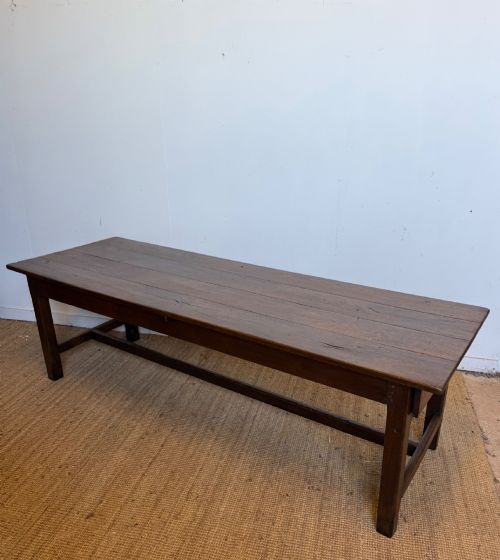
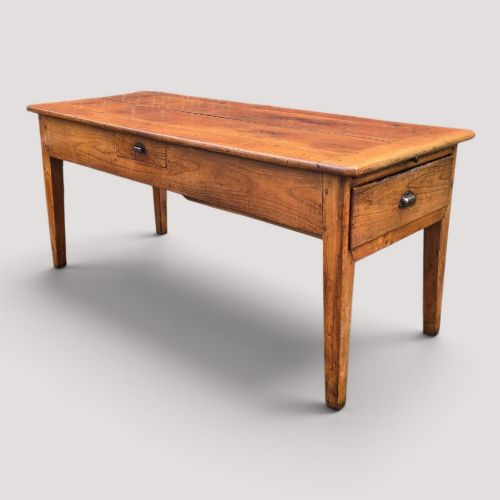

Long Wood Table
A long wood table anchors a room with hard-wearing timber, honest joints and decades of daily use.
Long Wood Table
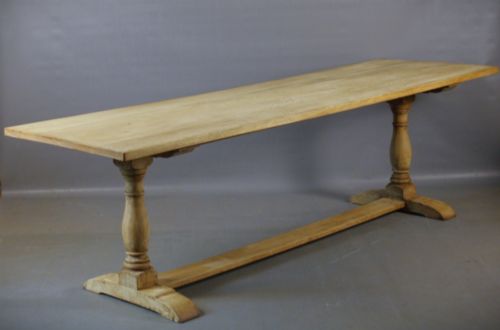
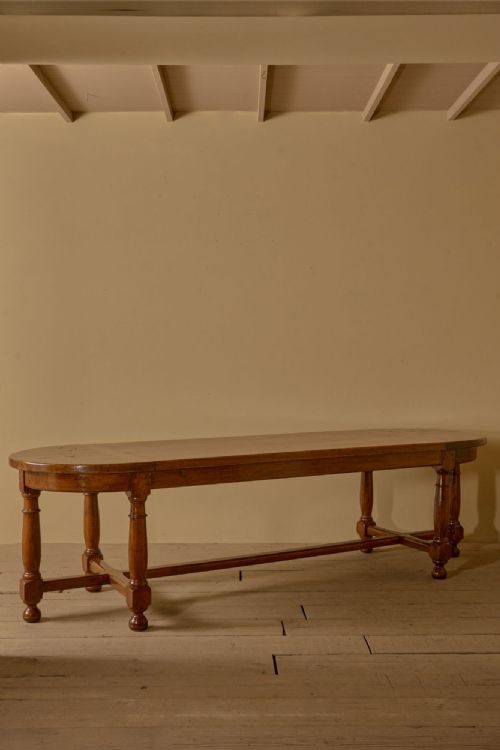
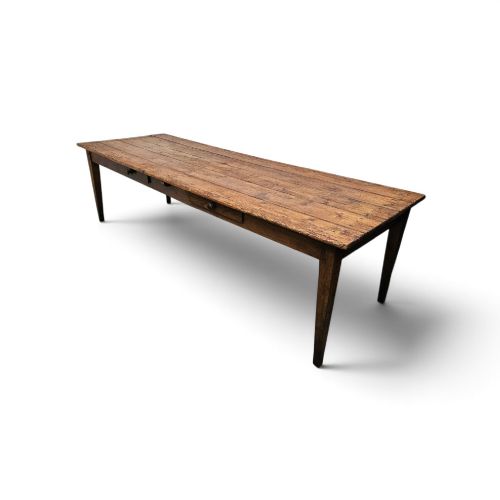
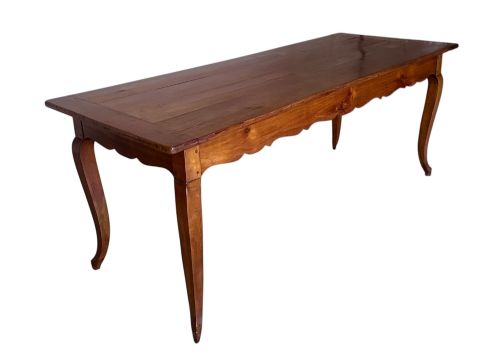
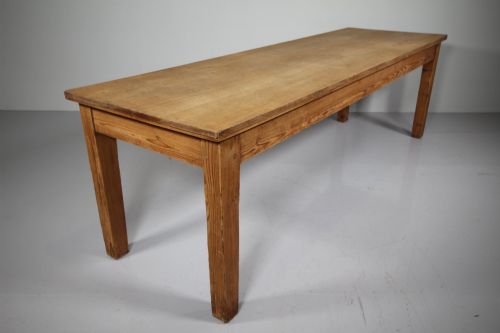
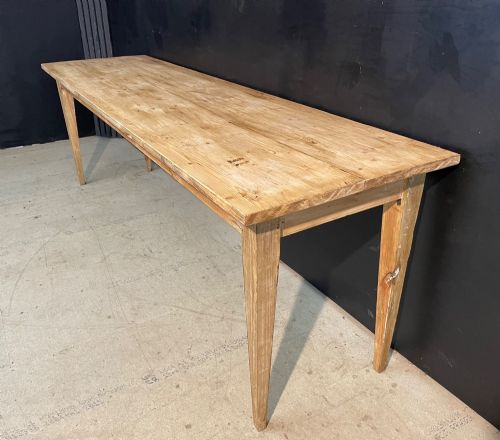
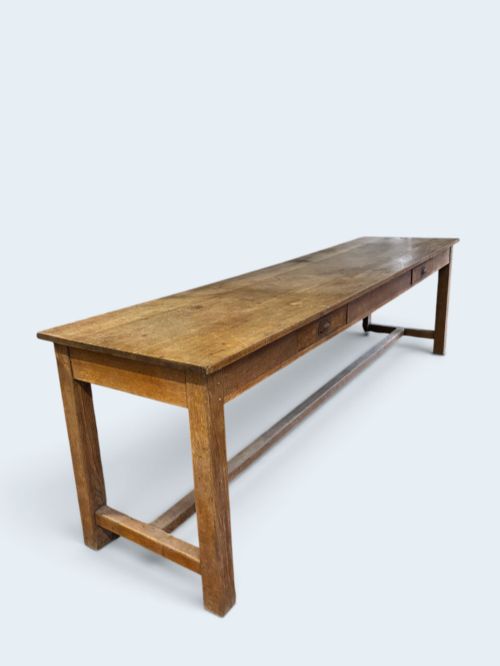
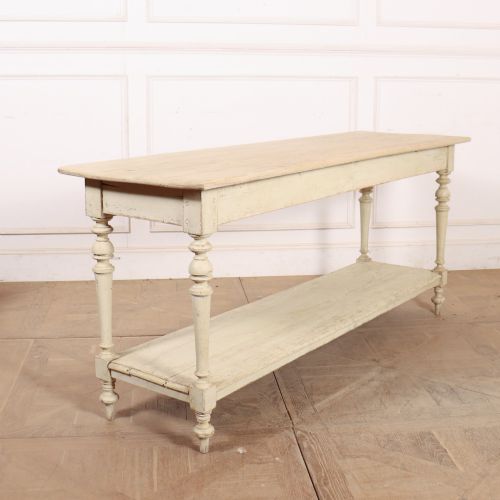
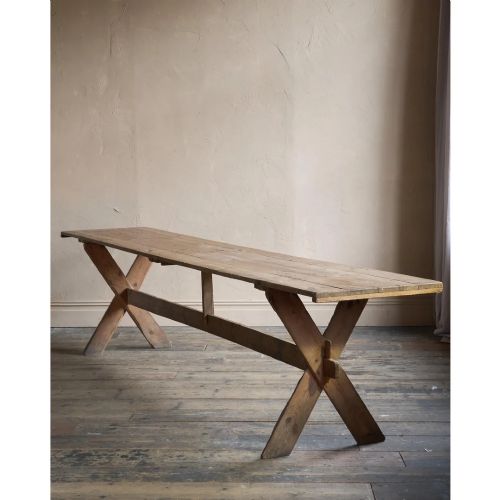
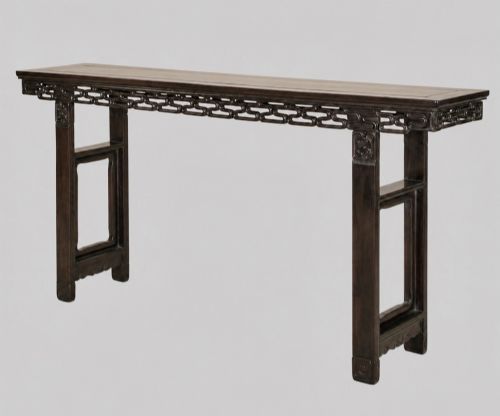
A long wood table serves as the central gathering surface in domestic and working spaces alike, taking forms such as refectory boards, harvest pieces, drapers tables and monastery designs. Buyers seeking a long wood table encounter pieces originating from French, English, Scandinavian and Chinese traditions, spanning the eighteenth, nineteenth and early twentieth centuries.
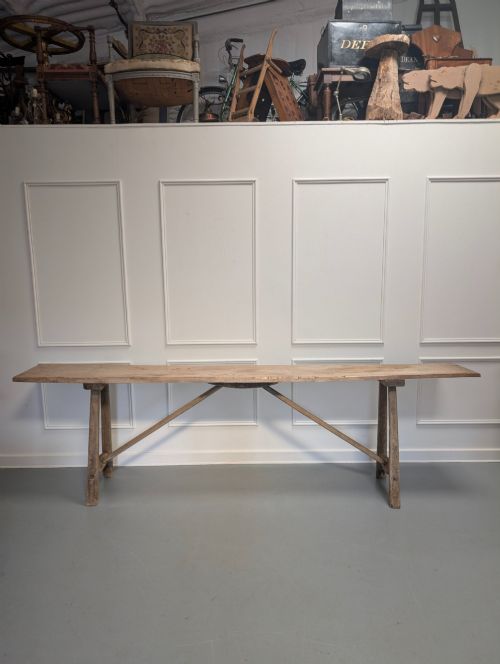
The domestic dining format dominates the selection, accompanied by narrower console tables, serving pieces, potboard variants and low coffee tables adapted from earlier benches or work surfaces. Proportions stretch well beyond standard dimensions, accommodating large dining parties or extended work areas.
Regional vernacular dictates the construction style, from heavy French cherrywood farmhouse examples to pale Swedish trestles and elm harvest boards from the south west of France. Oak, pine and walnut appear frequently, shaped by country carpenters and regional workshops rather than metropolitan cabinet makers.
Materials and construction
Makers relied on solid hardwoods and softwoods including oak, elm, pine, cherry and walnut, selecting local timber for top boards and structural frames. Planks were often joined with pegged mortise and tenon joints to withstand the heavy downward pressure of daily labour or family meals.
Secondary metals such as brass and iron appear in structural braces, drawer pulls and corner mounts, while painted finishes in muted tones protect softer pine and beech substrates. Surfaces show the marks of hand planes, pit saws and prolonged friction, recording the physical labour of their creation.
Long Wood Table Retail Price Guide 2026
Typical asking prices for long wood table among the pieces listed under this phrase on Sellingantiques today, from the lower quarter to the upper quarter. They describe what is for sale here now, not the wider market.
Several tables retain the faint grease marks and ink stains of past French vintners and English merchants who used them for ledger work.
Assessing quality and integrity
Quality rests in the thickness of the top boards and the retention of original structural timbers rather than applied decoration. Tables formed from single-piece planks or well-matched boards with minimal replacement timber hold greater architectural weight.
The balance between frame stability and surface wear distinguishes superior examples, where centuries of scrubbing have left deep grain relief without compromising the integrity of the stretcher base or leg joints.
The Long Wood Table Glossary
- Refectory table
- A long narrow dining table originally built for monastic dining halls, typically featuring heavy stretcher rails positioned low between the legs.
- Drapers table
- A long utilitarian counter with drawers, originally used in textile shops for measuring and folding cloth.
- Trestle table
- A board resting on two or more upright supports or trestles, allowing maximum legroom along the length of the piece.
- Potboard
- A lower slatted shelf fitted between the legs of a serving table or dresser base, designed for storing pots and heavy kitchen utensils.
- Harvest table
- A narrow rustic dining table designed for seasonal farm workers, often featuring drop leaves or overhangs at each end.
Long Wood Table: Frequently Asked Questions
How do I choose the right length?
Measure your room thoroughly, leaving adequate clearance around all sides for chairs and movement.
Consider how many people you intend to seat daily versus during larger gatherings.
Are these tables suitable for daily dining?
These pieces were built for heavy domestic or working use, making them exceptionally durable for modern family meals.
Their robust timber construction handles daily wear and tear while developing a deeper patina over time.
How should I clean a rustic wood surface?
Dust regularly with a dry cloth and clean spills promptly using a slightly damp cloth without harsh detergents.
Avoid modern chemical polishes that can build up a residue and dull the natural grain of aged timber.
Can I use a console table behind a sofa?
Narrow console versions fit neatly behind sofas or along hallway walls, providing a stable surface for lamps and books.
Check the height and length proportions against your seating to ensure visual balance in the room.