




Long Corridor Carpet Runner
A long corridor carpet runner anchors a long narrow space, bringing warmth and character underfoot.
Long Corridor Carpet Runner
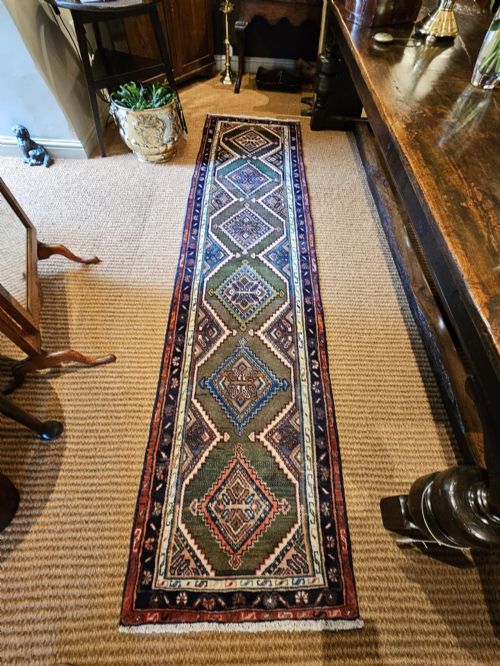
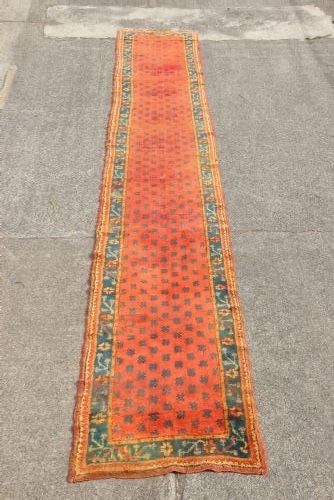
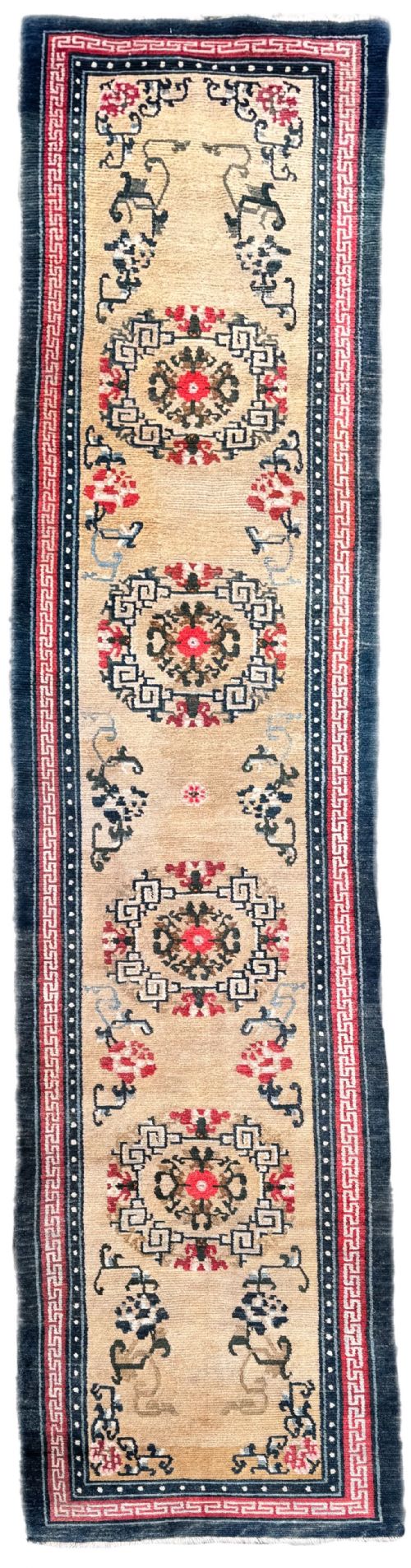
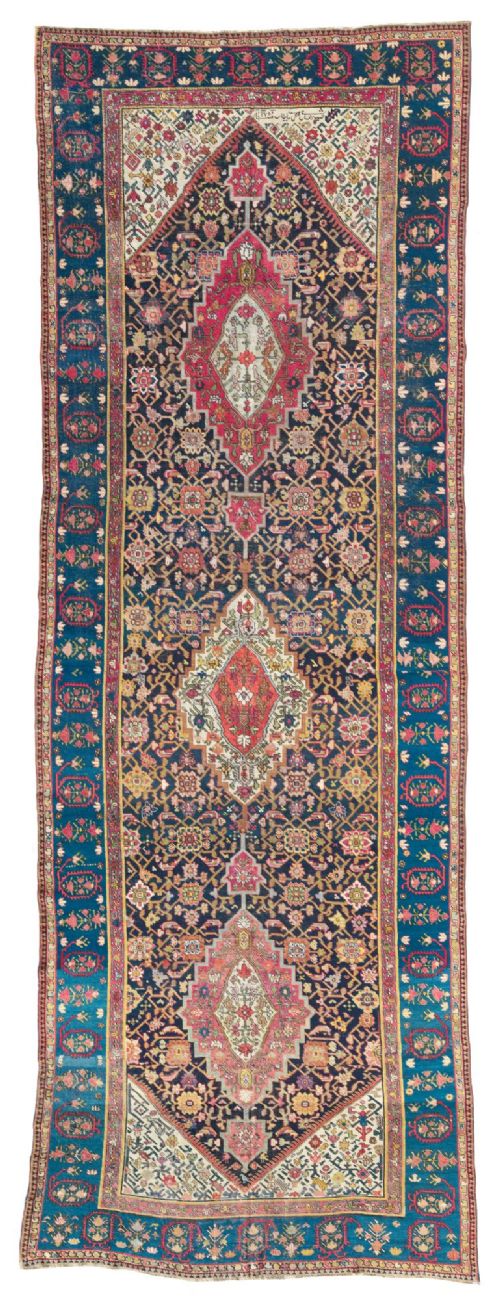
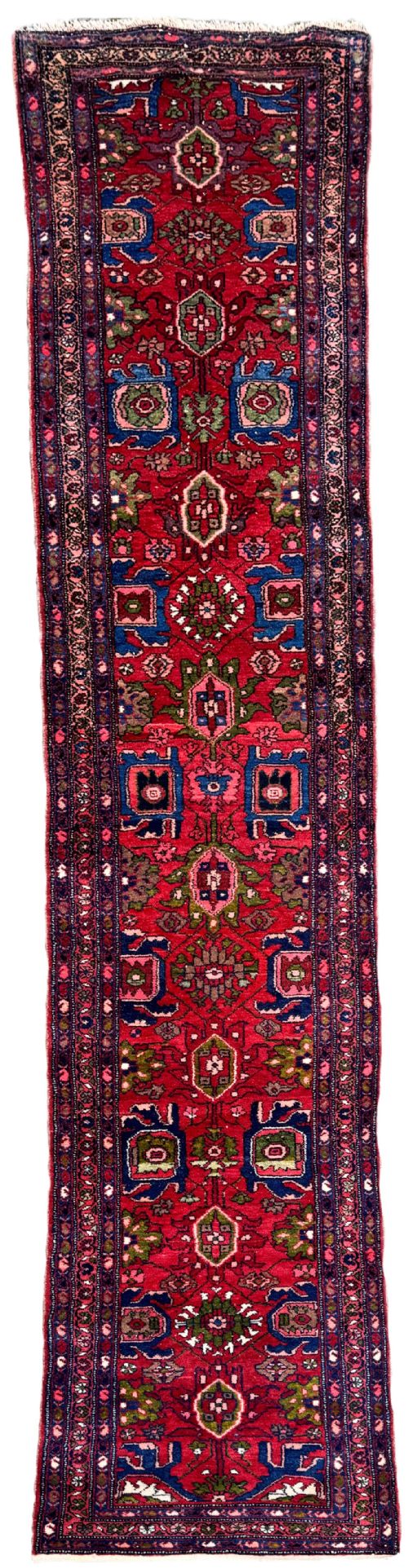
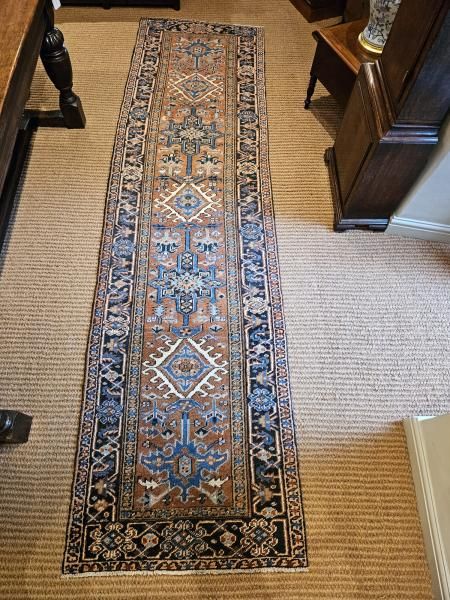
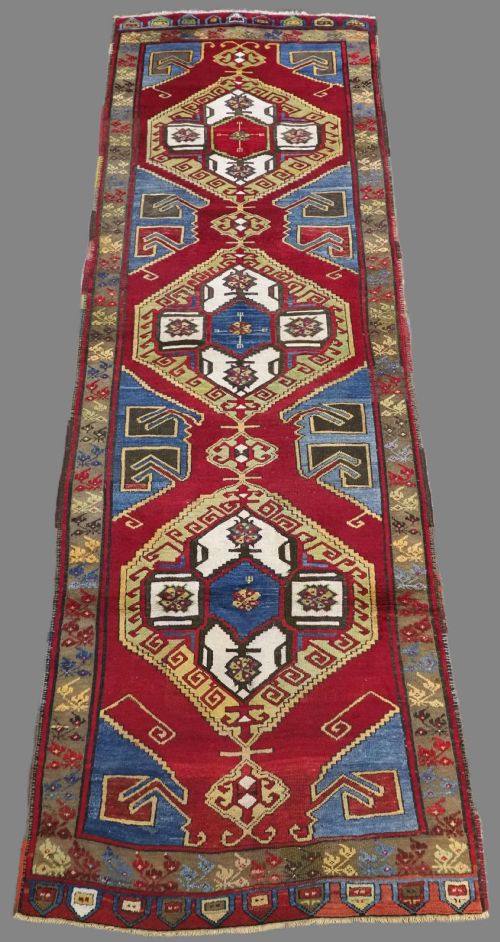
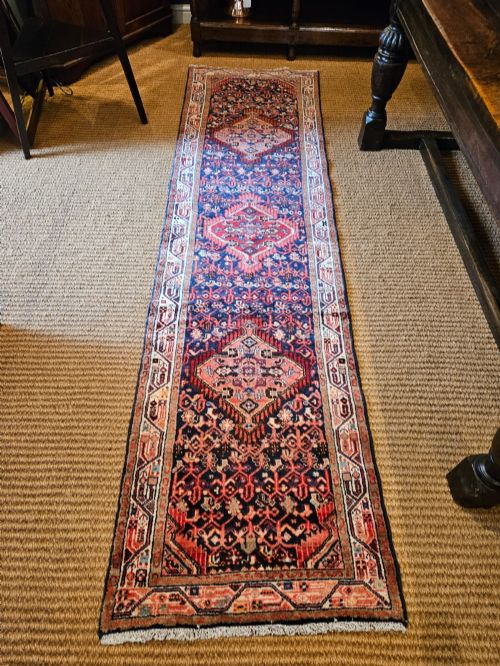
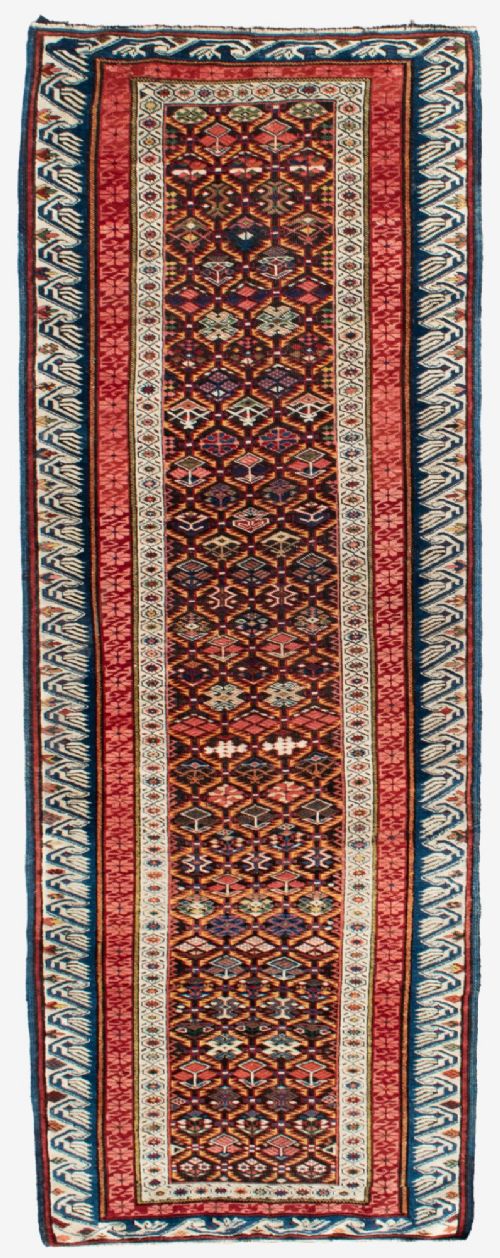
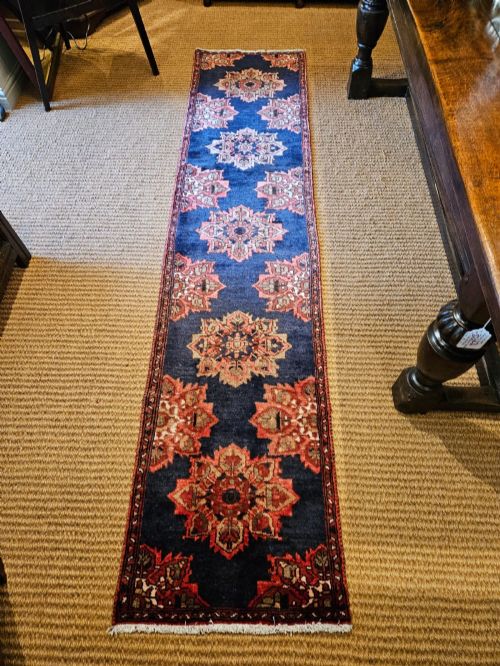
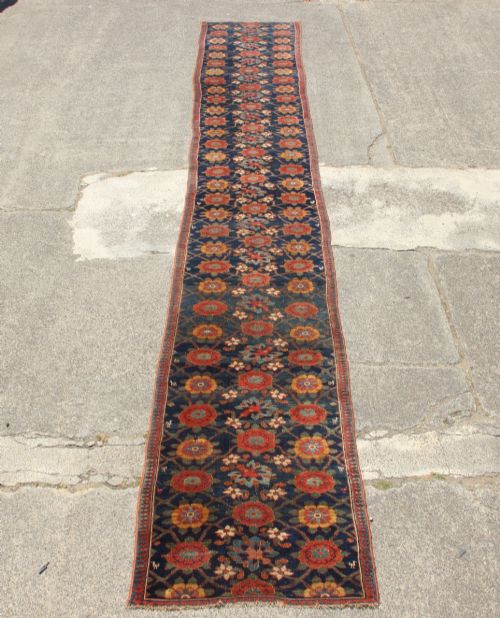
A long corridor carpet runner is designed to span narrow hallways, landings, and extended entryways. These pieces originate primarily from Persian, Anatolian, Caucasian, and Tibetan weaving traditions, spanning from the nineteenth century into the twentieth century. They arrive in various forms including tribal weaves, village pieces, and city workshop productions.
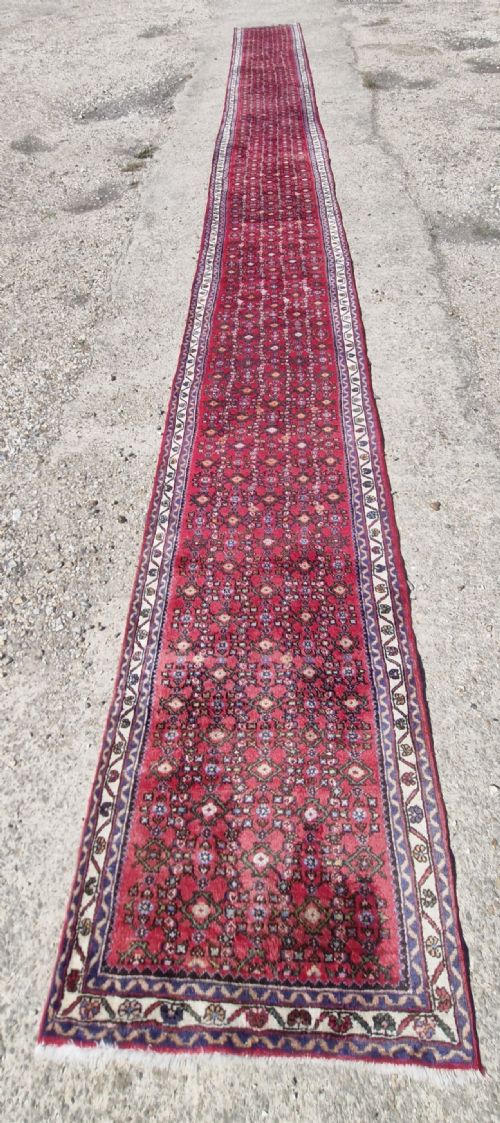
The selections encountered here range from compact narrow formats to substantial lengths exceeding five metres. Village and tribal pieces from regions such as Heriz, Hamadan, and Kurdistan appear frequently alongside Turkish Oushak, Konya, and Caucasian examples. Each piece serves the practical purpose of protecting wooden flooring while defining a circulation route.
How they were made
Makers utilised wool and hand-spun wool for the pile, knotted onto cotton or wool foundations. Natural dyes provide the palette, creating deep tones of navy blue, olive green, and earthy reds that mature gracefully over decades.
Weavers knotted these carpets by hand on vertical looms, employing traditional geometric, floral, and tribal motifs. The density of the knotting and the preparation of the fibres determine the structural resilience of each runner.
One extraordinary survivor measures an impressive thirty-two feet, ready for a stately hallway.
What varies in quality
Quality rests in the precision of the knotting, the handling of the wool, and the integrity of the foundation. Tighter construction and well-balanced proportions distinguish finer tribal and village works from standard production.
The clarity and depth of the natural dyes influence visual success, alongside the balance of the field design and borders. An even wear pattern and intact selvedges preserve the structural longevity of the runner.
The Long Corridor Carpet Runner Glossary
- Runner
- A long, narrow carpet format specifically woven for corridors, hallways, and stairs. These pieces balance length with a restricted width.
- Kelleh
- A large, room-size carpet or an elongated format traditionally positioned alongside a main carpet in Persian households. They share the narrower proportions of runners.
- Selvedge
- The bound or reinforced edge of a carpet that prevents the lateral unravelling of the foundation threads. Well-maintained selvedges secure the overall structure.
- Pile
- The upright yarn loops or knots that form the usable surface of the carpet. The height and density of this layer affect feel and durability.
Long Corridor Carpet Runner: Frequently Asked Questions
How do I choose the right length?
Measure your corridor carefully, leaving a consistent border of exposed flooring around the perimeter of the rug. Ensure doors can swing open freely over the pile height of the runner.
Account for potential shrinkage or irregularities typical in antique hand-knotted textiles when planning your layout.
Are these runners durable for heavy traffic?
Hand-spun wool and dense wool foundations provide natural resilience against daily footfall. Traditional village and tribal pieces were constructed to endure decades of domestic use.
Place a quality underlay beneath the runner to reduce friction and movement on hard floors.
How do I clean an antique runner?
Gentle surface brushing and careful professional vacuuming without a beater bar remove embedded grit from the wool pile. Avoid harsh chemical cleaners that can damage natural dye compounds.
Consult a specialist in antique textiles for deep washing and conservation repairs.
How can I tell regions apart?
Heriz and Hamadan pieces often display distinct geometric medallions and robust botanical motifs rooted in Persian village traditions. Caucasian and Anatolian examples favour sharper angles, stylized tribal symbols, and saturated primary palettes.
Comparing border structures and knotting styles clarifies the geographical origin of each piece.