

Long Bench Stool
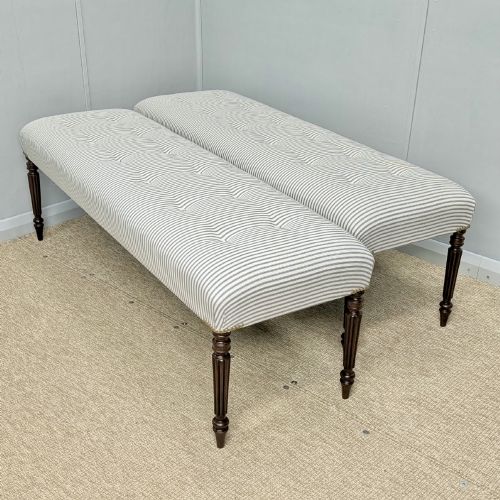
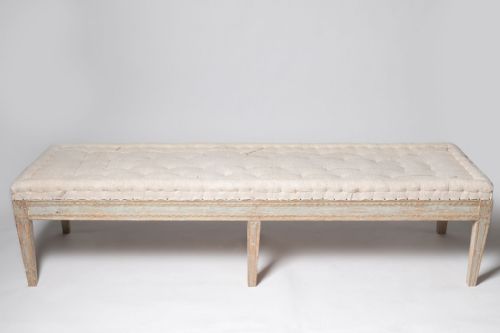
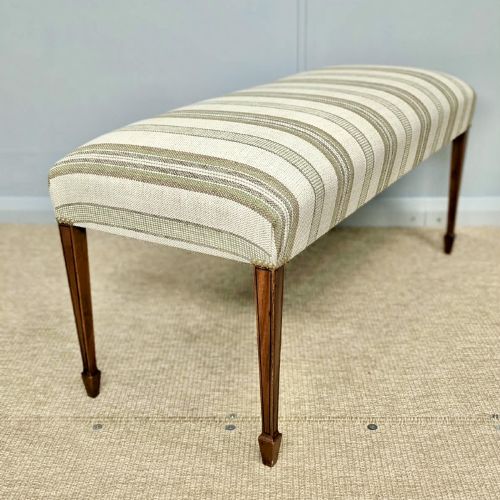
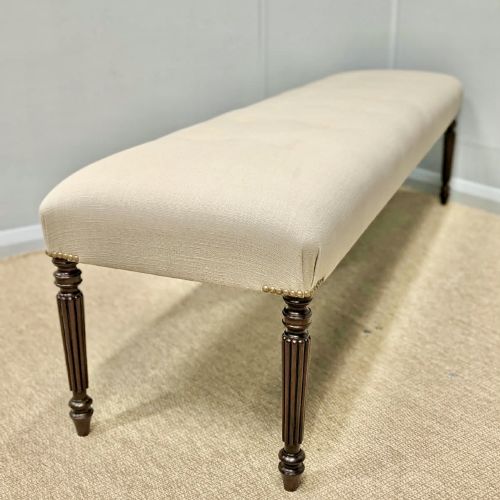
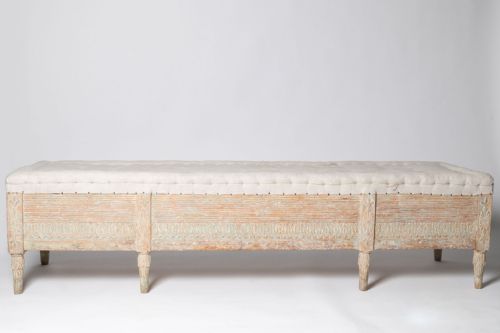
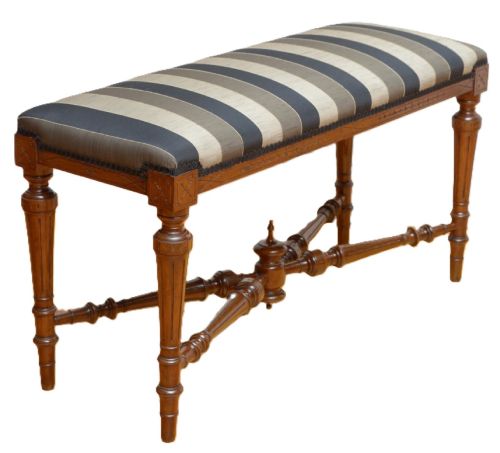
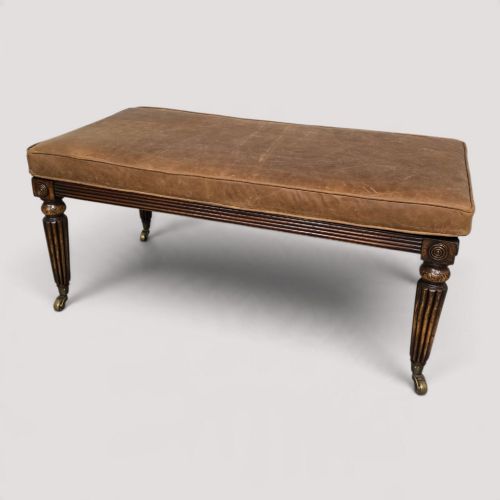
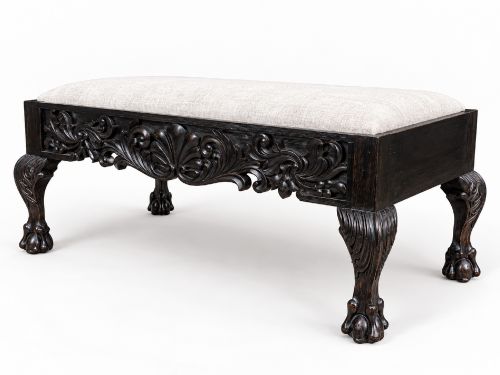
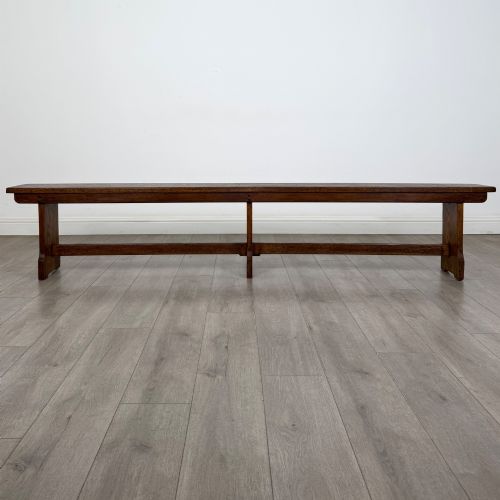
These long bench stool pieces span centuries of seating design, offering extended proportions that bridge the gap between footstool and window seat.
Long Bench Stool
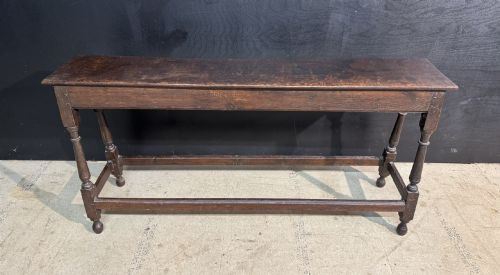
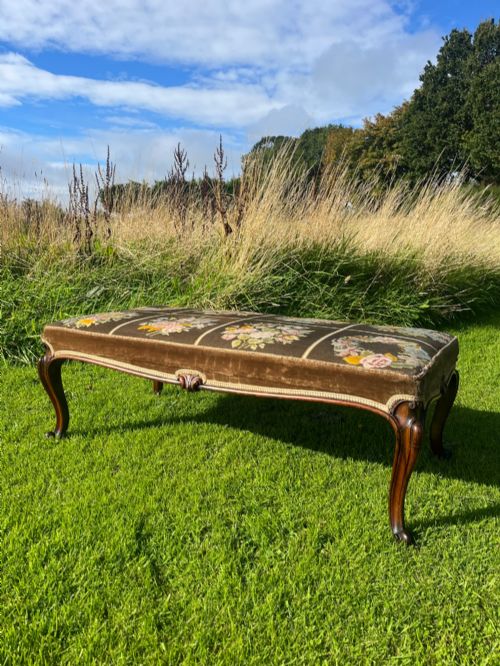
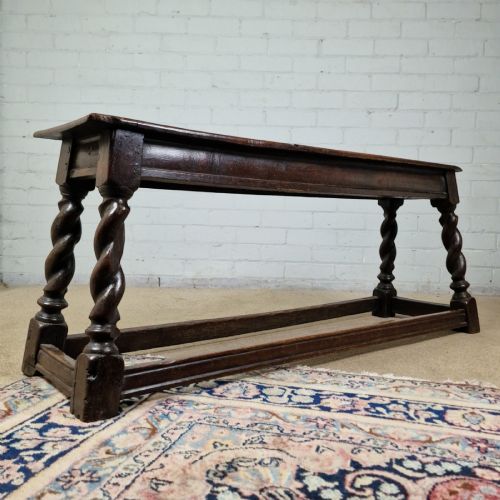
A long bench stool brings together the low profile of a footstool with the expanded length of a window seat or bench. The selections here range from compact Victorian walnut fender stools to substantial Georgian mahogany duet seats and eighteenth-century oak joint stools.
Origin points span English workshops, French provincial houses, Italian ateliers, and Scandinavian studios. Common forms include piano duet stools with hinged lids, low fireside rests, and slender hallway benches designed to sit beneath windows.
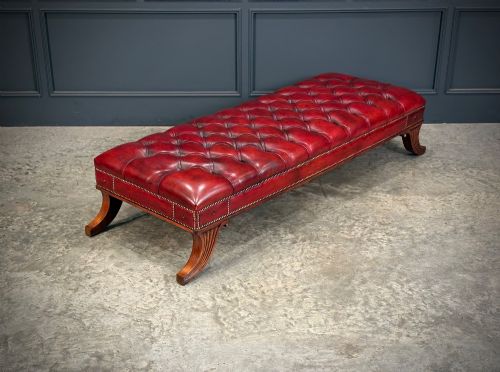
Victorian examples in walnut or ebonised wood appear frequently alongside George III mahogany iterations. Buyers encounter everything from cane-seated garden forms to deeply buttoned leather ottomans built for drawing rooms.
Materials and Construction
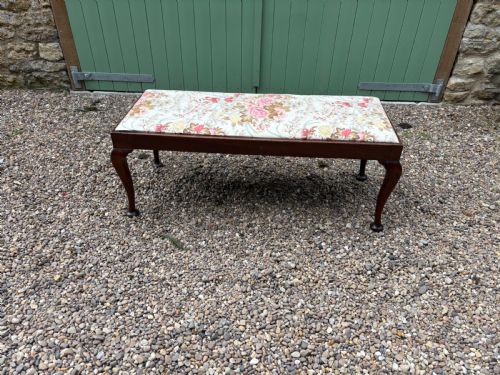
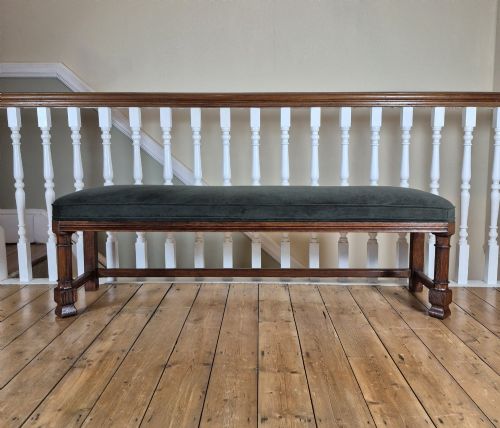
Timbers dictate the character of these frames, relying primarily on dense hardwoods such as mahogany, walnut, and oak, supplemented by occasional rosewood and birch. Joinery varies from traditional pegged oak joints to finely turned legs and carved cabriole supports.
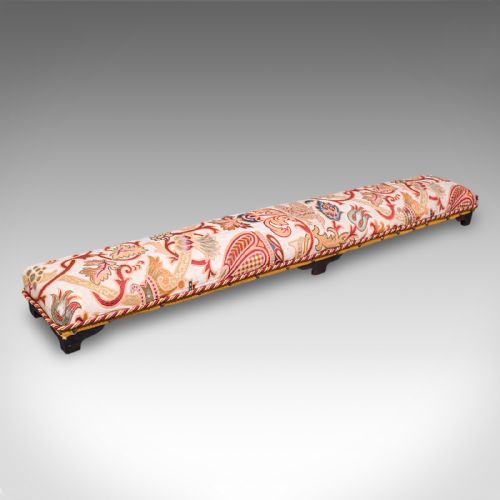
Upholstery methods define the upper sections, incorporating horsehair stuffing, brass studding, and buttoned leather alongside period textiles like crewelwork, kilim, and linen. Giltwood and painted finishes appear on continental window seats and Rococo revival pieces.
Long Bench Stool Retail Price Guide 2026
Typical asking prices for long bench stool among the pieces listed under this phrase on Sellingantiques today, from the lower quarter to the upper quarter. They describe what is for sale here now, not the wider market.
Several pieces double as secret music vaults, hiding decades of forgotten sheet music beneath their hinged upholstered lids.
Evaluating the Pieces
Construction integrity separates standard utility frames from master-carved seating. The crispness of carved details on cabriole legs, ball and claw feet, or serpentine rails indicates the hand of a skilled artisan rather than a factory output.
Material preservation matters greatly, particularly the retention of original timber patination and authentic upholstery webbing. Pieces retaining period leather, needlework, or cane work command higher regard than those stripped and rebuilt.
The Long Bench Stool Glossary
- Cabriole leg
- A furniture leg that curves outward at the knee and tapers inward toward the foot, inspired by animal limbs. This form appears frequently on eighteenth and nineteenth-century walnut and mahogany stools.
- Duet stool
- An extended seat originally designed for two people to sit side by side at a keyboard instrument. Many feature hinged lids revealing interior music storage.
- Fender stool
- A low, narrow seat placed in front of a fireplace fender to warm the feet. They utilise elongated proportions to span the hearth.
- Joint stool
- An early form of wooden seating constructed with mortise and tenon joints, pre-dating upholstered variants. Oak examples often display sturdy turned legs and stretcher bases.
- Window seat
- A bench sized specifically to fit within a window recess. These typically feature upholstered tops and decorative carved ends.
Long Bench Stool: Frequently Asked Questions
What is a long bench stool used for?
These versatile pieces serve multiple functions across the home, acting as low coffee tables, window seats, and end-of-bed benches. Their extended proportions provide generous seating or footrest space without blocking sightlines.
Historically, specific variants supported musicians at pianos or warmed feet beside hearths. Today, homeowners utilise them in hallways and living rooms to combine surface utility with seating.
How do I distinguish a Georgian stool from a Victorian one?
Georgian pieces, particularly those from the George III era, favour straight mahogany or walnut framing with restrained carving and elegant proportions. They often utilise needlework or leather upholstery.
Victorian variants lean toward heavier walnut or ebonised frames, frequently featuring cabriole legs, buttoned leather, or elaborate carved motifs influenced by Gothic and Rococo revivals.
Can I use a piano duet stool in a living room?
Piano duet stools integrate smoothly into modern living spaces due to their generous length and practical hinged seats. The internal compartment offers hidden storage for blankets or magazines.
Their sturdy timber construction and upholstered tops make them ideal as occasional seating or impromptu coffee tables when paired with a heavy tray.
Are these benches suitable for daily seating?
Most antique long stools are structurally robust enough for regular sitting, provided the frame joints and internal webbing remain sound. Solid oak, mahogany, and walnut frames withstand daily use.
Checking the upholstery foundation ensures comfortable support, while careful placement protects delicate antique wood finishes and period textiles from heavy wear.