




London Strike Silent Clock
A london strike silent clock is a precision horological piece that brings mechanised elegance to any room.
London Strike Silent Clock
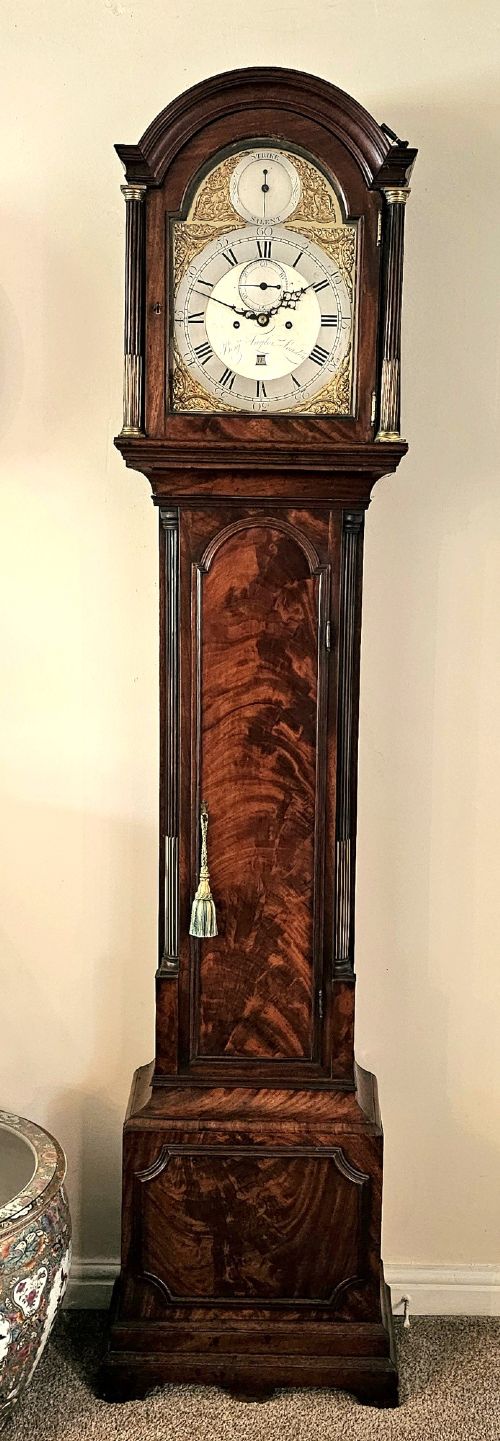
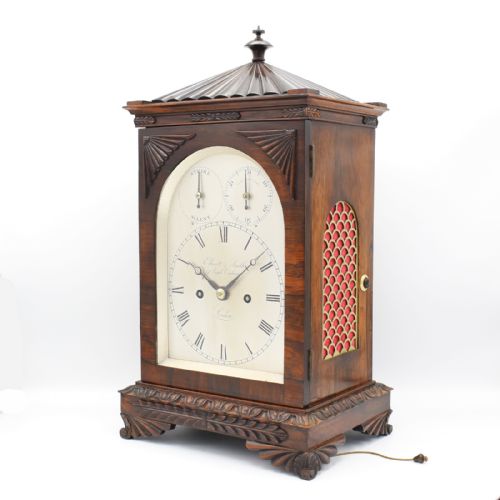
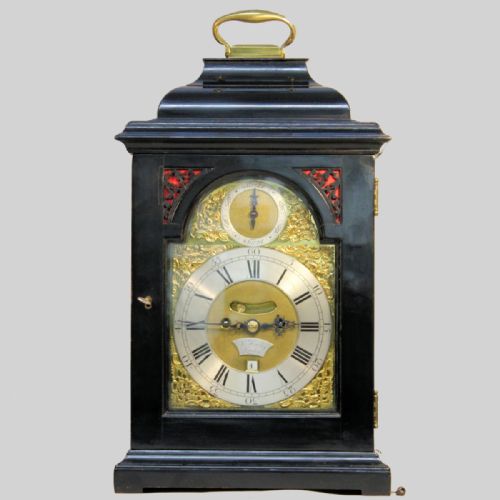
A london strike silent clock encompasses both tall case designs and compact mantel pieces produced across the eighteenth and nineteenth centuries. These instruments combine timekeeping with complex striking mechanisms often housed in architectural wooden housings.
The versions most frequently met on this page belong to the Georgian, Regency and Victorian periods. Longcase and bracket formats predominate, constructed in mahogany, flame mahogany, ebonised wood or rosewood.
Originating from workshops across the capital, these pieces reflect distinct stylistic shifts from George II and George III designs to later Regency and Victorian tastes. Each example displays the specific mechanical layout favoured by its maker.
How they were made
Cabinetmakers constructed the housings using solid and veneered timbers including mahogany, ebonised wood and rosewood. These cases frequently feature glass panels and brass fittings to protect the delicate movements within.
Horologists utilised brass, steel and silvered brass for the intricate gear trains, dials and escapements. Fusee and verge mechanisms were hand-fitted to ensure reliable timekeeping and striking functions.
Listings feature clocks spanning the 18th century, 19th century, Regency, Victorian, 1800 and Georgian periods, housed in mahogany, ebonised wood and rosewood.
What varies in quality
The refinement of the cabinetwork separates the standard production from the exceptional commission. Finely figured flame mahogany veneer and crisp brass mountings indicate superior craftsmanship in the housing.
The complexity and execution of the internal movement dictate the horological merit. Pieces featuring verge escapements or twin fusee configurations demonstrate greater mechanical ambition from the maker.
Benjamin Taylor·Ellicott and Smith·Henry Weedon·Des Granges·Louis Recordon·Payne and Co·Somersall·Frodsham and Baker·John Taylor·Chater and Son·Watson·Isaac Hurley·James Maitland·L. Donne·John Rapton
The London Strike Silent Clock Glossary
- Bracket clock
- A portable clock designed to sit on a bracket or table, typically featuring a brass carrying handle.
- Fusee
- A conical pulley used with a cord or chain to maintain equal power as the mainspring unwinds.
- Verge escapement
- An early type of escapement mechanism that controls the release of the gear train using a crown wheel.
- Longcase clock
- A tall pendulum clock enclosed in a wooden case that rests upon the floor.
- Silvered brass
- A brass dial surface treated with a silver compound to improve legibility and appearance.
London Strike Silent Clock: Frequently Asked Questions
How do I wind a bracket clock?
Winding requires inserting the appropriate key into the winding holes on the dial face and turning it gently until resistance is felt. Care must be taken not to overwind the mainspring.
Different movements require different intervals between windings, depending on whether the train is set for eight days or a shorter duration.
Where should I place a longcase clock?
Position the piece against a sturdy interior wall away from direct sunlight, draughts and rapid temperature changes. A stable floor surface ensures the pendulum swings evenly.
Allow sufficient clearance around the case for the door to open fully when accessing the weights and pendulum.
What is a strike silent mechanism?
This function allows the owner to silence the hourly chime using a small lever or dial setting on the face. It prevents the clock from sounding during the night.
The underlying timekeeping continues unaffected while the striking train is disengaged.
How do I identify a Georgian clock?
Examine the timber, dial construction and overall proportions for characteristics typical of the eighteenth century. Mahogany cases and brass dial spandrels are common indicators.
Signatures inscribed upon the dial or backplate often provide the maker's name and confirm the period of origin.