




London Silver Cup
These london silver cup examples range from George III tankards to Art Deco trophies, offering tangible weight and history for daily use or display.
London Silver Cup
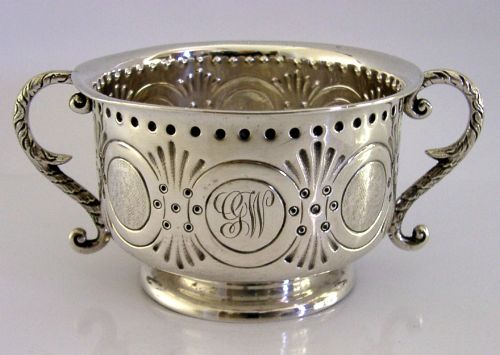
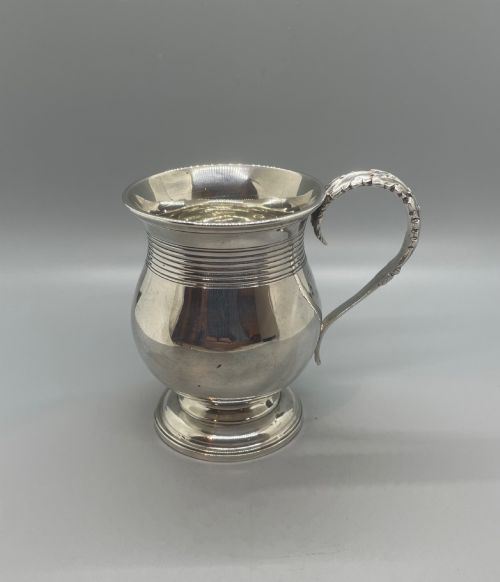
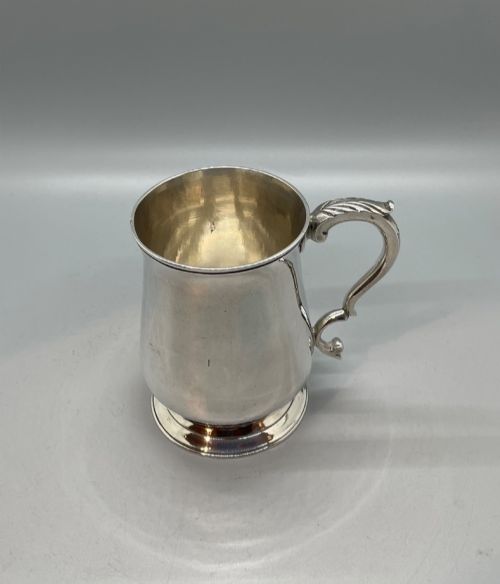
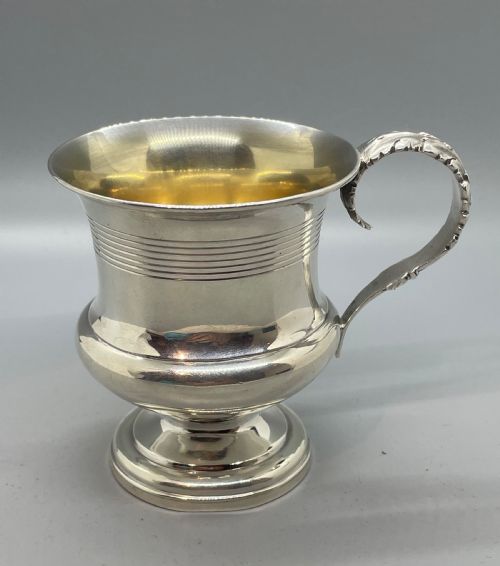
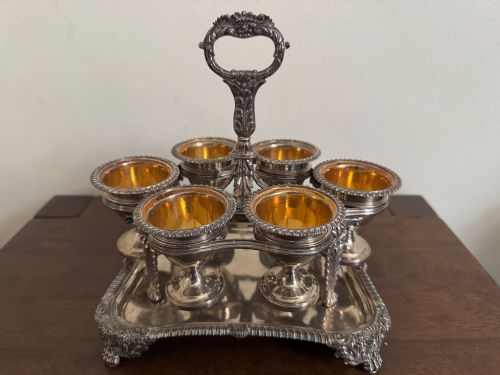
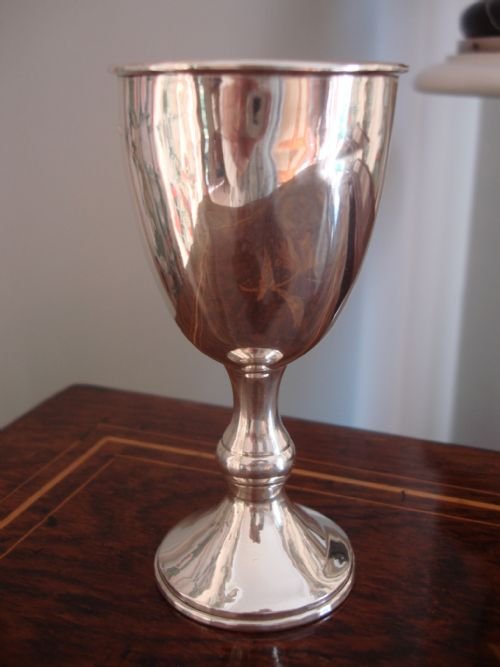
A london silver cup encompasses a varied group of hollowware, including christening mugs, tankards, chalices, goblets, egg cruet sets, and hip flasks produced across several centuries. Buyers seeking these objects encounter forms from the 17th century through to the mid 20th century, bearing hallmarks tied to the capital.
The selection on this page leans heavily towards 19th-century and Georgian pieces, featuring makers such as William Burwash, William Bateman, William Eaton, and D&J Wellby. Forms range from utilitarian spirit flasks lined with leather or velvet to ceremonial trophies and christening mugs.
Functional pieces like hip flasks and egg cruets sit alongside decorative chalices and wager cups, reflecting the broad utility of silver work originating from London workshops. Each item carries the distinct structural design of its respective era, from George III restraint to Art Deco geometry.
How they were made
Silversmiths constructed these pieces primarily from sterling silver, occasionally applying gold gilt or silver-gilt finishes to the interior surfaces of goblets and chalices. Glass bodies appear in combination with silver mounts, particularly in spirit flasks, while fitted cases incorporate materials such as leather, velvet, and silk.
Techniques visible across the inventory include hammered finishes on flasks, detailed engraving on christening mugs, and cast components for handles and bases on tankards and chalices. Metal manipulation required precise raising and joining methods to achieve the solid weight noted in 18th-century tankards and later Victorian wares.
London Silver Cup Retail Price Guide 2026
Typical asking prices for london silver cup among the pieces listed under this phrase on Sellingantiques today, from the lower quarter to the upper quarter. They describe what is for sale here now, not the wider market.
Wager cups challenge drinkers to flip the swinging cup upright and drain both bowls without spilling a drop.
What varies in quality
Quality in a london silver cup rests on the clarity of the London hallmarks, the crispness of any hand engraving, and the structural integrity of applied handles and feet. Pieces retaining their original gilding or fitted cases demonstrate superior preservation compared to those showing heavy wear.
The reputation of the maker, such as Tiffany & Co, Asprey, or specialised silversmiths like William Burwash, elevates the standing of an object. Heavier gauge silver and uncompromised proportions distinguish exceptional items from standard production pieces of the same period.
William Burwash·William Bateman·William Eaton·D&J Wellby·Asprey London·Tiffany and Co·W A Ellwick Ltd
The London Silver Cup Glossary
- Sterling silver
- An alloy of silver containing 92.5% mass of silver and 7.5% mass of other metals, usually copper, providing durability for hollowware. This standard forms the baseline for the majority of London-hallmarked items.
- Hallmark
- A official stamp applied by an assay office to indicate the purity of a precious metal, the place of manufacture, and the date letter. London pieces carry the leopard's head symbol alongside maker's marks.
- Tankard
- A tall, cylindrical drinking vessel with a single handle, frequently featuring a lid in early examples but appearing primarily as open mugs in 18th and 19th-century christening contexts. They offer a stable base and substantial silver weight.
- Gilt
- A thin layer of gold applied to the silver surface, often seen on the interior of goblets and chalices to prevent acidic beverages from reacting with the underlying metal.
London Silver Cup: Frequently Asked Questions
What is a christening mug used for?
A christening mug served traditionally as a gift to mark a child's naming ceremony, intended for actual use as the child grew. Many examples from the Georgian and Victorian periods bear personalized engravings recording dates and names.
Over time these mugs transitioned from functional tableware into cherished family keepsakes, displayed on shelves rather than utilised at the dining table.
How do I date a London silver cup?
Dating relies upon the sequence of hallmarks stamped into the metal by the London Assay Office, which includes a specific date letter corresponding to the year of testing. Additional marks indicate the reigning monarch's profile during certain periods.
Stylistic cues such as the neoclassical lines of George III pieces or the geometric facets of Art Deco designs further narrow the production window when hallmarks are partially rubbed.
What is the difference between a chalice and a goblet?
A chalice traditionally carries ecclesiastical associations, featuring a deep bowl atop a stem and a wide foot designed for sacramental wine. They often display heavier construction and interior gilding.
A goblet serves a secular drinking function, though the terms frequently overlap in antique descriptions depending on the specific profile and era of the vessel.
How should I clean antique silver?
Antique silver requires minimal intervention using specialised non-abrasive silver cloths or gentle liquid polishes designed specifically for precious metals. Harsh dips strip away desirable patination and can damage embedded details in engraved decoration.
Storing pieces away from direct sunlight and high humidity helps maintain the surface finish without requiring frequent polishing.