




London Hallmarked Silver Box
A London hallmarked silver box represents tangible craft, carrying verifiable marks that ground its history in British assay practice.
London Hallmarked Silver Box
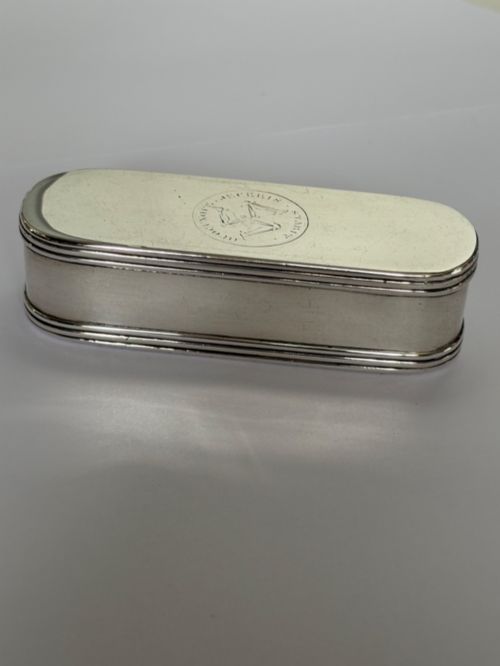
A london hallmarked silver box encompasses a diverse array of forms designed for personal or domestic utility. The pieces appearing in this category span tea caddies, snuff boxes, jewellery cases, and desk accessories spanning multiple centuries.
Victorian and Edwardian iterations dominate the selection, alongside Georgian and later twentieth-century pieces. Buyers encounter everything from small pill containers to substantial dressing cases, all bearing the validation of the London assay office.
Materials and construction
Sterling silver forms the primary structural body of these items, frequently paired with interior linings of silk, velvet, or leather. Artisans employed casting, hammering, and engraving techniques to shape the metal into functional containers.
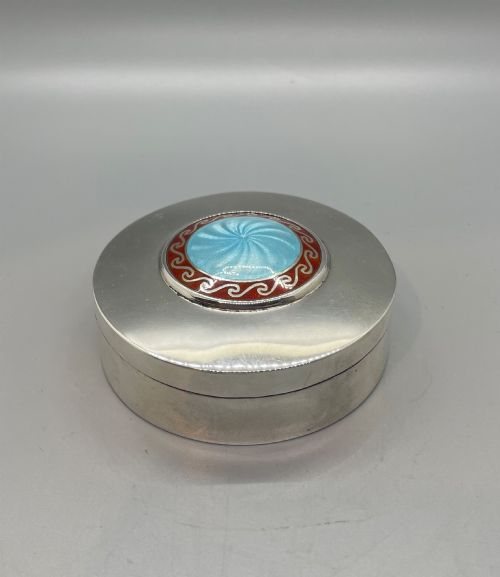
Additional elements such as vitreous enamel, glass, gold vermeil, and silver gilt appear across various periods to enhance decorative appeal. Structural integrity relies on solid metal fabrication, hinges, and tight-fitting lids.
Observed periods span from the Georgian era through Victorian, Edwardian, and mid-twentieth-century decades.
Distinctions in quality
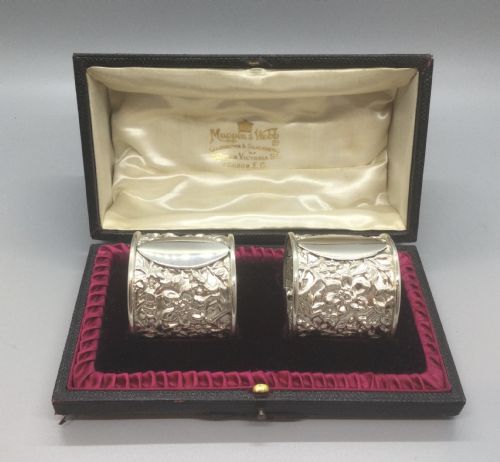
Quality separates along the lines of weight, depth of ornamentation, and the precision of mechanical components like hinges and clasps. Cast borders and intricate hand-engraved floral designs distinguish superior examples from plain utility pieces.
The clarity and completeness of the London hallmarks heavily influence standing, alongside the presence of specialised maker marks. Internal gilding and intact original linings further elevate the physical integrity of a piece.
Cornelius Bland·P A W Bateman·Edward Edwards·Robert Pringle And Sons·William Comyns And Sons Ltd·Thomas Edwards·Phipps And Robinson·Henry Dumenil·George Wilkinson And Edward Hollins·Thos Johnson I·Mappin And Webb
The London Hallmarked Silver Box Glossary
- Hallmark
- Official stamps applied to precious metals indicating purity, origin, and assay year. These marks provide definitive historical data for collectors.
- Sterling silver
- An alloy consisting of pure silver and other metals, standardised for durability. This material constitutes the bulk of the items catalogued here.
- Silver gilt
- Sterling silver coated with a thin layer of gold on the surface. This technique often protects and decorates the interior cavities of boxes.
- Vitreous enamel
- Glass fused to a metal substrate through firing at high temperatures. This material supplies vibrant colour to the surfaces of Edwardian and Victorian pieces.
- Guilloche
- An intricate decorative technique where a precise pattern is mechanically engraved into the underlying metal. Enamel applied over this work creates shimmering optical effects.
London Hallmarked Silver Box: Frequently Asked Questions
How do I date a silver box?
Dating relies upon the stamped date letter within the official assay marks. Comparing this specific punch against historical London assay tables reveals the exact year of testing.
Style, construction methods, and maker marks also offer contextual clues to narrow down the manufacturing period.
How were these boxes used?
Owners utilised them to store valuable commodities such as loose leaf tea, tobacco, snuff, stamps, and personal trinkets. Many served as dressing table accessories for holding jewellery or cosmetics.
Their portable nature meant they travelled with owners or sat prominently upon desks and sideboards.
How do I care for antique silver?
Maintenance requires gentle cleaning with appropriate silver polish to remove tarnish without wearing down fine engraving or hallmarks. Storing items in dry environments prevents chemical reactions with the air.
Avoiding abrasive cloths preserves the original patination built up over decades of handling.