



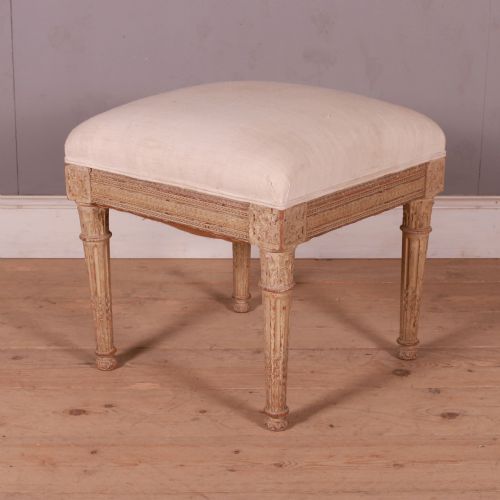
Linen Ottoman
A linen ottoman brings tactile texture and functional seating to a room, uniting utilitarian storage trunks with soft upholstered footstools.
Linen Ottoman
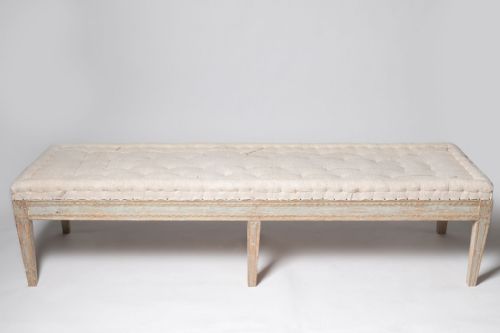
A linen ottoman encompasses versatile seating and storage forms including footstools, benches, and trunks upholstered or paired with textile elements. These pieces emerge from periods spanning the seventeenth century through to the early twentieth century, reflecting diverse regional origins.
How they were made
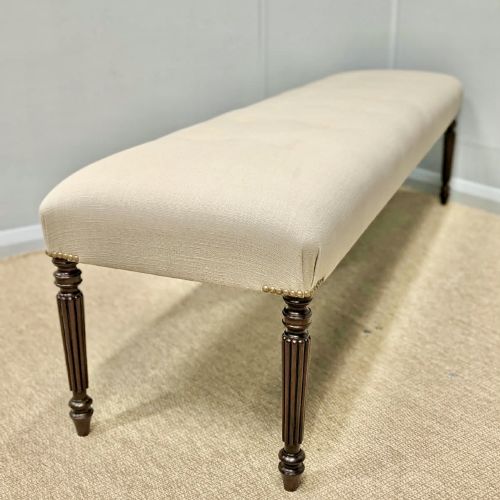
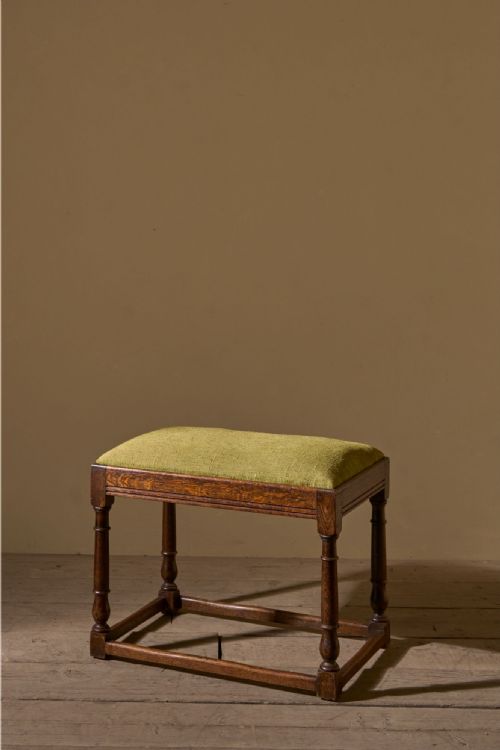
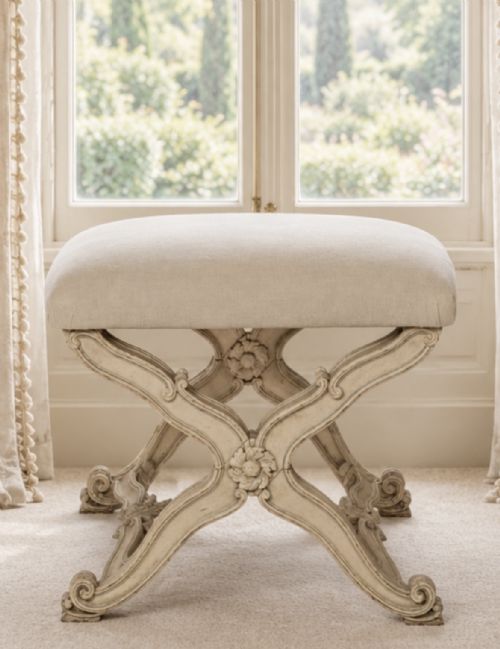
Construction relies on solid timbers such as oak, pine, walnut, and painted wood, often shaped through hand carving or traditional joinery. Frames feature decorative treatments including gilding and fluted legs.
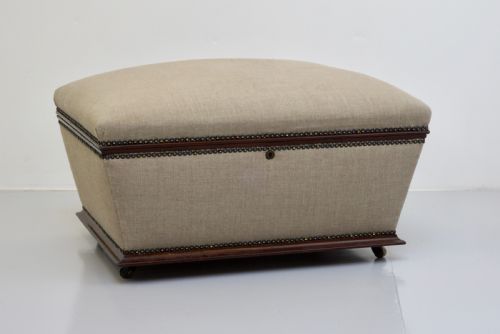
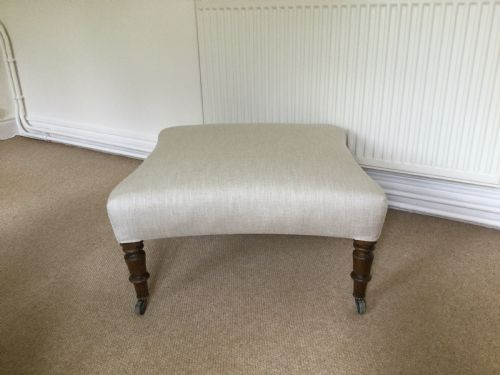
Upholstery and textile decoration utilise natural materials like linen, silk, and mounted embroidery fragments. Fabrics are secured to footstools, benches, and box ottomans to provide soft surface textures.
Linen Ottoman Retail Price Guide 2026
Typical asking prices for linen ottoman among the pieces listed under this phrase on Sellingantiques today, from the lower quarter to the upper quarter. They describe what is for sale here now, not the wider market.
Listings span periods from the seventeen-hundreds to the nineteen-thirties, incorporating materials such as oak, walnut, pine, linen, silk, and brass.
What varies in quality
The refinement of the wooden framework separates standard utilitarian items from finer decorative seating, distinguishing hand-carved and gilded French surfaces from simpler pine trunks. Detail in the woodwork, from fluted legs to elaborate carving, defines the distinction.
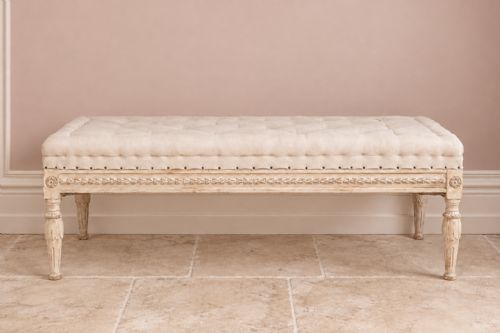
The character and preservation of the textiles also dictate standard, ranging from robust green linen and beige upholstery to historic Greek Island embroideries and textile fragments. Original painted finishes on Swedish and French frames further influence the visual depth of the piece.
The Linen Ottoman Glossary
- Gustavian
- A Swedish neoclassical style originating in the late eighteenth century characterised by light painted finishes and restrained classical ornamentation. It often appears on pale wooden stools.
- Ottoman
- A low upholstered seat or footstool without a back or arms, frequently incorporating internal storage space. The form bridges seating and trunk furniture.
- Stripped pine
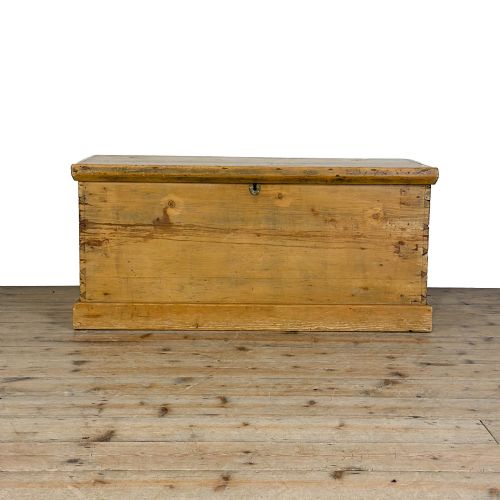
- Wood from which dark or modern finishes have been removed to expose the pale grain beneath. This treatment is common on nineteenth-century trunks.
- Jacobean Revival
- A nineteenth-century historicist style reviving seventeenth-century British design characteristics. It employs heavy oak construction and traditional joinery.
- Embroidery
- Decorative needlework stitched onto a fabric ground by hand. Historic examples from regions like Skyros and Epirus are sometimes mounted as textile art.
Linen Ottoman: Frequently Asked Questions
What is the difference between a footstool and an ottoman?
A footstool is typically a compact, low stand designed solely for resting feet, whereas an ottoman often incorporates internal storage beneath a hinged or lift-off upholstered top.
Historical examples on this page show significant overlap in form, with nineteenth-century benches and upholstered stools serving both functions in domestic settings.
How do I identify a Gustavian stool?
Gustavian pieces originate from Sweden and are defined by pale painted wood finishes, such as cream or grey, paired with understated neoclassical carved details.
They generally present clean, geometric lines rather than heavy ornamentation, distinguishing them from French or English country house furniture.
Where should I place a linen ottoman in my home?
These pieces function well at the foot of a bed, beside a fireplace, or beneath a hallway console, providing both a seat and a surface for resting objects.
Trunk forms additionally offer concealed storage for blankets and textiles, making them suitable for living rooms and bedrooms alike.
How do I care for antique upholstered furniture?
Protect antique linen and silk upholstery from direct sunlight to prevent the natural fibres from fading and weakening over time.
Vacuum wooden frames and fabric surfaces gently with a soft brush attachment to remove dust without disturbing historic stitching or painted finishes.