



Linen Embroidered Wall Art
These linen embroidered wall art pieces are historic needlework panels and samplers that bring centuries of intricate domestic stitchwork directly into modern rooms.
Linen Embroidered Wall Art
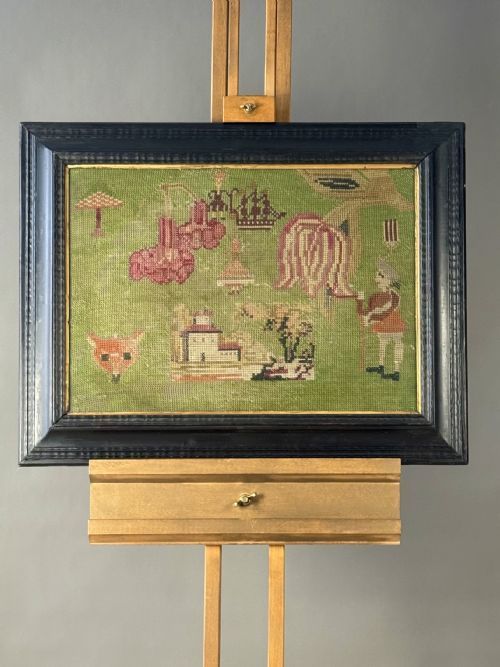
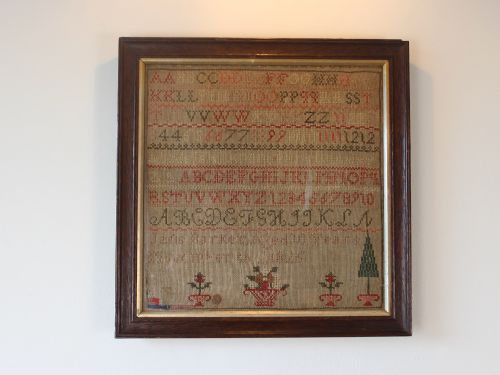
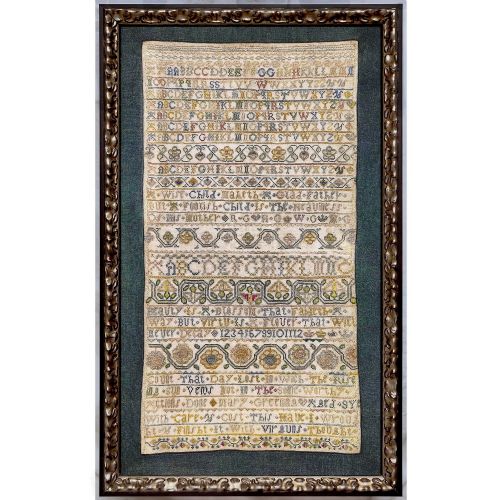
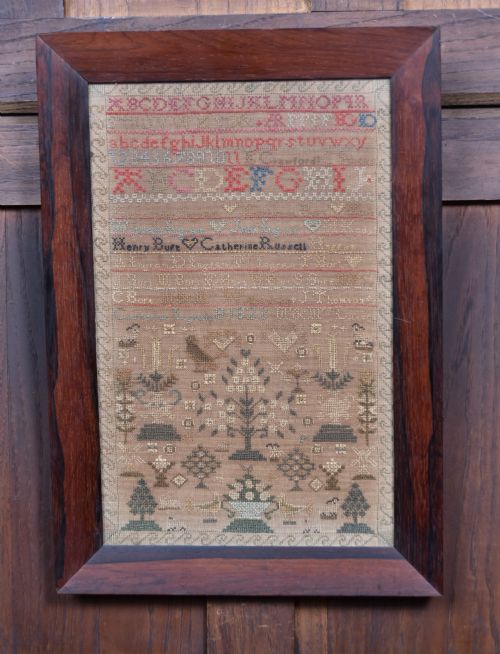
When you search for linen embroidered wall art, you encounter centuries of textile craft, most commonly represented here by framed samplers and regional Greek island embroideries. The selection spans the seventeenth, eighteenth, and nineteenth centuries, taking forms such as band samplers, alphabet exercises, cartographic map panels, and pictorial needlework pictures. English works from the Georgian and Victorian eras sit alongside Greek island pieces from Skyros and Epirus, showing how different cultures expressed needlework traditions on linen grounds.
The domestic origin of these works shapes what survives today, with young makers stitching alphabets, school registers, and family trees that often record names, ages, and dates. Pieces by makers such as Mary Greening, Elizabeth Horn, and Ann Hodson preserve personal histories alongside formal design patterns. Schoolgirl samplers from institutions like Oswestry National School represent a distinct strand of educational output, while regional panels show traditional Mediterranean motifs.
Assessing quality
Quality rests in the precision of the stitching, the complexity of the design, and the legibility of any alphabets, figures, or maps included in the composition. Pieces that incorporate detailed pictorial elements or well-executed cartography demonstrate higher technical skill from the maker.
Condition and legibility also drive distinction across the range, particularly how well the original silk threads retain their tone against the linen ground. The clarity of documentation - such as legible signatures, dates, and place names left by the maker - adds substantial historical weight.
Several young makers carefully stitched their exact ages and completion dates into the linen, leaving permanent records of childhood schoolroom patience.
Mary Greening·Elizabeth Horn·Ann Hodson·Margaret Ann Blackow·Mary Mason·Martha Hall·Mary Street·Rachel·Susan Mary Williams·Mary Pinfold
The Linen Embroidered Wall Art Glossary
- Band sampler
- A narrow format textile featuring horizontal bands of diverse decorative stitches used by makers to practice and display their repertoire.
- Needlework sampler
- A piece created to demonstrate skill in embroidery, frequently featuring alphabets, numbers, and motifs stitched by young learners.
- Cartographic sampler
- A specialised needlework panel depicting geographical maps, such as England and Wales, often produced in schools during the Georgian period.
- Gilt wood
- Wood treated with a thin layer of gold leaf or gilt paint, commonly found on traditional frames enclosing antique textile panels.
Linen Embroidered Wall Art: Frequently Asked Questions
How old are these embroidered panels?
The pieces span from the late seventeenth century through the Georgian and Victorian eras up to the early twentieth century.
Most carry specific dates stitched directly into the linen by the original makers, often accompanied by their age.
Were these made by children?
Many samplers were stitched by young girls as part of their education in domestic needlework, recording ages such as twelve or thirteen.
School registers and institutional names occasionally appear alongside the maker's signature to document where the work was taught.
How should I hang textile art?
Keep framed pieces away from direct sunlight to protect the fragile silk threads and linen grounds from fading over time.
Ensure the room maintains stable humidity levels to preserve the historical fabric within its glass and wood enclosure.
What is a map sampler?
Map samplers are educational needlework pieces that depict geographical regions, such as England and Wales, stitched with coloured threads onto linen.
These pieces combined geography lessons with advanced embroidery practice during the late eighteenth and early nineteenth centuries.