



Light Blue Dress Ring
A light blue dress ring is a striking statement jewel, combining cool-toned gemstones with precious metals for everyday elegance.
Light Blue Dress Ring
When you search for a light blue dress ring, you are looking at substantial cocktail jewellery designed to draw the eye with cool, transparent colour. The pieces available here span from the 1930s through to the 1960s, capturing the transition from geometric glamour to mid-century modernism.
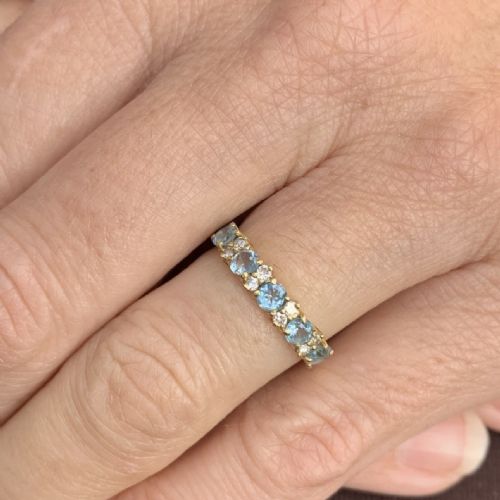
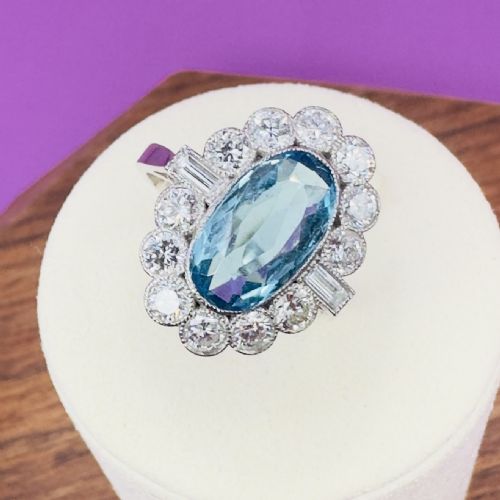
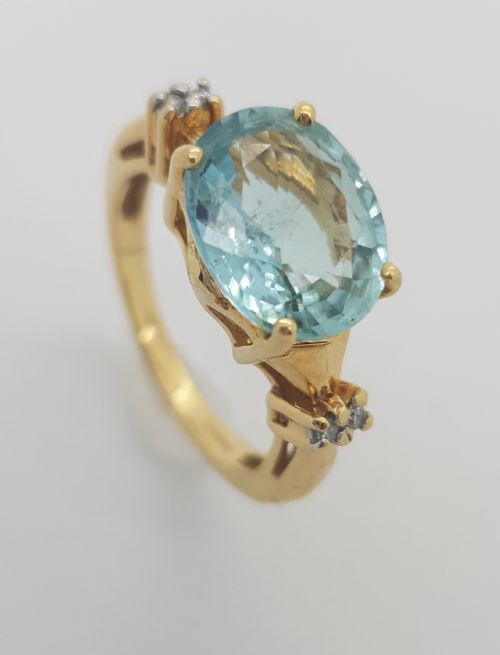
You will most commonly meet cluster rings featuring large central stones flanked by diamonds, alongside elegant solitaires and half-eternity bands. Platinum, 18ct gold, 14ct yellow gold, and white gold provide the supportive framework for these noticeable stones.
How they were made
The jewellers of these decades utilised durable precious metals to secure prominent gemstones safely in daily wear. Platinum and various purities of gold provide the structural integrity required for elongated oval cuts, large solitaires, and complex multi-stone clusters.
Master craftsmen combined brilliant-cut and old-cut diamonds with substantial central gems using precise claw settings and channel work. This integration of sparkling accent diamonds accentuates the pale transparency of the primary aquamarines, sapphires, and spinels.
Precious metals recorded on this page include platinum, white gold, 18ct gold, and 14ct yellow gold.
What varies in quality
The distinction between tiers of these rings lies primarily in the clarity, saturation, and carat weight of the central gemstone. Exceptional specimens display deep, even distribution of colour across massive carat sizes without compromising on internal brilliance.
Another measure of quality involves the refinement of the metalwork and the matching of secondary diamonds. Superior examples exhibit delicate yet secure platinum or gold prongs that complement the geometric lines of Art Deco and mid-century design.
The Light Blue Dress Ring Glossary
- Cluster ring
- A ring featuring a prominent central stone surrounded by a border of smaller gems, typically diamonds. This arrangement maximises visual impact and perceived size.
- Old-cut diamond
- A vintage diamond cutting style characterised by a smaller table, higher crown, and open culet. These stones display a softer, candlelit sparkle compared to modern brilliants.
- Elongated oval cut
- A modified oval gemstone shape that lengthens the finger when worn. It is frequently utilised in mid-century cocktail rings to showcase large aquamarines.
- Half eternity ring
- A band set with gemstones along one half of the hoop. This design offers the brilliance of a continuous line while maintaining comfort on the underside of the finger.
Light Blue Dress Ring: Frequently Asked Questions
What is a dress ring?
A dress ring is a substantial piece of jewellery worn primarily for fashion and visual impact rather than to symbolise betrothal. These items often feature large coloured gemstones and decorative metalwork designed for social occasions.
They sit apart from wedding and engagement bands, allowing the wearer to experiment with bolder mid-century and Art Deco styles.
How do I clean my aquamarine ring?
Clean your aquamarine jewellery using warm water, mild washing-up liquid, and a very soft-bristled brush to remove daily oils from beneath the setting. Avoid harsh chemical cleaners or ultrasonic machines which can damage older settings.
Pat the piece dry thoroughly with a lint-free cloth before storing it separately to prevent scratching other items.
Are these rings suitable for daily wear?
Most rings from the 1930s to the 1960s are robustly constructed in platinum or 18ct gold, making them durable enough for regular use. However, large gemstone rings should be removed during heavy manual tasks to protect the prongs.
Routine inspection by a jeweller ensures the claws remain tight around the central stone.
How do I date a vintage ring?
Dating relies on stylistic clues, such as the geometric symmetry of Art Deco pieces or the cleaner organic lines of mid-century modern design. Hallmarks stamped inside the band provide official assay marks and maker details.
Comparing the stone cuts, such as old-cut diamonds versus later brilliant cuts, further narrows the period of manufacture.