


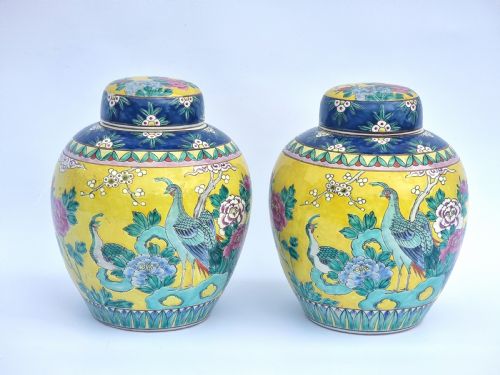


Lidded Porcelain Temple Urns
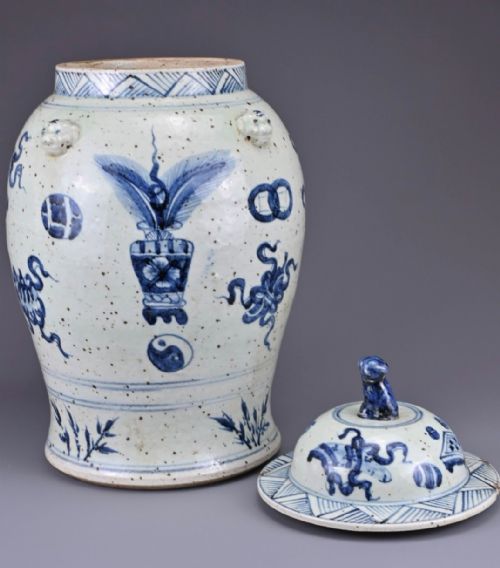
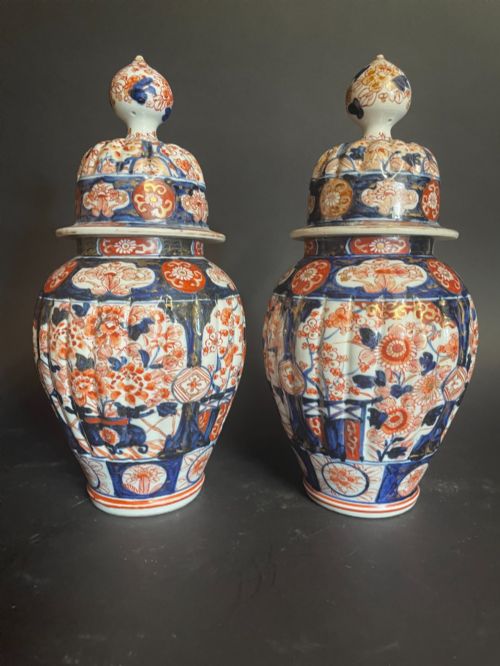
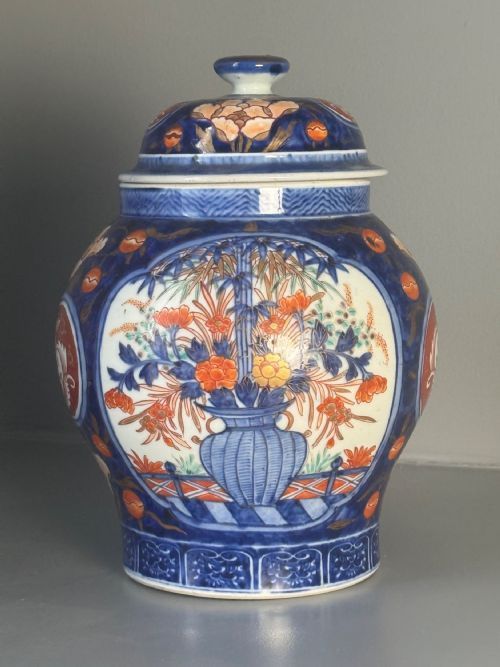
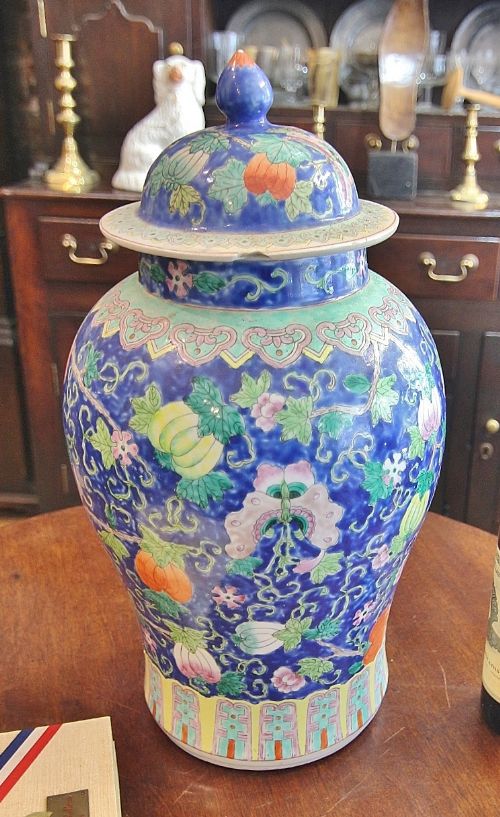
These lidded porcelain temple urns are substantial decorative vessels originating primarily from Japanese and Chinese traditions, offering striking historic presence and intricate hand-painted palettes to any interior.
Lidded Porcelain Temple Urns
Lidded porcelain temple urns encompass large decorative vases, ginger jars, and covered vessels created for display in both Asian and European interiors. When searching for lidded porcelain temple urns, buyers encounter diverse forms ranging from robust Chinese blue and white jars to elaborate Japanese Imari and Satsuma pieces.
The selections span centuries of production, drawing heavily on eighteenth-century designs while predominantly dating from the nineteenth and early twentieth centuries. These vessels often appear in matched pairs and single monumental scales, serving traditionally as focal points on tables or mantels.
How lidded porcelain temple urns were made
Potters shaped these vessels from fine porcelain and earthenware before applying cobalt pigment, enamel, and glaze by hand. Artisans then utilised gold leaf and gilding to accentuate specific decorative motifs across the surface.
Firing techniques allowed kilns to achieve deep cobalt blues and rich polychrome palettes characteristic of Arita, Imari, and Satsuma traditions. Lids were thrown and fired to match the contours of the corresponding jars, creating unified profiles.
Several pieces stand tall enough to double as modest floor companions rather than mere table ornaments.
What varies in quality
The crispness of the hand painting and the depth of the cobalt or enamel pigments define the upper tier of these vessels. Precise control over the glaze and the clean integration of the fitted lid separate masterworks from standard production pieces.
Subtlety in the application of gold leaf and the balance of the overall design composition indicate the skill of the original workshop. Heavier porcelain bodies with well-proportioned baluster or octagonal forms command greater attention from collectors.
The Lidded Porcelain Temple Urns Glossary
- Imari
- A traditional Japanese style of porcelain originating from Arita, recognisable by a distinctive palette of cobalt blue, iron red, and gilt highlights. These pieces frequently incorporate intricate floral and brocade patterns.
- Ginger jar
- A ceramic vessel characterised by a broad body, high shoulder, and a domed lid, originally utilised for storing spices. They form a core component of the lidded jar category.
- Satsuma
- A type of earthenware from Japan featuring a crackle-glaze finish and detailed polychrome enamel decorations often enriched with gold. Satsuma pieces frequently depict figurative and historical scenes.
- Baluster
- A vase shape with a rounded, bulbous lower portion that tapers upward to a narrow neck. This form provides structural stability and visual balance to large decorative urns.
- Blue and white
- A decorating technique involving cobalt pigment applied directly to the clay body under a transparent glaze before firing. This classic aesthetic is prominent across both Chinese and Japanese historic output.
Lidded Porcelain Temple Urns: Frequently Asked Questions
Where were these urns displayed?
These vessels were placed in reception rooms, halls, and temples to display wealth and artistic appreciation. Their scale allowed them to anchor large interior spaces.
Pairs were frequently arranged symmetrically on mantelpieces, side tables, or dedicated pedestals alongside other decorative arts.
How do I clean lidded urns?
Dust the surfaces gently with a soft, dry brush to remove accumulated particles without disturbing delicate enamel or gilt details. Avoid harsh chemical cleaners or abrasive cloths entirely.
If deeper cleaning is necessary, use a damp cloth with mild soap, ensuring no moisture lingers in unglazed base areas.
Can I use them for flowers?
Historic lidded porcelain vessels were designed primarily as ornamental display pieces rather than functional vases for water and stems. Introducing moisture can seep into historic earthenware or unglazed interiors and risk damage.
Keep the lids in place and display the jars dry to preserve the structural integrity of the ceramic body.
How do I date an urn?
Examine the base characteristics, glaze pooling, and the pigment style to infer the period of production. Comparison with documented Arita, Meiji, or Qing designs helps narrow the manufacturing window.
Stylistic markers such as Kangxi reign marks on later nineteenth-century pieces require careful evaluation against actual eighteenth-century examples.