






Library Reading Lamp
These library reading lamp pieces bring period illumination and heavy metal weight to a desk, table, or reading corner.
Library Reading Lamp
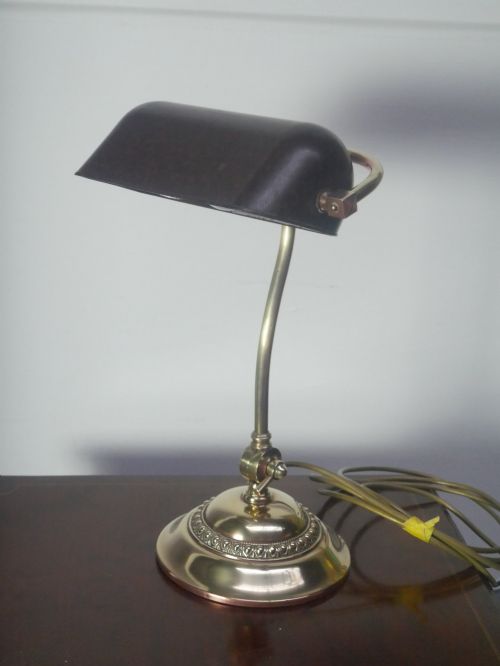
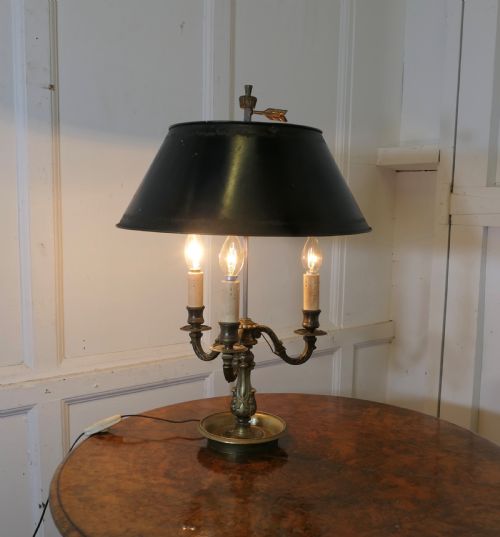
When you search for a library reading lamp, you find task lighting designed for desks, tables, and floors that spans from the nineteenth century into the twentieth. The forms on this page include bankers desk lamps, student lamps, bouillotte lamps, and standard floor lamps.
Most pieces meet you as adjustable brass or metal desk lamps, often paired with green toleware, opaline glass, or cranberry glass shades. These range from single-bulb swing-arm designs to multi-branch French bouillotte forms and heavy oak standard lamps.
How they were made
Makers shaped these lamps from brass, bronze, copper, and patinated metal, sometimes combining them with painted toleware or carved oak. Metal components were cast, spun, or forged to create heavy bases and adjustable swan necks.
Shades utilise blown glass in opaline or cranberry hues, or painted metal tureen forms that direct light downward onto a desk or book. Wiring and fittings reflect period electrical conversions or original burner mechanisms.
Library Reading Lamp Retail Price Guide 2026
Typical asking prices for library reading lamp among the pieces listed under this phrase on Sellingantiques today, from the lower quarter to the upper quarter. They describe what is for sale here now, not the wider market.
The listings show materials spanning brass, bronze, copper, toleware, and opaline glass across nineteenth and twentieth-century periods.
What varies in quality
Quality rests in the weight of the metal casting, the integrity of the adjustable joints, and the subtlety of the patina. A heavier brass or bronze base ensures stability, while finely turned adjustment keys and screw mechanisms show careful workshop execution.
The choice of shade material also defines the tier of the piece, moving from standard spun metal to hand-blown opaline or cased cranberry glass. Original matched pairs and signed maker components elevate the standing of an individual lamp.
Messenger·Faraday and Sons·Wild and Wessel
The Library Reading Lamp Glossary
- Toleware
- Painted or lacquered sheet metal, frequently coloured green and used for lamp shades. It provides a durable, non-reflective surface that directs light precisely where needed.
- Bouillotte lamp
- A traditional multi-branched desk lamp featuring a central adjustable shade. It draws its name from an eighteenth-century card game.
- Opaline glass
- An opaque or semi-translucent glass, often white, pink, or green, used to soften and diffuse bulb glare. It creates a steady, even pool of light on a reading surface.
- Student lamp
- A nineteenth-century task lamp featuring one or more burners or bulbs fed by an oil reservoir or weighted arm. They were built for sustained reading and intense focus.
Library Reading Lamp: Frequently Asked Questions
How do I date a brass reading lamp?
Dating relies on manufacturing techniques, switches, and material patination rather than dates stamped on the metal. Heavy sand-cast brass and turned components typically point to nineteenth-century workshop production.
Later Edwardian and 1920s examples introduce more standardised adjustment fittings, counterweights, and varied glass shade types like opaline or cranberry.
What is a bouillotte lamp used for?
A bouillotte lamp serves as a desk or table light with an adjustable shade that moves up and down a central rod. This allows the reader to control the height and intensity of the illumination.
They traditionally sat on card tables or writing desks to light the surface without blinding the user.
Are these lamps safe to use today?
Most antique lamps require inspection or rewiring by a qualified electrician to meet current safety standards. Many period pieces retain older fittings that need modern flex and plugs.
Original brass structures and weighted bases generally remain robust, meaning only the electrical components need updating for daily use.
How do I clean a patinated brass lamp?
Dust the metal gently with a dry cloth and avoid harsh chemical polishes that strip the aged surface. Preserving the dark oxidation maintains the historic character of the piece.
Glass shades can be removed and washed in warm soapy water to restore clarity and remove dust.