

Library Cabinets with Glass Doors
Library cabinets with glass doors protect and display bound volumes while keeping dust at bay across various historical periods.
Library Cabinets with Glass Doors
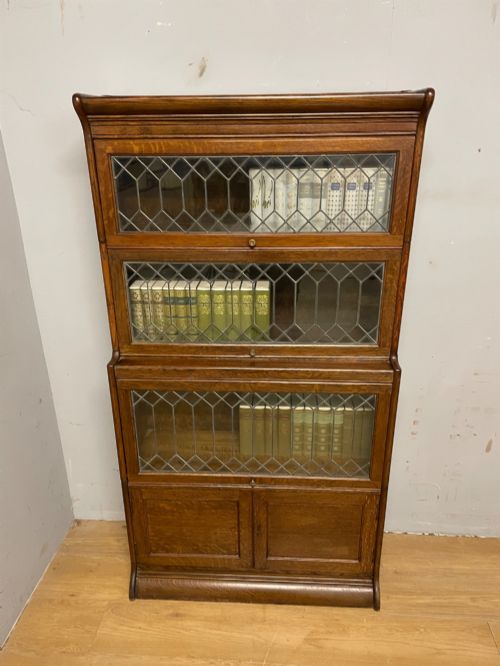
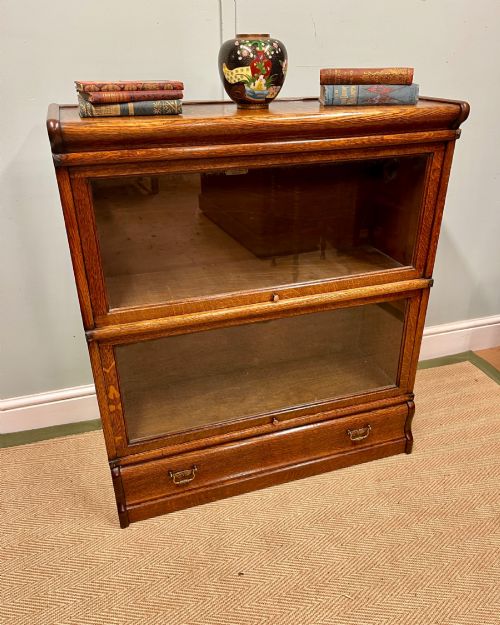
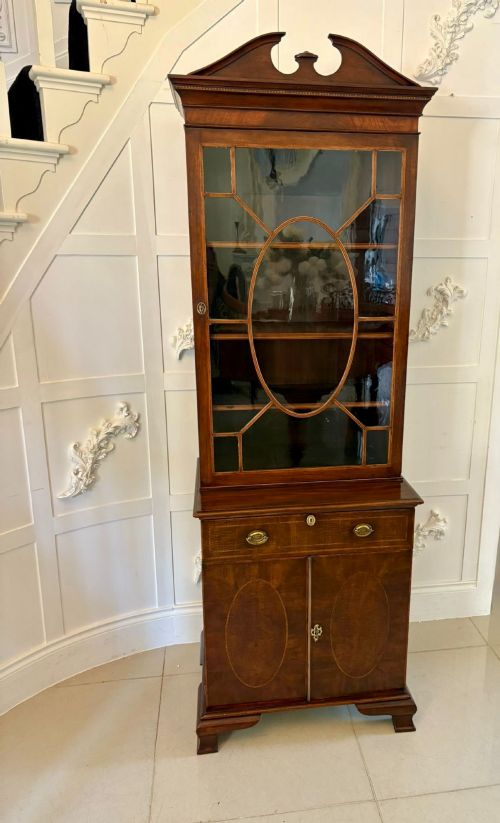
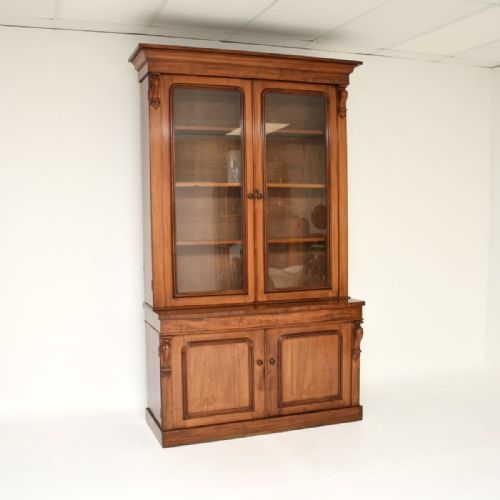
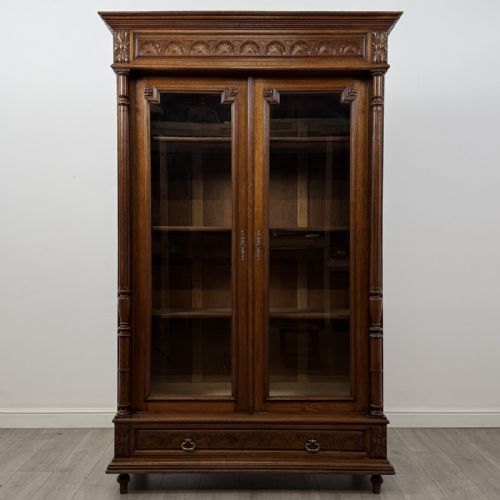
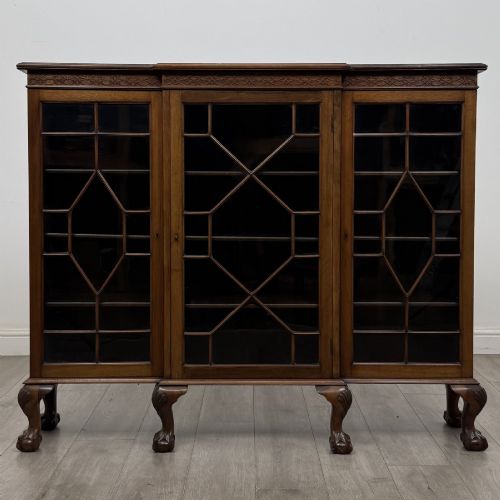
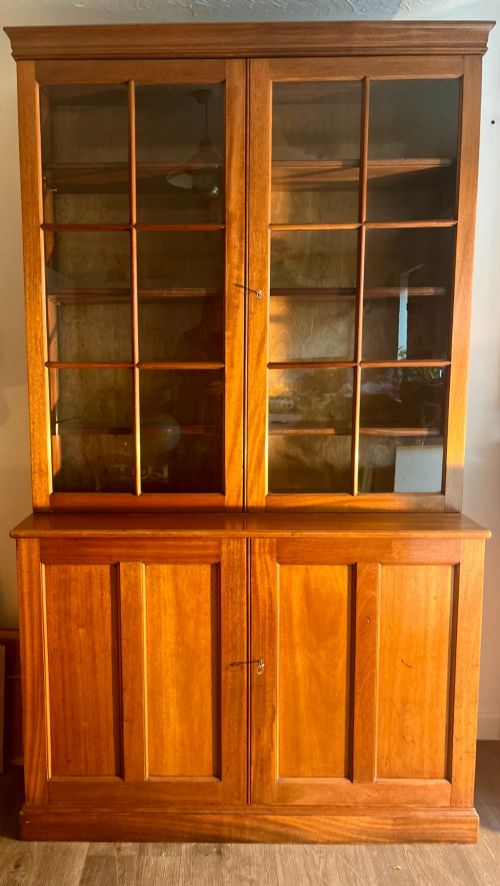
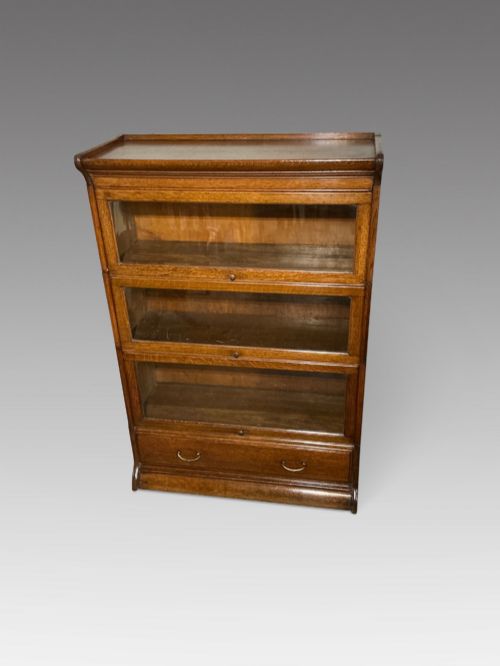
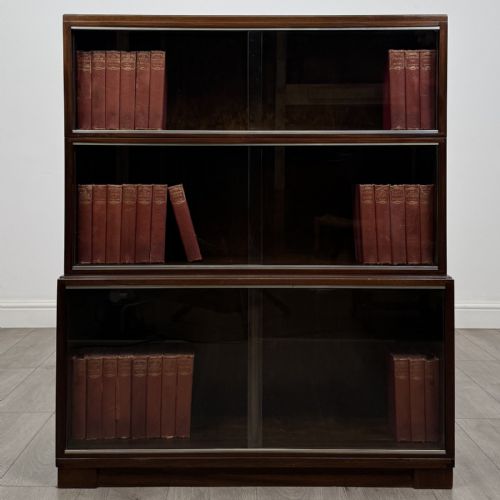
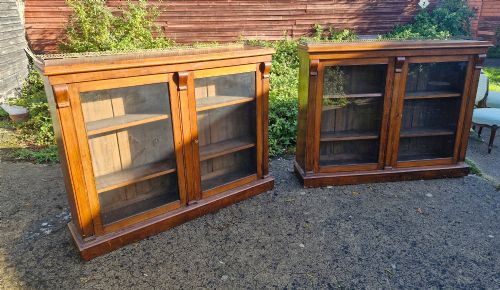
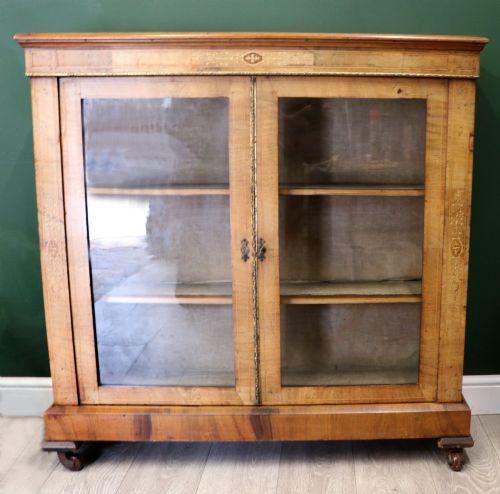
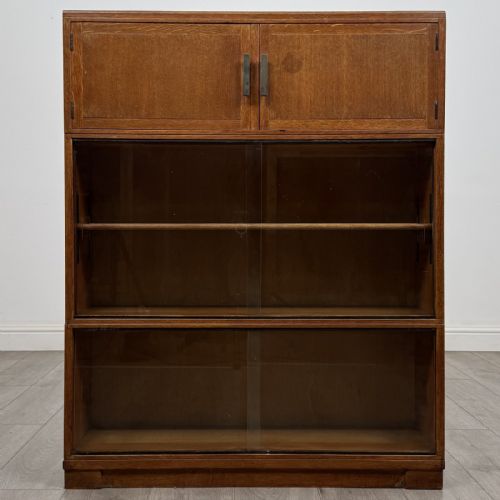
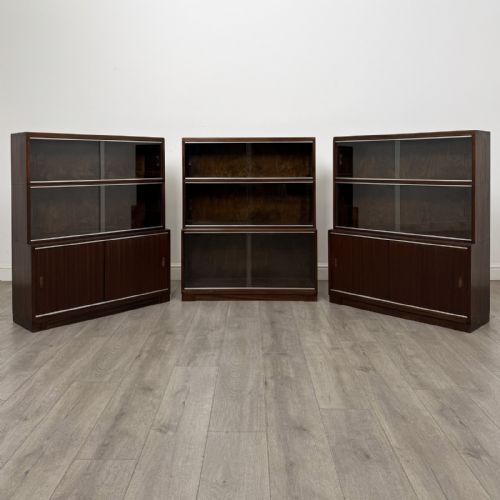
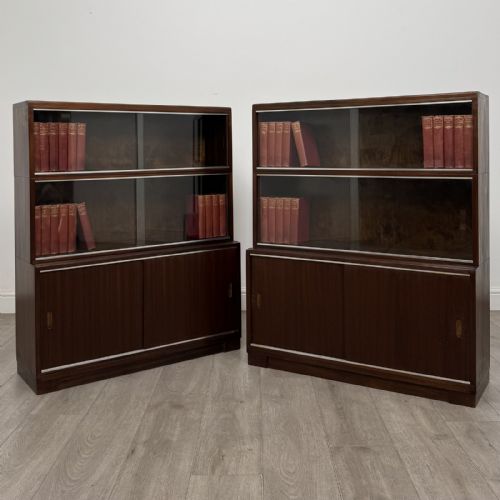
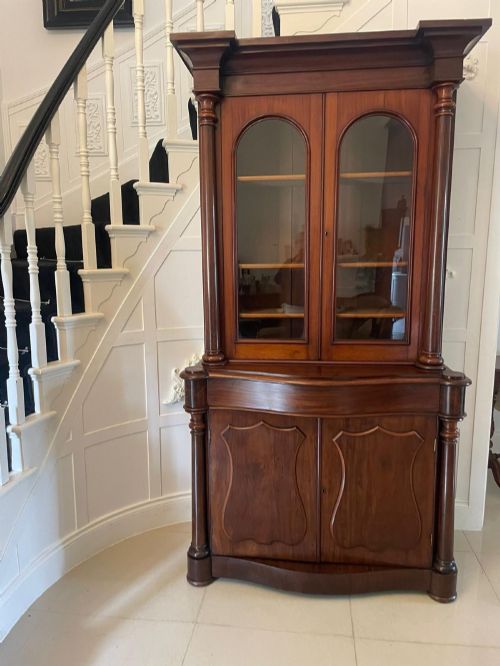
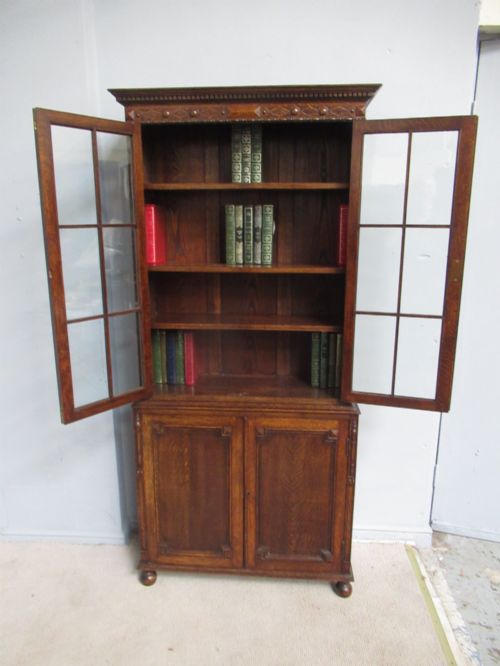
When you search for library cabinets with glass doors, you encounter tall storage furniture designed to hold books and display objects behind protective glazing. These pieces combine utilitarian book storage with visibility, utilising glass panes held in wooden frames.
The versions most commonly met on this page span the Victorian and Edwardian eras, alongside pieces from the Regency period and the nineteen-twenties. They range from simple oak stacking units to substantial mahogany library bookcases with multiple doors.
Makers such as Minty and John Alexander produced notable examples in oak and mahogany, while French pieces introduce walnut and ebony woods. These cabinets serve domestic studies and libraries, functioning primarily as bookcases or display cabinets.
How they were made
Glazing techniques allow for clear visibility into the interior, protecting volumes from environmental dust while maintaining an open visual presence in a room. Painted wood surfaces also appear, offering alternative finishes to polished natural grain timbers.
Library Cabinets with Glass Doors Retail Price Guide 2026
Typical asking prices for library cabinets with glass doors among the pieces listed under this phrase on Sellingantiques today, from the lower quarter to the upper quarter. They describe what is for sale here now, not the wider market.
John Alexander built a Scottish mahogany cabinet with enough presence to outlast several generations of Scottish weather.
What varies in quality
The refinement of timber selection and joinery distinguishes finer examples from utilitarian storage. Superior pieces exhibit carefully matched wood grains and well-fitted doors that operate smoothly within their frames.
Proportion and scale dictate the visual success of a cabinet, with smaller library cabinets requiring precise execution to achieve balanced dimensions. The quality of the glass panes and the execution of interior shelving adjustments further differentiate the range.
Minty·John Alexander
The Library Cabinets with Glass Doors Glossary
- Glazed
- Fitted with glass panels. This term describes doors or sides that allow visibility into the interior.
- Stacking bookcase
- Modular furniture made in sections. These pieces can be separated and rearranged.
- Adjustable shelves
- Internal boards that move to different heights. This feature accommodates books of varying sizes.
- Veneer
- A thin layer of finer wood applied to a base timber. It creates decorative surfaces on cabinet exteriors.
Library Cabinets with Glass Doors: Frequently Asked Questions
What periods do these cabinets represent?
The pieces span the nineteenth and twentieth centuries, including Regency, Victorian, and Edwardian eras. Later examples date from the nineteen-twenties.
Design characteristics shift from formal classical proportions in earlier periods to more utilitarian or revivalist forms in the twentieth century.
How were these cabinets originally used?
Owners utilised them in private libraries and studies to store and display valuable book collections. Glass doors protected leather-bound volumes from dust and handling while permitting inspection.
Some configurations served a dual purpose as china cabinets or general display furniture for household ornaments.
How do I care for the wood?
Maintain stable indoor humidity levels to prevent timber from splitting or warping over time. Avoid placing cabinets in direct sunlight to protect polished finishes.
Apply suitable wax polish periodically to nourish the grain of mahogany, oak, and walnut surfaces.
Are the shelves adjustable?
Many examples feature adjustable shelving to accommodate volumes of varying heights. This system allows owners to reconfigure the interior space as needed.
Fixed shelving also appears in older or more traditional cabinet designs.