

Library Bookcase with Cupboard
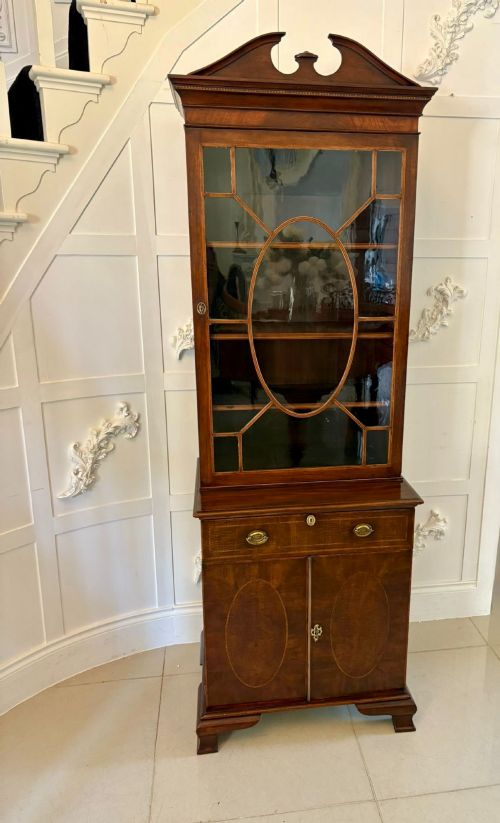
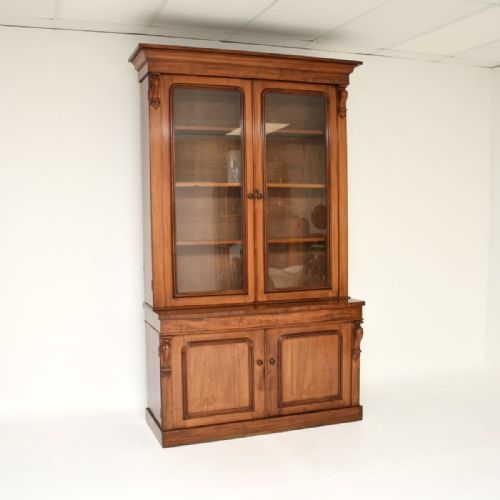
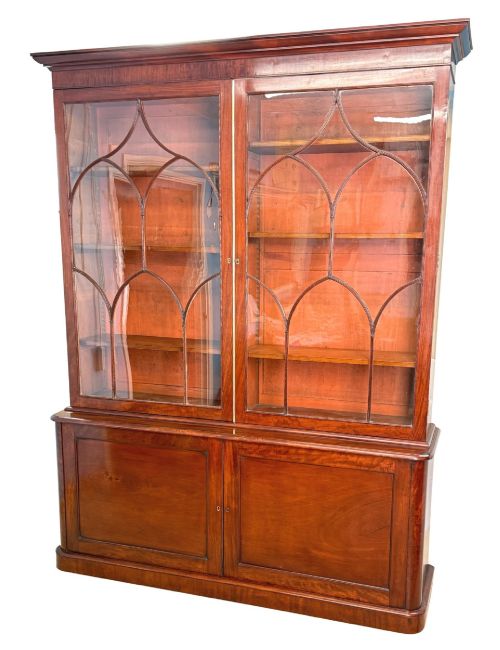
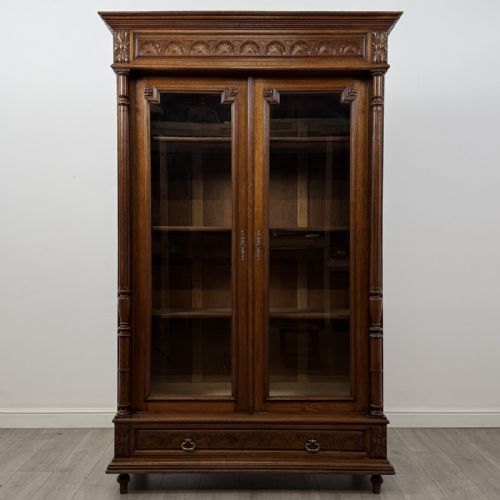
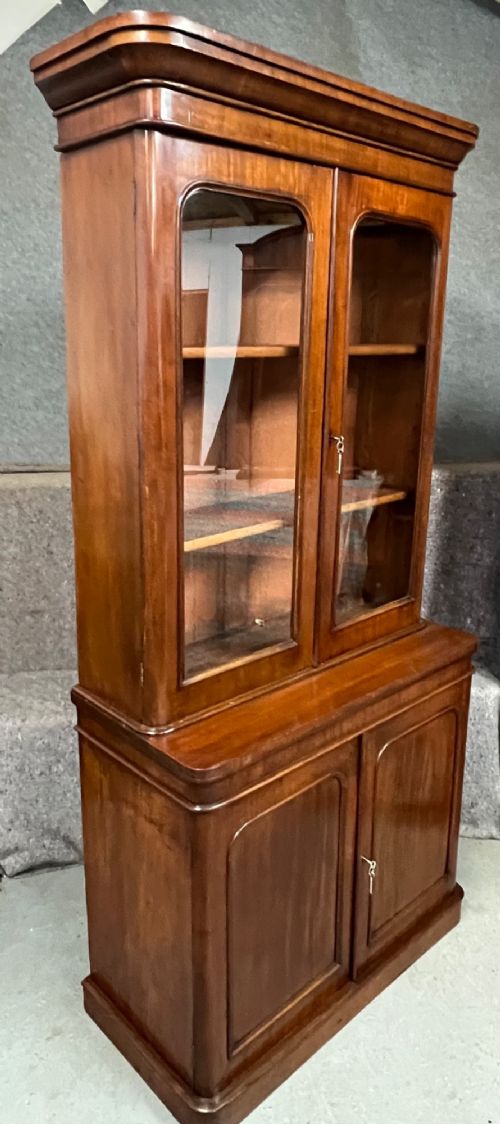
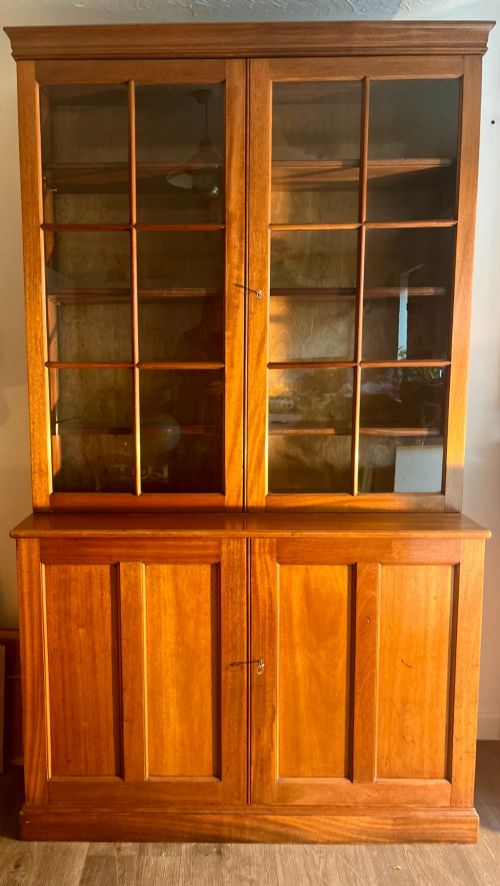
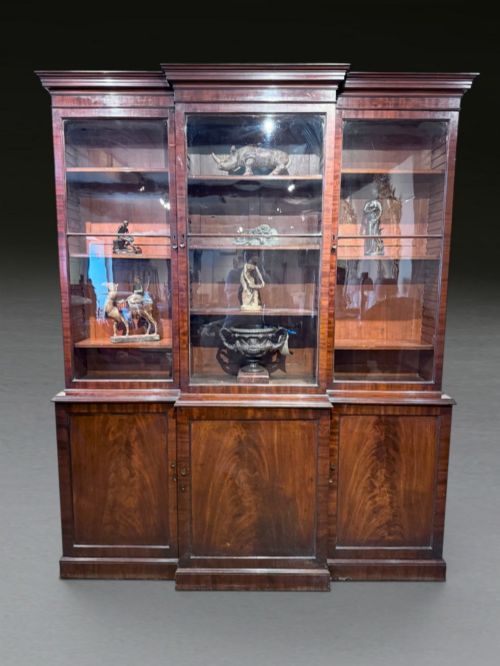
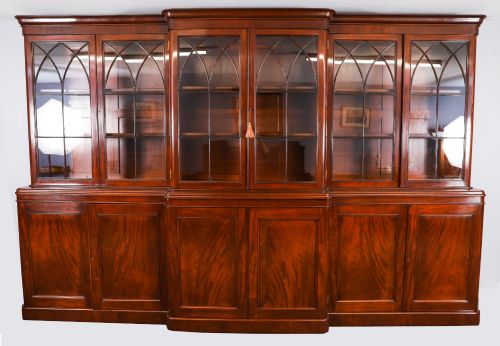
A library bookcase with cupboard provides upper display shelving above a concealed lower storage base, combining practicality with formal presence.
Library Bookcase with Cupboard
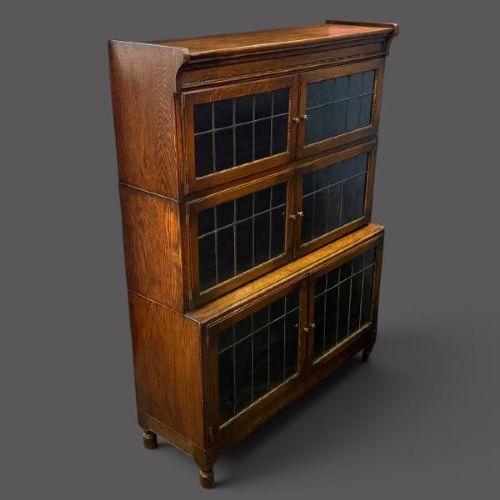
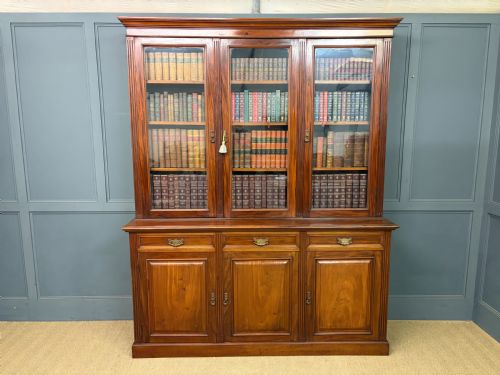
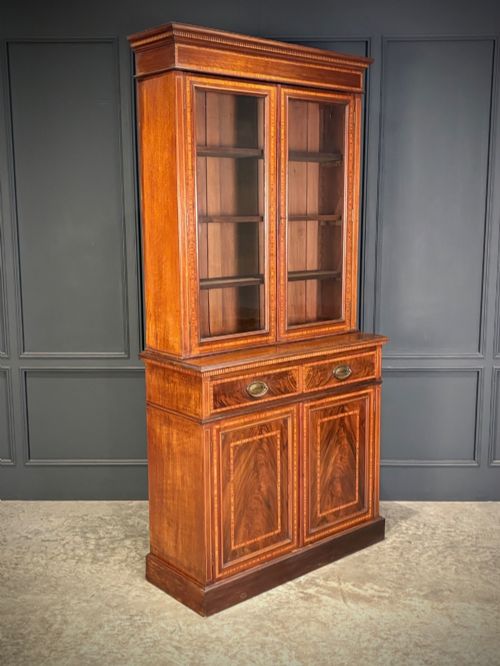
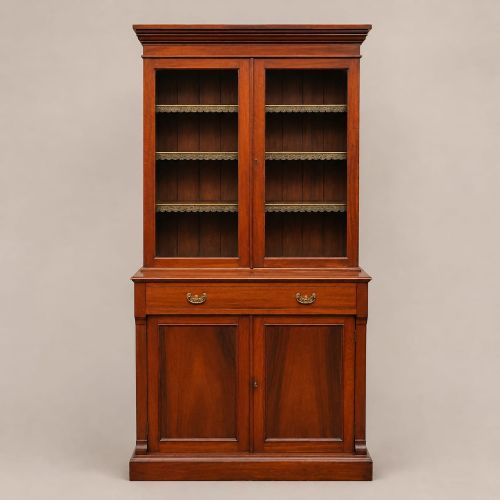
A library bookcase with cupboard serves as a substantial piece of furniture designed to house volumes while keeping utility items hidden away in the base. These forms emerge across Georgian, Victorian, and Edwardian periods, utilising timbers such as mahogany, oak, walnut, and satinwood.
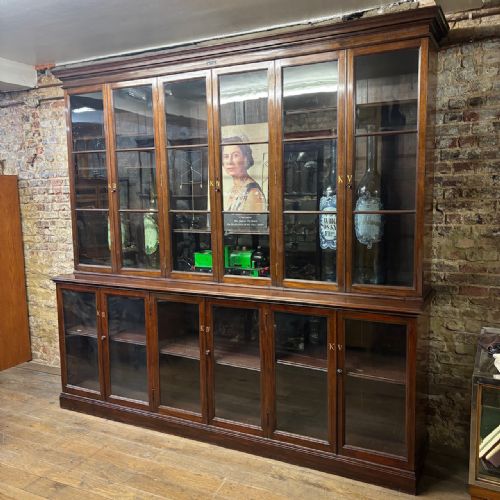
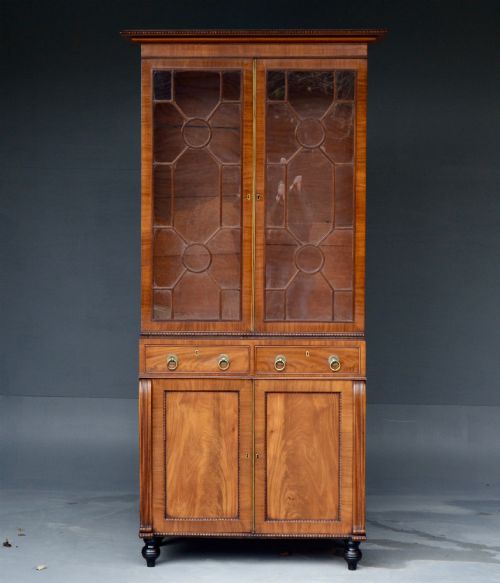
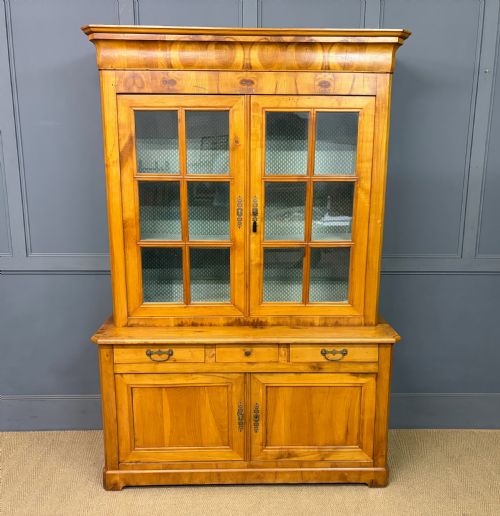
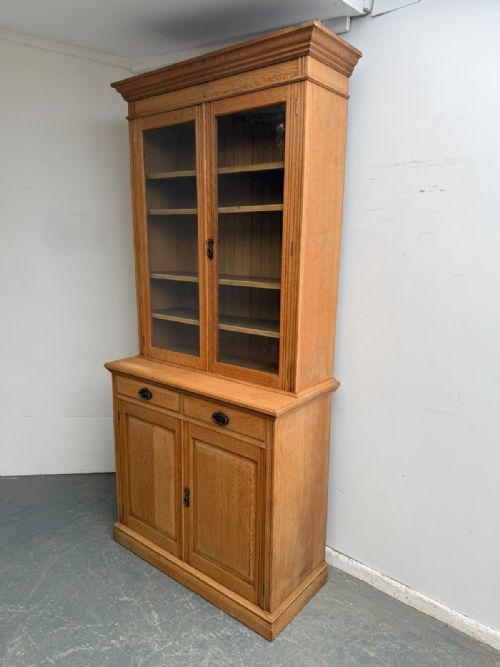
The pieces on this page appear in styles ranging from Gothic Revival and Sheraton Revival to Regency and plain architectural forms. Buyers frequently encounter versions with glazed upper doors or open shelves sitting directly upon enclosed lower cupboard sections.
How they were made
Cabinet makers constructed these large pieces using solid hardwoods like oak and mahogany, often applying flame mahogany or figured burr walnut veneers to primary surfaces. Glazing bars organise the upper glass panels, while brass hardware, gilt mounts, and brass castors complete the mobility and decorative accents.
Internal spaces relied on adjustable shelving systems supported by wooden tracks or metal pins, allowing owners to alter shelf heights for varying book sizes. Lower cupboard doors were panelled or glazed, concealing fitted drawers or plain storage voids behind sturdy timber framing.
Library Bookcase with Cupboard Retail Price Guide 2026
Typical asking prices for library bookcase with cupboard among the pieces listed under this phrase on Sellingantiques today, from the lower quarter to the upper quarter. They describe what is for sale here now, not the wider market.
Certain Victorian library pieces arrive complete with their original tiny brass keys still turning smoothly in the cupboard locks.
What varies in quality
The standard of timber selection largely defines the calibre of the piece, with finely figured veneers and matched grain patterns marking out superior examples. Carved architectural details, intricate mouldings, and the integration of original painted decoration or gilt mounts elevate the execution.
Structural heft and scale also dictate distinction, moving from standard utility pieces to monumental breakfront libraries built by prominent makers. The refinement of the glazing bars and the presence of original keys and functional adjustable shelf mechanisms further separate workshop output.
Gillows·Robert Strahan
The Library Bookcase with Cupboard Glossary
- Breakfront
- A cabinet design where the central section projects forward from the flanking wings. This architectural arrangement creates depth and visual rhythm across the facade of large library pieces.
- Waterfall bookcase
- A shelving unit featuring stepped, receding shelves that decrease in depth from bottom to top. These pieces often incorporate a cupboard section at the base.
- Adjustable shelves
- Internal boards resting on movable supports that allow the user to alter vertical spacing. This mechanism accommodates volumes of differing heights.
- Gilt mounts
- Applied decorative metal elements treated with gold leaf or a gilt finish. They accent the primary timber surfaces on Victorian and revival pieces.
Library Bookcase with Cupboard: Frequently Asked Questions
How were these bookcases used historically?
These pieces served in domestic libraries and studies to house comprehensive book collections while storing paperwork or utility items out of sight.
The upper display protected valuable volumes from dust, and the lockable lower cupboards secured sensitive documents.
Are the shelves adjustable?
Many examples on this page feature adjustable shelving systems that let you change the vertical gaps between boards.
This adaptability accommodates folio volumes as well as smaller octavo books without wasting vertical space.
How do I identify the period?
Period identification relies on observing the primary timber, decorative motifs, and overall architectural style of the cabinet.
Georgian and Regency pieces lean towards clean classical lines and mahogany, whereas Victorian and Edwardian examples often display heavier carvings, oak, or walnut veneers.