

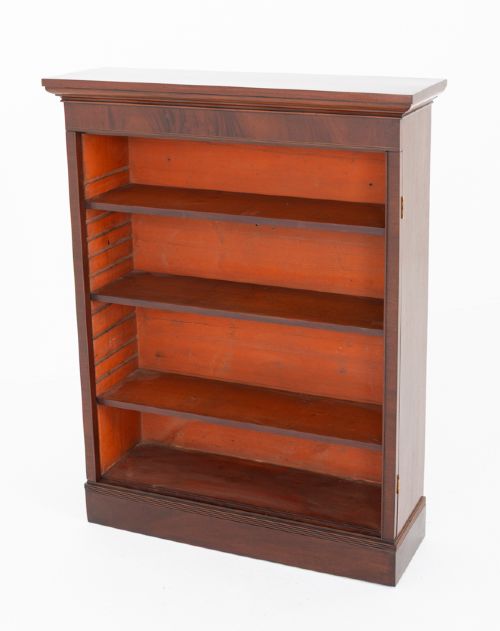
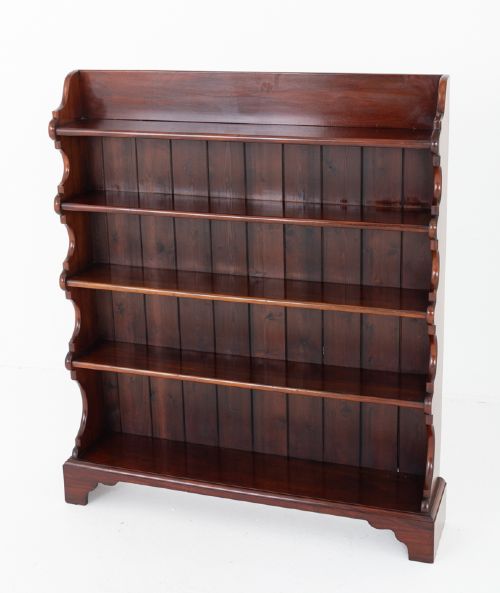
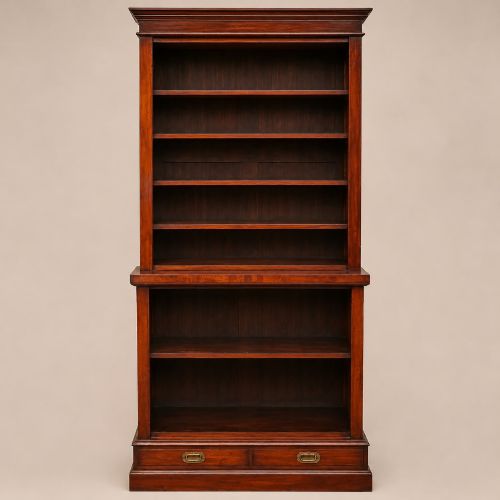
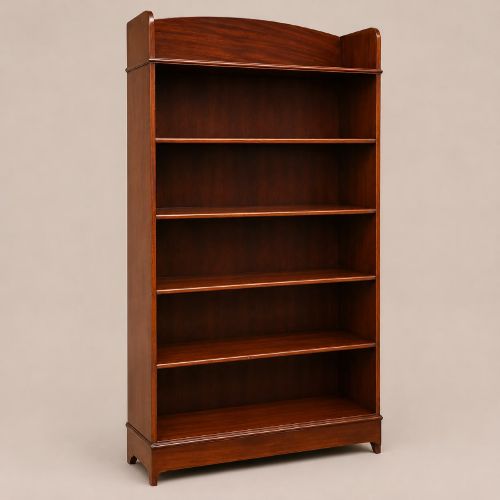

Library Bookcase Unit
A library bookcase unit brings architectural presence and order to a room, offering sturdy timber shelving for substantial collections.
Library Bookcase Unit
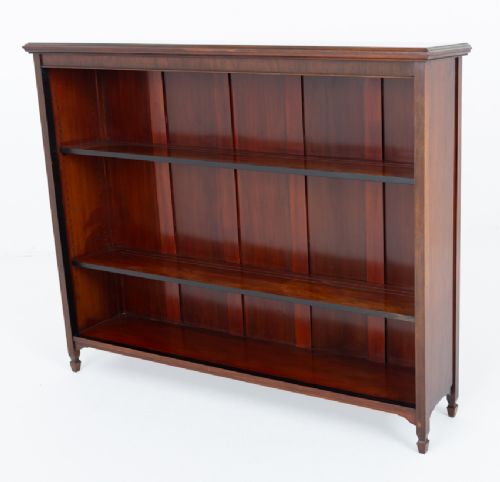
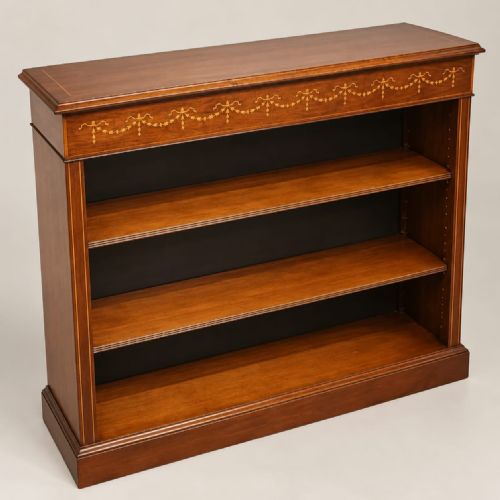
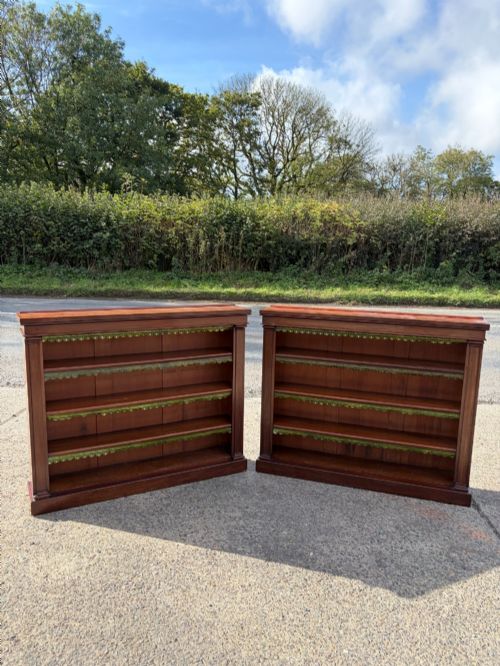
A library bookcase unit provides dedicated shelving for storing volumes and display items within a domestic or study space. The selections span various decades, including Victorian and Edwardian examples alongside early twentieth-century interpretations.
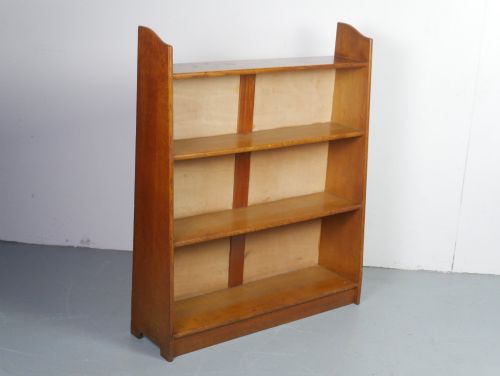
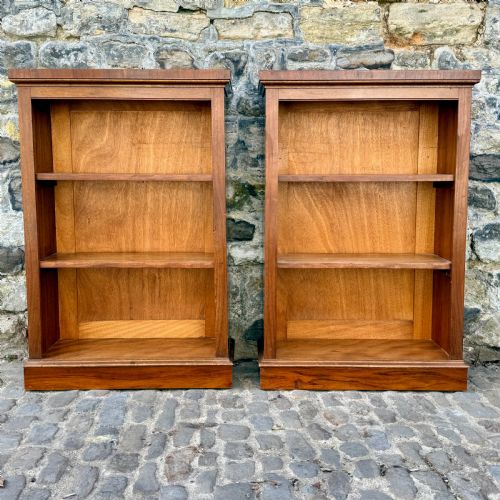
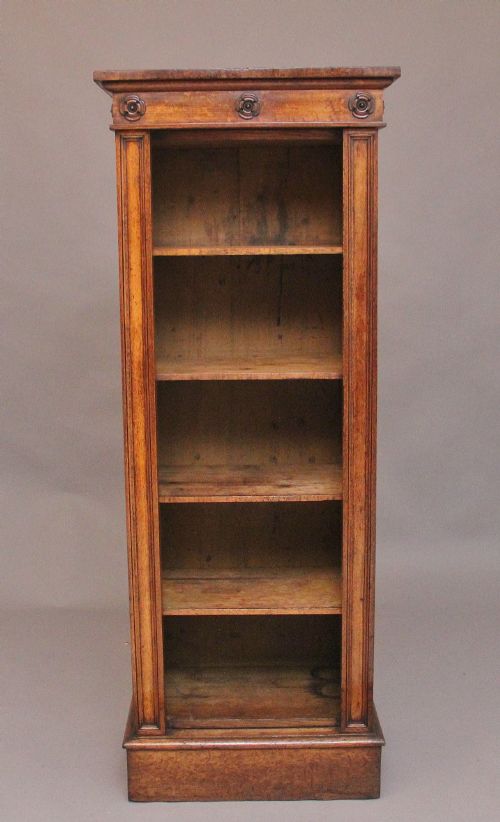
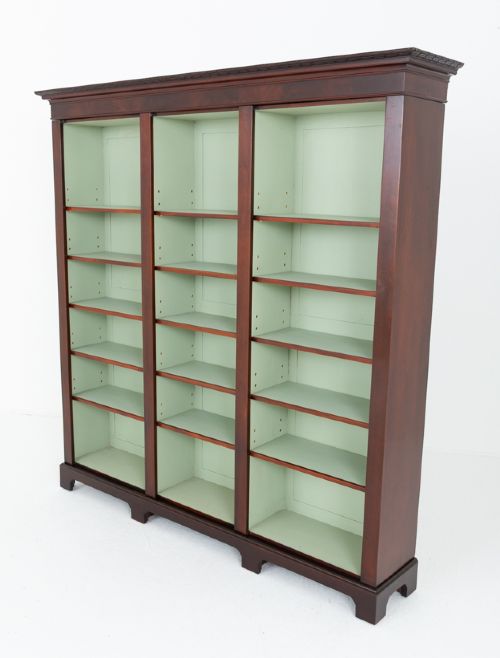
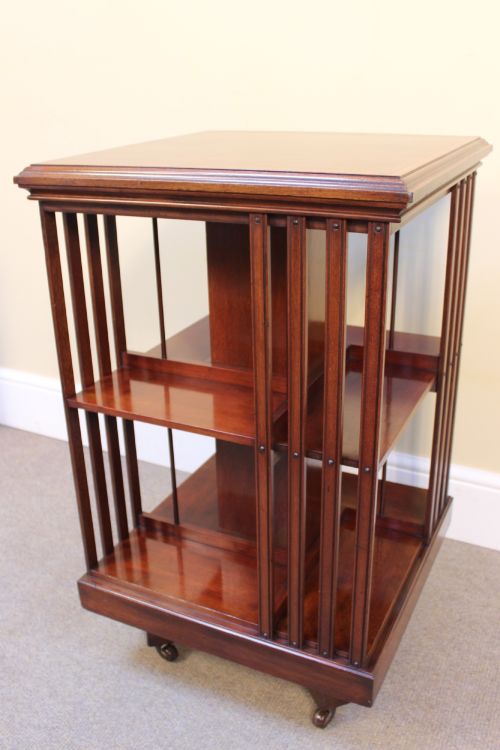
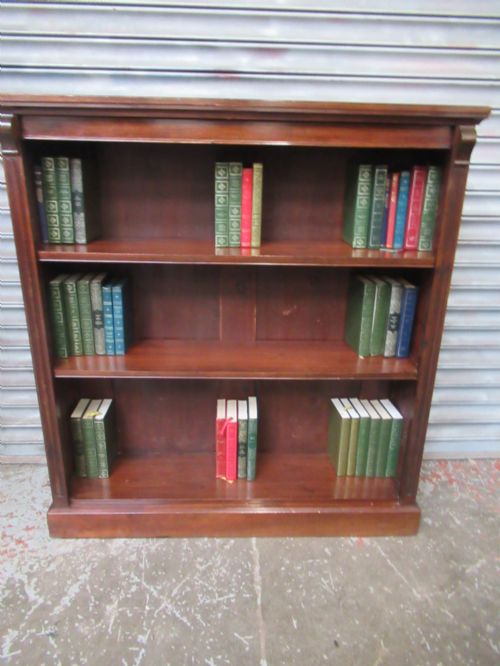
Most pieces encountered on this page take the form of open bookcases constructed from timber, often featuring adjustable shelves for practical storage. Makers across the nineteenth and twentieth centuries also produced breakfront designs and revolving formats to suit different room layouts.
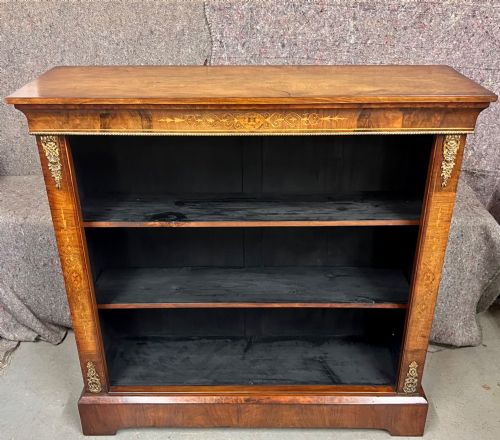
The materials range from dense hardwoods like mahogany and oak to walnut and rosewood, reflecting the preferences of past periods. Formats vary from low dwarf configurations to large architectural pieces fitted with cornices and plinth bases.
Materials and construction methods
Cabinet makers utilised solid timbers such as oak, mahogany, and walnut for the primary structure, occasionally applying flame mahogany veneer for figured grain patterns. Brass hardware, including castors, appears on mobile or smaller variations.
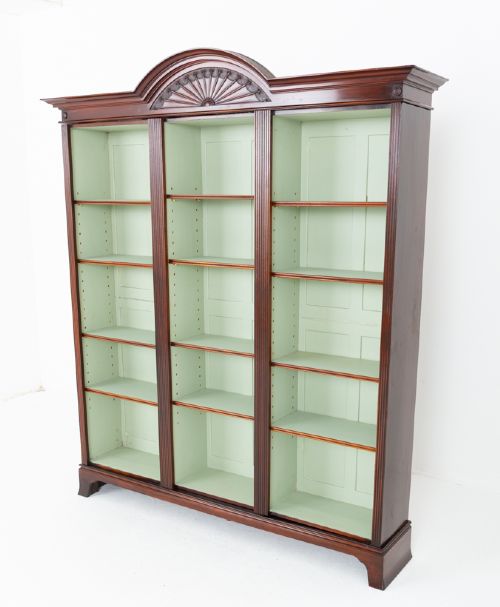
Joinery techniques involved sturdy framing to support heavy rows of books, with decorative touches like dentil cornices, carved edges, and inlaid details applied to formal pieces. Open fronts predominate, though some examples incorporate sliding glass doors or raised galleries.
Library Bookcase Unit Retail Price Guide 2026
Typical asking prices for library bookcase unit among the pieces listed under this phrase on Sellingantiques today, from the lower quarter to the upper quarter. They describe what is for sale here now, not the wider market.
Green man carvings occasionally peer out from ebonised dwarf bookcases, keeping a watchful eye on the library shelves.
Distinctions in craftsmanship
The distinction between standard utility items and superior examples lies in the selection of timber and the precision of the joinery. Finely figured grain, crisp carving, and functional adjustable shelving mechanisms separate higher-grade pieces from simpler constructions.
Proportion and architectural detailing, such as dentil cornices or integrated plinth bases, indicate the level of thought and skill invested by the original maker.
The Library Bookcase Unit Glossary
- Dentil cornice
- A decorative moulding featuring a series of small, rectangular blocks projecting like teeth along the top edge of the furniture. This classical architectural detail frequently appears on Edwardian and Victorian oak bookcases.
- Breakfront
- A cabinet or bookcase design where the central section projects forward from the flanking wings. This configuration adds depth and visual rhythm to larger library units.
- Dwarf bookcase
- A low shelving unit designed to sit beneath window height or within smaller rooms. These pieces often feature adjustable shelves and carved edges.
- Revolving bookcase
- A compact shelving unit mounted on a rotating pivot mechanism to allow access to books from all sides. These pieces are typically designed for table or floor placement.
- Flame mahogany veneer
- A thin slice of mahogany timber cut from the fork of the tree where the branches meet, displaying a distinctive flickering flame pattern. It decorates the surfaces of fine nineteenth-century cabinets.
Library Bookcase Unit: Frequently Asked Questions
How do I choose the right size?
Measure your available wall space and consider the height of your ceiling before selecting a library bookcase unit. Taller breakfront models require substantial floor area, whereas low dwarf units or slim open bookcases fit easily into compact rooms.
Account for the depth of the shelves to ensure your volumes fit comfortably without overhang. Adjustable shelving offers flexibility if your collection includes books of varying heights.
Are the shelves adjustable on these bookcases?
Many of the library bookcase units listed feature adjustable shelves, allowing you to alter the interior layout for different book sizes. This practical arrangement was common in nineteenth and twentieth-century library furniture.
Check individual descriptions to confirm whether the shelves move or remain fixed in place. Fixed shelves usually indicate older or simpler vernacular construction.
What wood types are most common?
Mahogany and oak appear most frequently across the listed library bookcase units, reflecting their popularity in Victorian and Edwardian workshops. Walnut and rosewood also feature in more decorative or formal examples.
Selected pieces incorporate flame mahogany veneer for enhanced visual grain, while brass castors and iron backs provide structural or mobile support on specific formats.
How do I care for antique timber?
Keep wooden library units away from direct sunlight and radiators to prevent the timber from drying out or warping. Dust regularly with a soft, dry cloth and apply a quality beeswax sparingly when the wood appears dry.
Avoid placing damp items directly onto unsealed shelves. Stable room humidity preserves both the solid timber and any decorative veneers.