



Leather Pocket Accessory
These leather pocket accessory items are portable nineteenth and twentieth century personal belongings, offering collectors a blend of fine hide and precious metalwork.
Leather Pocket Accessory
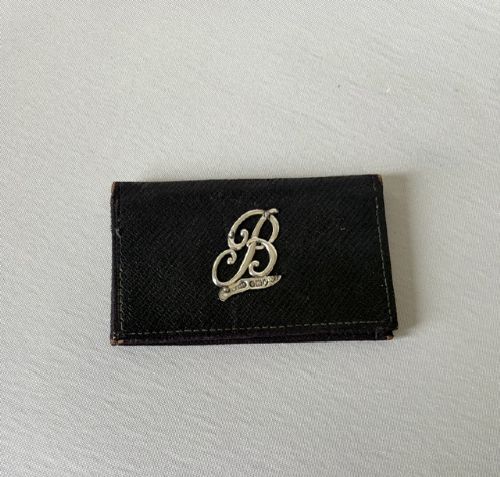
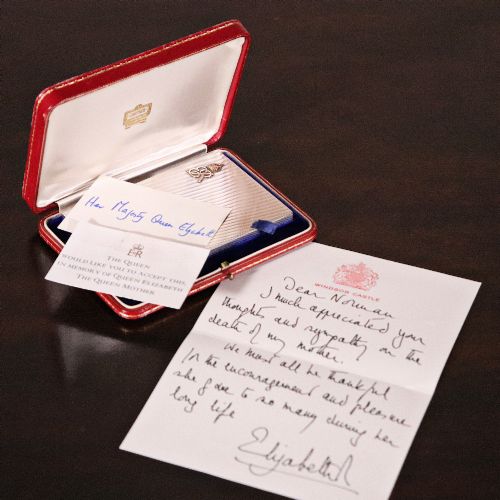
A leather pocket accessory encompasses small personal containers and wallets designed for daily use during the Victorian, Edwardian and early twentieth century eras. Buyers searching for a leather pocket accessory encounter functional objects such as cigar cases, stamp wallets, notelet cases, hip flasks and purses.
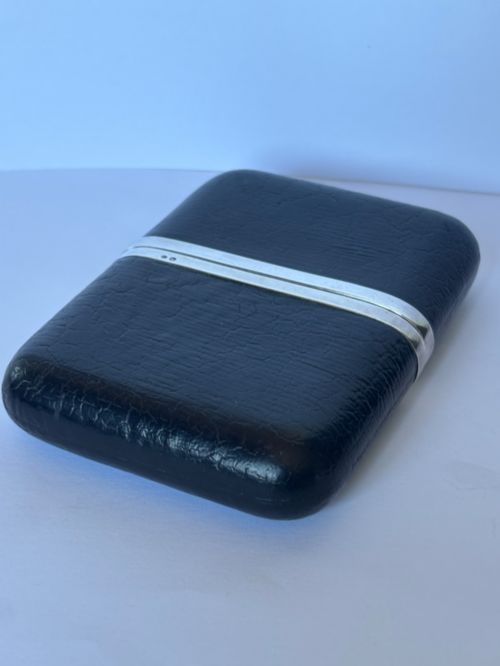
The specimens seen here span from the 1800 period through to the 1930 decade, reflecting changing personal habits in smoking and correspondence. Cigar and cheroot cases dominate the forms alongside stamp wallets and hip flasks mounted in sterling silver or gold.
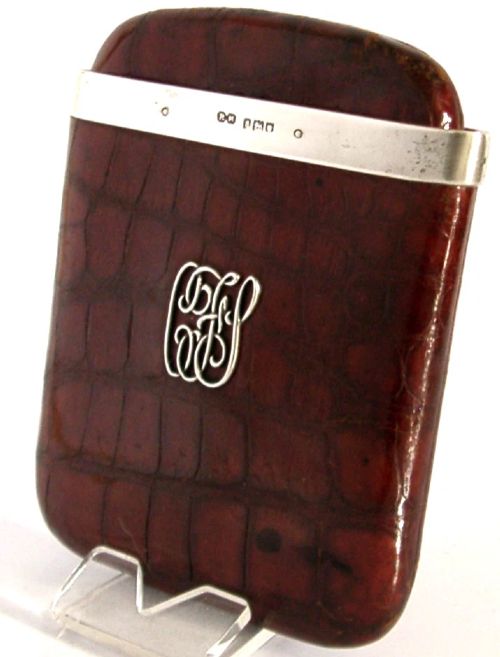
Victorian and Edwardian examples represent the core of the items on this page, often combining traditional English craftsmanship with exotic hides like crocodile. Desk accessories and purses also appear within this varied grouping of pocket items.
Materials and construction methods
Construction relies upon durable animal leather and exotic crocodile skin shaped into rigid book forms or flexible pouches, frequently lined with silk or velvet. These hides are paired with structural mounts, corners and clasps formed from sterling silver, nine hundred silver or gold.
Metal components are secured to the leather body through stitching and silver mounts, often bearing hallmarks that record the city of assay and year of manufacture. Glass internal elements appear in specific items like hip flasks, while internal divisions utilise silk or fabric linings.
Leather Pocket Accessory Retail Price Guide 2026
Typical asking prices for leather pocket accessory among the pieces listed under this phrase on Sellingantiques today, from the lower quarter to the upper quarter. They describe what is for sale here now, not the wider market.
Napoleon Bonaparte's personal taste is evoked in an early nineteenth century book-form cheroot case dated around eighteen thirty.
Markers of distinction in manufacture
Quality separates through the integrity of the hide and the precision of the precious metal mounts applied to the exterior. Superior pieces display crisp hallmarking, secure closures and fine internal silk or velvet linings that remain intact.
The distinction between standard workshop production and fine maker output lies in the execution of the metal mounts and the selection of exotic materials such as crocodile skin. Finer items exhibit balanced proportions and robust stitching that withstands handling.
Carl Heiss Vienna·Cartier·Ludwig Krumm
The Leather Pocket Accessory Glossary
- Sterling silver
- A silver alloy containing 92.5 percent pure silver by mass, widely used for mounts and frames on pocket items.
- Crocodile leather
- A reptilian hide prized for its distinct scale pattern and durability, utilised on nineteenth century cigar cases and wallets.
- Cheroot case
- A slim rigid or semi-rigid container shaped specifically to hold narrow open-ended cigars safely in the pocket.
- Hallmark
- A series of official marks stamped on precious metals in Britain indicating standard of purity, assay office and date.
- Book form
- A hinged rectangular construction mimicking the profile of a small book, commonly found in early stamp and notelet wallets.
Leather Pocket Accessory: Frequently Asked Questions
What fits inside these antique cigar cases?
These historical cases accommodate narrow nineteenth and twentieth century formats like cheroots or small cigars rather than modern bulky ring-gauge cigars. The rigid internal frames protect the dry tobacco leaves from breaking while carried in a pocket or bag.
Buyers should note the internal length and width dimensions listed for each specific item before attempting to store modern tobacco products inside them.
How do I care for antique leather?
Maintain historical leather by keeping it away from direct sunlight, excessive heat sources and damp environments that encourage deterioration. Gentle handling and occasional light conditioning preserve the suppleness of nineteenth century hides and prevent cracking.
Avoid using modern chemical cleaners on delicate surfaces, especially where silver mounts or silk linings meet the exterior leather.
How are Victorian and Edwardian items dated?
Dating relies heavily upon official silver hallmarks stamped into the metal mounts, which record specific assay office symbols and date letters. Stylistic cues such as Art Deco geometric lines or Victorian Gothic revival motifs also help establish the decade of production.
Comparison with documented maker marks narrows the timeline further for pieces produced by known firms and silversmiths.
Were these items meant for daily use?
Original owners carried these personal effects daily as practical accessories for money, correspondence, stamps or tobacco during travel and social calls. The inclusion of durable materials like crocodile hide and sterling silver ensured the items endured frequent handling.
Today these survivals serve as collectible display pieces or careful additions to historical costume and tobacciana collections.