




Leather Book Binding
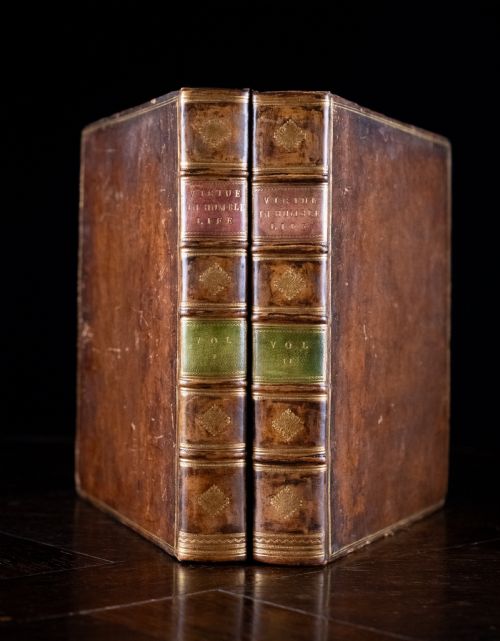
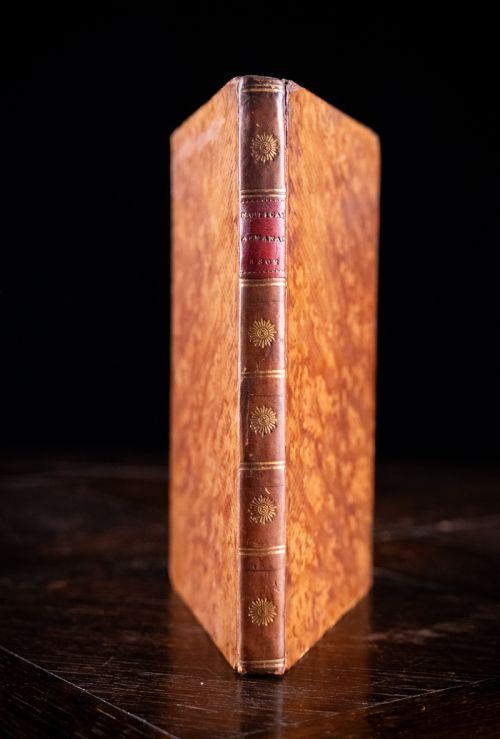
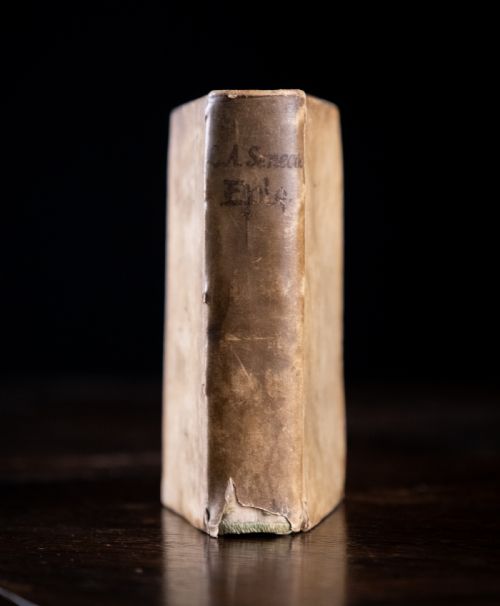
When you search for leather book binding, you uncover volumes protected in calfskin, vellum, and paper with gold leaf accents.
Leather Book Binding
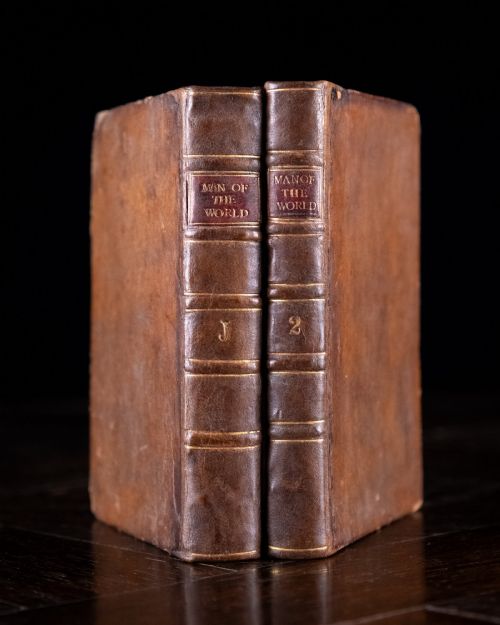
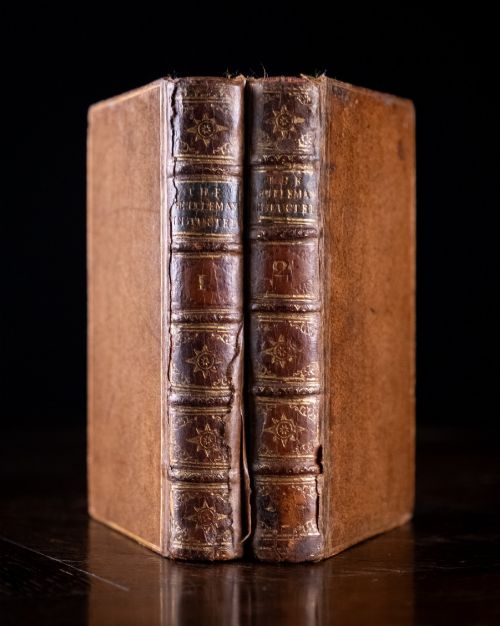
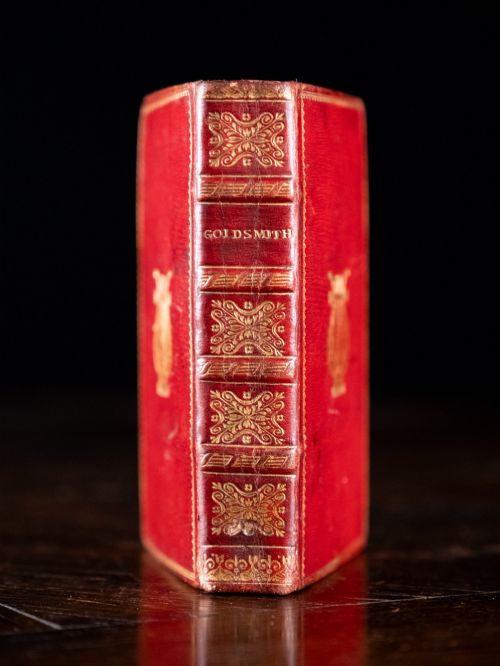
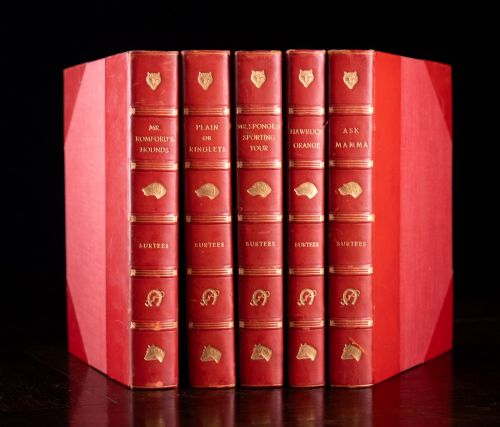
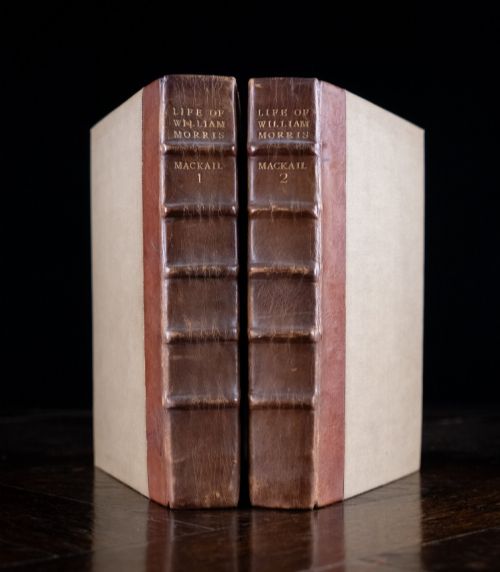
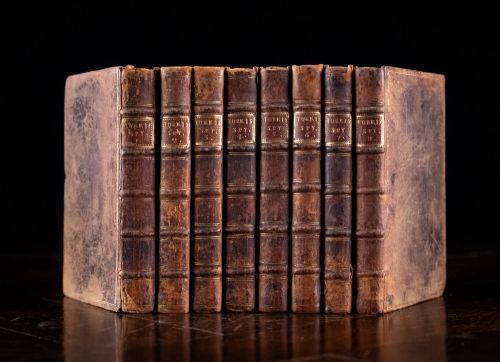
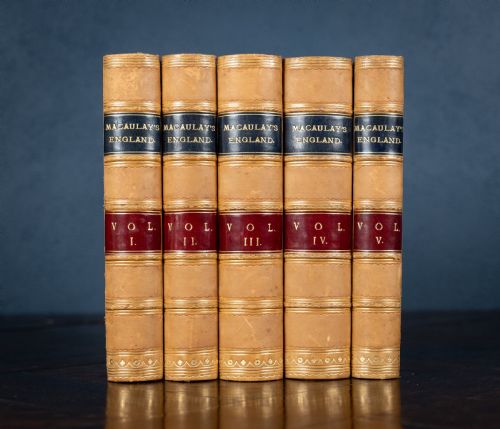
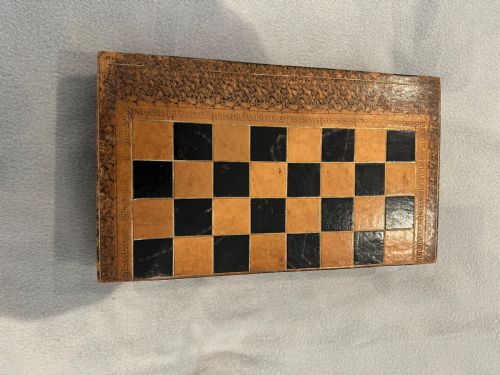
Leather book binding encompasses antique books, multi-volume sets, miniature books, and related objects like games boards and table lamps shaped from historical bindings. You are most likely to meet 18th-century, 19th-century, and Edwardian volumes encased in calfskin or vellum.
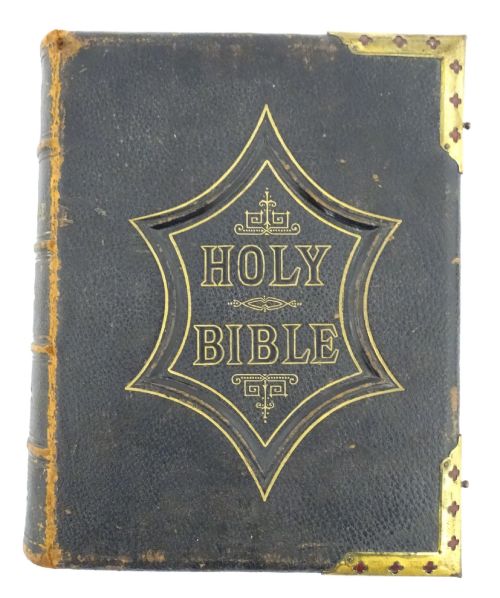
The selections range from single biographical works and holy bibles to extensive novel sets and periodical runs. These pieces originate from Georgian, Victorian, Regency, and Art Deco periods, showing diverse forms such as wood-panelled book covers and vellum-covered Shakespeare plays.
How They Were Made
Binders constructed these books using paper blocks sewn together and encased in leather, calfskin, or vellum coverings over wood or cardboard boards. Craftsmen reinforced spines with raised bands and fastened materials using brass elements where required.
Makers applied gold leaf tooling to stamp intricate lettering and decorative patterns onto the exterior leather surfaces. Cloth and paper linings complemented the structural integrity of the bindings.
Leather Book Binding Retail Price Guide 2026
Typical asking prices for leather book binding among the pieces listed under this phrase on Sellingantiques today, from the lower quarter to the upper quarter. They describe what is for sale here now, not the wider market.
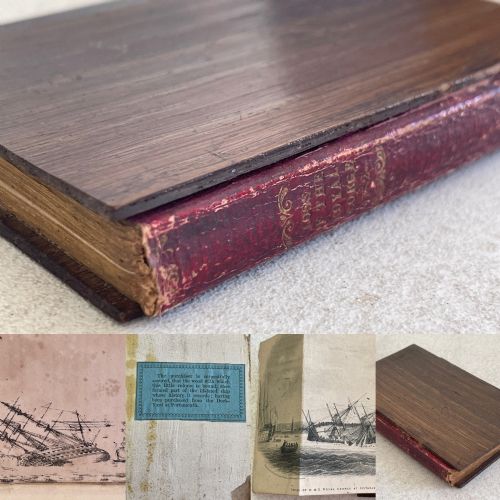
One curious piece incorporates an antique wood panel salvaged directly from the sinking of the Royal George.
What Varies in Quality
The standard of the leather hide and the precision of the gold leaf tooling dictate the calibre of a binding. Finely worked calfskin and crisp, deep embossing elevate a volume above utilitarian bindings.
Completeness of multi-volume sets and uniformity across long runs influence the desirability of the books. Intact bindings with preserved original spines represent superior craftsmanship compared to heavily restored examples.
J. & R. Tonson·J. Wheble
The Leather Book Binding Glossary
- Vellum
- A fine parchment made from calfskin or other animal skin, prized for durability and smooth writing surfaces. It forms a pale, resilient protective cover on historical books.
- Calfskin
- Leather prepared from the skin of a calf, valued for a supple texture and fine grain. It serves as a primary material for high-grade book bindings.
- Gold leaf
- Gold beaten into an extremely thin sheet, used for gilding titles and decorations onto leather spines and covers. This application provides lasting metallic lustre.
- Miniature book
- A tiny printed volume produced on a reduced scale, often enclosed in a matching miniature bookcase. These delicate items demonstrate precise binding techniques.
Leather Book Binding: Frequently Asked Questions
How should I clean leather book bindings?
Dust bindings gently with a soft, dry cloth to remove surface particles. Avoid applying water or chemical cleaners that might damage the leather and gold leaf.
Keep volumes in stable environments away from direct sunlight and excessive humidity. Proper airflow prevents the leather from drying out or developing mould.
What periods do these book bindings represent?
The listings span from the 17th century through the Victorian era and into the early 20th century. You will find examples reflecting Georgian, Regency, and Art Deco styles.
Each period introduced distinct typography, binding thickness, and decorative motifs. These variations help trace the evolution of book production over centuries.
Are multi-volume book sets usually complete?
Many sets maintain their original complete run of volumes as published. Complete collections hold significant appeal for readers and researchers alike.
Checking the title details confirms whether a set includes all intended volumes. Long runs often span dozens of books covering literature or history.
How are alternative objects made from books used?
Items like faux book games boards and table lamps repurpose historical bindings into functional home decor. They retain the aesthetic charm of antique libraries while serving new practical purposes.
Positioning these pieces on desks or tables adds traditional texture to a room. Their construction integrates genuine paper and leather components.